

Origin · Life · Life, origin
The Origin of Life by A. G. Cairns-Smith — Summary, Key Ideas & Quotes
1985131 pages✦ 3-min Big ideas
Rate it
Follow Graham Cairns-Smith's journey back in time, breaking down the building blocks of life into ever smaller units. Is there a link between inorganic and organic material? Could life, as we know it, have evolved from crystals? It sounds crazy but keep reading and you may begin to doubt everything you thought you knew about evolution! A great, easy read with some lovely real-life examples.
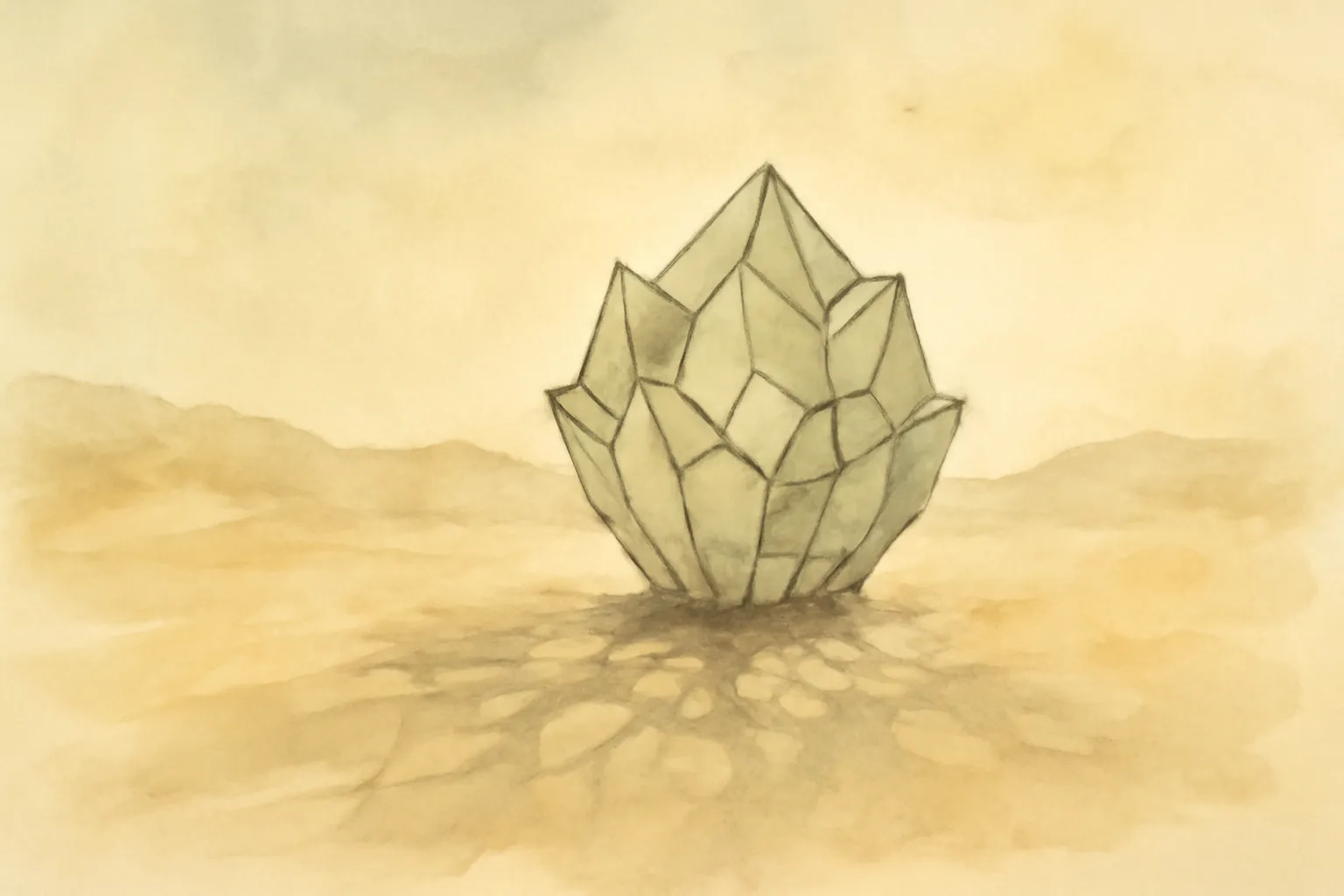
Cairns-Smith's central thesis is that life may have originated with clay crystals, not organic molecules. He argues that the regular, replicating patterns in certain clays could have provided a primitive form of 'genetic' information, much like DNA does today. These mineral structures could have acted as templates, accumulating and transmitting information through their patterns as they grew and broke apart. This idea radically departs from the 'primordial soup' model, suggesting that inorganic matter played a direct, active role in life's beginnings.
The book emphasizes that life's defining feature is not just its chemistry, but its ability to store and transmit information. Cairns-Smith points out that even the simplest living systems require complex instructions to reproduce themselves. He suggests that before organic evolution could get started, there had to be a system—possibly in crystals—that could accumulate, copy, and occasionally mutate information, paving the way for natural selection long before genes.
“Not only is the universe stranger than we imagine, it is stranger than we can imagine.”