1.Convivencia: The Art of Living Together
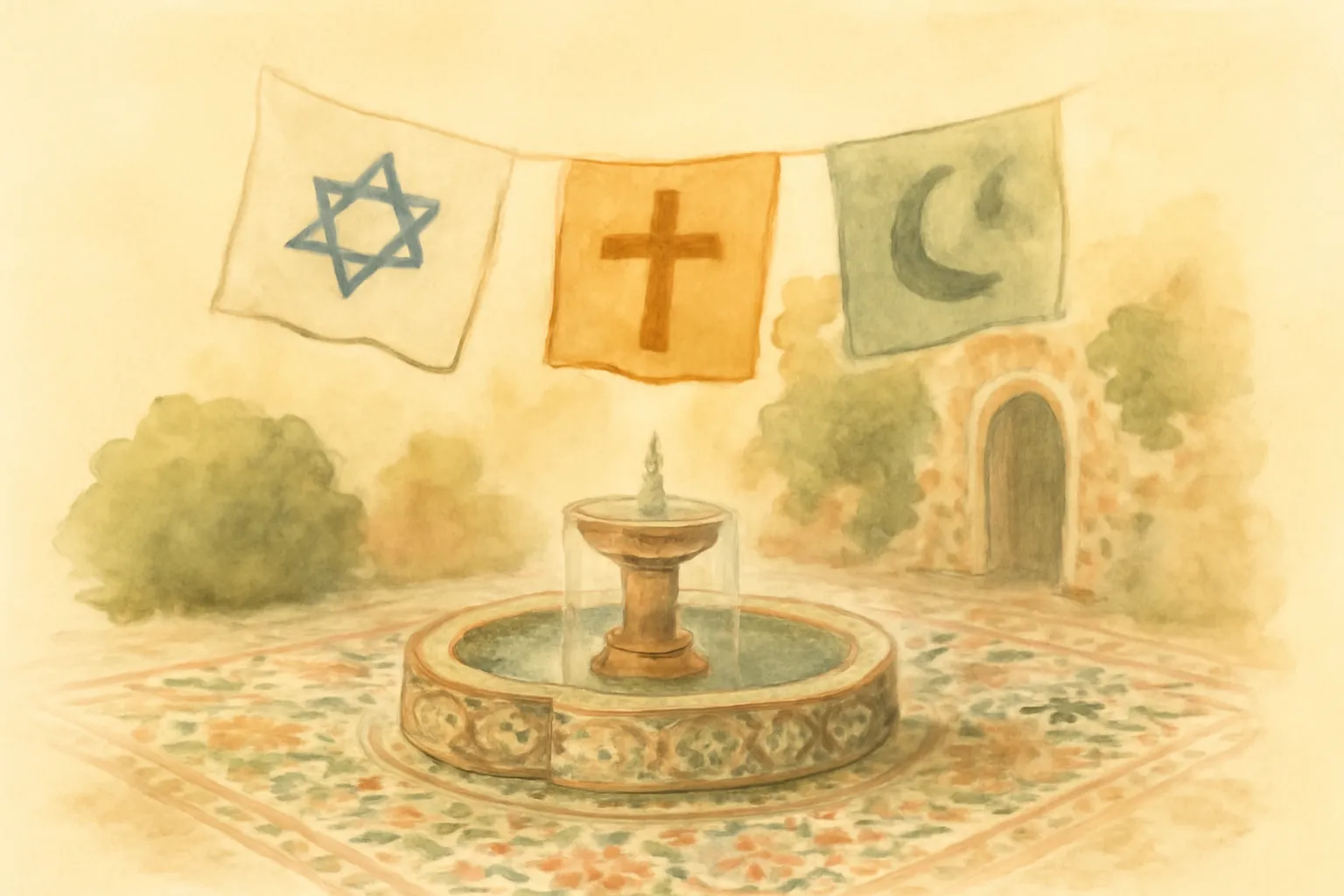
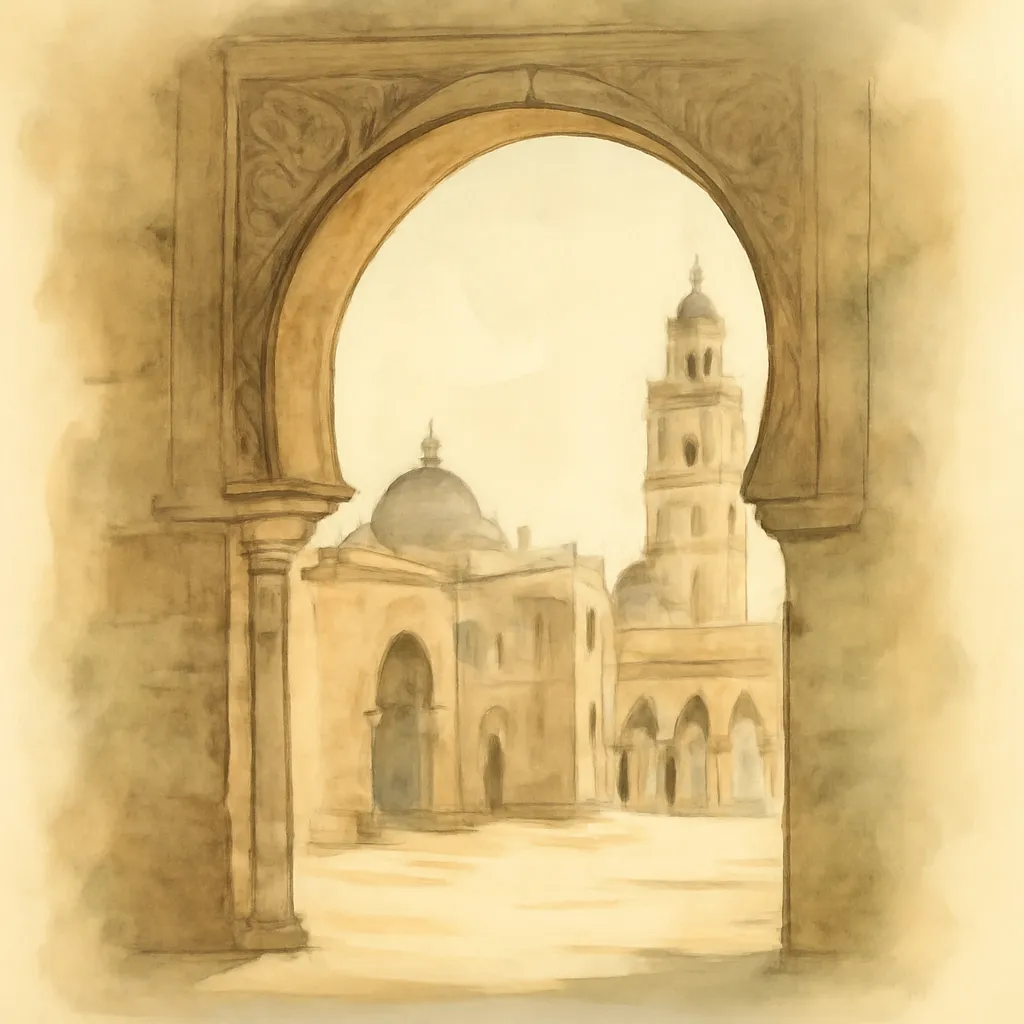
Menocal’s central thesis is the concept of convivencia, the coexistence of Christians, Muslims, and Jews in Al-Andalus. She argues that, contrary to modern narratives of inevitable conflict, medieval Iberia was marked by periods of genuine tolerance and cross-cultural fertilization. This environment allowed for the exchange of ideas, artistic inspiration, and intellectual collaboration, which shaped the region’s unique identity. The book demonstrates how this coexistence was not always perfect or without tension, but it was nonetheless a defining feature of the era.
2.Cultural Hybridity and Innovation
The book highlights how the mingling of Arabic, Hebrew, and Romance languages and traditions produced a distinctive hybrid culture. Menocal explores how poetry, philosophy, architecture, and science flourished in this environment, with figures such as Averroes, Maimonides, and Alfonso X embodying the spirit of synthesis. The resulting innovations had a profound influence on the broader European Renaissance and on the development of Western thought.
3.The Power of Translation
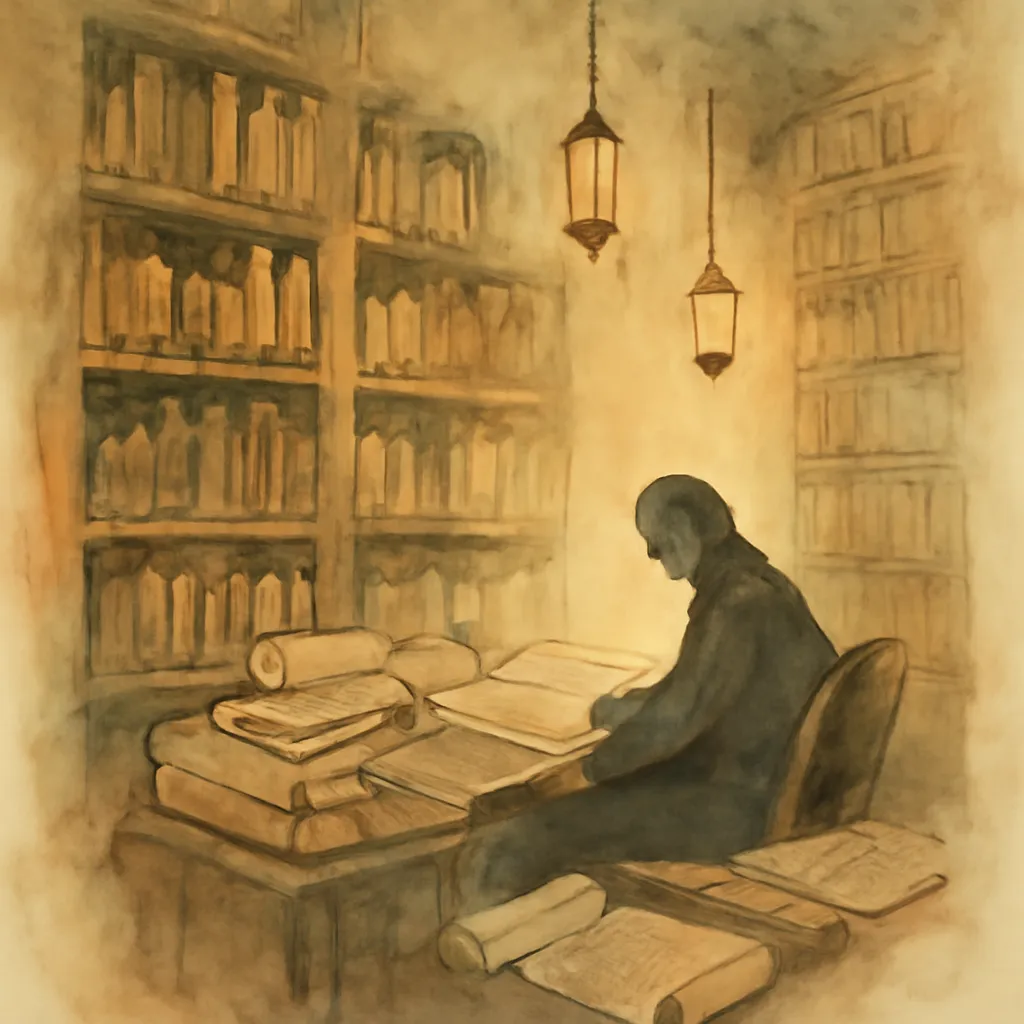
A key theme is the role of translation in spreading knowledge across religious and linguistic boundaries. Menocal shows how the translation movements in places like Toledo made classical Greek, Arabic, and Hebrew texts accessible to Latin Christendom. This transmission of knowledge was crucial for the revival of learning in medieval Europe and demonstrates the permeability of cultural borders.
4.Fragility of Tolerance
Menocal is careful to note that the convivencia of Al-Andalus was fragile and periodically threatened by fanaticism and political upheaval. The book traces how periods of openness could give way to intolerance, culminating in the Christian Reconquista and the expulsion or forced conversion of Jews and Muslims. This dynamic serves as both a cautionary tale and a reminder of the contingent nature of cultural flourishing.
5.Legacy and Modern Resonance
Menocal argues that the legacy of Al-Andalus endures in the art, literature, and architecture of Spain, as well as in the broader Western tradition. She suggests that remembering this era of coexistence can inspire modern societies to value diversity and dialogue. The book implicitly challenges the ‘clash of civilizations’ narrative, offering instead a vision of the past where difference was not only tolerated but celebrated.