1.The Power of Communication
The Peterkins’ journey to publish their family adventures begins with a simple yet profound act of communication—sending a postal card to a lady in Philadelphia. This decision leads to an avalanche of responses from neighbors and friends, eager to support their endeavor. This aspect of the story underscores the theme that effective communication can bridge gaps and foster strong community ties. The family’s reliance on the postal card reflects the era’s communication methods while highlighting how shared interests can initiate collective support. The responses they receive also illuminate the significance of community engagement, reinforcing the idea that families thrive when supported by those around them. Through their experience, readers are encouraged to recognize the importance of articulating their thoughts and desires, as well as the joy that can stem from community feedback.
2.Everyday Challenges and Humor
The daily life of the Peterkin family is filled with challenges that many families can relate to, such as the chaotic preparations for an outing or a simple family meal. One humorous episode involves Mrs. Peterkin’s attempt to go for a ride, which quickly devolves into a comedic fiasco when the horse refuses to budge. The family’s collective efforts to coax the horse into moving illustrate the unpredictability of family life. Their attempts to solve the problem—ranging from clucking and shouting to concocting 'whips' from cream—highlight not only their creativity but also their ability to laugh in the face of adversity. This theme promotes a positive outlook on life; it suggests that when faced with difficulties, finding humor can be a powerful tool in alleviating stress and fostering familial bonds. Readers can glean insights into the importance of resilience and the ability to adapt, even when circumstances seem insurmountable.
3.The Quest for Knowledge
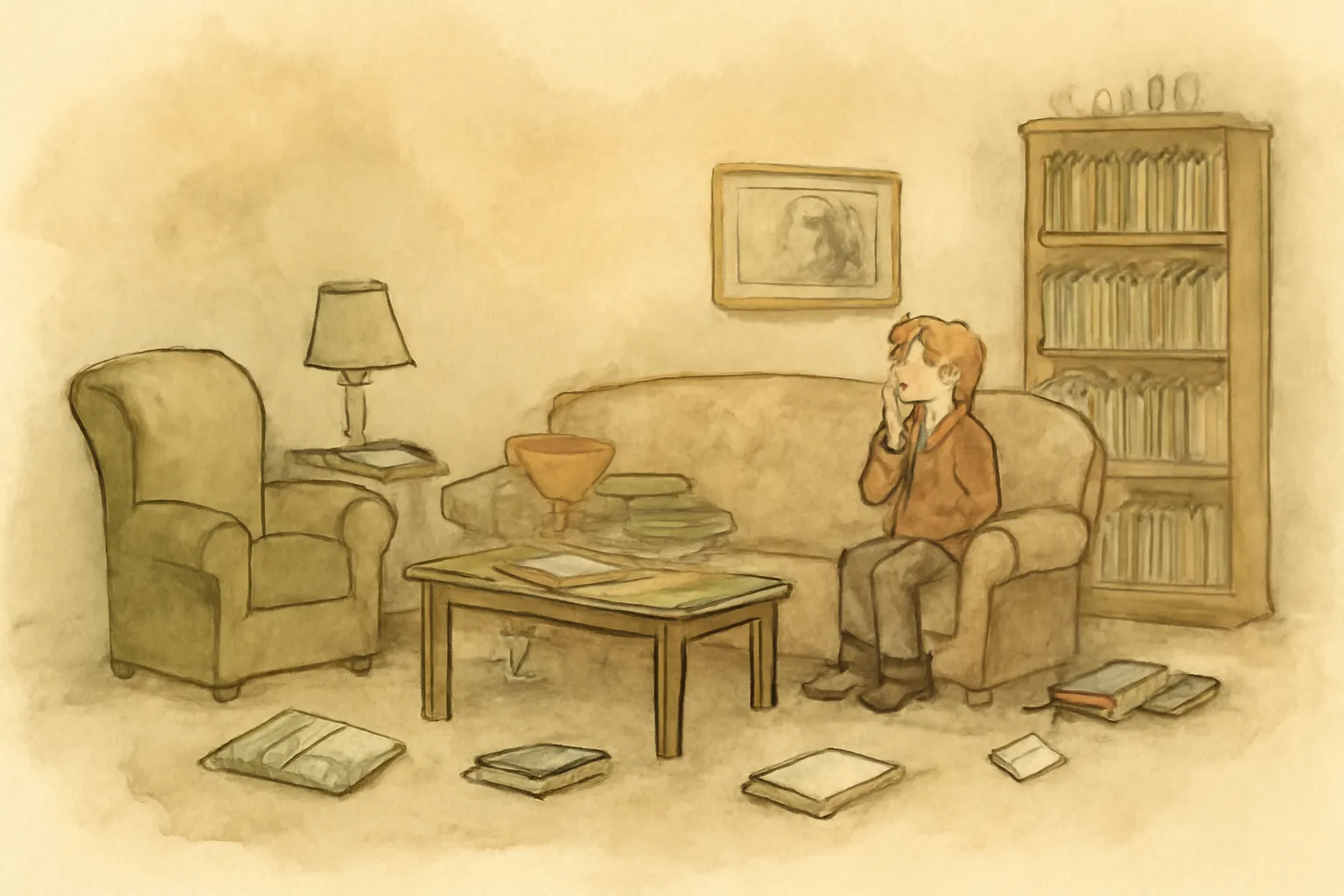
The Peterkin family’s desire to learn shines through in their whimsical yet earnest attempts to study various languages and broaden their horizons. Their discussions about education reveal a deep-seated appreciation for knowledge and the transformative power it holds. As they settle into their new home, the family members express relief at having more space for their books and learning materials, indicating that a conducive environment is crucial for intellectual growth. Their eagerness to learn serves as a reminder that education is a lifelong journey, one that is enriched by curiosity and familial support. The narrative suggests that families should encourage one another’s pursuits of knowledge, reinforcing that the experience of learning can be as enjoyable and fulfilling as the knowledge itself.
4.Family Unity Amidst Chaos
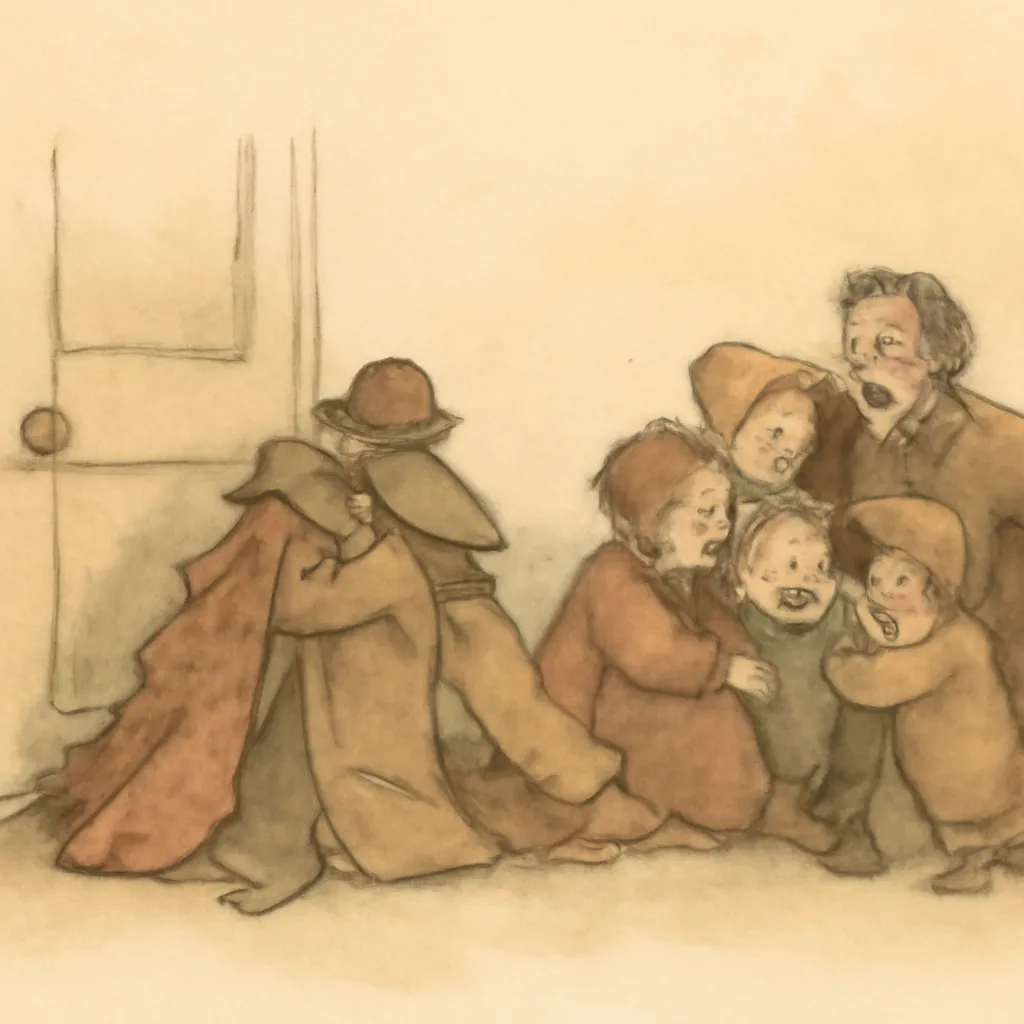
At the core of 'The Peterkin Papers' is the theme of family unity, where the members come together to navigate life’s ups and downs. Despite the quirky misadventures and the occasional conflicts that arise, the family’s unwavering support for one another remains evident. Whether they are planning a picnic, dealing with the aftermath of a misunderstanding, or simply enjoying each other’s company, the Peterkins exemplify how love and loyalty can help them overcome obstacles. The narrative showcases how each family member, with their unique quirks, contributes to the overall dynamic of the family, reminding readers that every person plays an integral role in maintaining harmony. This portrayal emphasizes the significance of nurturing family relationships and the comfort found in knowing that one’s family will stand by them, no matter the circumstances.
5.The Absurdity of Social Norms
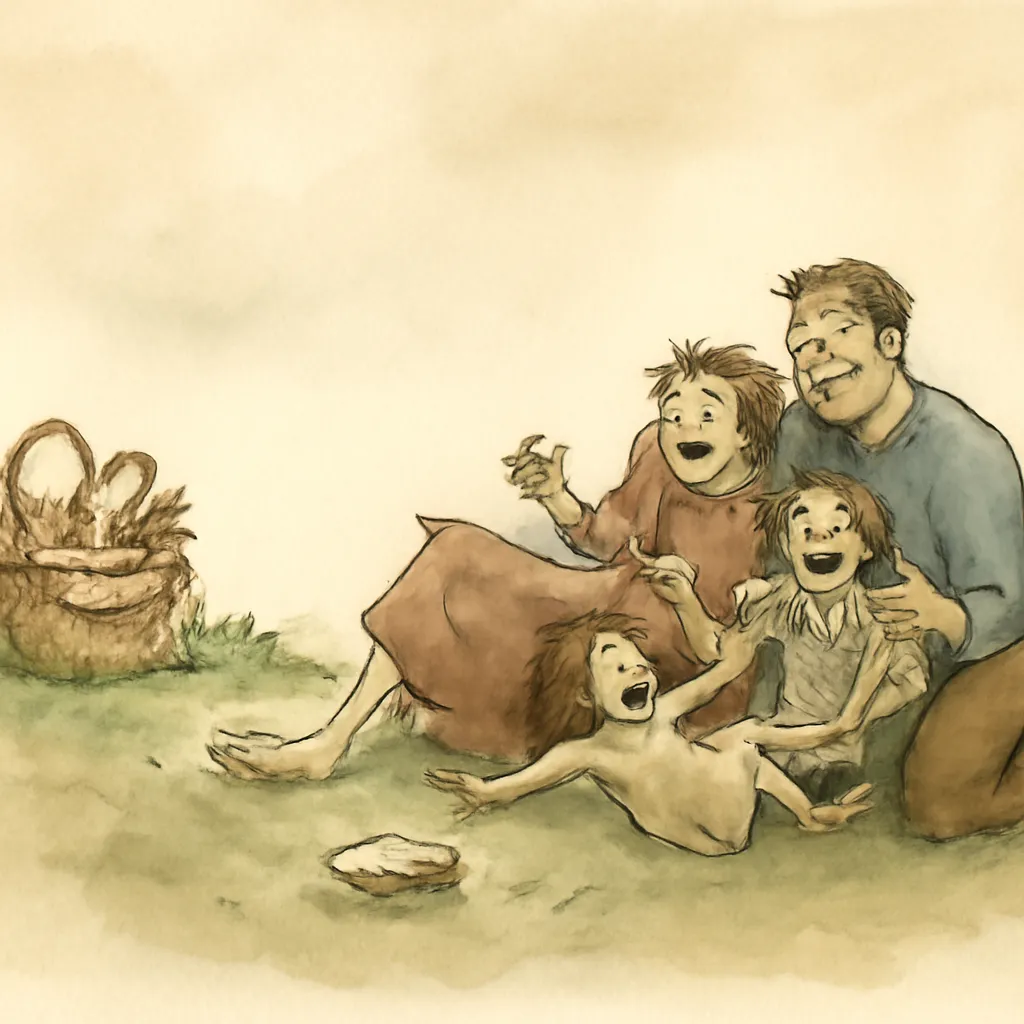
Hale cleverly critiques the absurdities inherent in social norms through the lens of the Peterkin family’s experiences. The family grapples with societal expectations, often finding themselves caught in humorous predicaments due to their attempts to conform. Their picnicking adventures are fraught with misunderstandings and misplaced priorities, underscoring the ridiculousness of trying to meet social standards. The narrative encourages readers to reflect on how societal pressures can sometimes lead to unnecessary complications in life. The Peterkins, with their innocent misinterpretations and good-hearted intentions, serve as a reminder that embracing one’s individuality and authenticity is far more valuable than attempting to fit into societal molds. This exploration of social norms invites readers to challenge conventions and appreciate the beauty of being true to oneself.
6.The Role of Humor in Coping
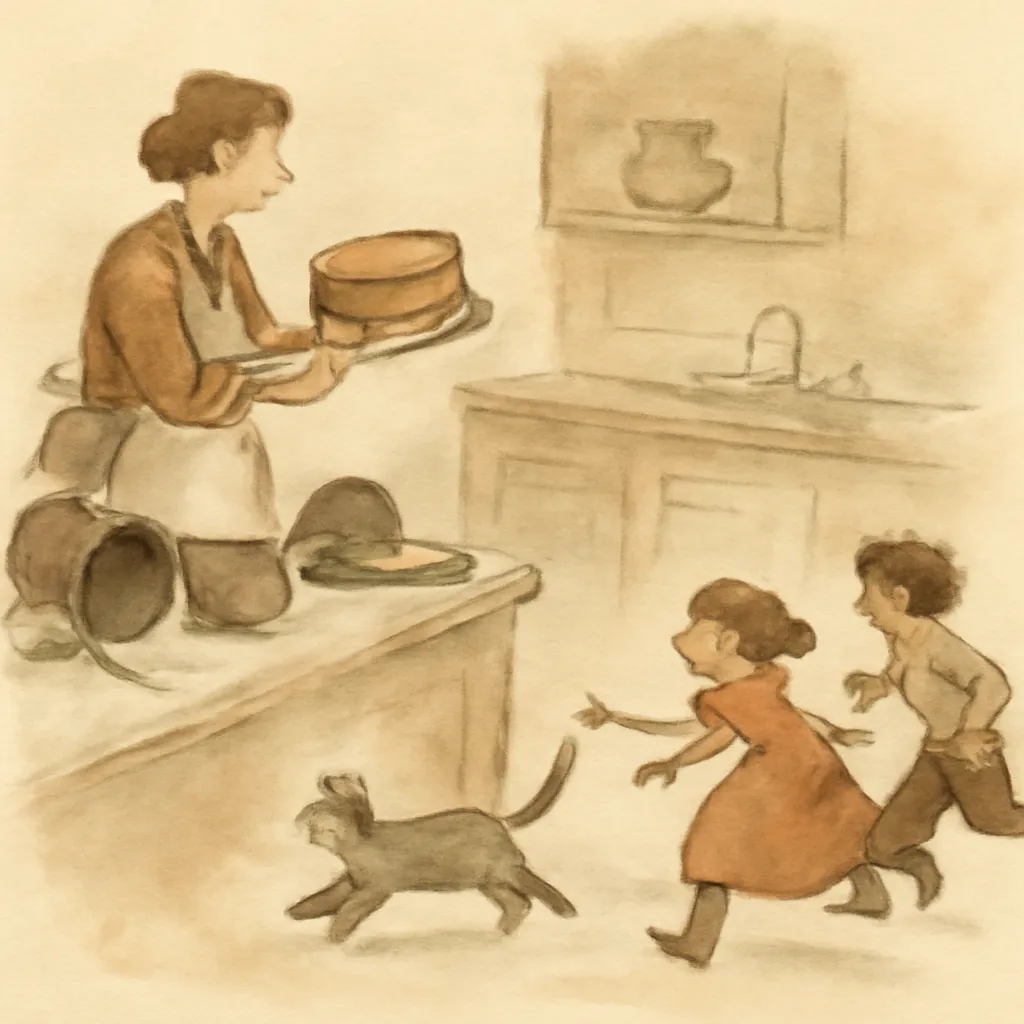
Throughout their escapades, humor serves as an essential coping mechanism for the Peterkin family. Their ability to laugh at their misfortunes helps them to handle the unpredictability of life with grace. For instance, during a particularly chaotic picnic preparation, the family faces a series of comical mishaps that would typically frustrate anyone; however, they manage to turn these moments into sources of laughter. This use of humor not only diffuses tension but also strengthens their bonds, as shared laughter fosters a sense of togetherness. The narrative illustrates that humor can be a balm for family conflicts and challenges, providing a way to navigate difficult situations with a lighter heart. Readers are encouraged to embrace humor in their own lives, recognizing that laughter can transform challenges into cherished memories.
7.Learning from Mistakes
The Peterkin family's many blunders illustrate the notion that mistakes are not merely failures, but valuable opportunities for growth and learning. Each story presents the family grappling with the consequences of their well-meaning but misguided decisions, such as their attempts to organize outings or prepare for special occasions. For example, their ill-fated picnic leads to humorous revelations and lessons about preparation and expectations. The narrative emphasizes that encountering setbacks can lead to greater wisdom and understanding, encouraging readers to view their own mistakes with compassion. By embracing the lessons learned from failure, the Peterkins embody resilience, showcasing the importance of reflection and adaptation in personal development.
8.Adaptability in the Face of Change
As the Peterkins transition to a new home, they encounter the challenges and opportunities that come with change. The move symbolizes a fresh start, filled with excitement and a degree of anxiety as they adapt to their new environment. This shift serves as an allegory for the broader human experience of dealing with change, illustrating that while change can be daunting, it also opens doors to new possibilities. The family’s gradual acclimatization to their new surroundings highlights the necessity of flexibility in navigating life’s transitions. Readers are reminded that embracing change can lead to personal growth, and that adapting to new circumstances is key to finding happiness in evolving situations.
9.Building Community Connections
The interactions the Peterkins have with their neighbors and the broader community highlight the significance of community support in family life. Their decision to seek guidance from the lady in Philadelphia is met with overwhelming enthusiasm from their neighbors, showcasing the value of communal involvement. This theme emphasizes that families do not exist in isolation; rather, they are part of a larger social fabric that can provide essential support and encouragement. The narrative paints a picture of a vibrant community where connections are fostered through shared experiences, suggesting that nurturing these relationships is vital for individual and collective well-being. Readers are encouraged to cultivate their own community ties, recognizing that strong relationships can enrich family life and enhance the joys of living.
10.Embracing Quirkiness and Individuality
One of the most delightful aspects of 'The Peterkin Papers' is the celebration of individuality within the family unit. Each member brings their own quirks and eccentricities to the table, creating a rich and vibrant family dynamic. From Mrs. Peterkin’s meticulous attention to social propriety to the children’s playful antics, the narrative highlights that it is these unique traits that contribute to the family’s charm. This emphasis on individuality encourages readers to embrace their own quirks and those of their loved ones, reinforcing the idea that these differences are what make family life colorful and memorable. The Peterkins serve as a reminder that it is through our quirks that we often find connection and joy, prompting readers to cherish their own family’s unique characteristics.