1.Philosophy as Everyday Inquiry
Law demonstrates that philosophy isn't just an academic pursuit but a way of thinking about everyday issues. By presenting dilemmas about God, ethics, and reality in familiar or imaginative settings, he shows that anyone can engage philosophically. The book encourages readers to question assumptions, spot contradictions, and see the hidden logic (or illogic) in what we take for granted. This approach demystifies philosophy and frames it as a toolkit for clearer, more independent thinking.
2.The Power of Thought Experiments
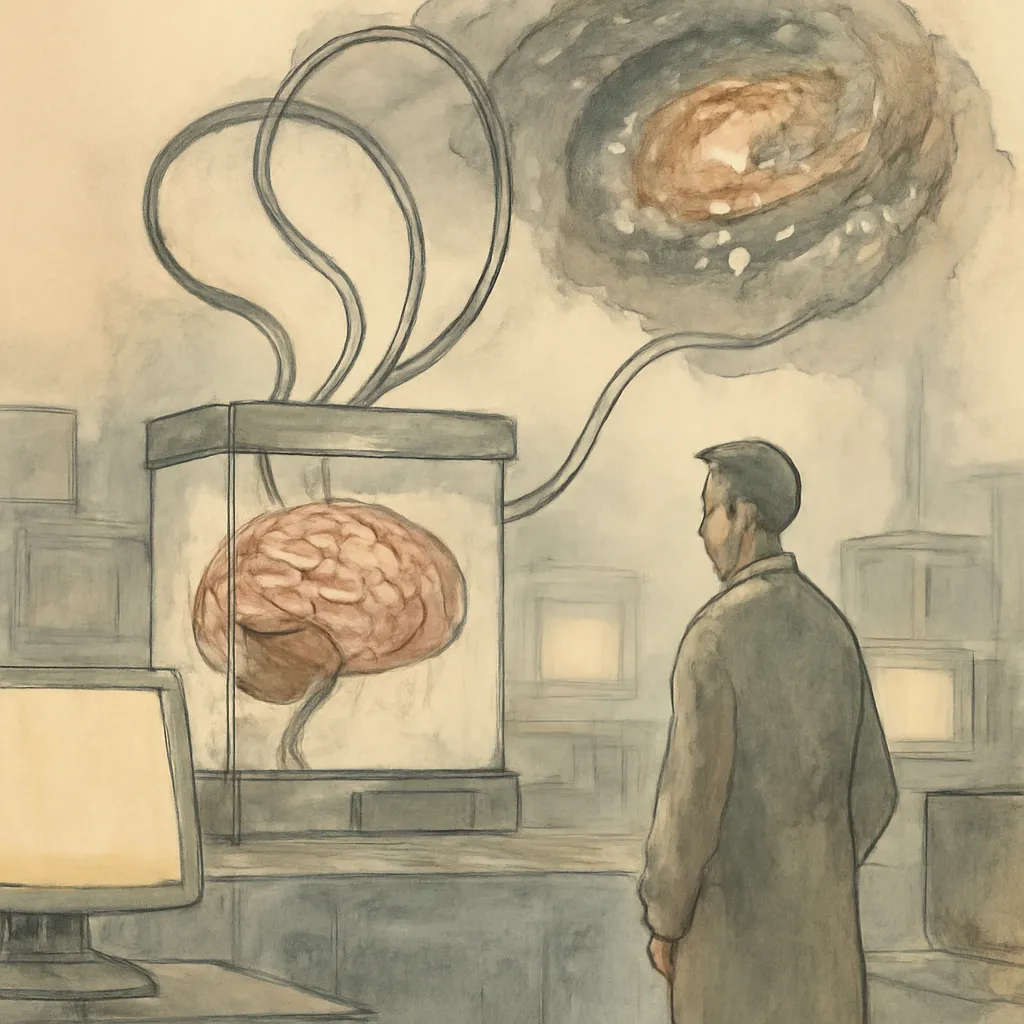
Central to the book are vivid thought experiments—stories and scenarios that help readers test their intuitions. From the classic 'brain in a vat' to futuristic ideas about cloning and robots, Law uses these mental exercises to show how our beliefs can be challenged or clarified. These experiments are not just abstract puzzles; they reveal how philosophical questioning underpins debates in science, technology, and personal identity.
3.Ethics and Moral Reasoning
Law tackles moral questions with accessible examples: Should we eat meat? Is it ever right to break the rules? By framing ethical debates in concrete, relatable terms, he invites readers to weigh arguments on both sides and see where their own reasoning leads. The book doesn't dictate answers but models how to think critically about right and wrong, helping readers develop their own moral compass.
4.Questioning Reality
The Philosophy Files explores classic puzzles about the nature of reality—how do we know the world is as it seems? Are we living in a simulation? Law introduces these questions not to confuse, but to sharpen our sense of what counts as evidence and how we justify our beliefs. This encourages skepticism, but also a healthy respect for the limits of what we can know.
5.The Existence of God and Big Metaphysical Questions
Law presents arguments for and against the existence of God, the origins of the universe, and the possibility of life after death. Rather than preach, he lays out the logic behind different positions, inviting readers to grapple with the strengths and weaknesses of each. This approach fosters open-mindedness and intellectual humility, showing that some questions remain genuinely open.
6.Philosophy and Science Fiction
By weaving in science fiction scenarios—like uploading minds to computers or meeting aliens—Law illustrates how philosophy anticipates and enriches our thinking about future possibilities. These stories make abstract issues feel urgent and relevant, showing that philosophy is not just about the past but about imagining what might come next.