1.Choosing the Right Route
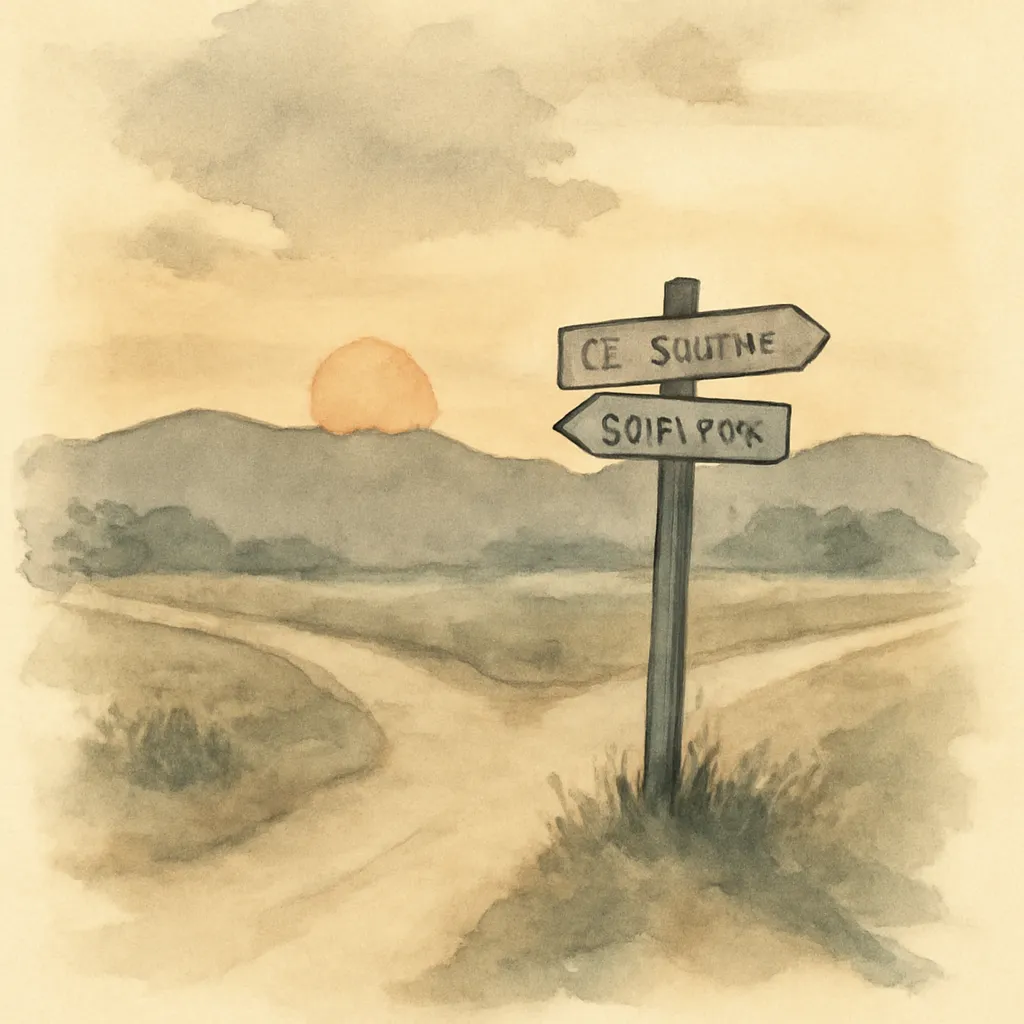
The journey to California and Oregon is not a straightforward path; rather, it encompasses several routes, each with distinct advantages and disadvantages. The choice of route should depend on the traveler's starting point, the time of year, and their destination on the Pacific coast. For example, those from the Northeastern states can reach any route's eastern terminus with relative ease, while those in the middle Western states might opt for a central route for efficiency. It's crucial to gather information from multiple sources, especially when considering recommendations from local agents or transportation companies, as their interests may not align with the traveler's best options. Each route may present unique challenges such as terrain, available resources, or seasonal weather conditions that could affect travel speed and safety. Ultimately, a judicious selection of route can significantly affect the expedition's success and comfort levels, making it imperative for travelers to conduct thorough research and align their choice with their capabilities and goals.
2.The Importance of Animal Care
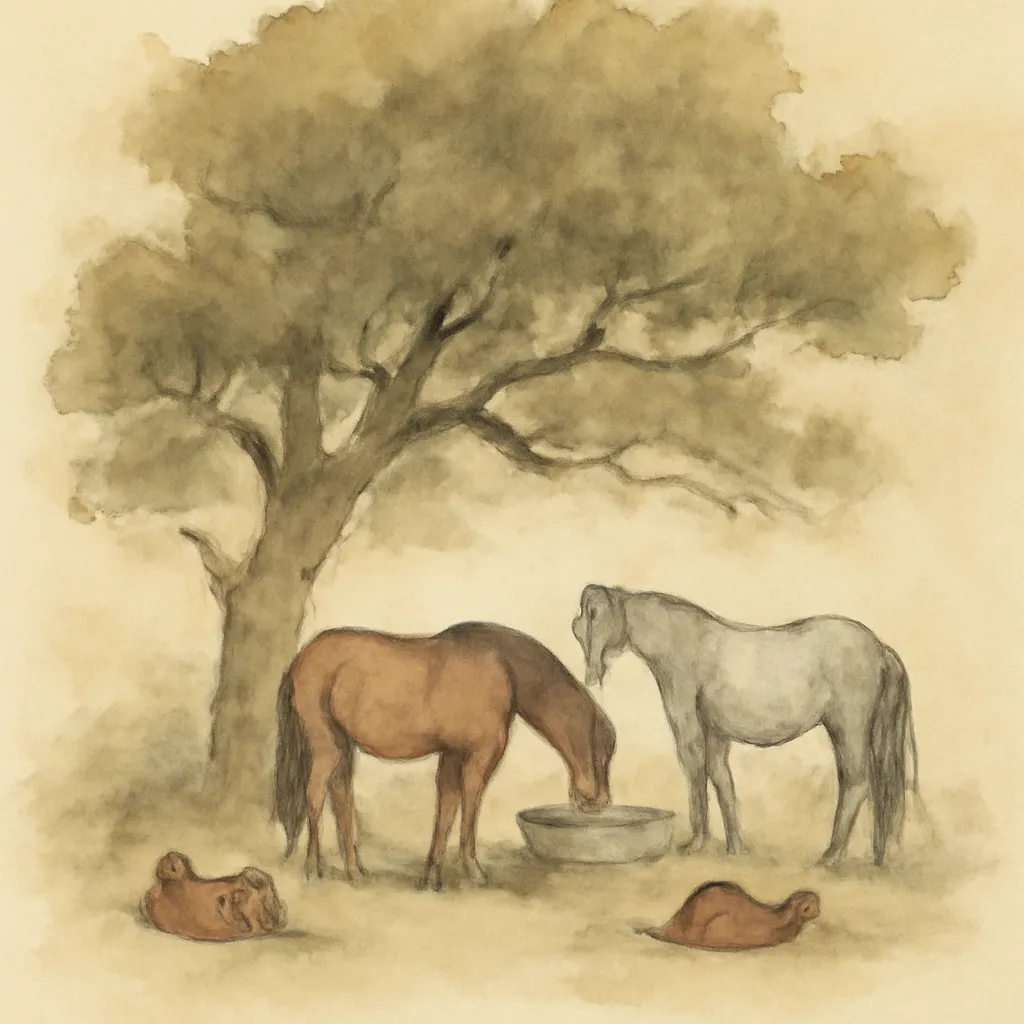
Marcy emphasizes that the success of any overland expedition hinges largely on the care and management of the animals involved. Overworking animals at the start can lead to exhaustion and failure, making it essential to ease them into the journey with gradual acclimatization. For instance, starting with short, manageable drives allows animals to build strength and adapt to the rigors of travel. Additionally, keeping a close watch on their health and well-being is paramount; drivers should avoid using whips and instead encourage a gentle pace. Proper hydration and nutrition are also critical, especially since the availability of grass and water diminishes as travelers move westward. Understanding the animals' behavior and physical needs can lead to more effective driving strategies. Those teamsters who make the least use of the whip invariably keep their animals in the best condition. This approach not only fosters a bond of trust between the animals and their handlers but also significantly enhances the overall expedition experience.
3.Packing and Equipment Essentials
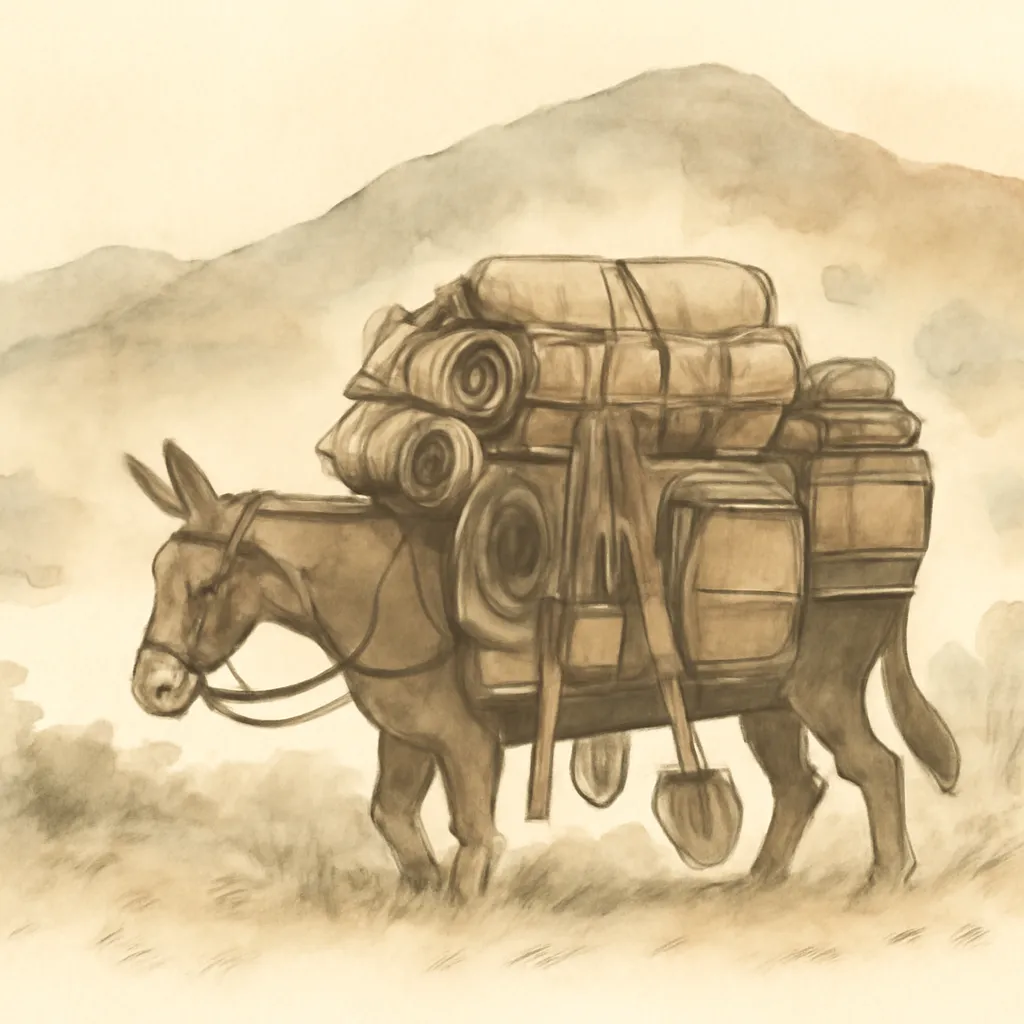
An efficient packing strategy is vital for successful overland travel, as it directly impacts the comfort and mobility of the expedition. Marcy details the importance of selecting the right equipment, such as pack saddles, which can either enhance or hinder the animals' performance. Various styles of saddles exist, but the best ones are designed to fit the animal's back without causing injury. For example, the Mexican method of saddle packing is highlighted for its effectiveness, allowing for better weight distribution and comfort. Additionally, packing must be done thoughtfully to ensure balance and stability, taking care to avoid overloading the animals. The organization of supplies should consider weight distribution and accessibility, with essential items readily available while on the move. Regular checks and adjustments are necessary to prevent injuries and maintain the animals' stamina. Understanding the nuances of packing not only aids in efficient travel but also reflects the traveler's preparedness and attentiveness to their animals.
4.Navigating Challenges on the Trail
Traveling across the plains presents numerous challenges, from rough terrain to unpredictable weather. Marcy advises on the importance of being prepared for various accidents that can occur, such as broken wagons or difficulties in fording rivers. For instance, keeping tools and materials handy for quick repairs can prevent prolonged delays and ensure the journey continues smoothly. Techniques like using poles to support broken axles or securing loose wheels with rawhide can be lifesavers on the trail. Additionally, understanding the environment—such as recognizing quicksand or preparing for sudden storms—is crucial for safety. The key to successful navigation lies in preparation and flexibility; being able to adapt to changing conditions is essential for survival. By anticipating challenges and having strategies in place, travelers can navigate the trail with confidence and resilience, effectively minimizing potential setbacks.
5.The Art of Bivouacking

When traveling with pack animals, the ability to create a comfortable shelter is essential, particularly when tents are impractical. Marcy outlines various methods for bivouacking, which can range from simple arrangements using natural materials to more elaborate setups depending on the environment. An experienced traveler can quickly assess their surroundings and utilize available resources to construct a secure shelter that protects against wind and rain. For example, planting upright poles and draping materials over them can create a makeshift tent. Marcy emphasizes that in the absence of commercial camping gear, ingenuity becomes a valuable asset in the wilderness. The key is to be resourceful and adaptable to ensure comfort and safety during overnight stays. Understanding the principles of bivouacking not only enhances the travel experience but also fosters a deeper connection with the natural world, as travelers learn to rely on their instincts and surroundings.
6.Water: The Lifeblood of the Journey
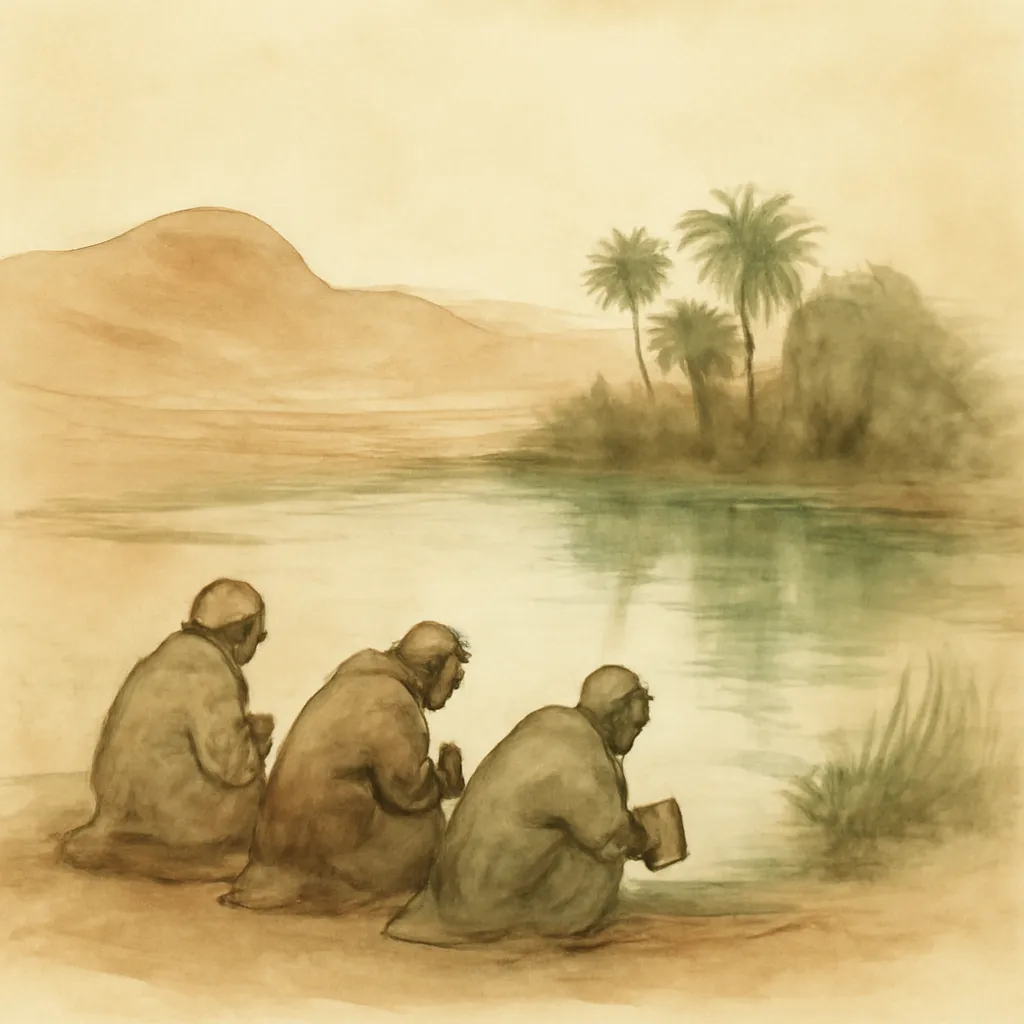
Access to clean water is critical during overland expeditions, and Marcy provides detailed insights into locating and purifying water sources. Travelers must learn to identify potential water sources and understand the methods for ensuring its safety for consumption. Techniques such as boiling water or using filtration systems can prevent illness caused by contaminated water. The significance of planning water stops cannot be overstated, especially when traversing areas where water is scarce; long stretches without water can lead to dire consequences for both travelers and animals. Additionally, travelers should be prepared for dry stretches by carrying sufficient water supplies and understanding the signs that indicate nearby water sources, such as vegetation changes. Mastering the skills related to water management is essential for survival and maintaining the health of both the travelers and their animals, reinforcing the idea that water is truly the lifeblood of any expedition.
7.Understanding Prairie Tribes and Their Tactics
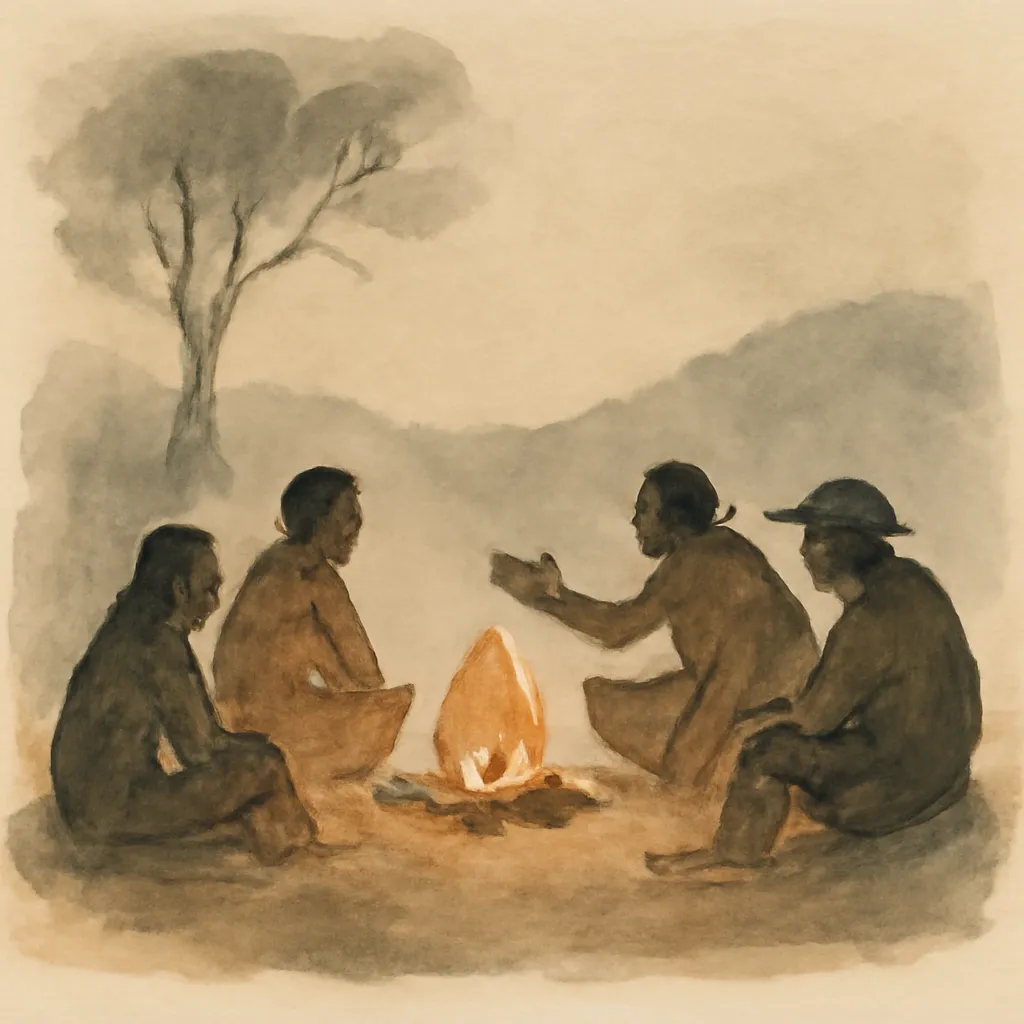
The relationship between travelers and Native American tribes is a crucial aspect of the overland journey. Marcy highlights the importance of securing knowledgeable guides, particularly from tribes like the Delawares and Shawnees, who possess invaluable skills in navigation and survival. These guides are adept in woodcraft and can assist travelers in understanding the terrain, locating resources, and avoiding dangers. Their expertise is unmatched, as they are familiar with the land and can determine routes through instinct and practice. Additionally, the cultural similarities between prairie tribes and other nomadic peoples, such as the Arabs, reveal insights into their methods of warfare and communication. Learning from these indigenous peoples not only enhances the traveler's experience but also fosters mutual respect and understanding. By appreciating the skills and knowledge of Native American tribes, travelers can navigate the landscape more effectively and safely, while acknowledging the deep-rooted connection these communities have with the land.
8.Hunting: A Survival Skill
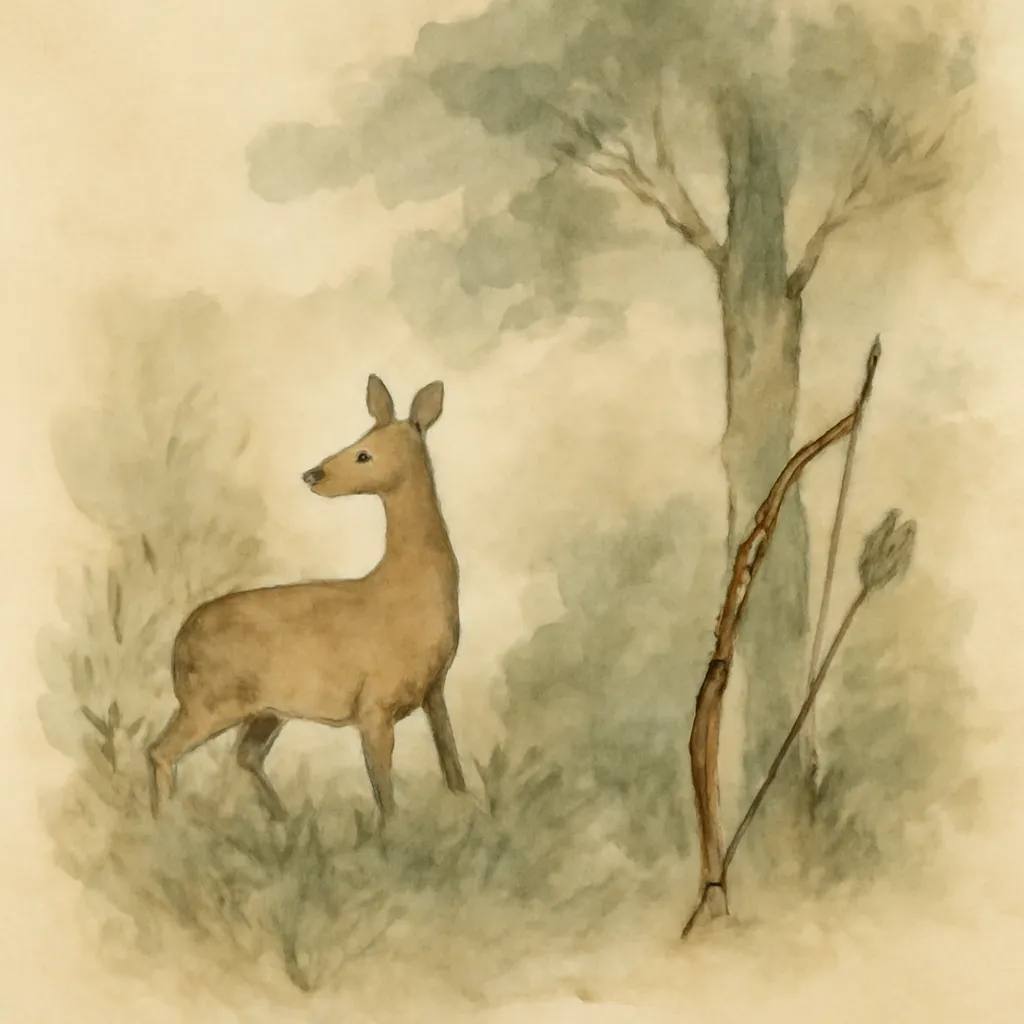
Hunting serves as both a means of sustenance and a valuable skill for those traveling across the plains. Marcy argues that honing hunting skills can significantly benefit soldiers and travelers alike, providing food and practice in marksmanship. The ability to hunt game such as buffalo, deer, and antelope can supplement dwindling supplies, making it a crucial skill for long journeys. Successful hunters learn to be patient, observant, and skilled with their firearms, which translates into greater confidence and competence in various situations. Marcy suggests that engaging in hunting also fosters a sense of camaraderie among team members, enhancing teamwork and collaboration during the expedition. In addition, hunting can serve as a practical training ground for soldiers, as skills acquired in the field can translate to better performance in combat. By embracing hunting as a core skill, travelers can enhance their chances of survival and enrich their journey across the wilderness.
9.The Role of Leadership in Expeditions

Effective leadership is paramount in managing an overland expedition, and Marcy discusses the importance of organizing companies and electing capable captains. A strong leader can instill confidence, ensure adherence to plans, and maintain morale among the group. The dynamics of leadership also involve making critical decisions regarding route selection, resource allocation, and conflict resolution. Leaders should be attentive to the needs and capabilities of their team members, fostering an environment of collaboration and support. Marcy notes that good leaders are not only decisive but also adaptable, as they must adjust plans in response to changing conditions. By cultivating strong leadership skills, travelers can navigate challenges more effectively and ensure a cohesive, successful journey. The lessons of leadership extend beyond the trail, offering insights applicable in various areas of life and work, reinforcing the idea that effective leadership is indispensable in any collaborative effort.
10.The Importance of Sanitary Practices
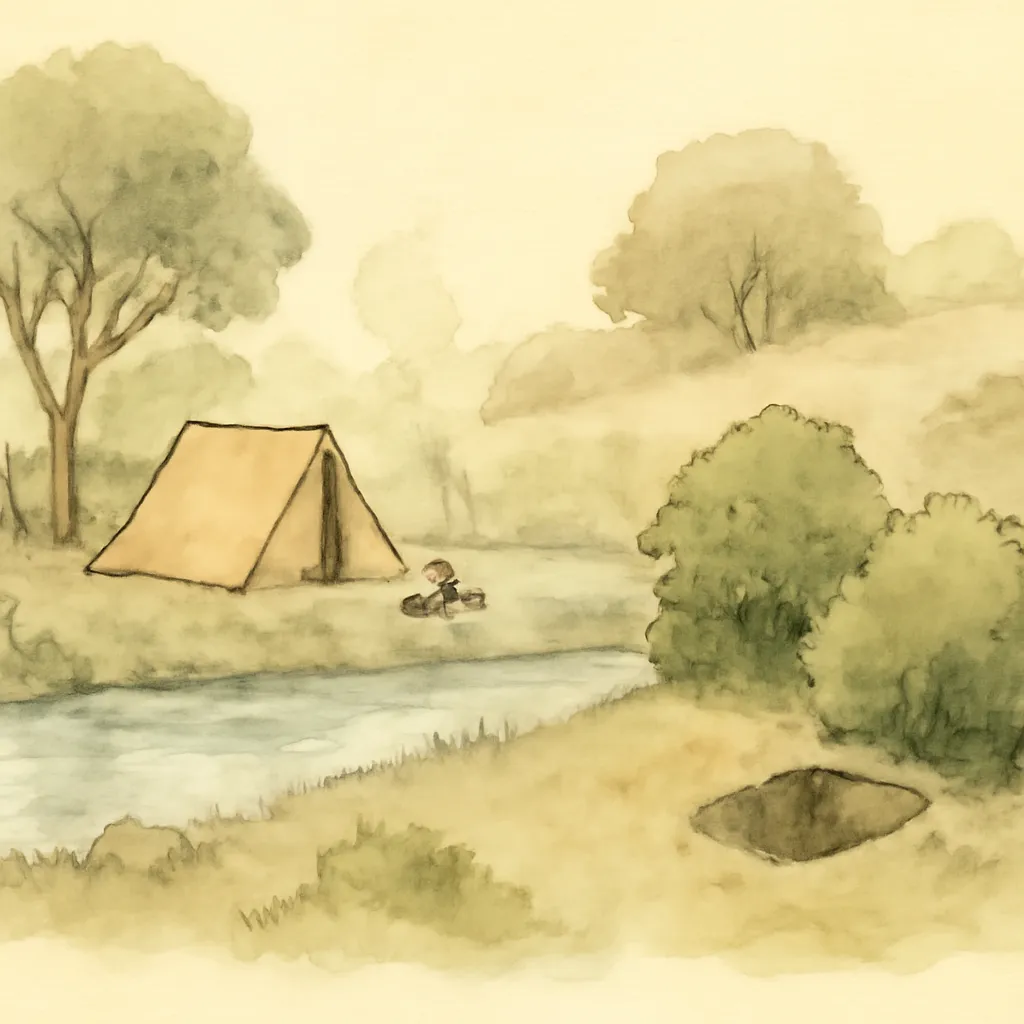
Maintaining sanitary conditions while on the trail is essential for the health and safety of all involved in the expedition. Marcy highlights the importance of selecting appropriate camp locations to minimize the risk of disease. This includes managing waste properly, ensuring clean water sources, and protecting food supplies from contamination. Understanding environmental factors that contribute to illness can help travelers make informed decisions about their camp sites and daily routines. For example, avoiding stagnant water sources and ensuring proper waste disposal can significantly reduce the risk of illness. By prioritizing hygiene and sanitation, travelers can reduce the likelihood of illness and enhance the overall experience of the journey. These practices not only protect individual health but also contribute to the well-being of the entire group, reinforcing the idea that every member plays a role in maintaining a healthy traveling environment.