1.Satire and Homage to Fairy Tales
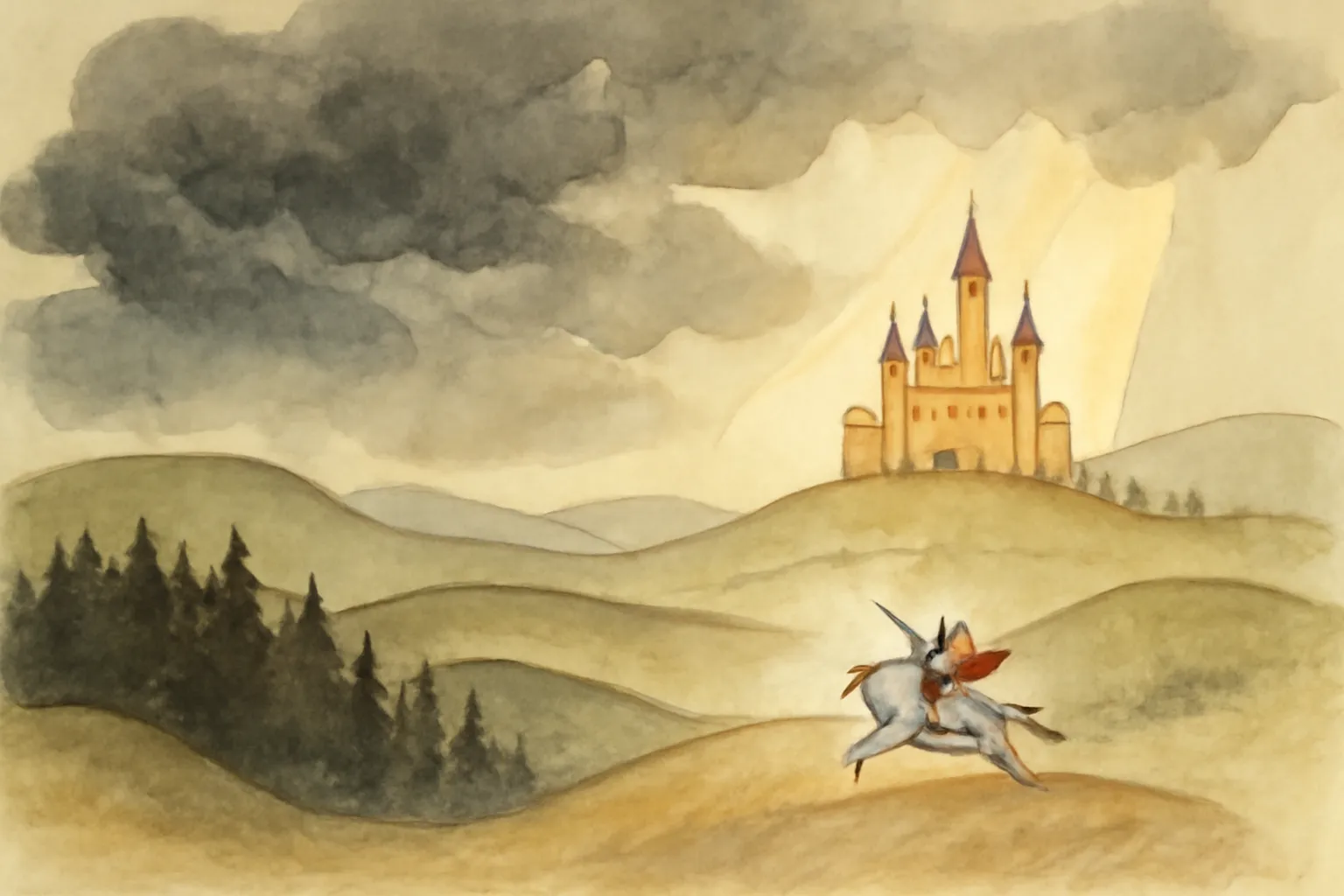
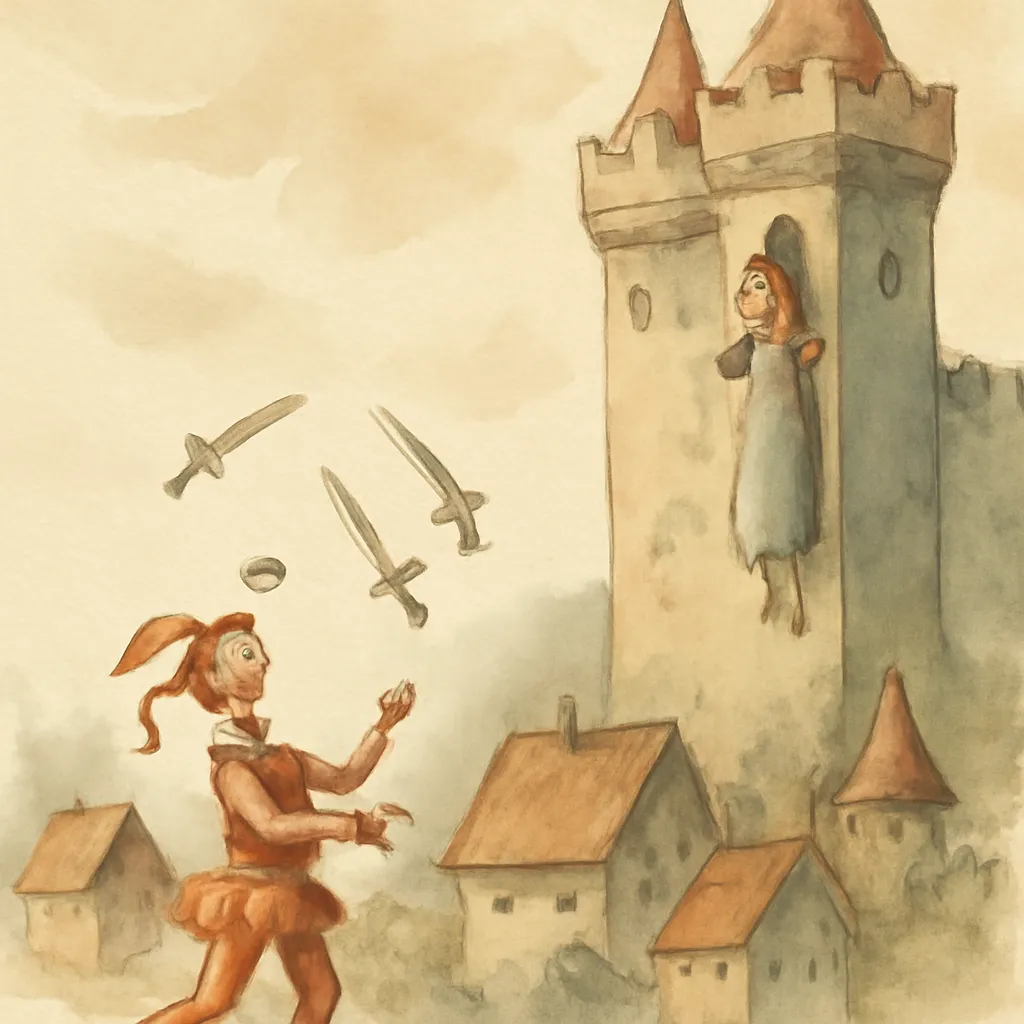
Goldman crafts The Princess Bride as both a loving tribute to classic fairy tales and a sharp satire of their conventions. The story is filled with familiar tropes—damsels in distress, daring rescues, evil princes—but they are constantly subverted or exaggerated for comic effect. This dual approach invites readers to enjoy the pleasures of the genre while also questioning its clichés, making the book accessible to both fans of traditional adventure stories and those who enjoy seeing them turned on their head.
2.Storytelling as a Central Theme
The novel is famously presented as an 'abridged' version of a fictional older work, with Goldman inserting himself as the editor. This metafictional device draws attention to the act of storytelling itself—what gets included, what is left out, and why stories endure. The interruptions and commentary add humor but also encourage readers to think about how narratives shape our understanding of love, heroism, and history.
3.True Love and Its Trials
At its heart, The Princess Bride is a love story, but not a simple one. Westley and Buttercup’s devotion is tested by separation, death, and countless obstacles. The book explores the idea that 'true love' is both rare and worth fighting for, but it also mocks the overblown sentimentality often found in romance. The result is a portrayal of love that is both earnest and self-aware, making it resonate with both romantics and skeptics.
4.Revenge and Redemption
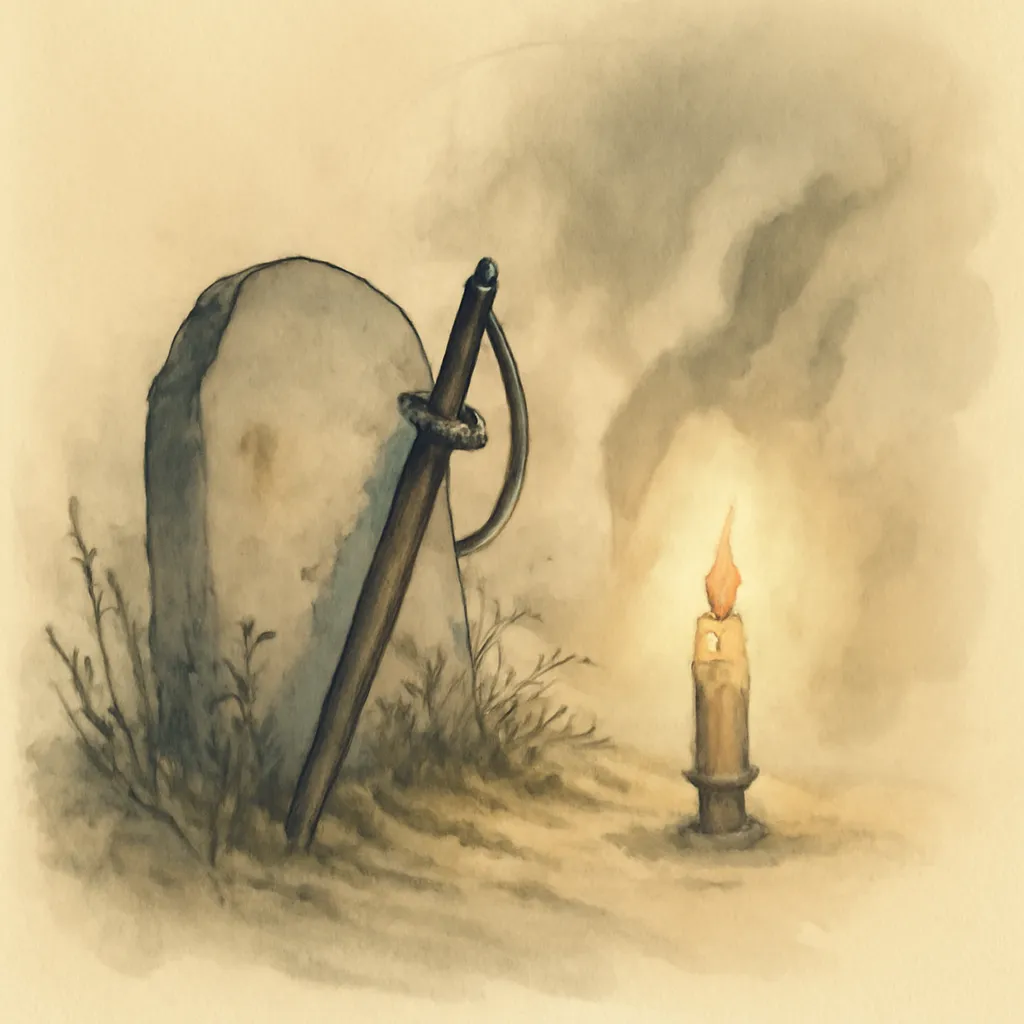
Inigo Montoya’s quest to avenge his father’s murder provides one of the novel’s most compelling emotional arcs. His journey is both a classic revenge plot and an exploration of what happens when vengeance becomes one’s sole purpose. Through Inigo, the book examines the costs and limits of revenge, ultimately suggesting that healing and redemption are possible—even for those consumed by the past.
5.The Power and Limits of Wit
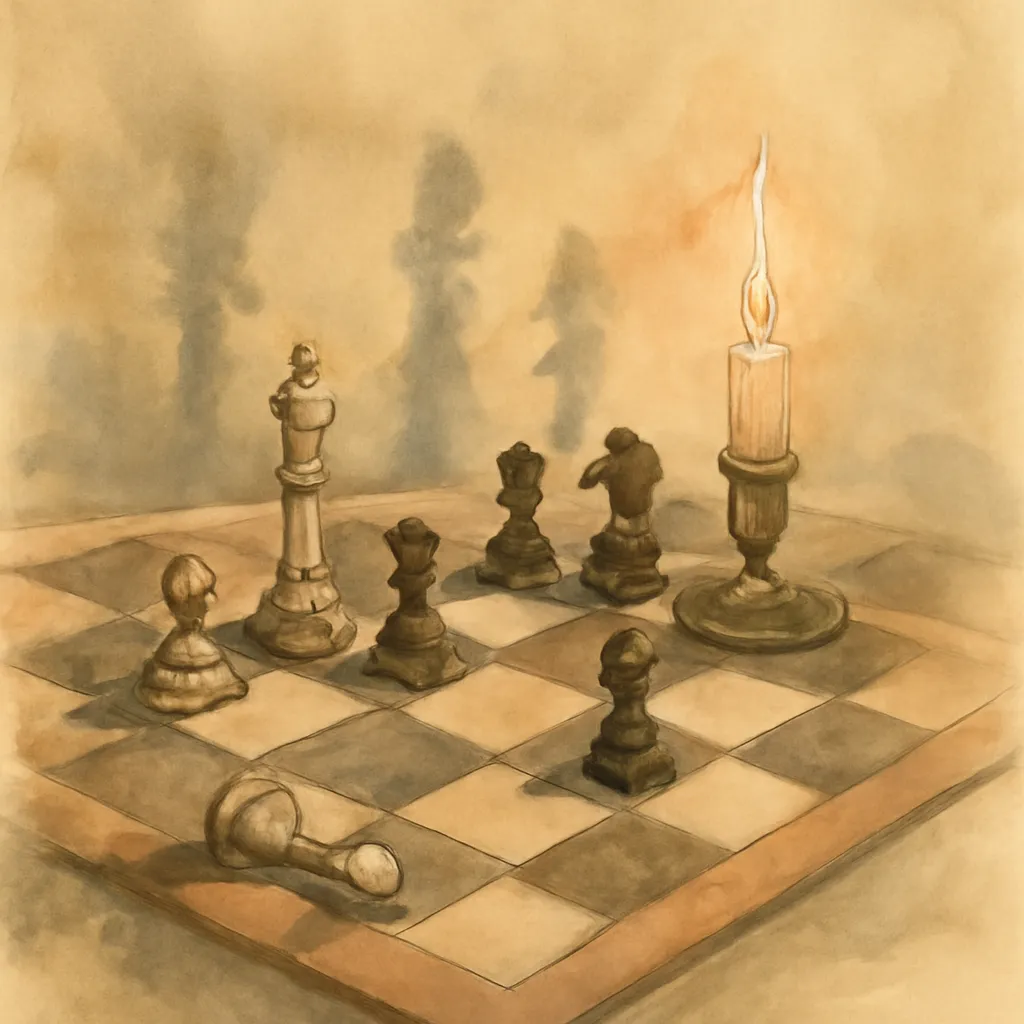
The Princess Bride is renowned for its sharp dialogue and clever banter. Characters like Vizzini and Westley rely on intellect as much as swordplay, and many of the story’s pivotal moments are resolved through quick thinking rather than brute force. Yet, the book also shows that wit alone cannot solve everything—courage, loyalty, and love are equally vital.
6.Subverting Expectations
Goldman delights in upending reader expectations, whether by killing off a hero, mocking narrative conventions, or providing a famously ambiguous ending. This keeps the story unpredictable and fresh, inviting readers to question what they want from a happy ending and whether such an ending is ever truly possible.