1.History as Personal Crisis
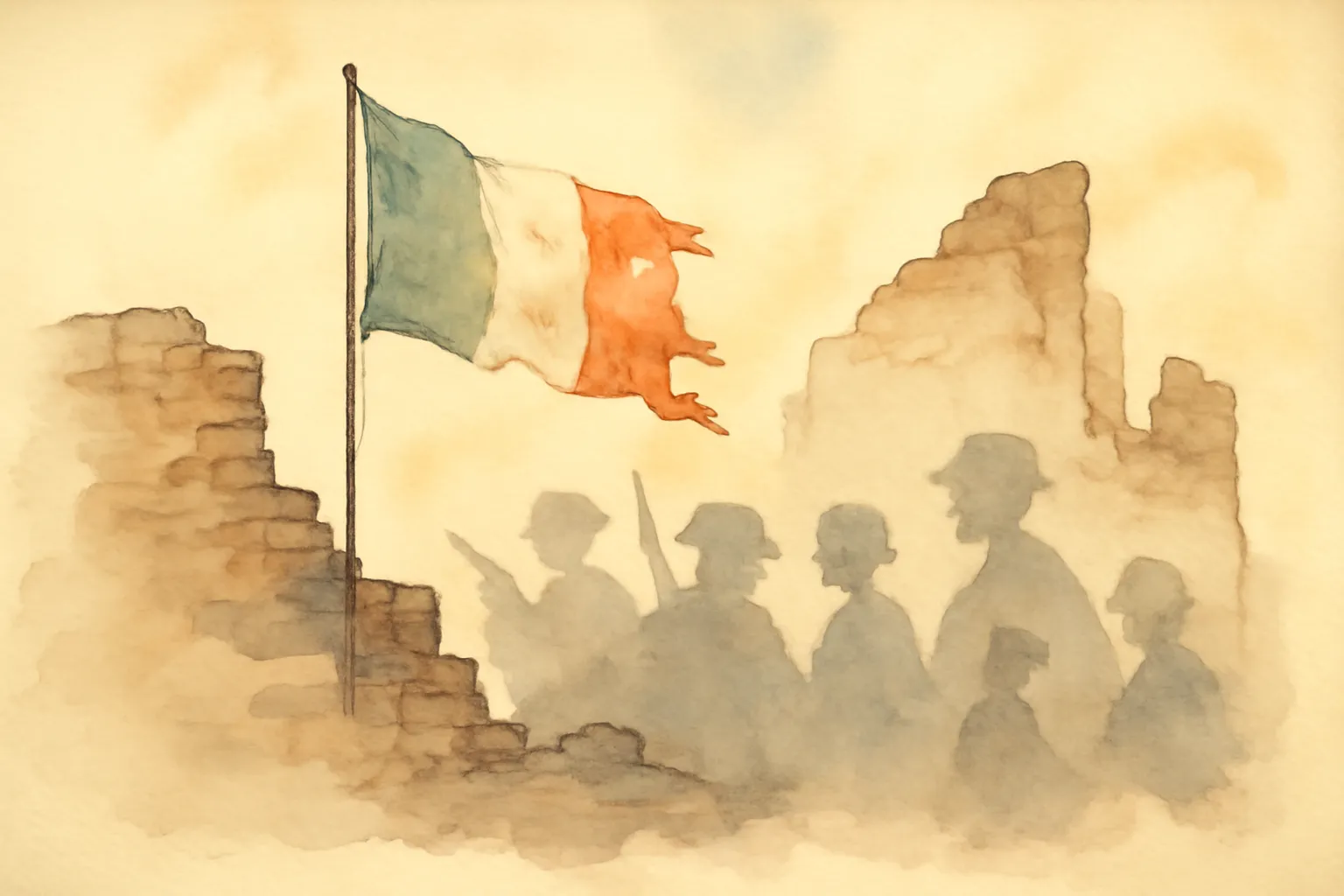
Murdoch situates the Easter Rising not as a distant historical event, but as a catalyst for intimate upheaval within a single Anglo-Irish family. The novel’s characters are forced to confront their own allegiances, prejudices, and desires as the political conflict outside mirrors and intensifies their private dilemmas. The result is a narrative where history is never abstract, but always filtered through the anxieties, confusions, and moral struggles of individuals.
2.Ambiguity of Motives
A hallmark of Murdoch’s fiction is her refusal to simplify human motivation. In The Red and the Green, characters’ political and personal choices are rarely clear-cut. The lines between patriotism, self-interest, and familial loyalty blur, revealing how ideology can be tangled with personal longing, resentment, or guilt. This ambiguity invites readers to question the purity of both revolutionary fervor and familial devotion.
3.Religion and Identity
The novel is steeped in the religious divisions of early 20th-century Ireland, particularly the tensions between Catholicism and Protestantism. These divisions shape the characters’ sense of self and their relations to each other, often in ways they themselves only dimly understand. Murdoch probes how inherited faith, doubt, and sectarianism can both bind and estrange people, complicating their attempts at love and understanding.
4.Sexuality and Repression
Sexual undercurrents and frustrations run through the novel, often paralleling the political tensions of the time. Murdoch explores how sexual desire, shame, and repression influence the characters’ actions, sometimes erupting in ways that destabilize both personal and political relationships. The interplay between sexual and political liberation is a subtle but persistent theme.
5.Irony and Tragedy
Murdoch’s tone is laced with irony, as she exposes both the idealism and the absurdity of her characters’ actions. The tragic consequences of the Rising are foreshadowed by the inability of individuals to communicate or truly understand one another. The novel suggests that both history and personal life are shaped as much by misunderstanding and accident as by conscious choice.
6.The Limits of Action
Many characters in The Red and the Green are paralyzed by indecision or swept along by events they cannot control. Murdoch interrogates the limits of individual agency in the face of historical forces, suggesting that both action and inaction can have unintended, often tragic, consequences. The novel thus questions the possibility of moral clarity or effective intervention in a world of competing claims and uncertainties.