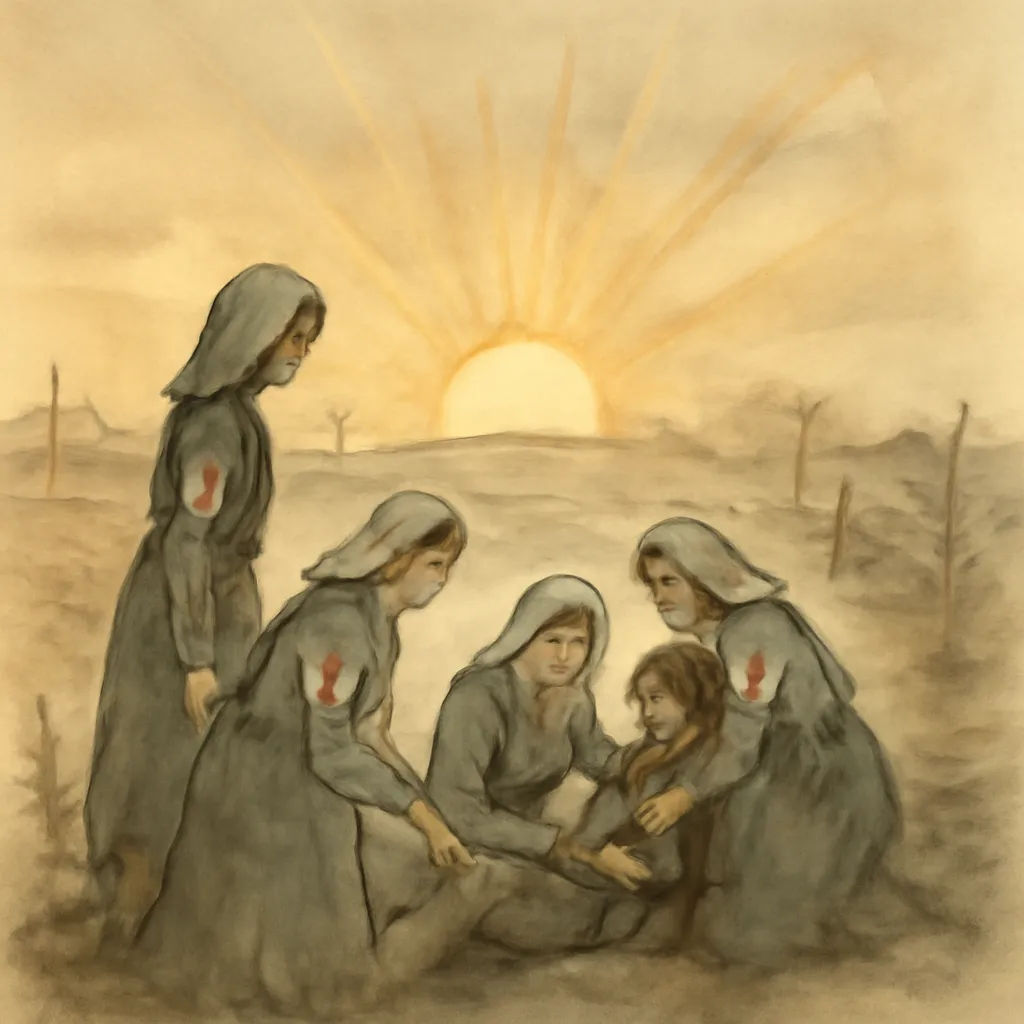
1.The Haunting Call of Duty
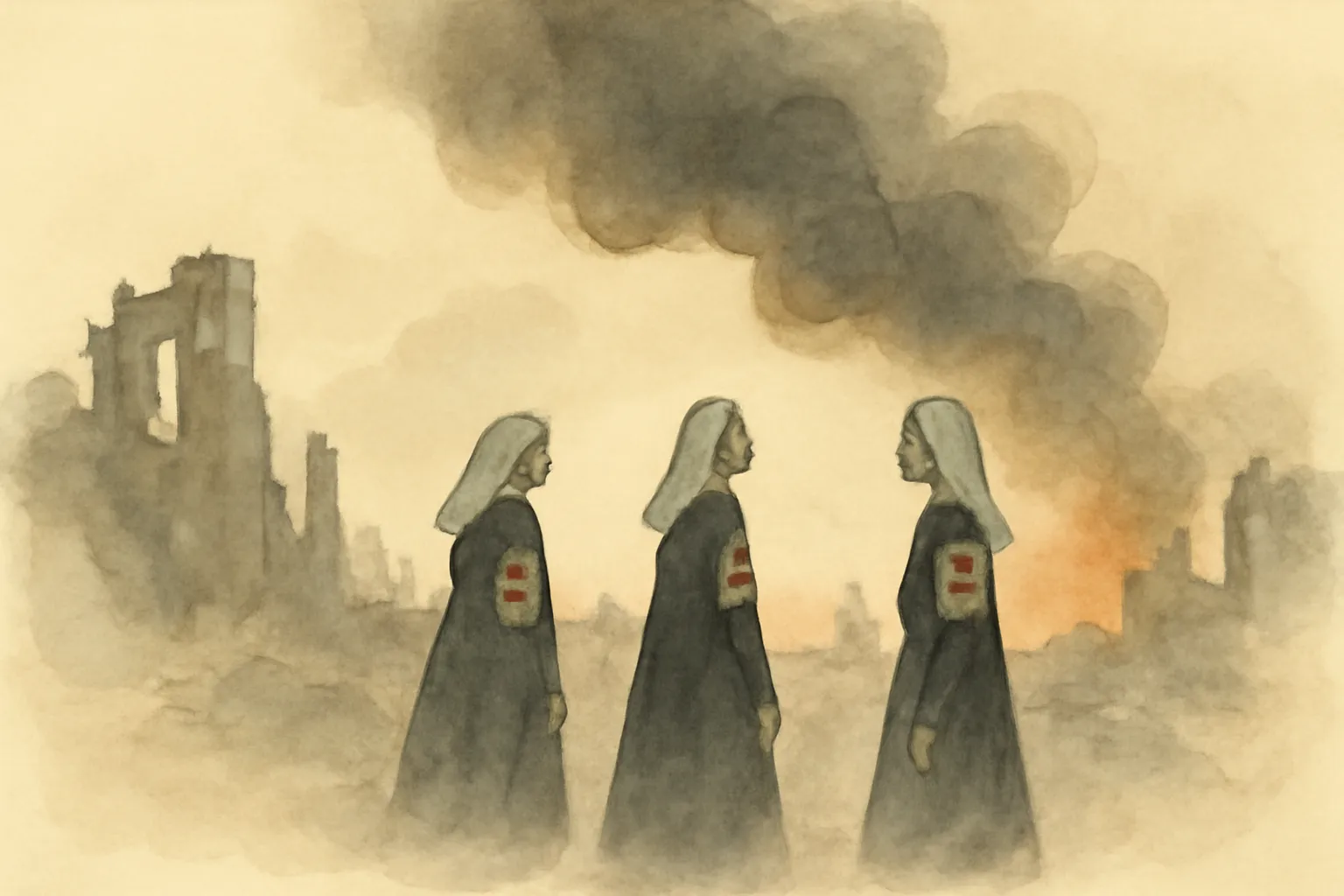
Eugenia's journey begins in a haunted house in Belgium, where she is drawn to the plight of children suffering from the war. Her determination to help those in need reflects the strong sense of duty that drives the Red Cross girls. This haunting environment symbolizes both the physical and emotional toll of war, as the girls grapple with their responsibilities amidst the chaos. Eugenia's choice to care for a Belgian officer's family showcases the personal sacrifices made for the greater good, illustrating the theme of selflessness that permeates the narrative. The emotional weight of their experiences is further amplified by the contrasting backdrop of war-torn Europe, where hope and despair coexist. Through her story, Vandercook emphasizes the moral imperative to act in the face of suffering, setting the stage for the girls' subsequent adventures in Russia.
2.Cultural Displacement and Adaptation
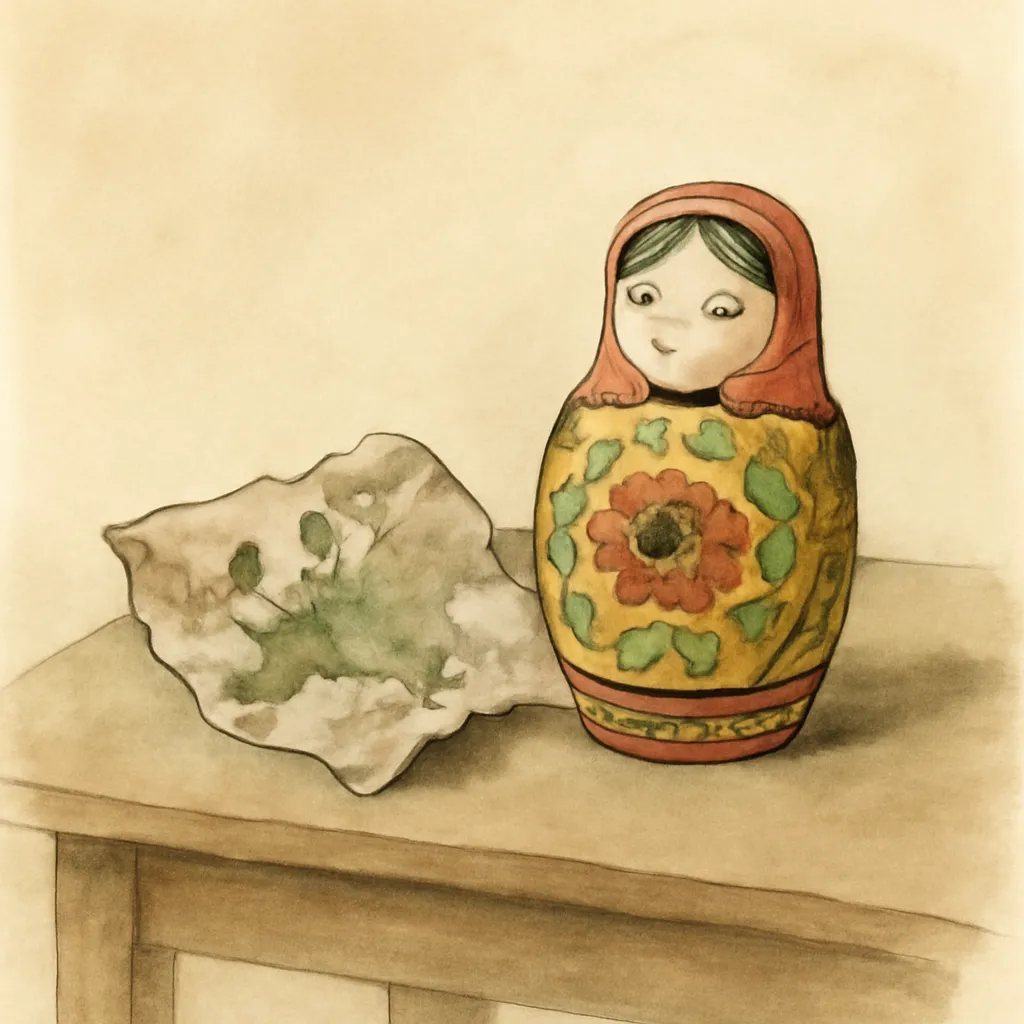
As the Red Cross girls arrive in Russia, they are confronted with a culture that is both foreign and fascinating. Mildred, in particular, reflects on her previous travels and realizes that her experiences in Europe do not fully prepare her for the unique challenges of Russian society. The stark differences in customs, language, and social norms create a sense of cultural displacement that each girl must navigate. They find themselves in a world where the ordinary rules of engagement are altered by the realities of war. This cultural clash is poignantly illustrated through their interactions with Russian soldiers and civilians, who embody the complexities of a nation under siege. Vandercook uses these encounters to explore themes of empathy and understanding, highlighting how the girls' willingness to learn and adapt is crucial to their effectiveness as nurses. The narrative underscores the importance of cultural sensitivity in humanitarian efforts, as the girls strive to bridge the gap between their backgrounds and the needs of those they serve.
3.The Weight of Illness and Suffering
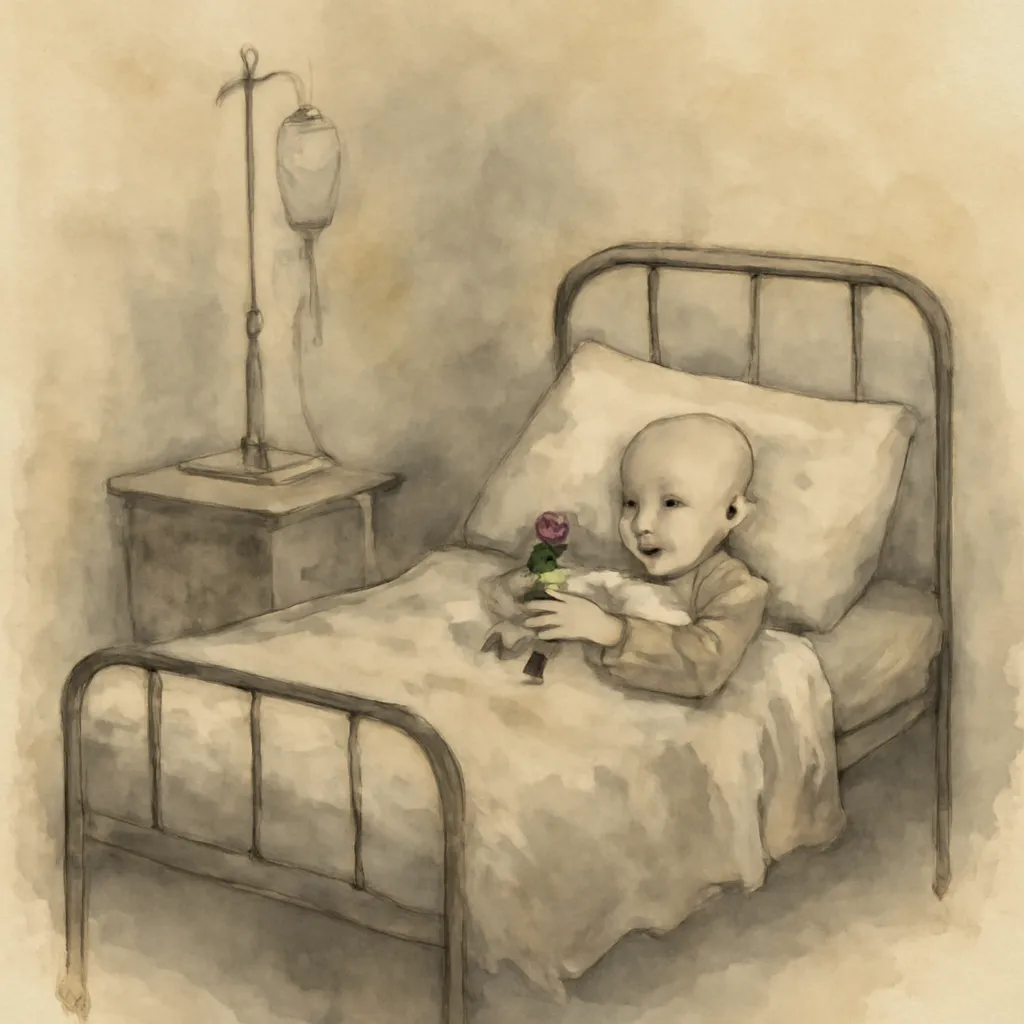
The girls' experiences in the Russian hospital reveal the harsh realities of illness and the toll it takes on both patients and caregivers. Mildred's encounter with a dying Russian boy exemplifies the emotional burden that nurses carry as they confront the limits of their abilities to save lives. The hospital environment is depicted as a place of both hope and despair, where the girls must grapple with the overwhelming number of wounded soldiers and the limited resources available to them. Vandercook poignantly captures the atmosphere of the hospital, illustrating how the nurses' dedication and compassion are tested daily. The narrative also highlights the physical and psychological toll of nursing in such dire conditions, as the girls wrestle with their own fears and vulnerabilities. This exploration of suffering serves as a reminder of the human cost of war and the profound impact it has on those who dedicate their lives to alleviating pain.
4.Friendship Forged in Adversity
Amidst the chaos of war, the bond between the Red Cross girls deepens, showcasing the power of friendship in times of crisis. As they navigate the challenges of nursing and the emotional toll of their work, their shared experiences create a sense of solidarity that sustains them. Nona's determination to support Sonya Valesky, despite the risks involved, exemplifies the lengths to which friends will go for one another. The girls' interactions are marked by moments of vulnerability, laughter, and mutual support, illustrating how their friendships become a source of strength. Vandercook emphasizes that it is not only the external challenges they face but also their internal struggles that test their relationships. The narrative highlights the importance of camaraderie in overcoming adversity, reinforcing the idea that true friendship can endure even the most harrowing circumstances.
5.The Role of Women in War
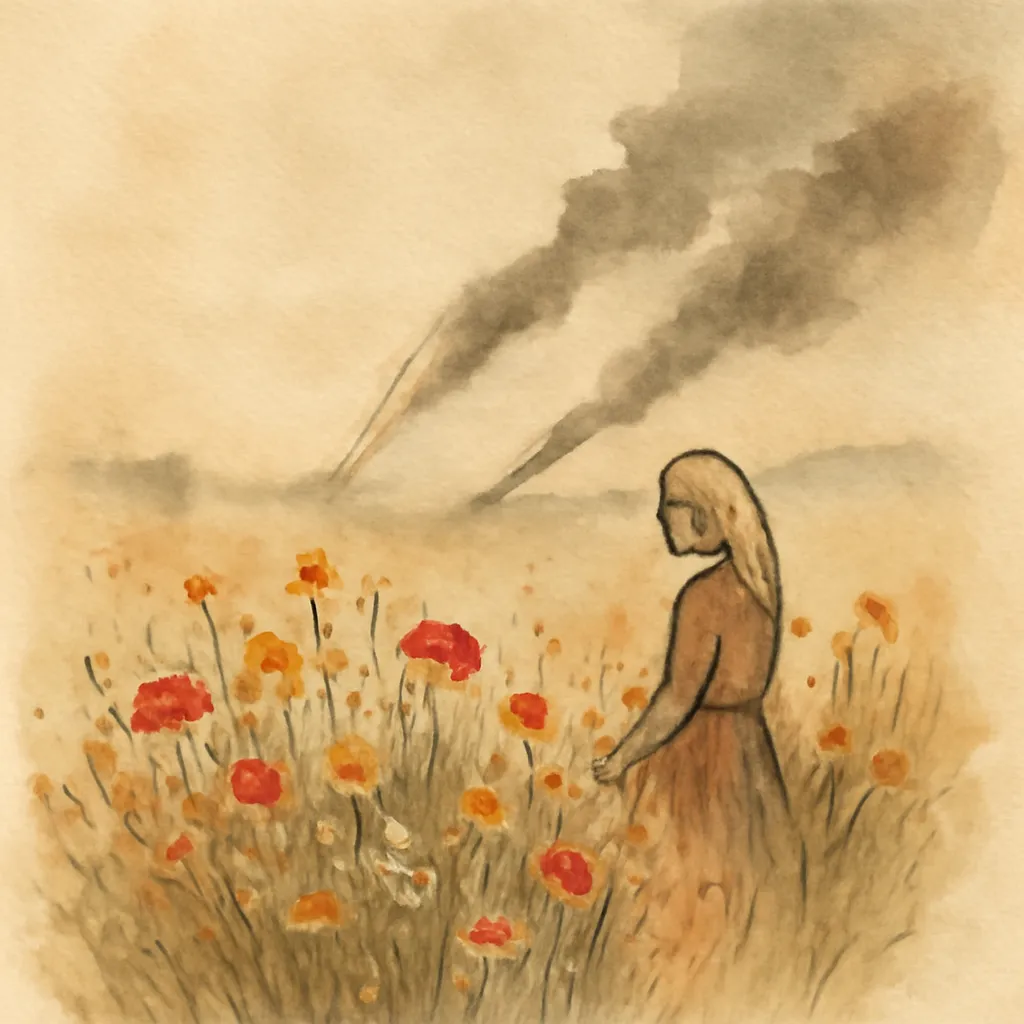
Vandercook's narrative sheds light on the essential role women played during World War I, particularly in the context of the Red Cross. The girls' contributions as nurses not only challenge traditional gender roles but also underscore the significance of women's involvement in humanitarian efforts. Their work is depicted as vital to the war effort, as they provide care and comfort to wounded soldiers while navigating the complexities of a male-dominated military environment. The story illustrates how the girls' determination to make a difference is both empowering and transformative, as they assert their agency in a world that often seeks to marginalize them. The narrative serves as a tribute to the countless women who served in various capacities during the war, highlighting their resilience and commitment to the cause of peace. Vandercook's portrayal of these characters reflects a broader societal shift, as women began to redefine their roles in the face of global conflict.
6.The Dangers of Political Intrigue
As the story unfolds, the girls encounter the dangerous world of political intrigue that permeates their surroundings. Nona’s interactions with Sonya Valesky reveal the complexities of loyalty and betrayal in a time of war. Sonya's arrest for treason exemplifies the precariousness of life in Russia, where political allegiances can shift rapidly, and individuals are often caught in the crossfire. The narrative highlights the girls' naivety as they navigate these treacherous waters, emphasizing the consequences of their actions and the broader implications of war on personal relationships. Vandercook effectively uses these themes to illustrate the fragility of trust and the impact of political machinations on everyday lives. The girls' experiences serve as a reminder of the often unseen forces that shape the course of history and the lives of individuals caught in its wake.
7.The Search for Identity
The Red Cross girls' journey in Russia becomes a quest for identity as they confront their roles within the war and their personal aspirations. Each girl grapples with her sense of self in the context of their humanitarian mission, balancing their desires for personal fulfillment with the demands of their duties. Nona's determination to help Sonya reflects her internal struggle as she seeks to define her purpose beyond the confines of her nursing role. The narrative explores how the girls' experiences in a foreign land challenge their preconceived notions of identity and belonging. Vandercook illustrates that in times of crisis, individuals often discover new facets of themselves, leading to personal growth and transformation. This exploration of identity resonates with readers, as it speaks to the universal search for meaning in the face of adversity.
8.The Impact of War on Society
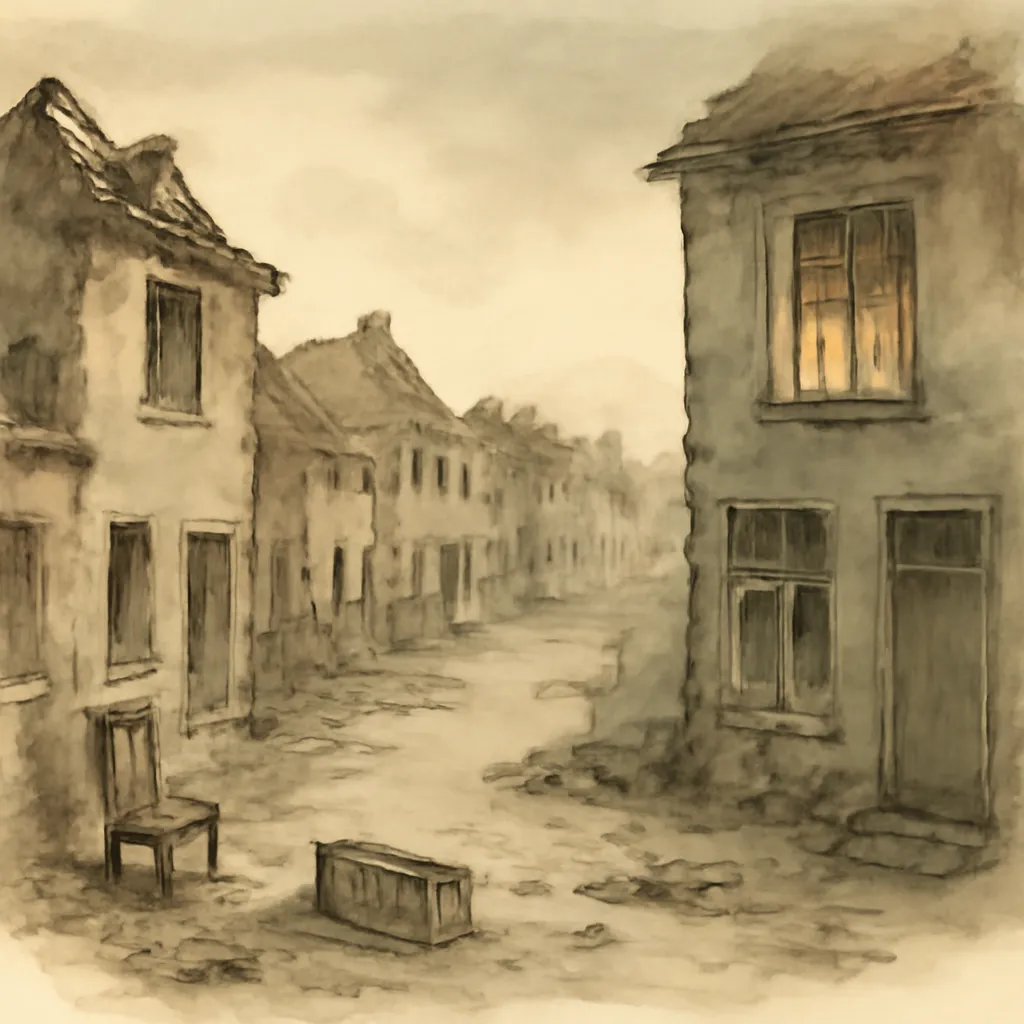
Vandercook's narrative captures the broader societal impact of war, revealing how it reshapes communities and alters the fabric of everyday life. The girls witness firsthand the devastation wrought by conflict, from the destruction of homes to the displacement of families. Their experiences in the Russian hospital provide insight into the ripple effects of war on civilian populations, highlighting the urgent need for humanitarian aid. The narrative serves as a poignant reminder of the interconnectedness of individuals and communities, as the girls' efforts to provide care reflect a larger commitment to rebuilding society. Vandercook effectively illustrates that war is not just a series of battles fought on distant fields; it is a deeply personal experience that affects everyone, regardless of nationality. This exploration of the social consequences of war underscores the importance of compassion and empathy in fostering resilience and healing.
9.The Power of Hope Amidst Despair
Despite the overwhelming challenges faced by the Red Cross girls, hope emerges as a powerful theme throughout the narrative. Their unwavering commitment to their mission and each other serves as a beacon of light in the darkest of times. Vandercook emphasizes that even in the face of despair, small acts of kindness and compassion can spark hope and inspire change. The girls' determination to care for their patients, even when resources are scarce, reflects their belief in the possibility of healing and recovery. The narrative illustrates that hope can be a transformative force, enabling individuals to persevere in the face of adversity. This theme resonates deeply, reminding readers that even in the most challenging circumstances, the human spirit can endure and thrive. Vandercook’s portrayal of hope serves as an invitation for readers to reflect on their own capacity for resilience and compassion.