1.The Calm Before the Storm
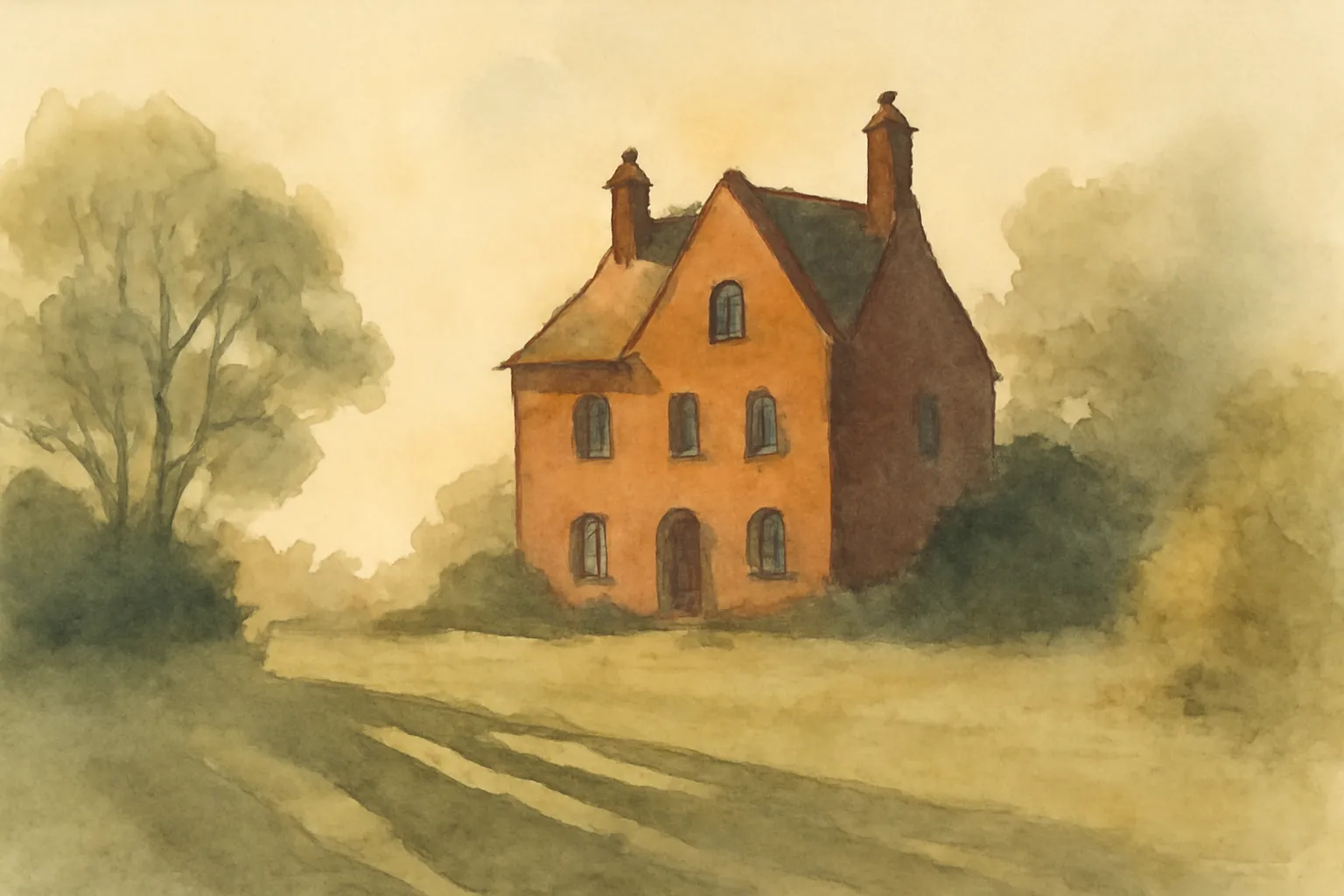
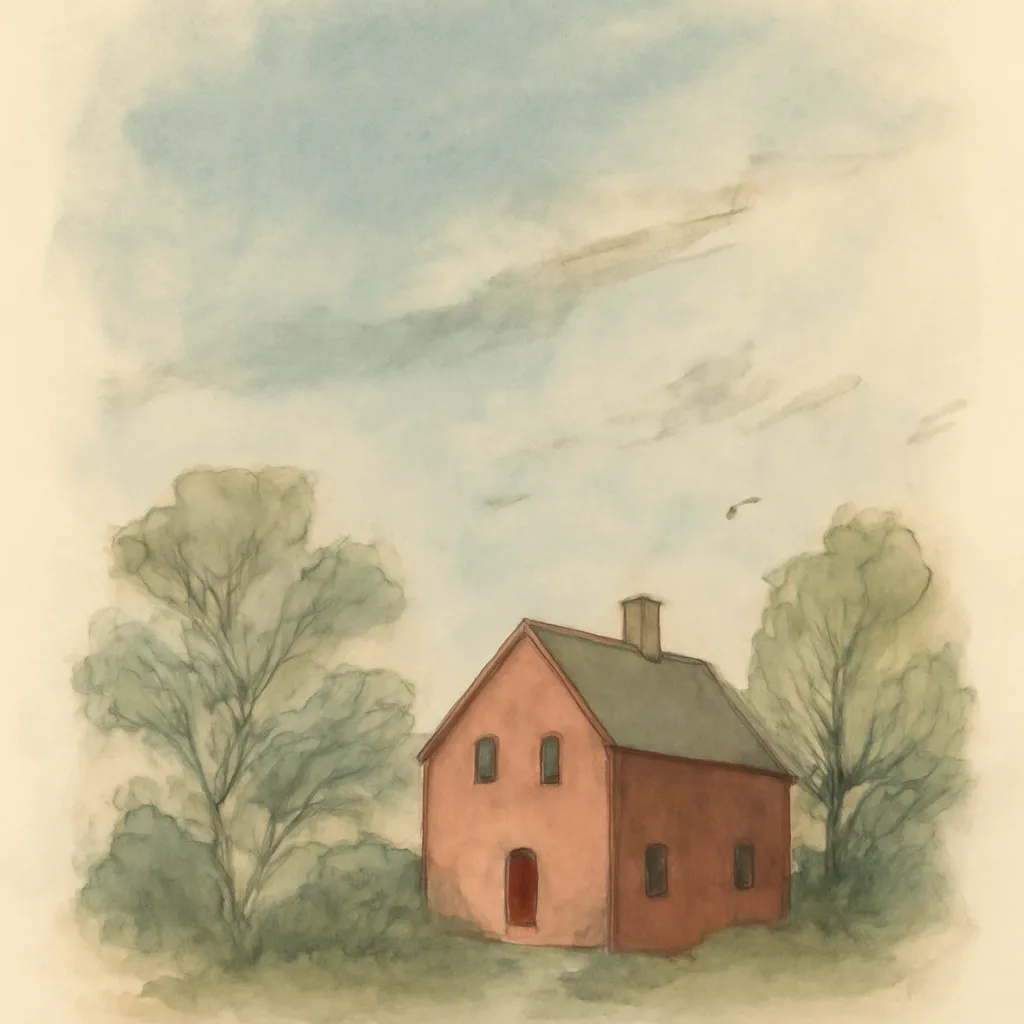
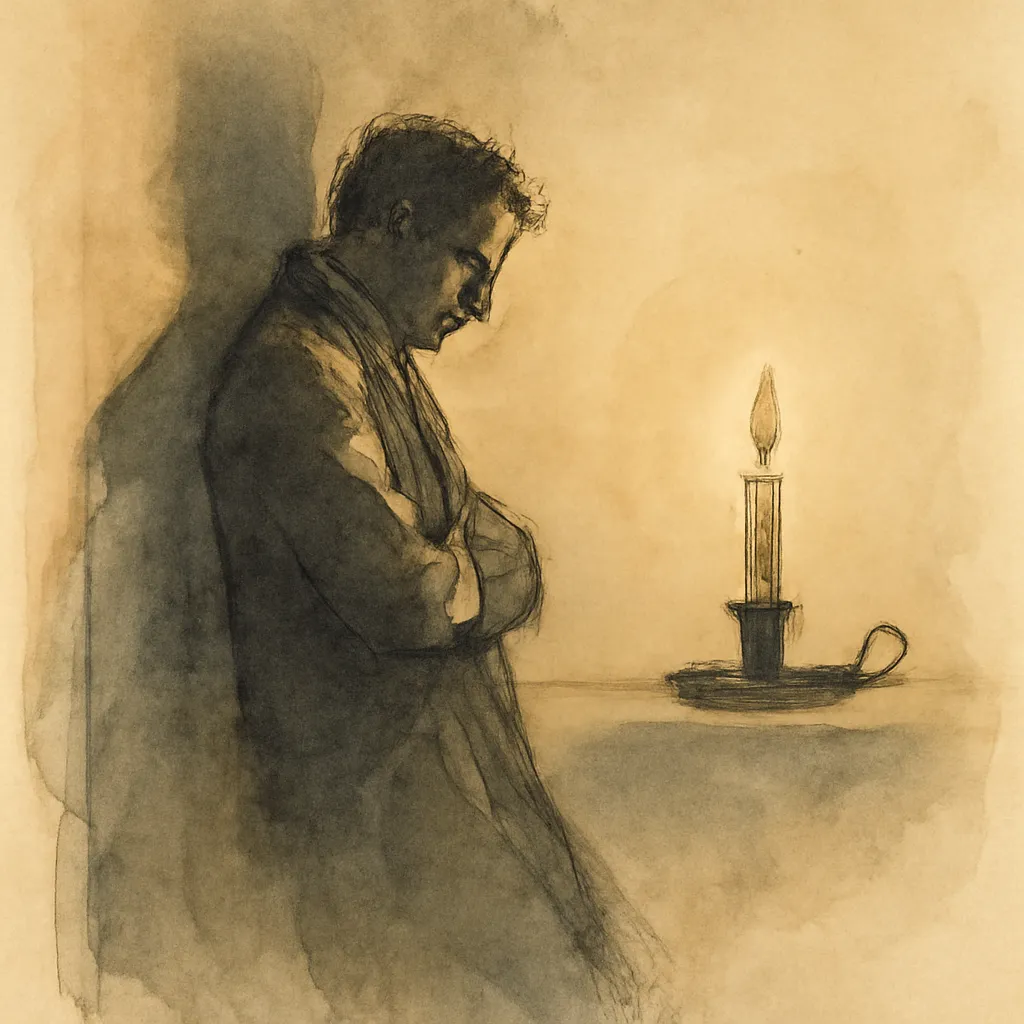
The story begins on a serene summer afternoon, where the idyllic setting of the Red House contrasts sharply with the impending chaos. The characters are introduced in a relaxed environment, highlighting the mundane activities of the house staff, particularly Audrey Stevens, the parlour-maid, and her aunt, Mrs. Stevens. This tranquility serves as a stark backdrop to the tension that will soon envelop the house. The ordinary chatter about hats and personal lives allows readers to form a connection with the characters before the narrative plunges into darkness. The calmness of the day foreshadows the upheaval that will follow, illustrating how quickly life can change from peaceful to perilous. The vivid descriptions of the surroundings further enhance this contrast, making the eventual disruption even more pronounced.
2.Mark Ablett's Colorful Past
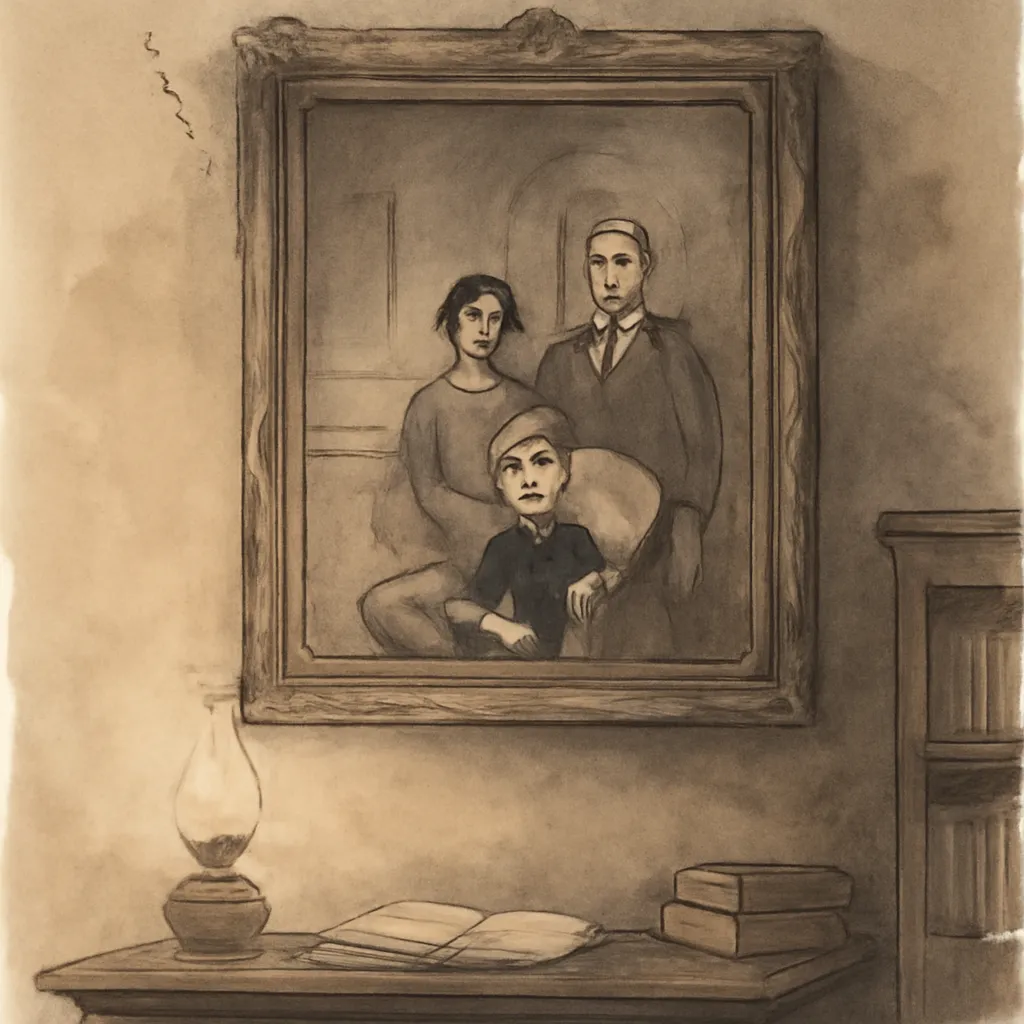
Mark Ablett, the owner of the Red House, has a background filled with both privilege and scandal. Raised by a clergyman father and benefitted by the patronage of a wealthy spinster, Mark's life seems charmed yet is riddled with complications. After his father’s death, he finds himself in debt and navigating the treacherous waters of London society, where he becomes acquainted with money-lenders instead of pursuing a respectable career. This colorful past gives depth to Mark's character, painting him as both a victim of circumstance and a man who has made questionable choices. His transition from a struggling writer to a wealthy patron of the arts showcases the complexities of his character and sets the stage for the conflicts that arise later in the story. The underlying question remains: did his past shape him into the man he is today, or is he merely a product of his environment?
3.The Intriguing Arrival of Robert
The plot thickens with the unexpected arrival of Robert Ablett, Mark's long-lost brother. The guests at the Red House are initially unaware of the underlying tensions that this visit will incite. Robert's presence is a catalyst for the unfolding drama, as he represents unresolved issues from Mark's past. The reactions of the characters to Robert's arrival provide insight into their personalities, revealing alliances and rivalries that complicate the narrative. As Robert steps back into Mark's life after years apart, readers are left to wonder about the history between the brothers and the potential for conflict. This sense of anticipation builds suspense, inviting readers to speculate about the motives and possible outcomes of this reunion. The dialogue surrounding Robert’s arrival hints at deeper family dynamics, suggesting that his presence may awaken long-buried grievances and rivalries.
4.The Shocking Murder
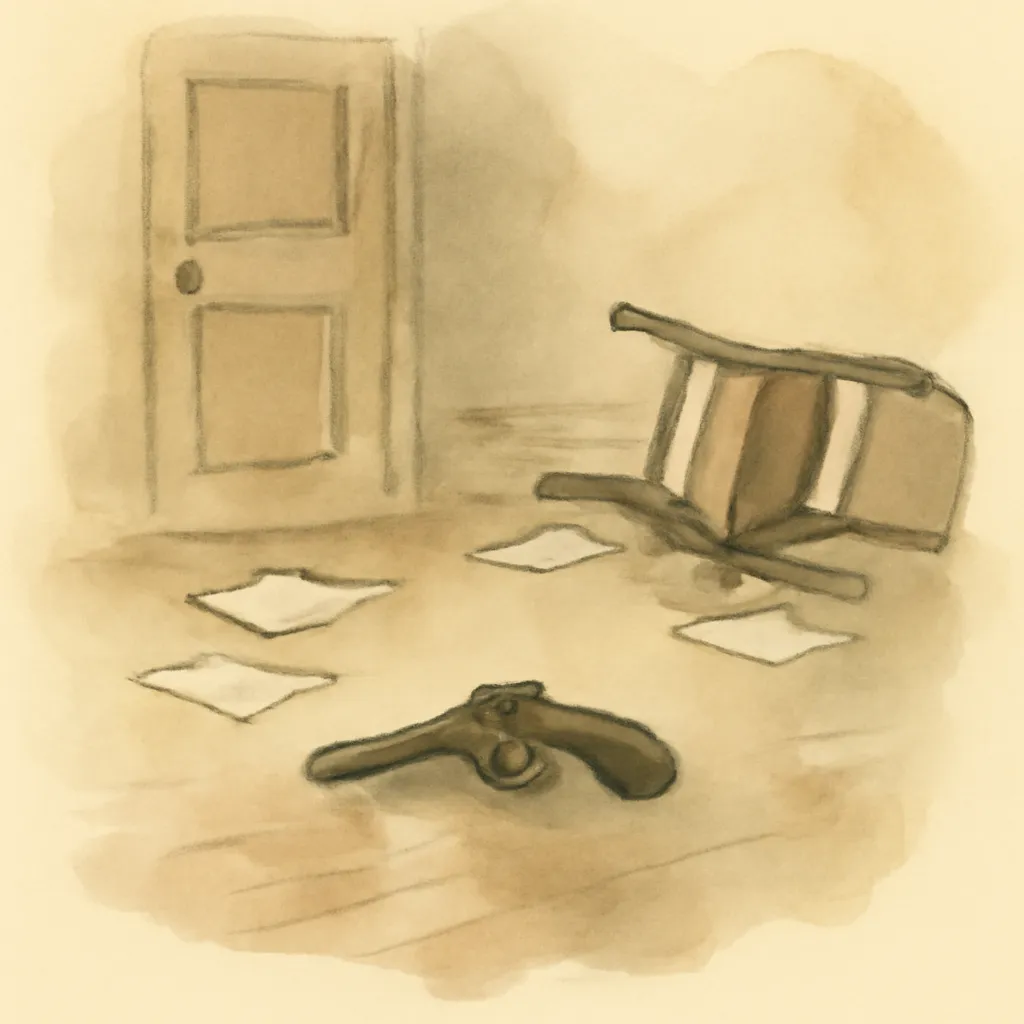
The story takes a dramatic turn when a gunshot is heard, and Robert is found dead in a locked room, prompting an investigation that pulls everyone into its orbit. The circumstances surrounding his death are cloaked in mystery, with various characters offering different accounts and interpretations of the events leading up to the tragedy. This shocking moment serves as the crux of the narrative, thrusting the characters into a whirlwind of suspicion and fear. The locked room scenario raises questions about the nature of the crime and the possibility of foul play, compelling the other characters to confront their own secrets and fears. As they grapple with the implications of Robert’s death, the themes of guilt, innocence, and the quest for truth become increasingly prominent. The immediate aftermath showcases the chaos that ensues as each character's response to the situation reveals their true nature.
5.Antony Gillingham: The Reluctant Detective
Antony Gillingham, a guest at the Red House, emerges as an unlikely detective amidst the chaos. Initially depicted as a laid-back character more interested in leisure than investigation, Antony's curiosity and keen observational skills soon come to the forefront. His interactions with the other characters reveal a sharp intellect and an ability to navigate the complexities of human behavior. As he begins to piece together the events surrounding Robert's death, Antony’s transformation from a passive observer to an active participant in the investigation draws readers into the detective genre. His methods, characterized by logical reasoning and a touch of humor, provide a refreshing take on the traditional detective archetype, emphasizing the importance of wit and insight over brute force. Through his eyes, readers explore the nuances of each character's motives, enriching the narrative.
6.The Role of Cayley
Cayley, Mark’s friend and confidant, plays a pivotal role in the unfolding mystery. His demeanor oscillates between concern and evasiveness, raising suspicions about his involvement in the events leading to Robert's death. As a character, Cayley embodies the complexities of loyalty and betrayal, standing at the intersection of friendship and moral ambiguity. His relationship with Mark and Robert adds layers to the story, as his motivations remain obscured for much of the narrative. The tension between Cayley and Antony further heightens the stakes, as Antony seeks to uncover the truth while Cayley seems intent on protecting Mark. This dynamic illustrates the themes of trust and deception, as characters grapple with their allegiances in the face of tragedy. The reader is left to question whether Cayley is a true friend or a potential collaborator in Mark's darkest hour.
7.The Investigation Unfolds
As the investigation progresses, the narrative delves into the intricacies of the characters' relationships and their potential motives for murder. The interplay of dialogue and action reveals the various ways in which each character is affected by the murder. Suspicion falls on Mark, who has vanished, leading to speculation about his guilt. The police's involvement adds another layer of complexity, as they seek to piece together the events leading up to the murder. This investigative thread serves to heighten the suspense and intrigue, as readers are invited to engage with the clues and red herrings scattered throughout the story. The manner in which each character reacts to the investigation sheds light on their true nature, prompting readers to question who can be trusted and who harbors darker intentions. Each revelation adds a new dimension to the mystery, keeping readers on the edge of their seats.
8.Exploring Themes of Guilt and Innocence
The themes of guilt and innocence permeate the narrative, as characters grapple with their roles in the unfolding drama. The ambiguity of Robert's death raises questions about culpability and the moral implications of their actions. Each character’s response to the murder reflects their inner struggles, blurring the lines between right and wrong. The exploration of these themes invites readers to reflect on the complexities of human nature, particularly in the face of tragedy. As secrets are revealed and truths come to light, the characters must confront their past choices and the consequences of their actions. This moral ambiguity adds depth to the story, transforming it from a mere whodunit into a profound exploration of the human condition. The novel challenges readers to consider how far they would go to protect those they love, even at the expense of justice.
9.The Climactic Resolution
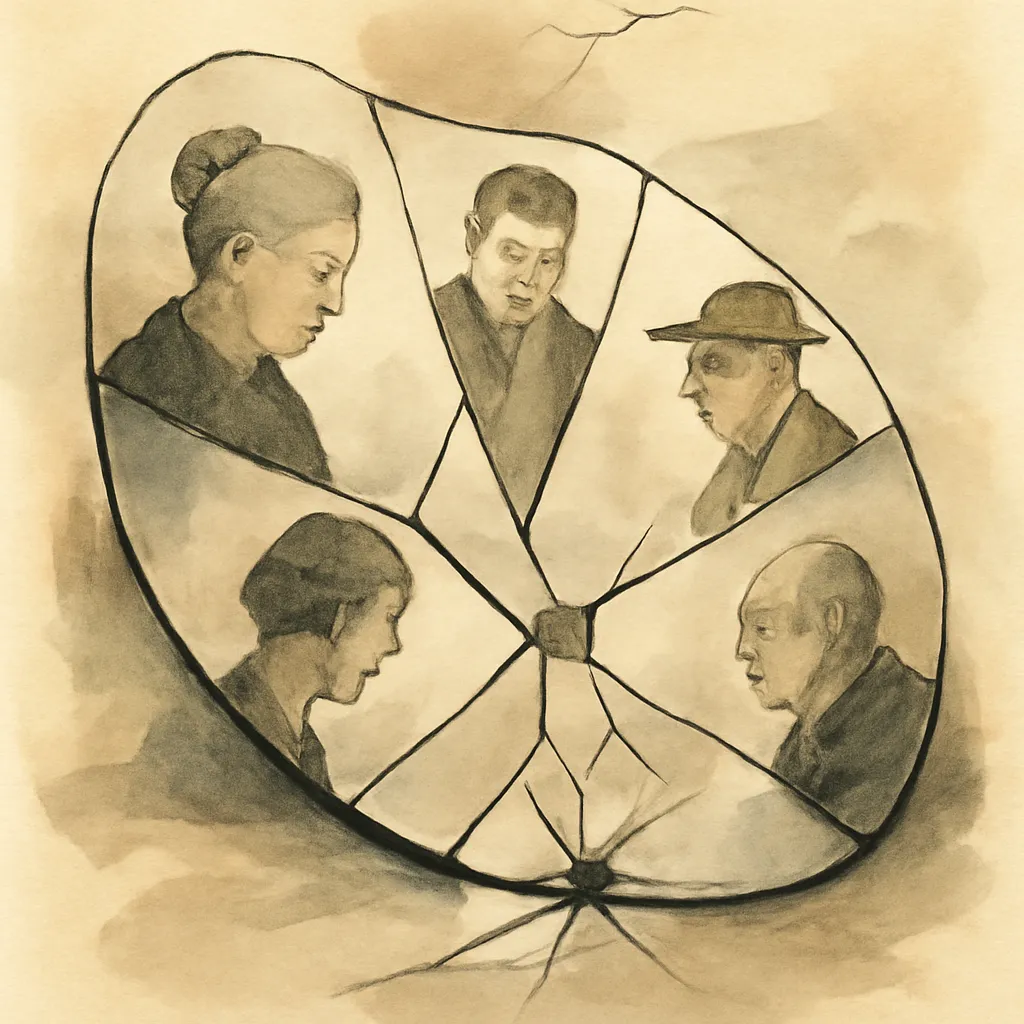
As the narrative nears its conclusion, the tension culminates in a series of revelations that tie together the intricate web of relationships and motives. Antony's deductive reasoning leads to the uncovering of hidden truths that shift the perception of the characters involved. The resolution not only addresses the mystery of Robert's death but also provides insights into the nature of Mark and Cayley's relationship, revealing the lengths to which they would go to protect one another. This climactic moment serves as a poignant reminder of the power of loyalty and the devastating impact of betrayal. The final revelations leave readers contemplating the moral complexities of the characters' actions and the enduring consequences of their choices. The resolution emphasizes that not all is black and white; the truth often lies somewhere in the gray areas of human relationships.
10.Reflections on Friendship and Loyalty
Throughout the story, the bonds of friendship and loyalty are tested in the face of adversity. Characters are forced to confront their loyalties as the investigation unfolds, revealing the fragility of their relationships. The dynamics between Mark, Cayley, and Antony illustrate how friendships can be both a source of strength and a catalyst for conflict. As secrets are exposed, the characters must navigate the delicate balance between protecting those they care about and seeking justice. This exploration of friendship underscores the human experience, highlighting the complexities of trust and the often-painful realities of loyalty. In the end, the narrative leaves readers with a sense of the enduring power of these connections, even amidst the darkest circumstances. It suggests that loyalty can sometimes blind us to the truth, complicating the quest for justice.