1.The Weight of Legacy
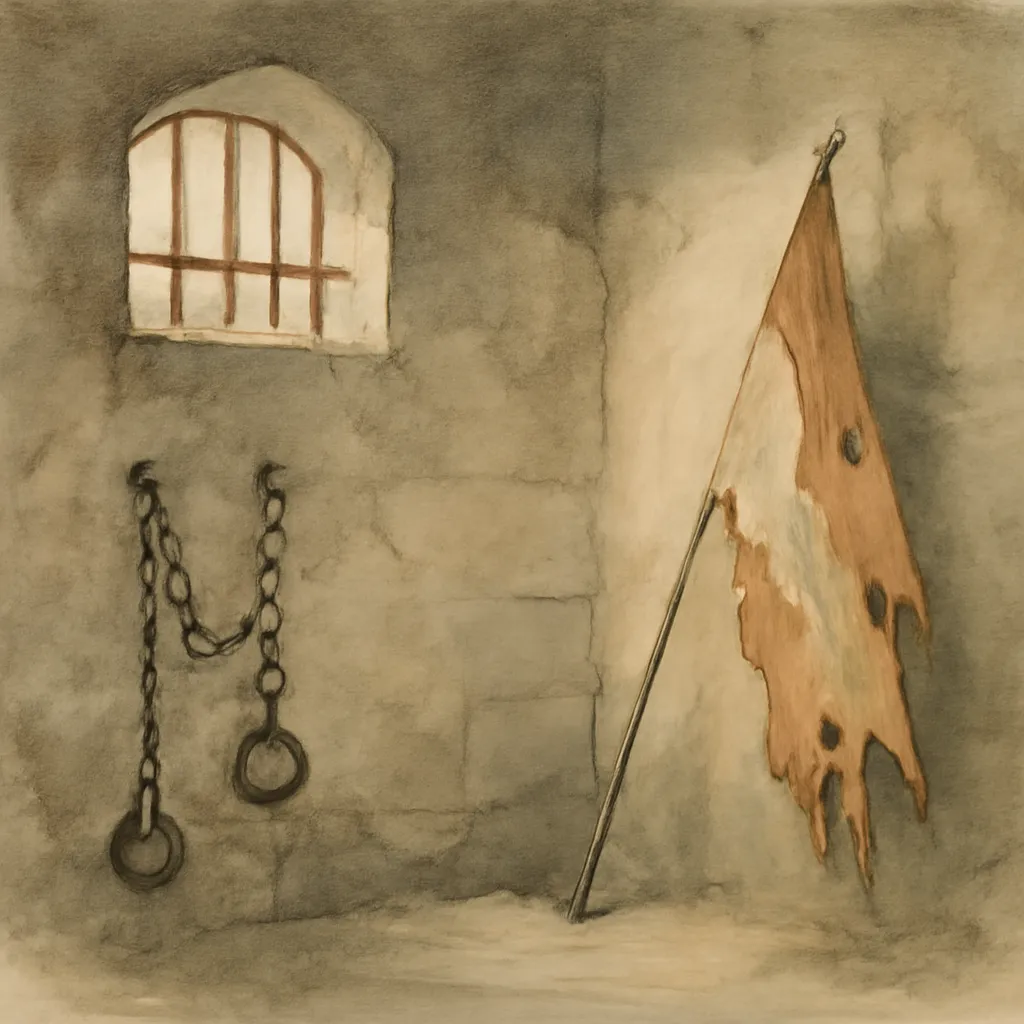
Rizal opens 'The Reign of Greed' with a poignant dedication to the martyrs of the Cavite mutiny, Don Mariano Gomez, Don José Burgos, and Don Jacinto Zamora, who were executed by the colonial regime. Their martyrdom serves as a haunting reminder of the consequences faced by those who challenge tyranny. This dedication not only frames the narrative but also reflects Rizal's deep-seated anguish about the lost potential of his homeland. It's a call to remembrance, urging readers to honor the sacrifices made in the name of justice. The characters throughout the story grapple with the shadows of this legacy, living in a society deeply scarred by oppression and yearning for reform. The weight of their forebears' sacrifices burdens the living, compelling them to either rise to the occasion or succumb to despair. This theme resonates powerfully, as Rizal invites readers to reflect on how historical injustices shape personal and collective identities.
2.The Ship of State
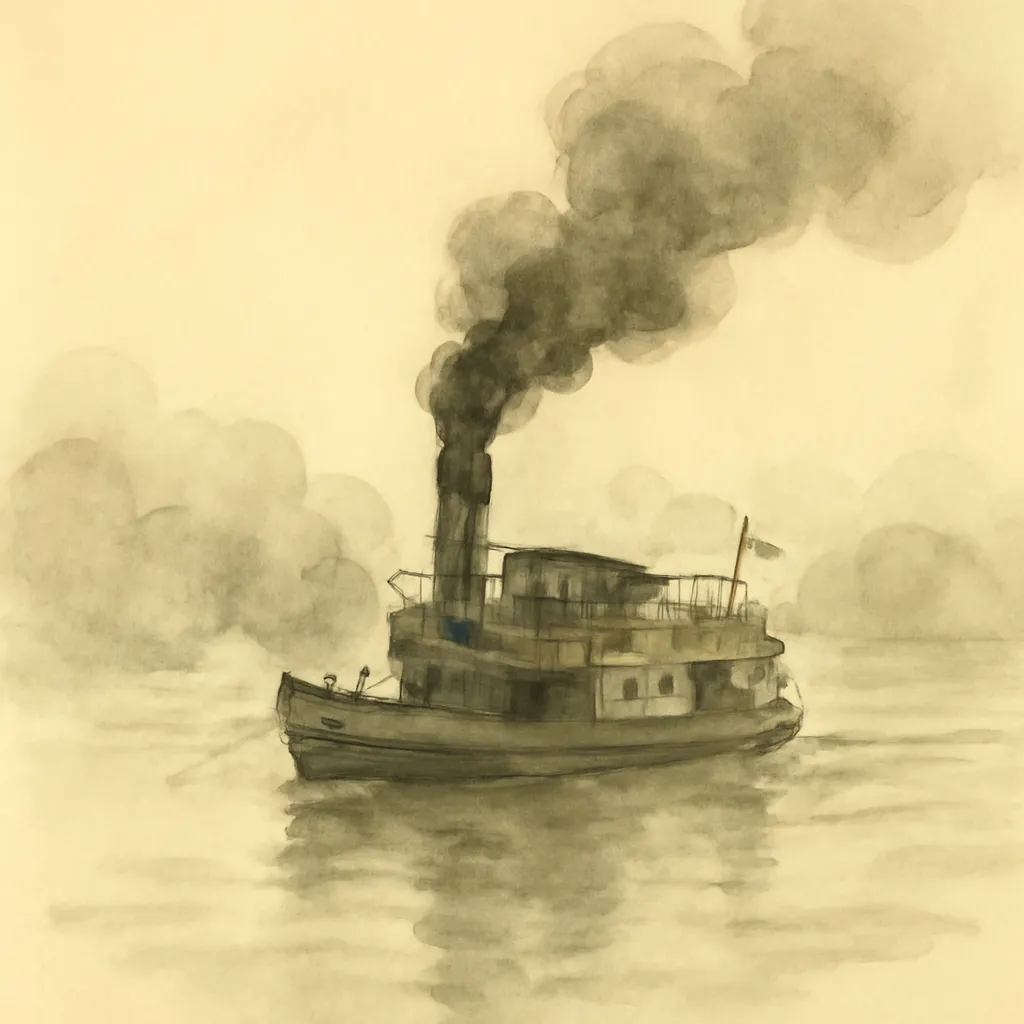
The novel's opening scenes aboard the steamer Tabo metaphorically present the 'Ship of State' in the Philippines—a vessel that is both majestic and flawed. As the passengers journey up the Pasig River, the steamer's slow progress symbolizes the stagnation of Philippine society under colonial rule. The ship itself is described as dirty yet beloved, representing the duality of progress and decay in the islands. This imagery critiques superficial modernization efforts that mask the underlying corruption and inefficiency of the colonial government. As the steamer labors against its course, it serves as a microcosm of Filipino struggles, where hope for a brighter future is constantly overshadowed by the weight of systemic oppression. This metaphor becomes increasingly relevant as Rizal examines the failures of the colonial administration, suggesting that like the steamer, the Philippines is caught in an endless cycle of exploitation and degradation.
3.Class and Social Stratification
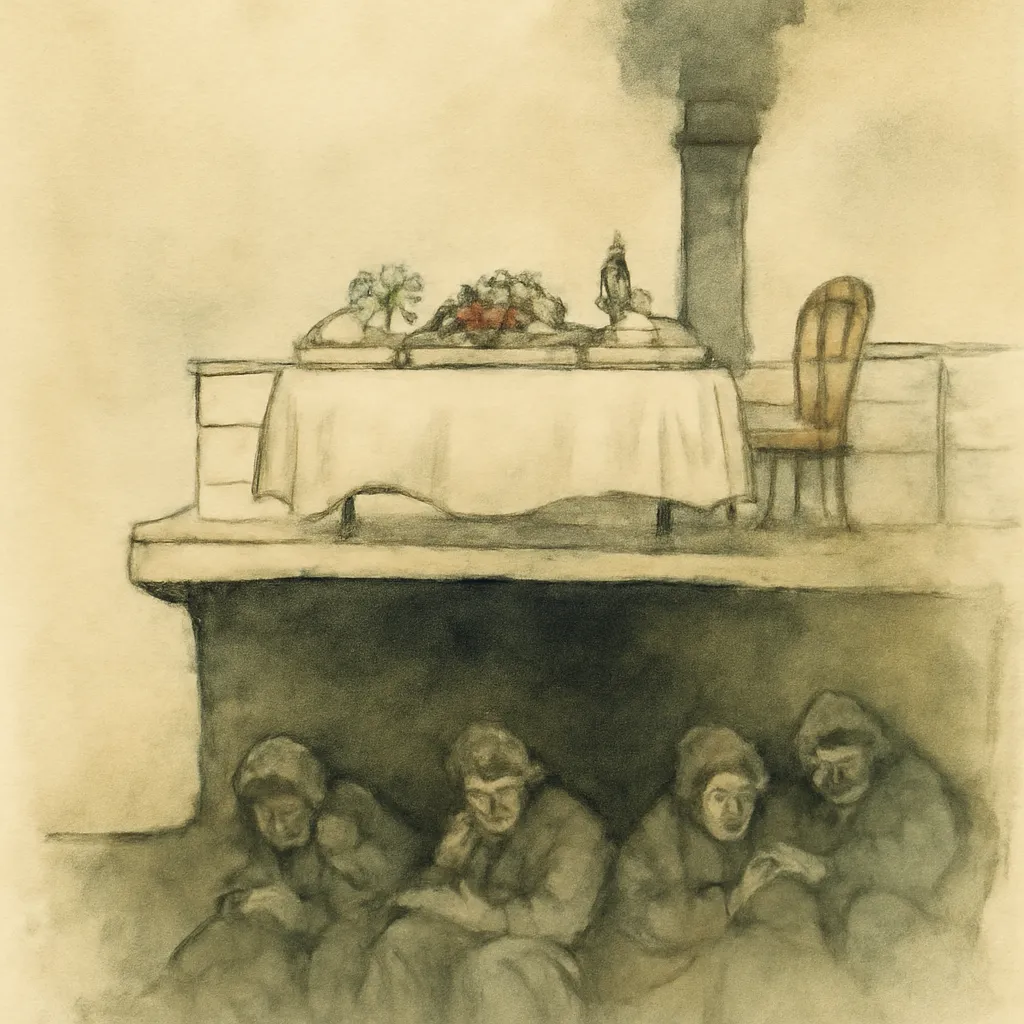
Rizal deftly illustrates the rigid class structures that define Filipino society through the interactions on the steamer. The divide between the upper and lower decks serves to highlight the stark contrast between the privileged elite, who engage in light banter and self-indulgence, and the marginalized masses, who suffer in silence below. The upper deck is characterized by the carefree laughter of the educated elite, while the lower deck is filled with laborers and merchants, showcasing their plight and disenfranchisement. This juxtaposition emphasizes the social injustices perpetuated by colonial rule, where the elite benefit from the suffering of the lower classes. Rizal's portrayal of this class divide invites readers to consider the implications of social stratification and the urgent need for solidarity among the oppressed. The steamer becomes a symbol of the social hierarchy, where those in power remain oblivious to the struggles of the common people, a reality that continues to resonate in contemporary society.
4.The Role of the Church

The Catholic Church emerges as a central figure in the struggle for power and control in 'The Reign of Greed'. Rizal critiques the clergy's complicity in the exploitation of the Filipino people, illustrating how religious institutions often prioritize their interests over the spiritual needs of the masses. Characters such as Padre Camorra and Padre Sibyla embody the hypocrisy of the Church, indulging in earthly pleasures while preaching piety. This portrayal underscores the moral corruption within the Church, revealing how it functions as an extension of colonial authority rather than a true sanctuary for the oppressed. Through the clergy's actions, Rizal exposes the detrimental effects of intertwining religion with politics, demonstrating how the Church's moral failings contribute to the perpetuation of injustice. This critique challenges readers to reflect on the role of faith in the face of oppression, urging them to question the integrity of spiritual leaders who align with oppressive systems.
5.The Quest for Identity

Characters like Basilio and Isagani grapple with their identities while navigating the complexities of colonial rule. Basilio, a medical student, represents the hopes and aspirations of a new generation of Filipinos eager to uplift their society through education and reform. However, his experiences reveal the harsh realities of oppression, as he witnesses the suffering of his family and community. His character embodies the struggle to reconcile personal ambition with the collective struggle for justice. Isagani, a passionate poet, symbolizes the fight for artistic expression in a repressive environment. His love for Paulita Gomez becomes a potent metaphor for the potential for unity amid adversity, while their relationship explores the intersection of personal desires and national identity. Through their journeys, Rizal delves into the theme of self-discovery, urging readers to reflect on the impact of colonialism on their own identities and the importance of reclaiming one's narrative.
6.Betrayal and Loyalty
The themes of betrayal and loyalty are intricately woven throughout the narrative, showcasing how personal relationships become strained in a corrupt socio-political climate. Characters like Juli and Cabesang Tales embody the complexities of loyalty as they navigate conflicting allegiances to family, love, and community. Juli’s sacrifices for her father and her love for Basilio highlight the tension between personal desires and societal expectations. Meanwhile, Cabesang Tales’ betrayal by the Church reveals the fragility of trust in a system designed to exploit the vulnerable. As the narrative unfolds, Rizal illustrates how betrayal is not just a personal failing but a systemic issue that permeates relationships and interactions. This exploration of loyalty and betrayal serves to underscore the emotional toll of colonial oppression, as individuals are forced to make painful choices that impact their relationships and sense of self.
7.The Illusion of Reform
As Rizal's narrative unfolds, the theme of the illusion of reform becomes increasingly prominent. The characters' hopes for change are consistently met with disillusionment, reflecting Rizal's own frustrations with the slow pace of reform in the Philippines. Despite their efforts to advocate for justice and equality, the entrenched interests of the colonial government and the Church thwart their aspirations. This theme is poignantly illustrated through the character of Simoun, the enigmatic jeweler whose seemingly grand plans for revolution ultimately reveal the futility of seeking change through violent means. Simoun's journey underscores the complexities of revolutionary thought, as he grapples with the moral implications of his actions. Through this exploration, Rizal critiques the belief that reform can be achieved through violence alone, prompting readers to consider the necessity for genuine, grassroots movements that address the root causes of oppression.
8.The Power of Education
Education emerges as a powerful tool for liberation in 'The Reign of Greed', as characters like Basilio and Isagani strive for knowledge amidst the oppressive atmosphere of colonial rule. Rizal underscores the importance of education in shaping a new generation of Filipinos who are equipped to challenge the status quo. Basilio's medical studies symbolize the potential for progress and healing, while Isagani's poetry reflects the transformative power of artistic expression. However, the novel also critiques the limitations of education under colonialism, as the curriculum often serves to reinforce colonial ideologies rather than empower students. Through Basilio and Isagani's educational journeys, Rizal advocates for a holistic approach to education that fosters critical thinking and social responsibility. This emphasis on education as a means of liberation highlights the importance of cultivating an informed citizenry capable of effecting meaningful change.
9.The Struggle for Justice

The quest for justice is a central theme in 'The Reign of Greed', as characters grapple with the consequences of systemic injustice. Basilio's journey to rescue Juli from servitude underscores the high personal stakes involved in the fight for justice. His encounters with corrupt officials and the rigid class structures reveal the deep-rooted injustices that permeate society. Similarly, Cabesang Tales' struggles against the religious corporation's claims to his land illustrate the broader fight for land rights and social equity. Rizal's portrayal of these struggles emphasizes the urgent need for collective action and solidarity among the oppressed. The characters' fights for justice serve as a microcosm of the larger societal struggles, highlighting the interconnectedness of individual and collective actions in the pursuit of equity. This exploration of justice resonates deeply with contemporary societal issues, prompting readers to reflect on their own roles in advocating for justice.
10.Hope Amidst Despair
Despite the grim realities depicted in 'The Reign of Greed', Rizal infuses the narrative with a sense of hope and resilience. Characters like Basilio and Isagani embody the spirit of resistance, demonstrating that even in the face of overwhelming adversity, the human spirit can endure. Their dreams of a better future serve as a testament to the enduring power of hope, as they seek to uplift their communities through education and activism. Rizal's exploration of hope amidst despair invites readers to reflect on the importance of perseverance in the struggle for justice and equality. Ultimately, the novel serves as a rallying cry for collective action, urging Filipinos to unite in their quest for freedom and dignity. Through the characters' journeys and their unwavering spirits, Rizal instills a sense of optimism that transcends the darkness, suggesting that the fight for justice is worth pursuing, even in the face of significant challenges.