1.The Primitive Religious Instinct
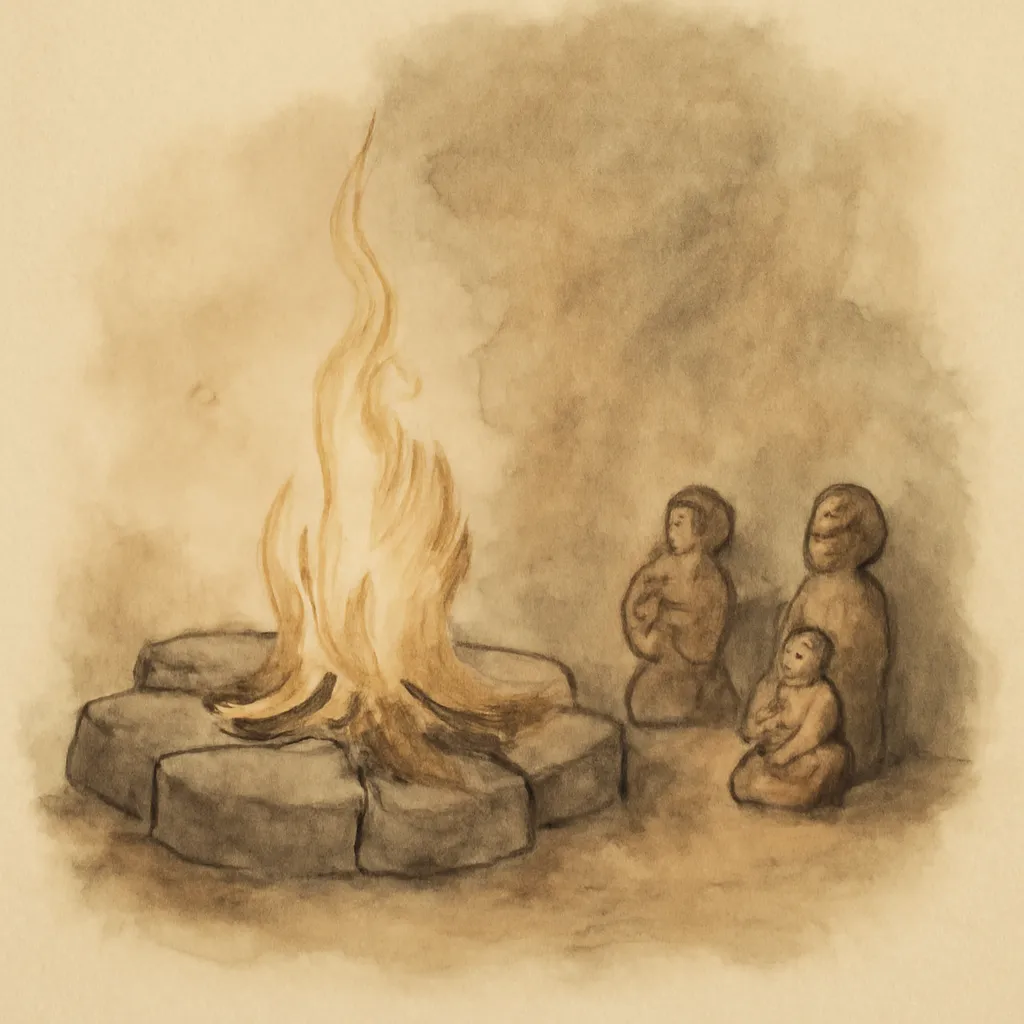
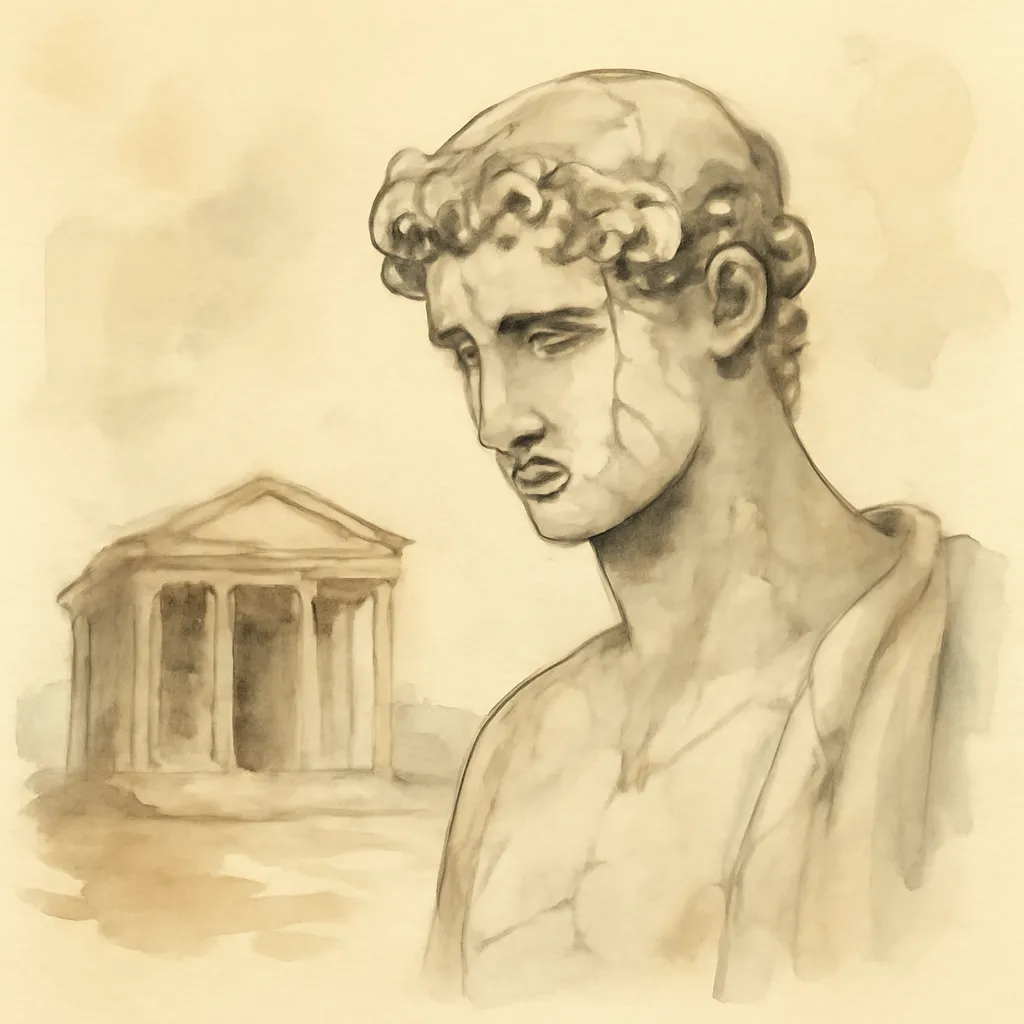
Fowler posits that the core of Roman religion originated from a primitive instinct, which he describes using the Latin term 'religio.' This instinct, deeply rooted in the survival needs of early Romans, encompassed a desire to connect with the divine forces believed to govern the natural world. Early Romans, living in a precarious environment, relied on spiritual beliefs to navigate challenges such as crop failure, illness, and warfare. As Roman society became more complex and its rituals more formalized, this primal instinct began to atrophy. Fowler emphasizes that while the original impulses were grounded in genuine existential concerns, they became overshadowed by the increasingly elaborate rituals that dominated public religious life. However, he notes that remnants of this instinct re-emerged during periods of crisis, such as the Punic Wars, revealing the enduring nature of these primitive religious impulses.
2.The Evolution of Rituals
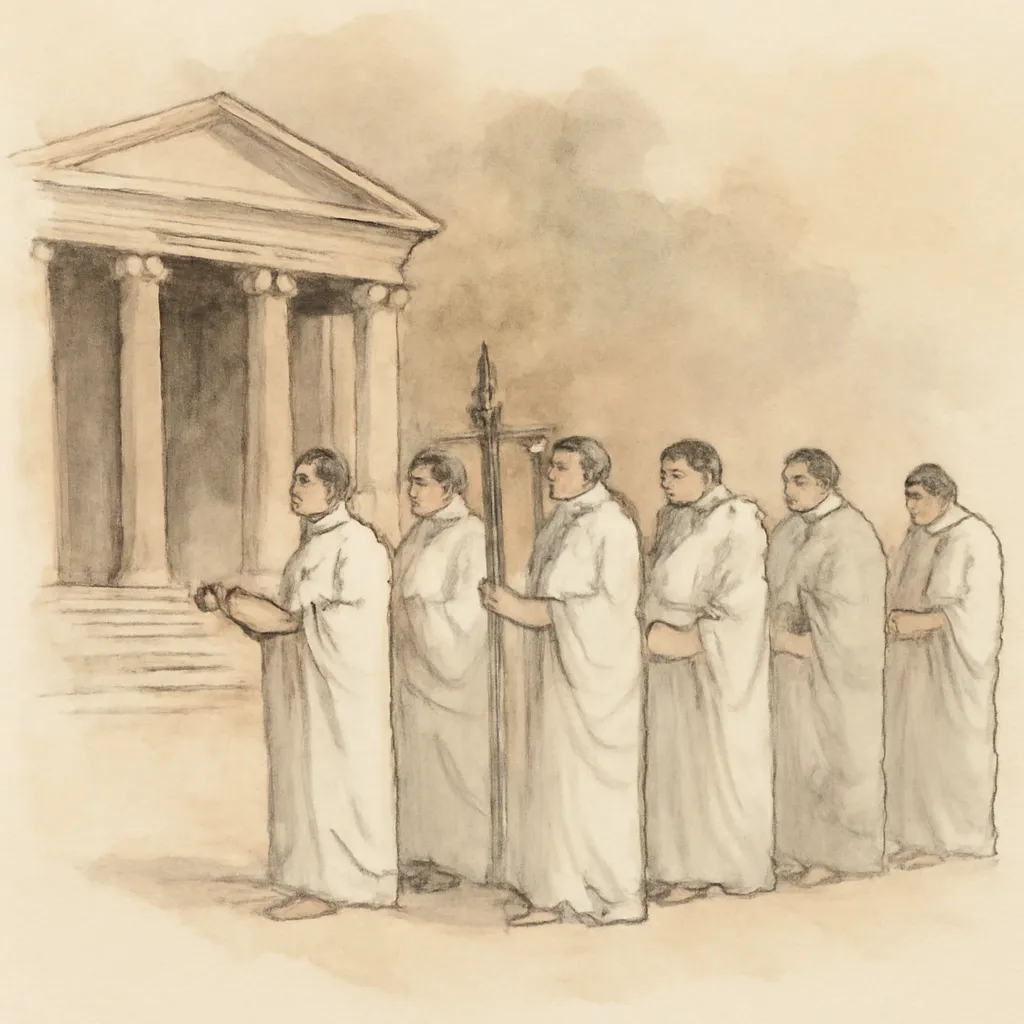
The formalization of Roman rituals is a central theme in Fowler's analysis. He highlights how the patrician religion, characterized by its austere and legalistic nature, evolved from a simpler and more instinctual form. Over time, rituals became highly regulated, focusing on the precise execution of ceremonies to secure the favor of the gods for the state. This transformation illustrates a shift from a personal, instinctual connection with the divine to a more bureaucratic and state-centered approach to religion. Fowler argues that this legalistic framework, while effective in maintaining social order, ultimately distanced the Roman people from the spiritual essence of their early beliefs. He provides examples of rituals that became increasingly intricate and tied to political events, suggesting that the administration of these ceremonies helped reinforce the power of the ruling elite, thereby intertwining faith with governance.
3.Religion as a Contract with the Divine
Fowler describes Roman religion as a contractual relationship between the state and the gods, where mutual obligations were established through rituals and sacrifices. This 'synallagmatic' contract required the state to perform specific rites to ensure divine protection and favor. The meticulous nature of Roman liturgy reflects this contractual view, as the execution of rituals was seen as a legal obligation rather than an expression of devotion. Fowler contrasts this with other religious traditions, suggesting that the Romans' focus on legalism and obligation often overshadowed genuine spiritual engagement. He argues that this transactional nature of worship raises critical questions about the authenticity of religious experience in Roman culture, ultimately leading to a disconnection between individual believers and the divine, as worship became more about meeting obligations than about personal faith or communal spirituality.
4.The Influence of Foreign Religions
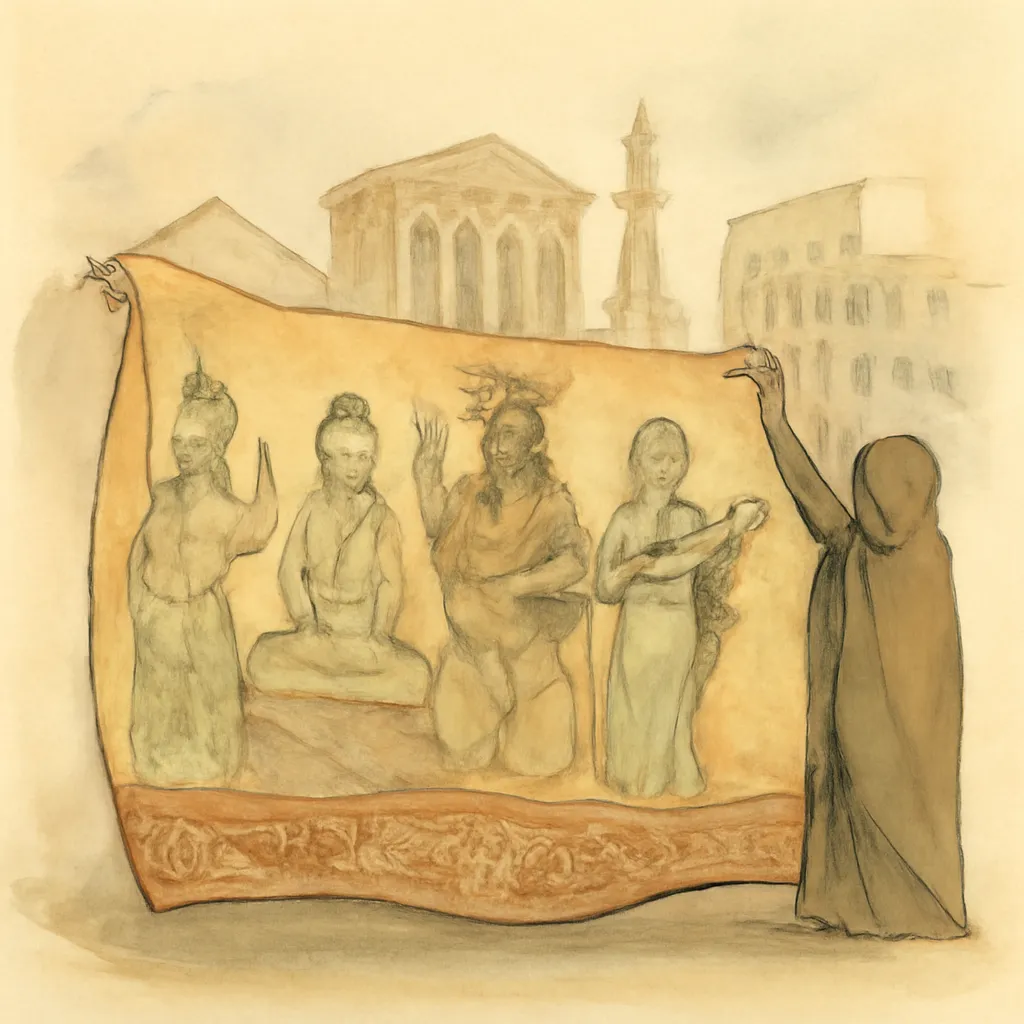
As Rome expanded its territory through trade and conquest, it encountered a variety of religious practices from other cultures. Fowler notes that this exposure led to the gradual incorporation of foreign rites and beliefs into Roman religion, particularly as the limitations of the traditional Roman pantheon became apparent. He points to the influx of Eastern deities and cults, such as those from the Near East, which offered different spiritual experiences and practices that appealed to the Roman populace. This syncretism reflects a broader trend of cultural exchange and adaptation, as the Romans sought to fill the spiritual gaps left by their increasingly formalized and inadequate religious system. Fowler emphasizes that this blending of traditions not only enriched Roman spirituality but also created tensions as new beliefs challenged established norms, illustrating the dynamic character of Roman religious life and the struggles inherent in maintaining a cohesive spiritual identity amidst diversifying influences.
5.The Role of Priests and Religious Officials
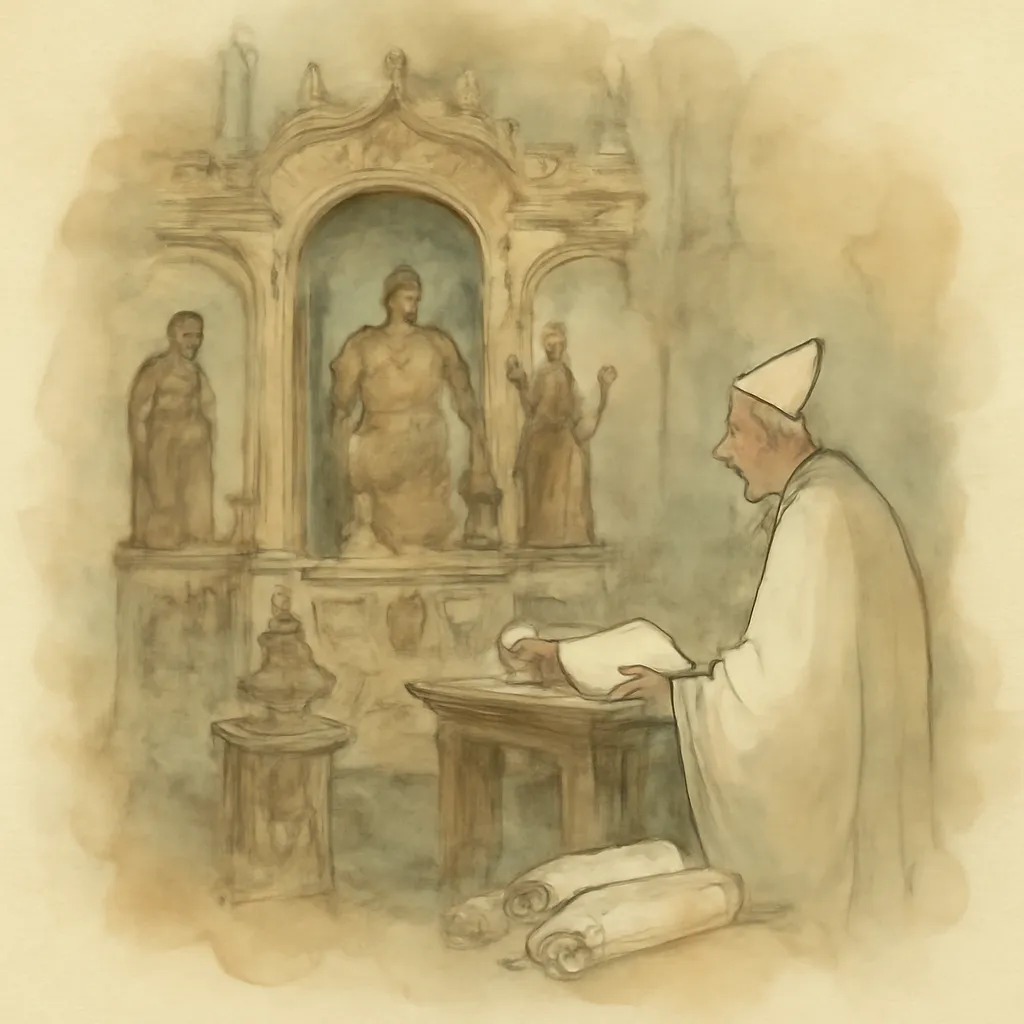
Fowler delves into the critical role played by priests and religious officials in shaping and maintaining the religious practices of the Roman people. He describes the evolution of the priestly class, particularly the pontifices and augurs, who were responsible for overseeing rituals and interpreting the will of the gods. These officials wielded significant power, often acting as intermediaries between the divine and the state, and their authority was rooted in legalistic traditions that emphasized proper conduct in worship. Fowler emphasizes that the intersection of religious and political power is significant, as it illustrates how the priesthood became an essential component of the Roman governance structure. The priest's role not only involved conducting rituals but also interpreting omens and signs, which could have profound implications for political decision-making. This analysis reveals the complex dynamics between religion and politics in ancient Rome, highlighting the priests' influence on both spiritual and civic life.
6.Agricultural Roots of Roman Festivals
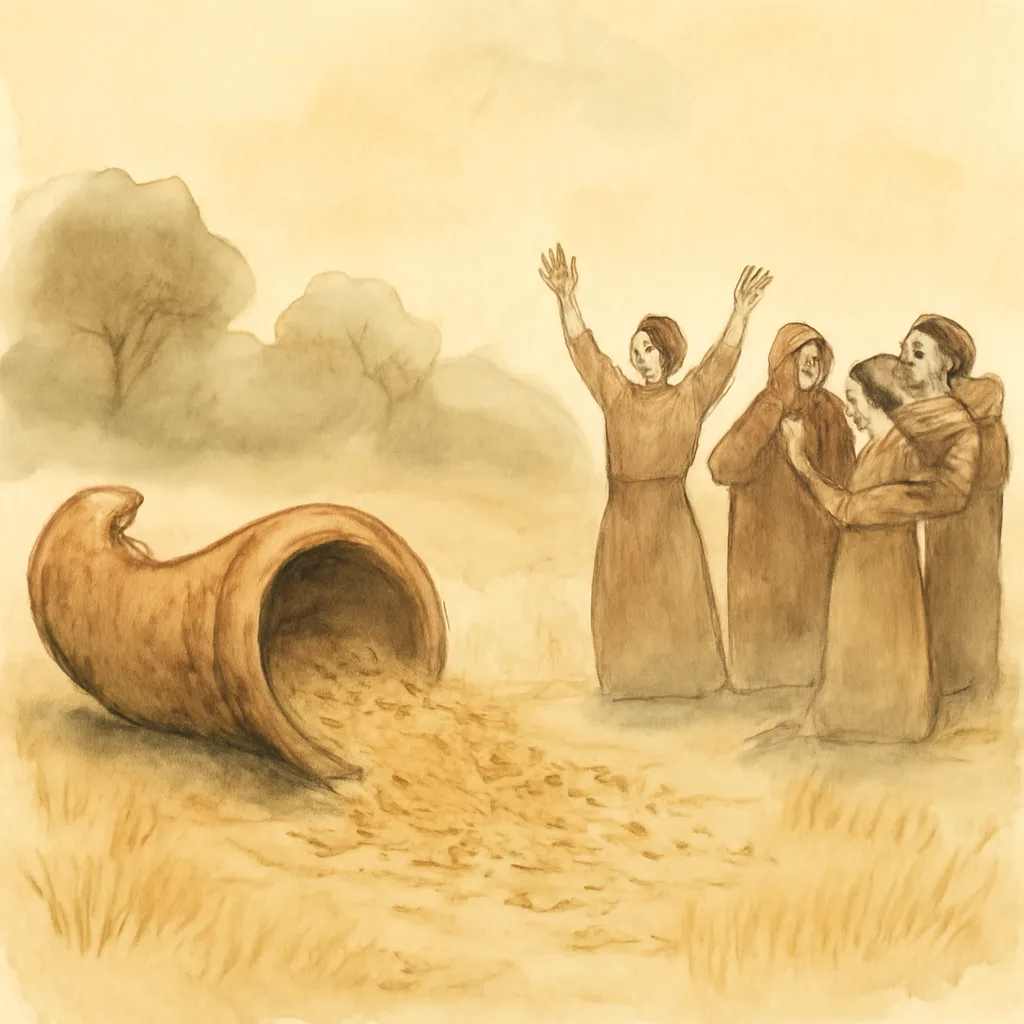
Fowler emphasizes the agricultural origins of many Roman religious festivals, which were closely tied to the rhythms of farming life. The Roman calendar was structured around agricultural cycles, with various rites aimed at ensuring the fertility of crops and livestock. Festivals such as the Fordicidia and Cerealia exemplify this connection, as they involved sacrifices intended to secure bountiful harvests. These rituals were more than mere religious observances; they reflected the deep interdependence between the Roman people and their agricultural environment. Fowler illustrates how farmers engaged in these practices not only to appease the gods but also to foster communal ties that reinforced social cohesion and collective identity. This agricultural focus underscores the fundamental role of farming in Roman society and the need for divine assistance in mitigating the uncertainties of nature, making religion a central aspect of their everyday lives.
7.The Transition from Magic to Religion
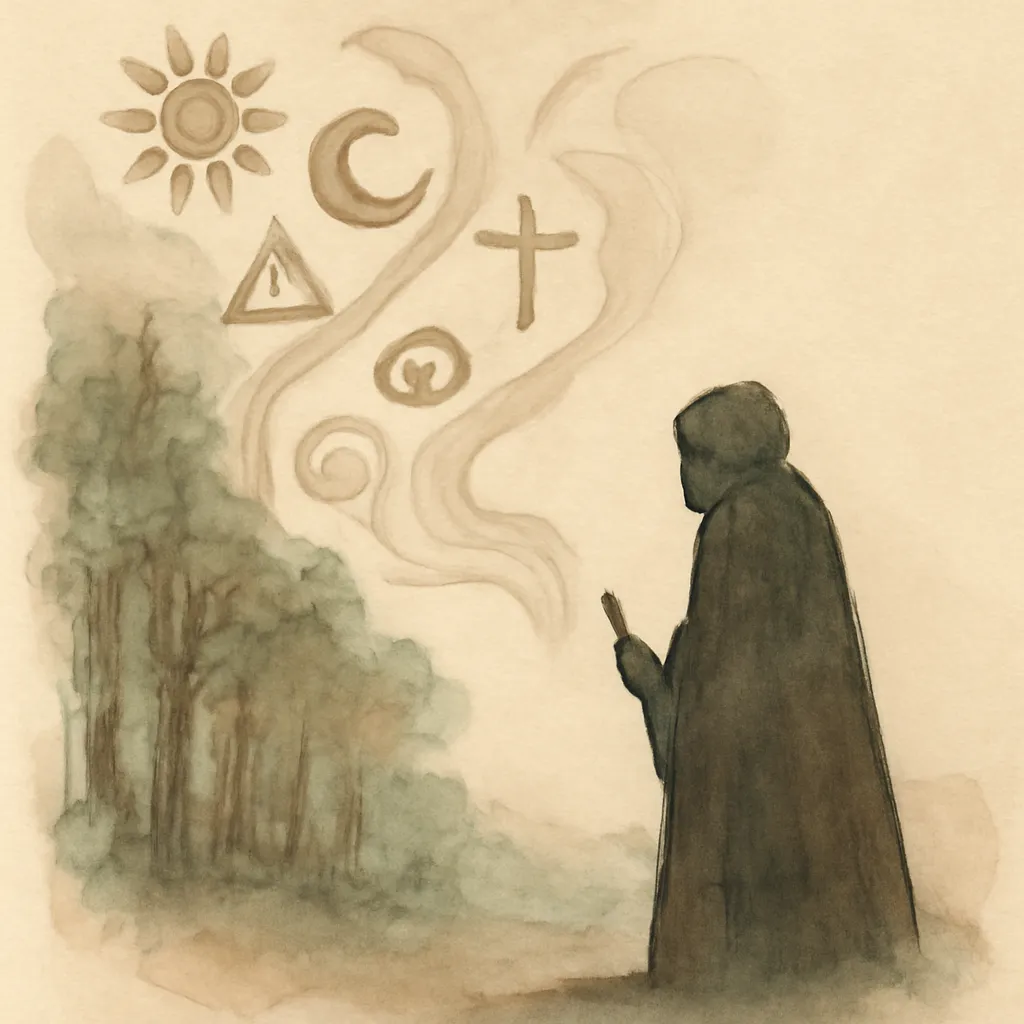
Fowler discusses the transition from magical practices to organized religion in Roman culture, noting that early religious experiences often included elements of magic. However, as the state religion developed, there was a concerted effort to suppress magical practices in favor of structured rituals. This shift indicates a move towards a more sophisticated understanding of the divine, where religion became a means of establishing order rather than a tool for manipulating supernatural forces. Fowler highlights how this transition reflects broader changes in Roman society, as the need for stability and predictability in governance became paramount. He argues that the decline of magic in favor of formalized religious practices illustrates the Romans' evolving relationship with the divine, marking a critical turning point in the history of Roman spirituality that sought to distance itself from the chaotic and unpredictable nature of magical beliefs.
8.The Concept of the Divine in Roman Thought
Fowler explores the Roman conception of the divine, emphasizing that early Romans did not envision their gods as personal entities but rather as functional spirits with specific roles. This understanding influenced their rituals and prayers, which were often formulaic and devoid of emotional engagement. The Romans' approach to the divine was marked by a cautious respect, with a strong emphasis on proper invocation and adherence to ritual. Fowler argues that this perspective limited the potential for a more intimate spiritual connection, as the focus remained on fulfilling obligations rather than cultivating a personal relationship with the gods. He suggests that the lack of personal deities in Roman belief systems made it challenging for individuals to find deep spiritual meaning in their practices, highlighting a significant contrast with other religious traditions that emphasized personal connection with the divine.
9.The Legacy of Roman Religion

Fowler concludes with a reflection on the legacy of Roman religion and its lasting impact on Western spirituality. The formalized practices and legalistic frameworks established in ancient Rome laid the groundwork for later religious developments, particularly in Christianity. He points to how early Christians adopted and adapted various elements of Roman religious structure while also subverting its more rigid aspects. The blending of traditions and the incorporation of foreign beliefs created a dynamic religious environment that facilitated the spread of ideas. Fowler suggests that understanding the evolution of Roman religion is essential for grasping the complexities of modern religious practices. This legacy continues to influence contemporary spirituality and underscores the enduring significance of ancient beliefs in shaping cultural identities, suggesting that the historical journey of Roman religion remains relevant in today's diverse spiritual landscape.
10.The Sadness of Religious Experience
Fowler poignantly notes the sadness that permeated Roman religious experience, particularly as the citizens began to sense the inadequacy of their highly formalized system. As the Romans confronted the limitations of their rituals, they struggled to find meaningful connections with the divine. This sense of loss became more pronounced during periods of crisis, when the traditional practices failed to provide comfort or answers. Fowler's exploration of this sadness reveals a deeper commentary on the human quest for spiritual fulfillment and the challenges inherent in navigating complex belief systems. He argues that this sadness reflects a universal aspect of religious experience, where the search for meaning often leads to moments of disillusionment and longing for a more authentic connection with the divine. This theme resonates across cultures and time periods, underscoring the universal desire for connection with the divine amidst the struggles of human existence.