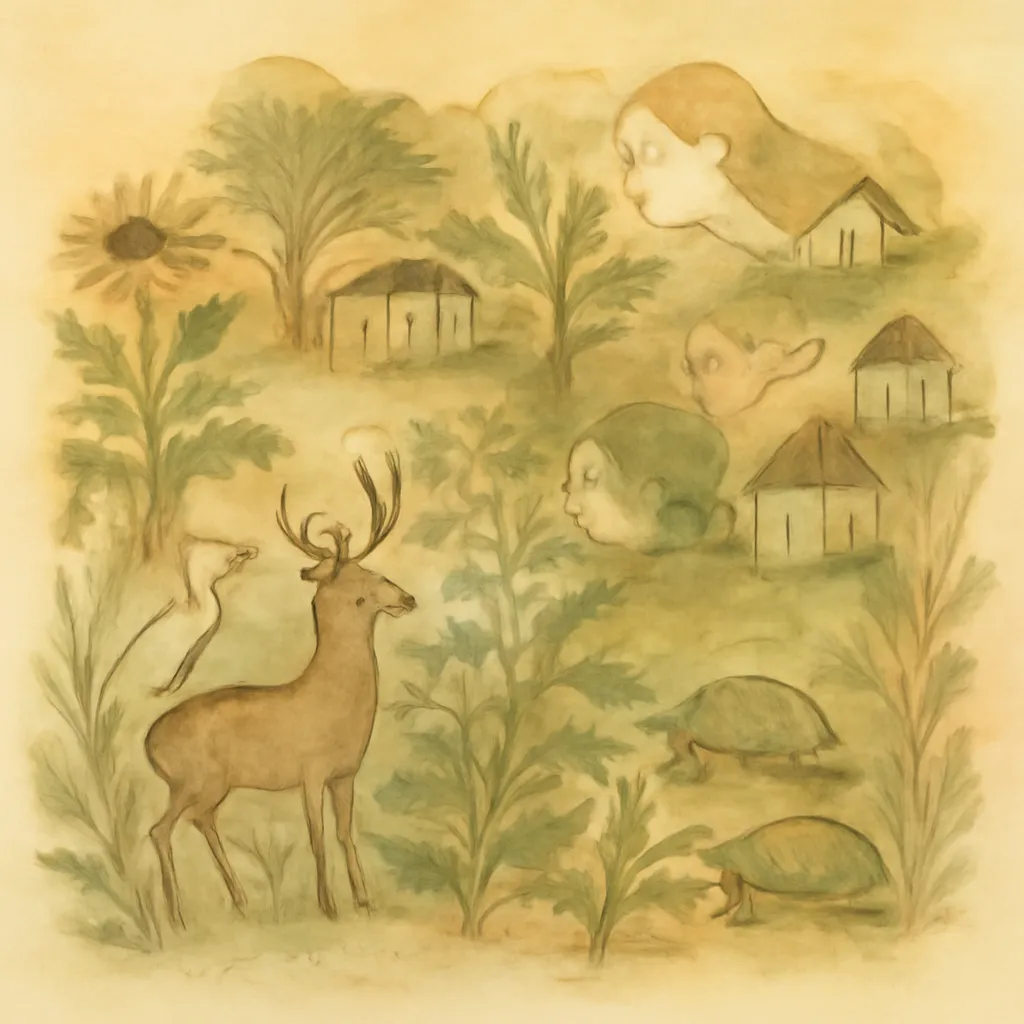
1.The Gaia Hypothesis Revisited
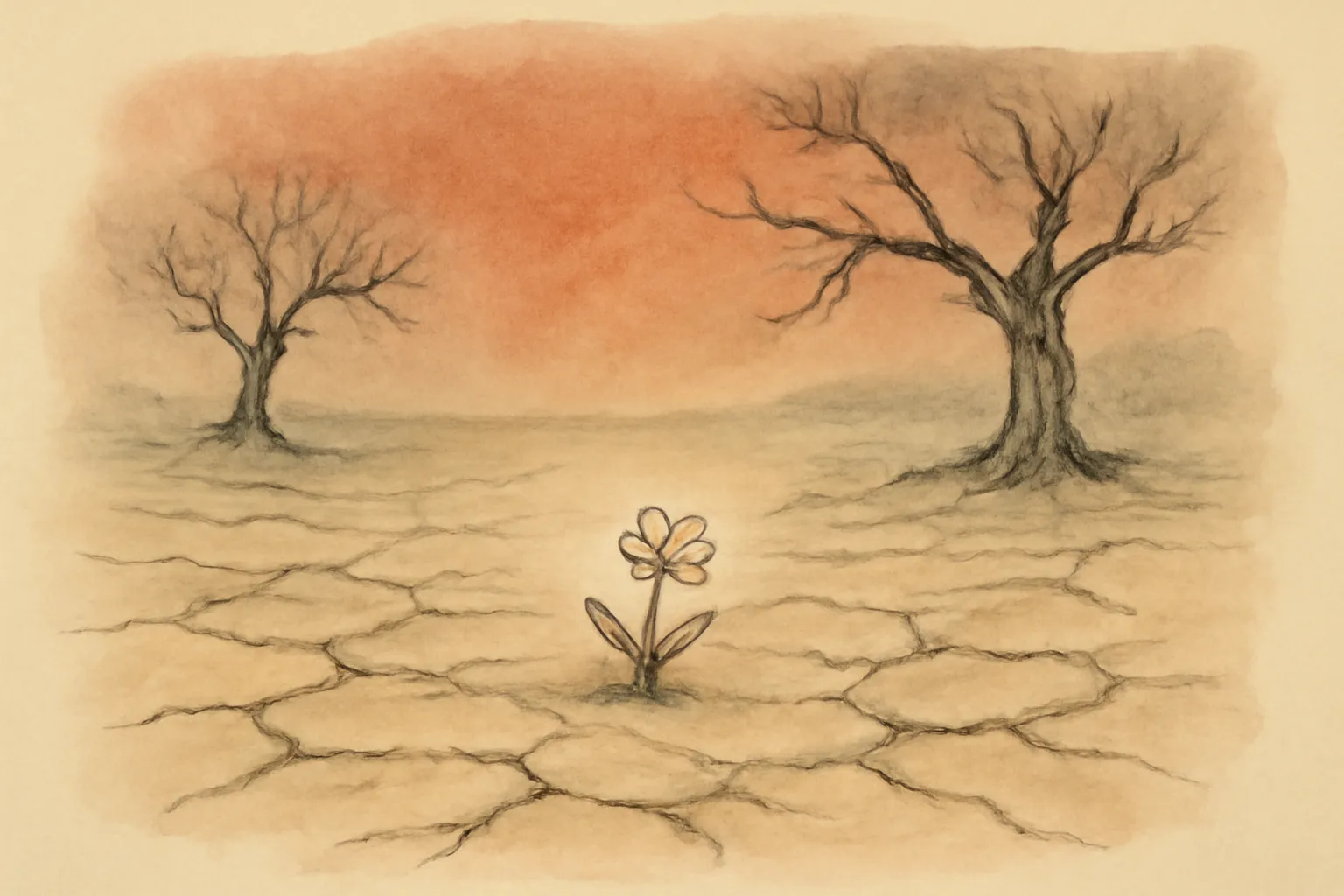
Lovelock’s Gaia theory, which sees Earth as a self-regulating, living organism, is the foundation of the book. Here, he argues that human activity has pushed Gaia’s systems to a breaking point, threatening the stability that has supported life for millennia. Rather than a passive backdrop, Earth is depicted as an active participant, capable of restoring balance—sometimes in ways hostile to humanity. This reframing demands humility from humans, who are not stewards but disruptive inhabitants of a much larger system.
2.Imminent Climate Tipping Points
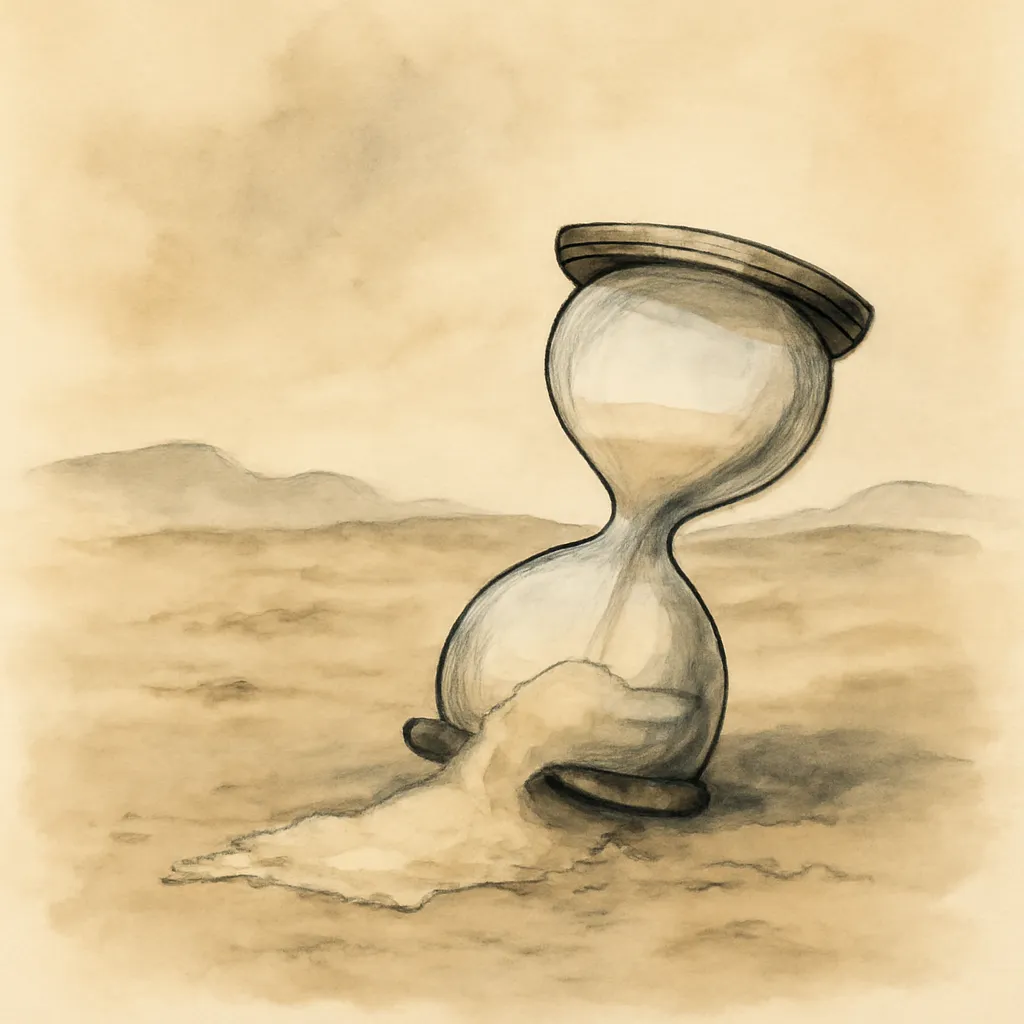
Lovelock warns that the planet is approaching critical thresholds—tipping points—beyond which climate change will accelerate uncontrollably. He suggests that feedback loops, such as melting ice reducing the Earth’s reflectivity or dying forests releasing carbon, could rapidly worsen global warming. The book’s urgency comes from Lovelock’s conviction that these points are much closer than most policymakers or scientists admit.
3.Limits of Sustainable Development
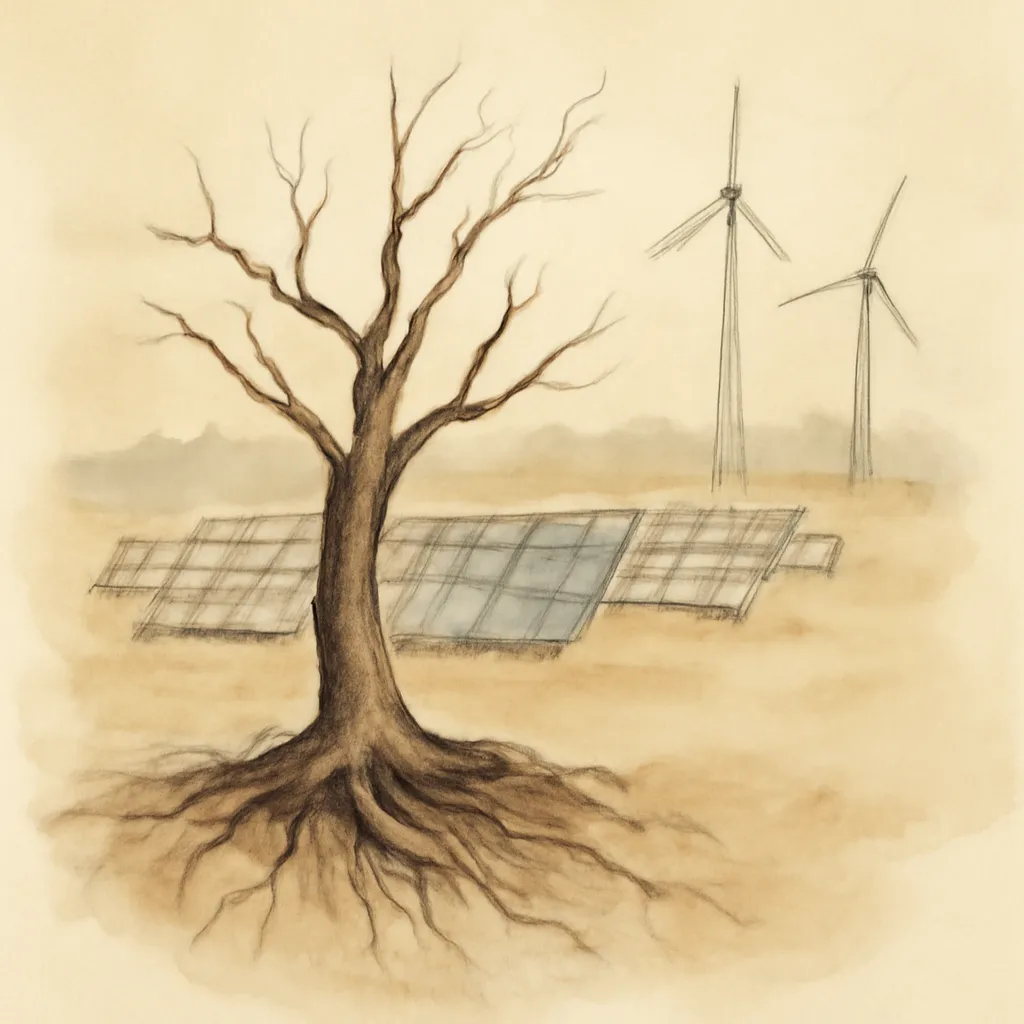
Lovelock is deeply skeptical of the mainstream environmental movement’s faith in sustainable development and renewable energy. He argues that incremental changes and green technologies are insufficient given the scale and speed of the crisis. Instead, he controversially advocates for solutions like nuclear power as a necessary, if imperfect, bridge to prevent catastrophic warming.
4.Humanity’s Vulnerability and Hubris
A central theme is the danger of human arrogance—believing we can control or engineer the planet’s systems. Lovelock contends that civilization’s technological prowess has blinded us to our dependence on Gaia’s delicate balance. He warns that unless we recognize our vulnerability, we risk triggering a planetary response that could drastically reduce the human population and civilization as we know it.
5.The Need for Radical Adaptation
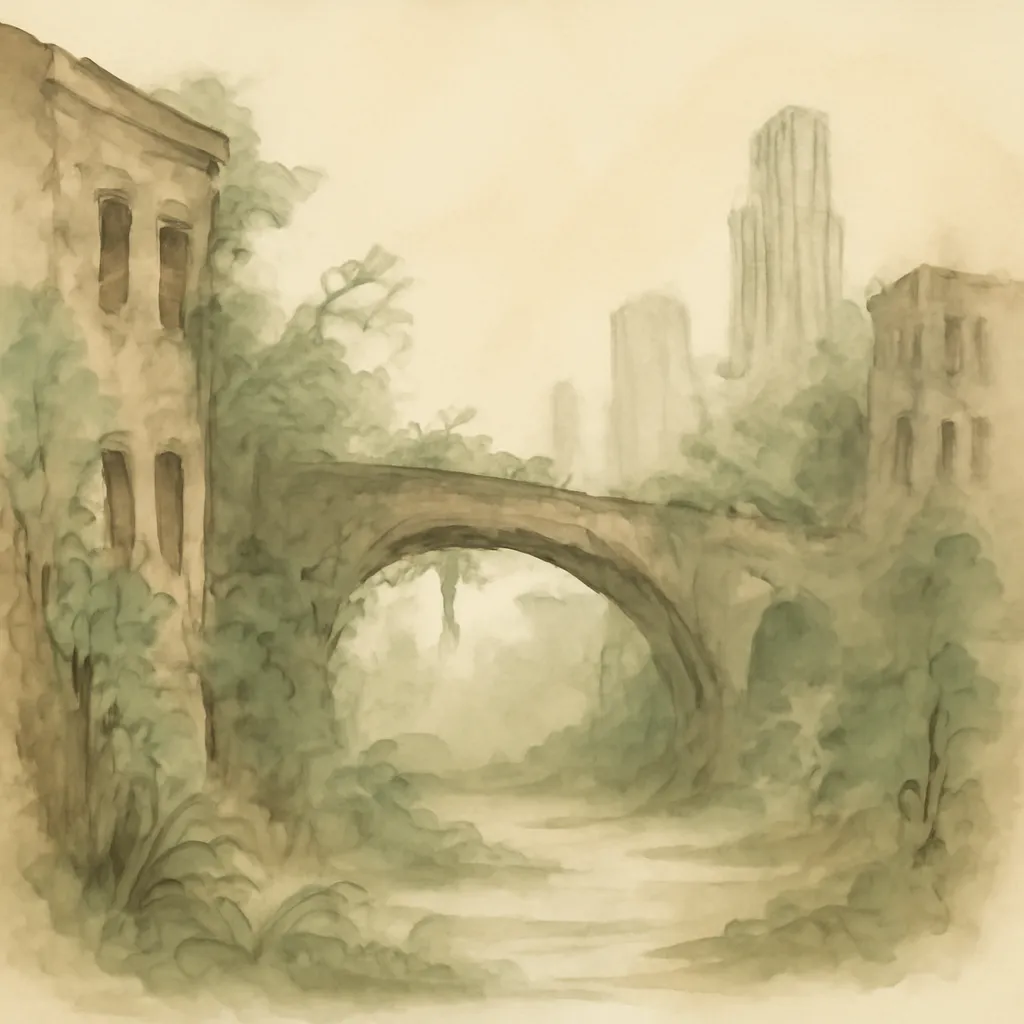
Rather than focusing solely on prevention, Lovelock urges humanity to prepare for a hotter, less hospitable world. He advocates for adaptation strategies—such as relocating populations, redesigning cities, and rethinking agriculture—to survive the coming upheaval. This pragmatic, sometimes bleak outlook distinguishes his approach from more optimistic environmental narratives.
6.Ethics and the Value of Life
Lovelock challenges anthropocentrism, arguing that the health of Gaia as a whole should take precedence over individual human interests. He suggests that ethical frameworks must expand to consider the biosphere’s needs, not just humanity’s, and that our survival depends on aligning with planetary limits.