

Environmental sciences · Popular works · Gaia hypothesis
The Revenge of Gaia: Earth's Climate Crisis and the Fate of Humanity by James Lovelock — Summary, Key Ideas & Quotes
2006192 pages✦ 3-min Big ideas★ 3.5 (2)
Rate it
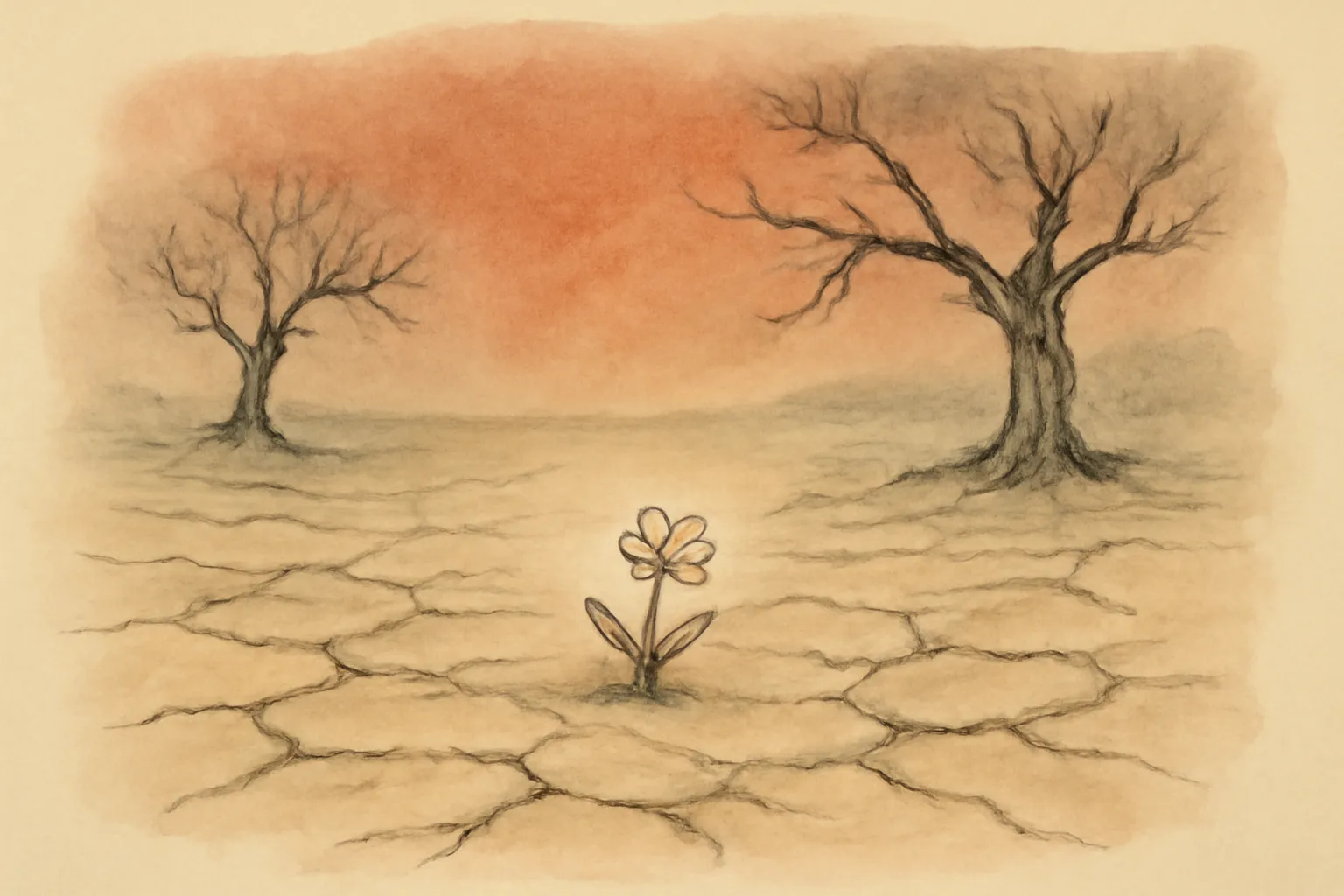
Lovelock’s Gaia theory, which sees Earth as a self-regulating, living organism, is the foundation of the book. Here, he argues that human activity has pushed Gaia’s systems to a breaking point, threatening the stability that has supported life for millennia. Rather than a passive backdrop, Earth is depicted as an active participant, capable of restoring balance—sometimes in ways hostile to humanity. This reframing demands humility from humans, who are not stewards but disruptive inhabitants of a much larger system.
Lovelock warns that the planet is approaching critical thresholds—tipping points—beyond which climate change will accelerate uncontrollably. He suggests that feedback loops, such as melting ice reducing the Earth’s reflectivity or dying forests releasing carbon, could rapidly worsen global warming. The book’s urgency comes from Lovelock’s conviction that these points are much closer than most policymakers or scientists admit.
“Gaia is no doting mother, tolerant of our sins, nor is she some delicate damsel in danger from brutal mankind.”
“We are now so numerous, so powerful, and so all-pervading that we have become a serious threat to Gaia’s health.”
“The planet we live on has merely to shrug to take some fraction of a million people to their deaths.”