1.The Rift: Worlds in Collision
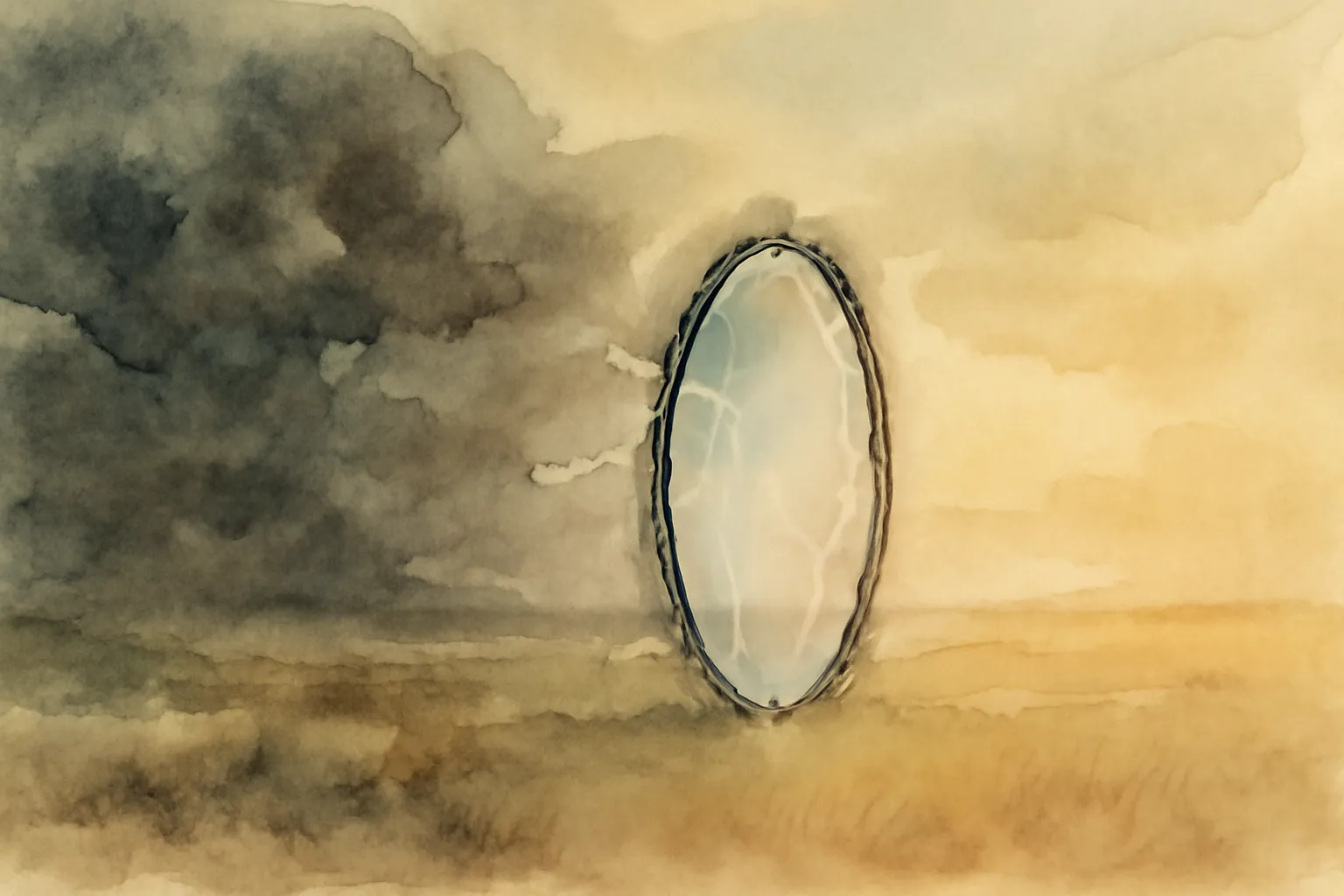
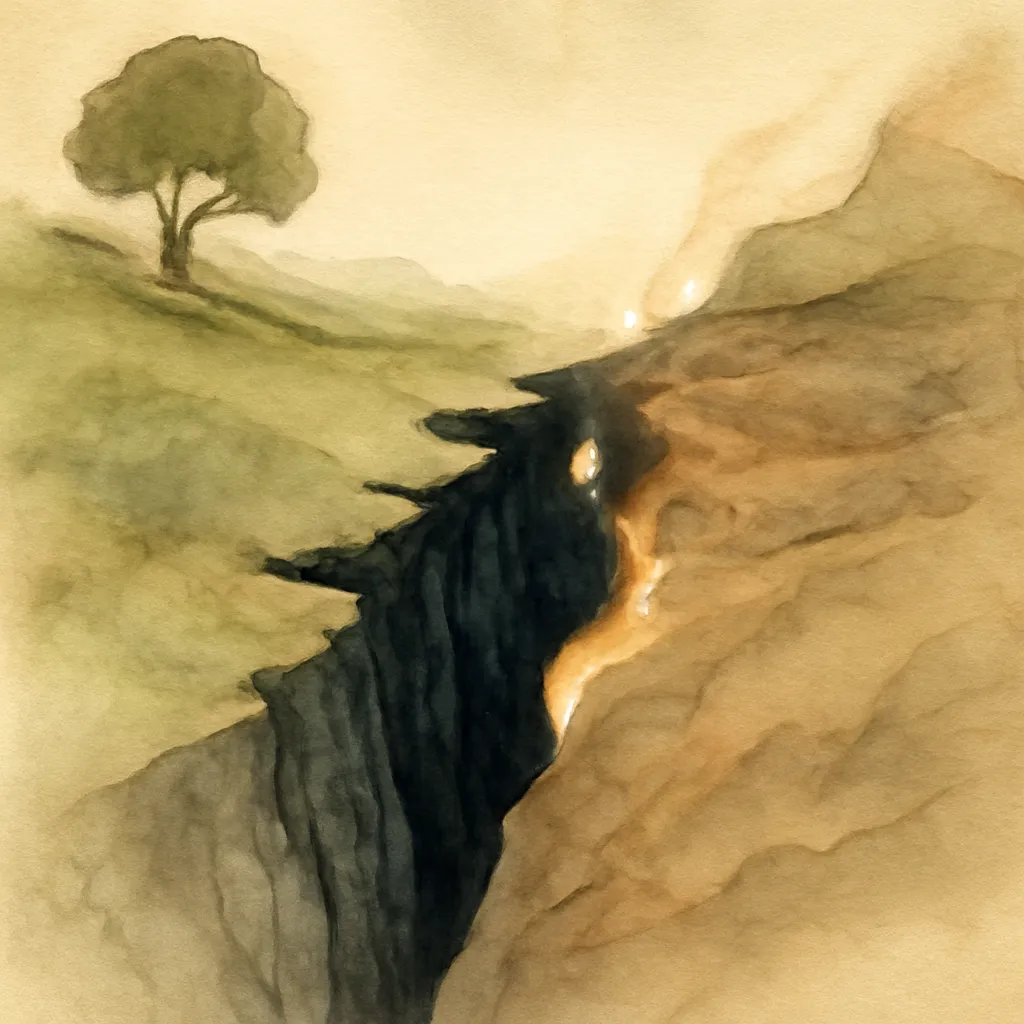
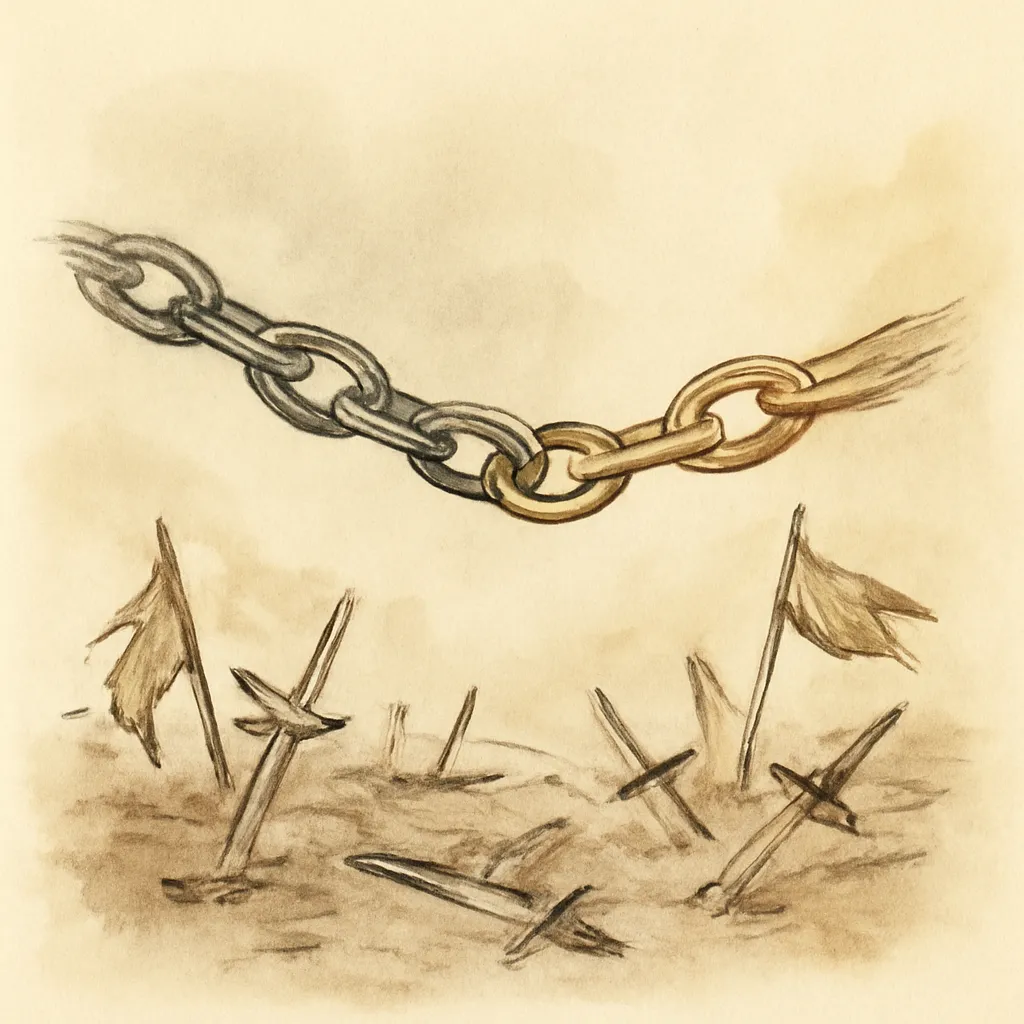
At the heart of Magician is the literal and metaphorical rift between two worlds—Midkemia and Kelewan—brought into contact by a magical breach. This collision is not just a backdrop for war, but a catalyst for exploring cultural exchange, misunderstanding, and adaptation. Feist uses the rift to examine how societies react to the unknown, and how individuals are shaped by forces beyond their control.
2.Coming of Age Amid Chaos
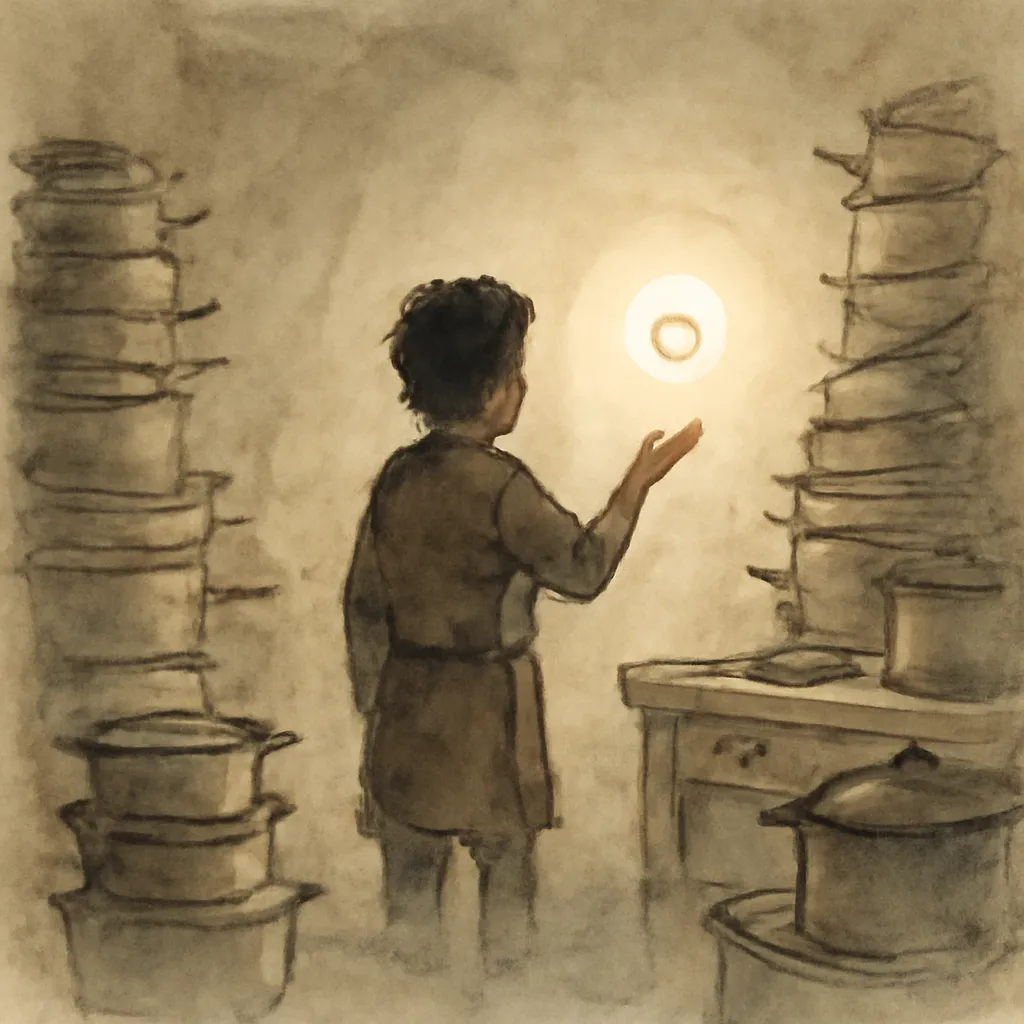
The story follows Pug, an orphaned kitchen boy whose latent magical abilities thrust him into the center of the conflict. His journey from obscurity to power is a classic coming-of-age arc, but Feist complicates it with moral ambiguity and personal sacrifice. The novel probes what it means to grow up when the world itself is being remade, and how identity is forged through adversity.
3.The Nature and Price of Power
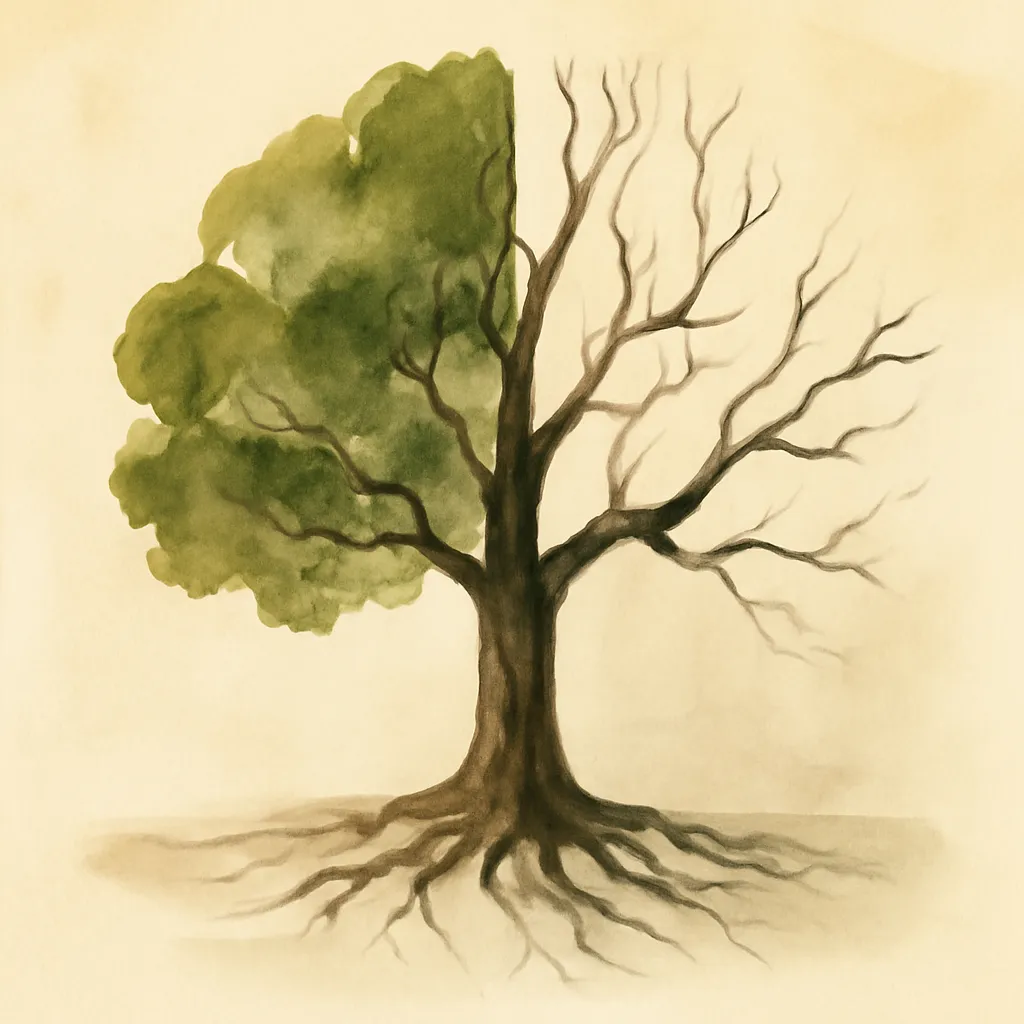
Magic in Magician is both wondrous and perilous, representing the double-edged sword of power. Pug’s mastery comes at a personal cost, and the saga questions whether great power can ever be wielded without consequence. Feist explores the responsibilities that come with ability, and the temptation to use power for personal or political ends.
4.Friendship, Loyalty, and Betrayal
Relationships drive the emotional core of the novel, especially the enduring friendship between Pug and Tomas. Their paths diverge dramatically, yet their loyalty is tested by war, transformation, and the lure of ancient forces. Feist delves into the bonds that tie people together and the ways in which loyalty can be both a strength and a vulnerability.
5.War as Catalyst and Catastrophe
The Riftwar is not just a backdrop for heroics; it is a devastating force that reshapes societies, destroys innocence, and forces characters to confront harsh realities. Feist does not romanticize conflict; instead, he presents war as a crucible that reveals character and exposes the fragility of peace.
6.Cultural Complexity and World-Building
Feist’s world-building is notable for its depth and attention to cultural nuance. The Tsurani, invaders from Kelewan, are not portrayed as simple villains but as a complex society with its own traditions and motivations. This nuanced portrayal elevates the conflict beyond good versus evil, inviting readers to empathize with all sides.