1.Survival Versus Meaning
At its core, The Road is not just about physical survival in a post-apocalyptic world, but about what makes survival meaningful. The father and son’s journey is fraught with danger, hunger, and the constant threat of violence, yet the narrative dwells equally on their emotional and moral endurance. The struggle is not merely to stay alive, but to retain a sense of purpose and decency in a world where such concepts seem obsolete. The novel asks: Is it enough to survive, or must we also preserve our humanity?
2.The Bond Between Parent and Child
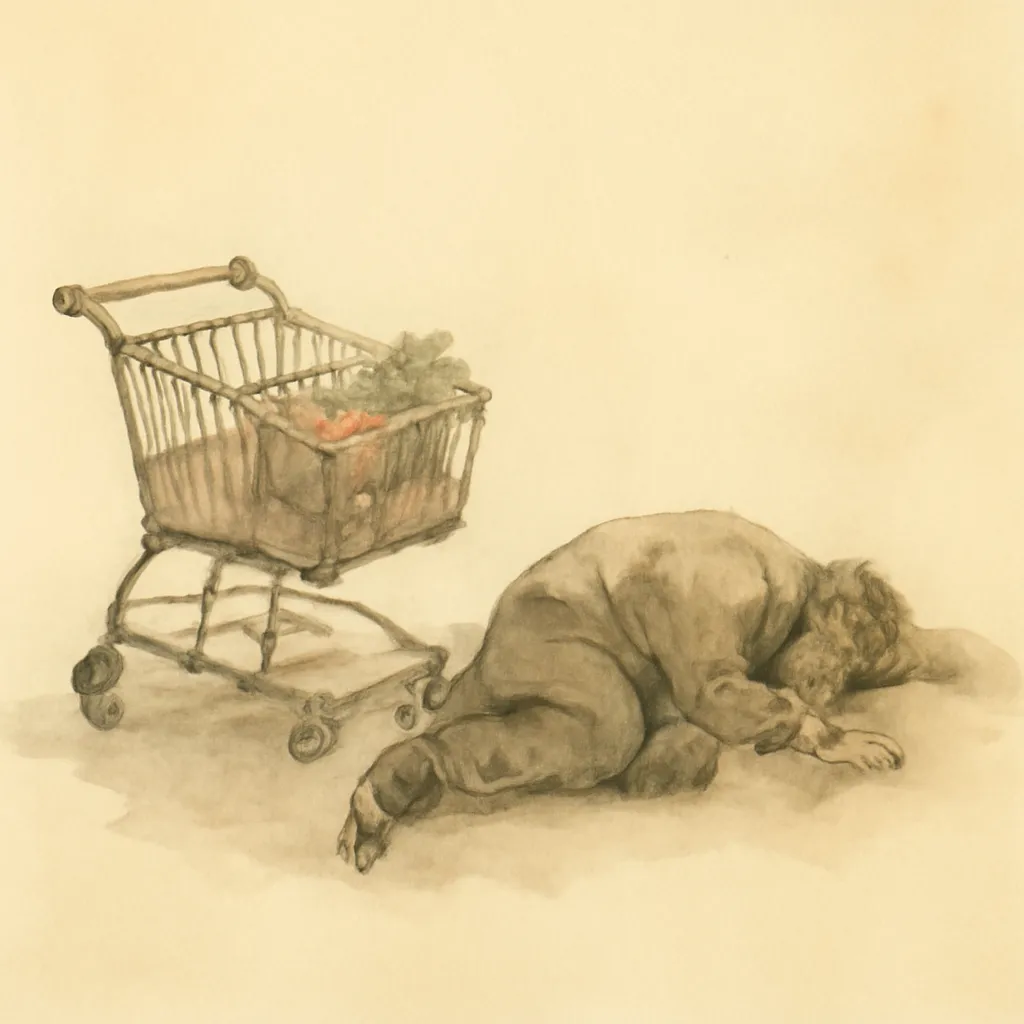
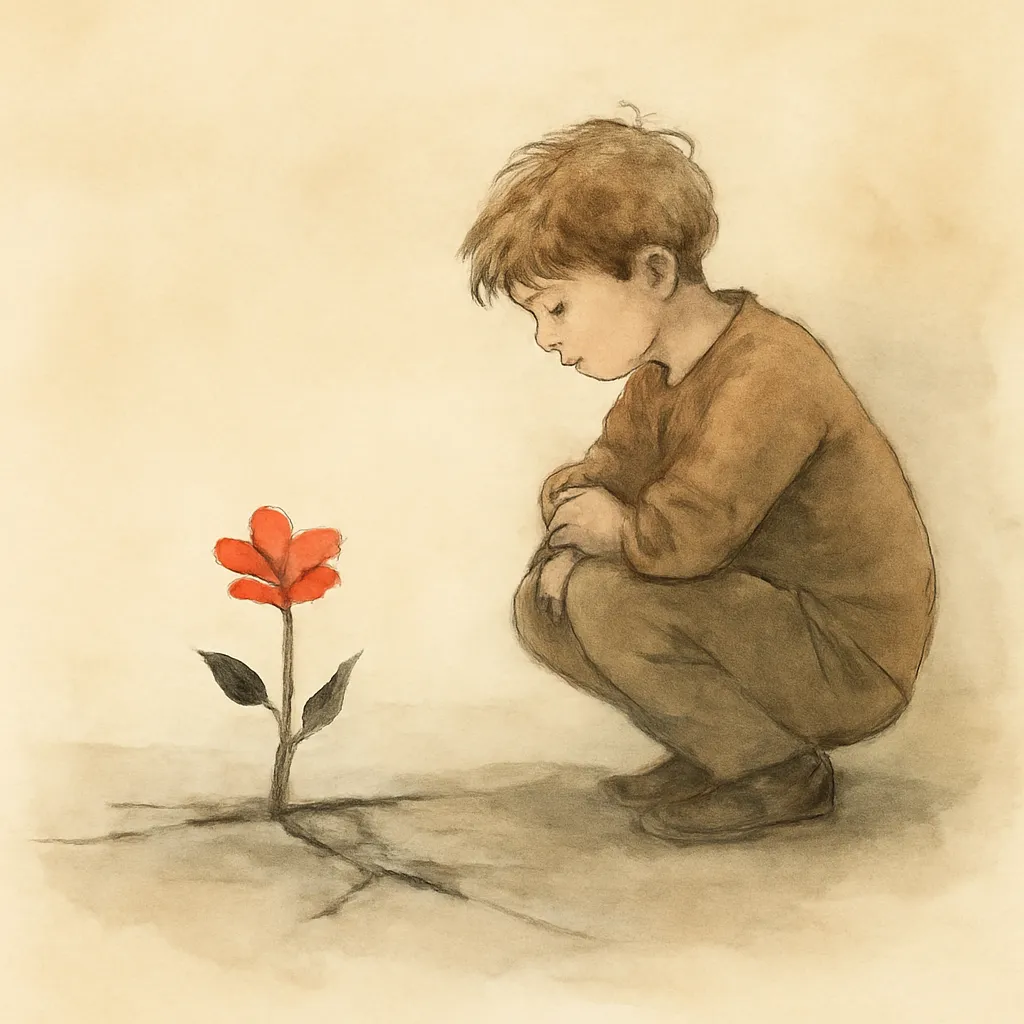
The relationship between the man and his son is the emotional anchor of the novel. Their love is expressed not through grand gestures, but through small acts of care, teaching, and sacrifice. The father’s fierce protectiveness and the boy’s innocence and compassion create a dynamic that is both heartbreaking and hopeful. This bond is presented as the last vestige of goodness in a world otherwise consumed by brutality and despair.
3.Moral Choices in a Lawless World
McCarthy explores the erosion and persistence of morality when societal structures collapse. The father and son frequently face choices that pit their survival against their ethics—whether to help strangers, how to treat the dead, and how to avoid becoming like the marauders they fear. The phrase 'carrying the fire' becomes a metaphor for maintaining moral integrity, even when it seems pointless or dangerous.
4.The Landscape of Desolation
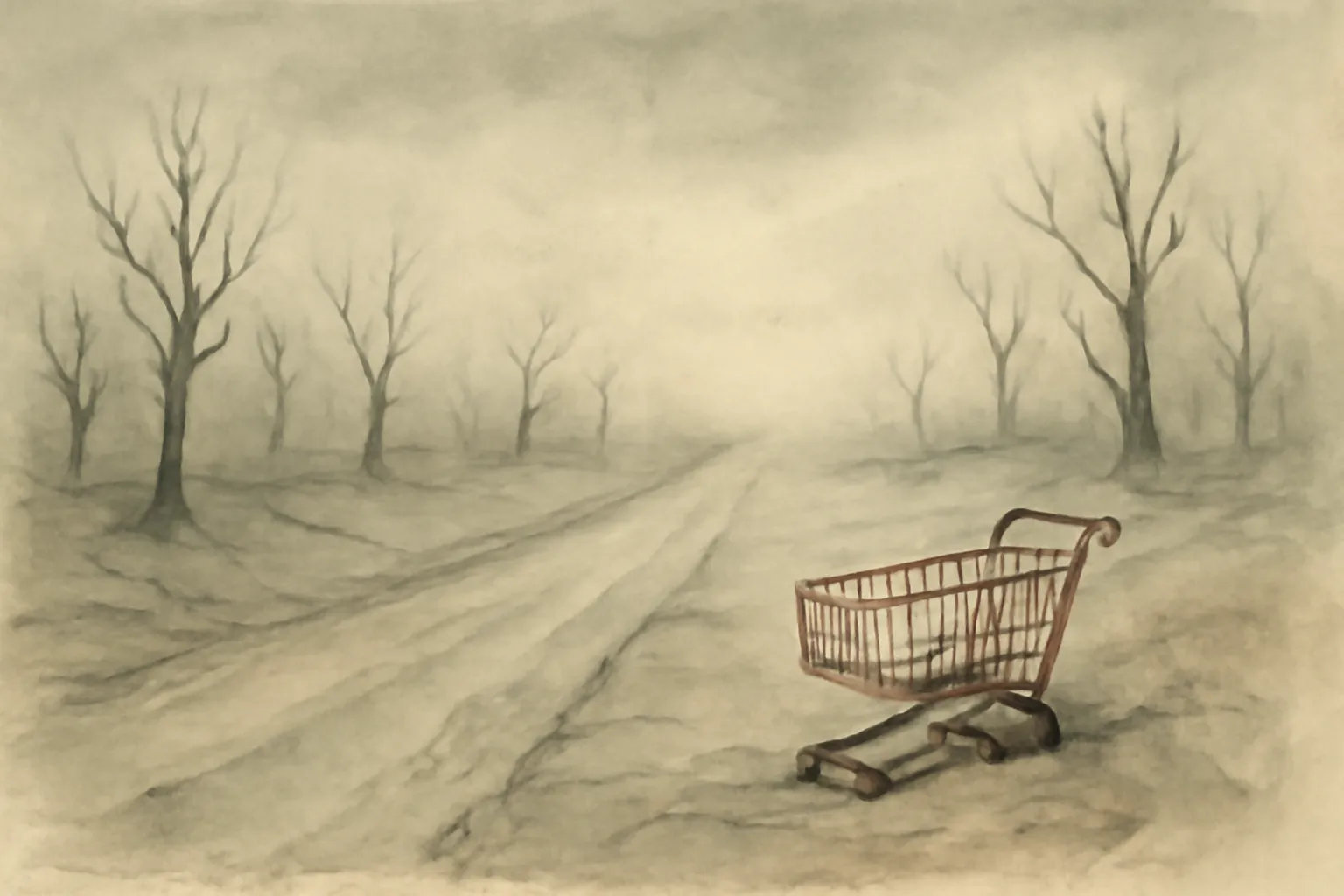
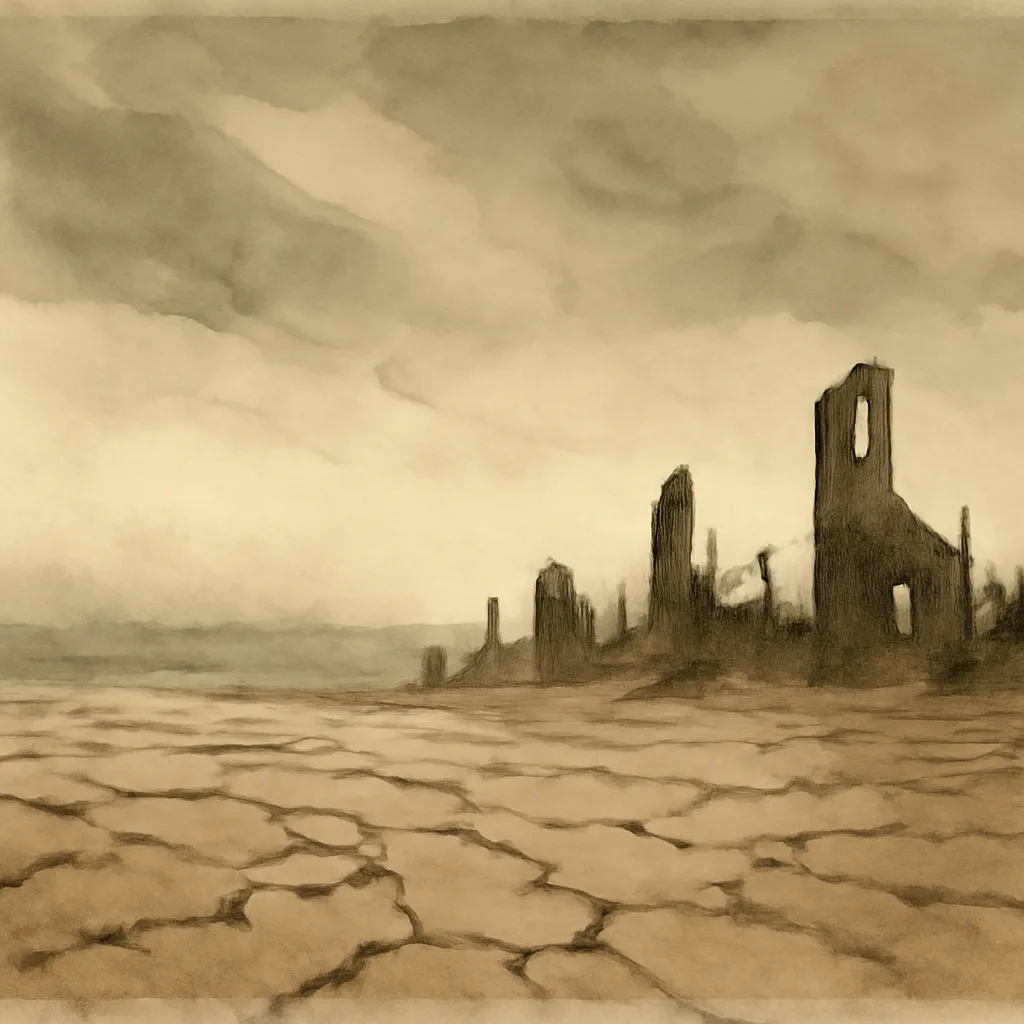
The setting is almost a character itself: a world reduced to ash, cold, and silence. McCarthy’s spare, poetic prose paints a relentless portrait of devastation, emphasizing the fragility of life and the indifference of nature. This bleak environment intensifies the sense of isolation and the urgency of the protagonists’ quest, while also stripping human experience to its raw essentials.
5.Hope and Hopelessness
Despite the overwhelming bleakness, The Road is not entirely devoid of hope. The boy, in particular, embodies the possibility of goodness and renewal. His insistence on kindness and his questions about right and wrong suggest that even in the darkest times, the seeds of compassion and hope can survive. The novel balances despair with moments of grace, leaving readers to ponder whether hope is an act of faith or folly.
6.Language and Style
McCarthy’s writing is famously austere, stripped of punctuation and ornamentation, echoing the stripped world he describes. This style immerses the reader in the immediacy of the characters’ experience, heightening both the horror and the tenderness. The minimalism forces attention onto what is essential, mirroring the characters’ own narrowed focus on survival and love.