1.The Haunting Legacy of Old Houses
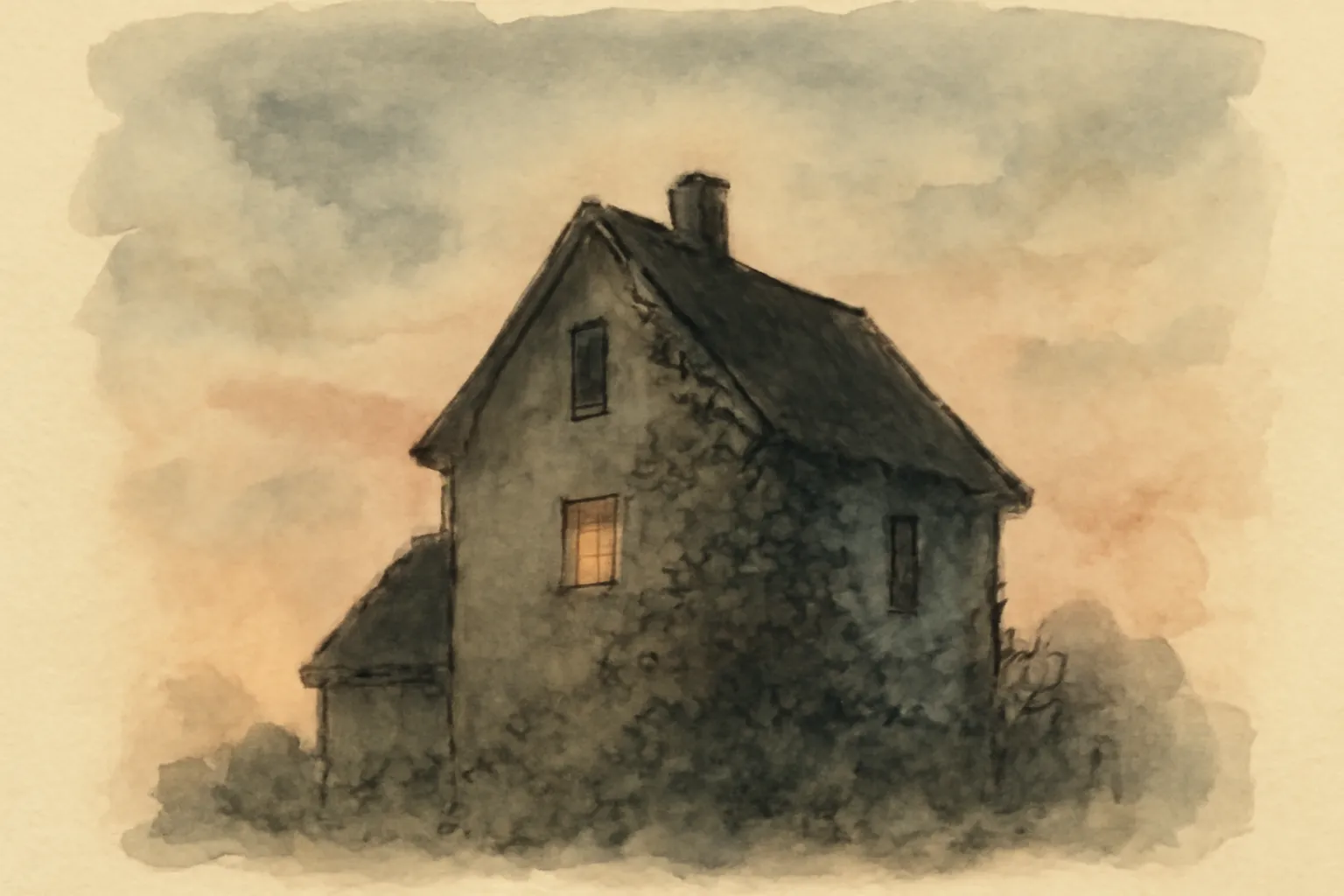
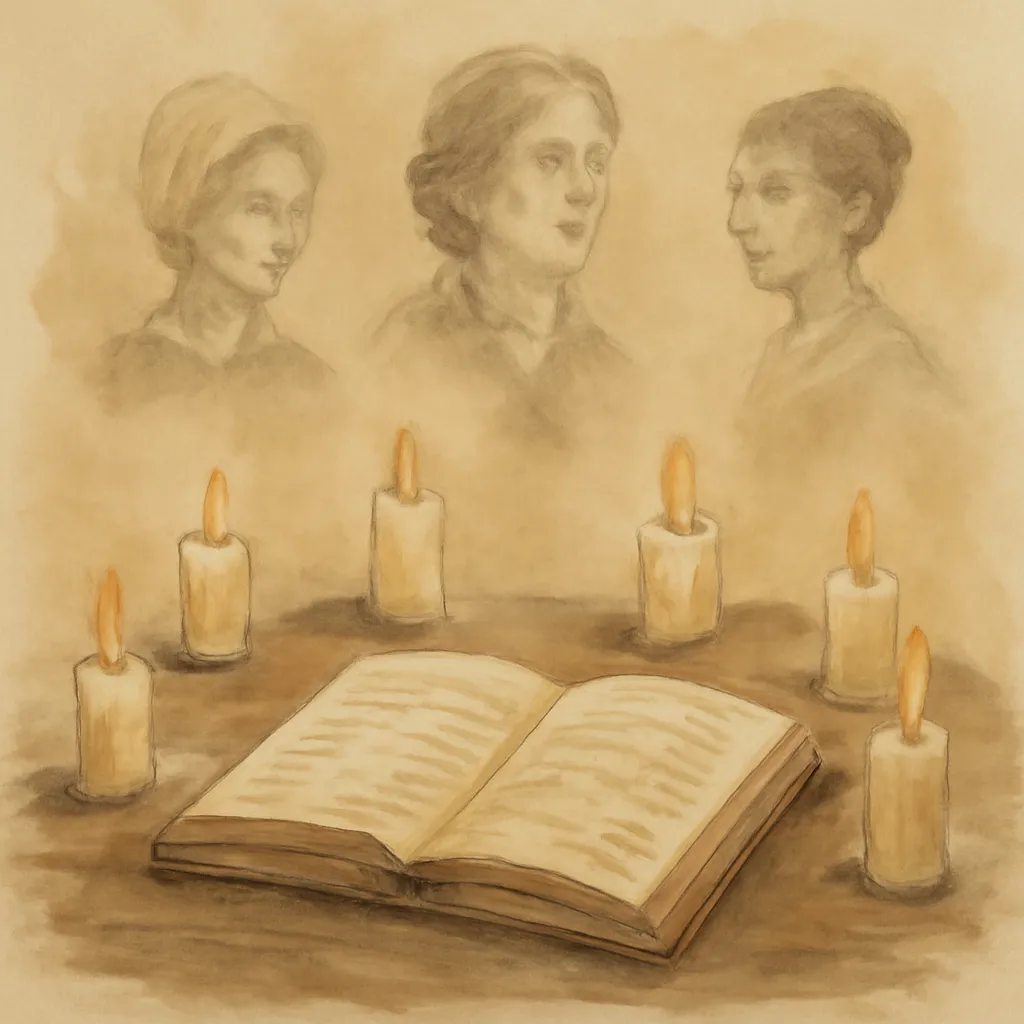
Crawford opens her exploration with a poignant reminder that all houses where people have lived and died carry echoes of their past inhabitants. This notion suggests that history is not merely a collection of dates and events but is alive within the very structures people once called home. By emphasizing the idea that these houses are haunted, she invites readers to consider the stories that linger in their shadows, thereby creating an emotional connection to the places that shape our culture and identity. The tales told within these walls are often filled with passion, conflict, and love, making them relatable and captivating, as they resonate with the universal human experience. This deep connection to the past not only enriches our understanding of local history but also encourages us to reflect on how we honor those who came before us in our own lives.
2.The Story of Fair Agnes
In 'The Maid of Marblehead', Crawford recounts the life of Fair Agnes, a captivating figure whose beauty and spirit enchanted those around her. This tale serves as a microcosm of the larger struggles faced by women of the time, particularly in the context of social expectations and personal desires. Agnes’s story is one of resilience, as she navigates the complexities of love and societal pressure. The narrative also reflects the maritime culture of Marblehead, revealing how the lives of women were intertwined with the fortunes of seafaring men. Through Agnes’s eyes, we see her dreams and aspirations challenged by the constraints placed upon her by society. Crawford skillfully illustrates how Agnes's journey is emblematic of many women of her era, highlighting their strength and agency in a patriarchal society, and shedding light on the lesser-known narratives that contribute to the broader story of American history.
3.The Echoes of Revolutionary War
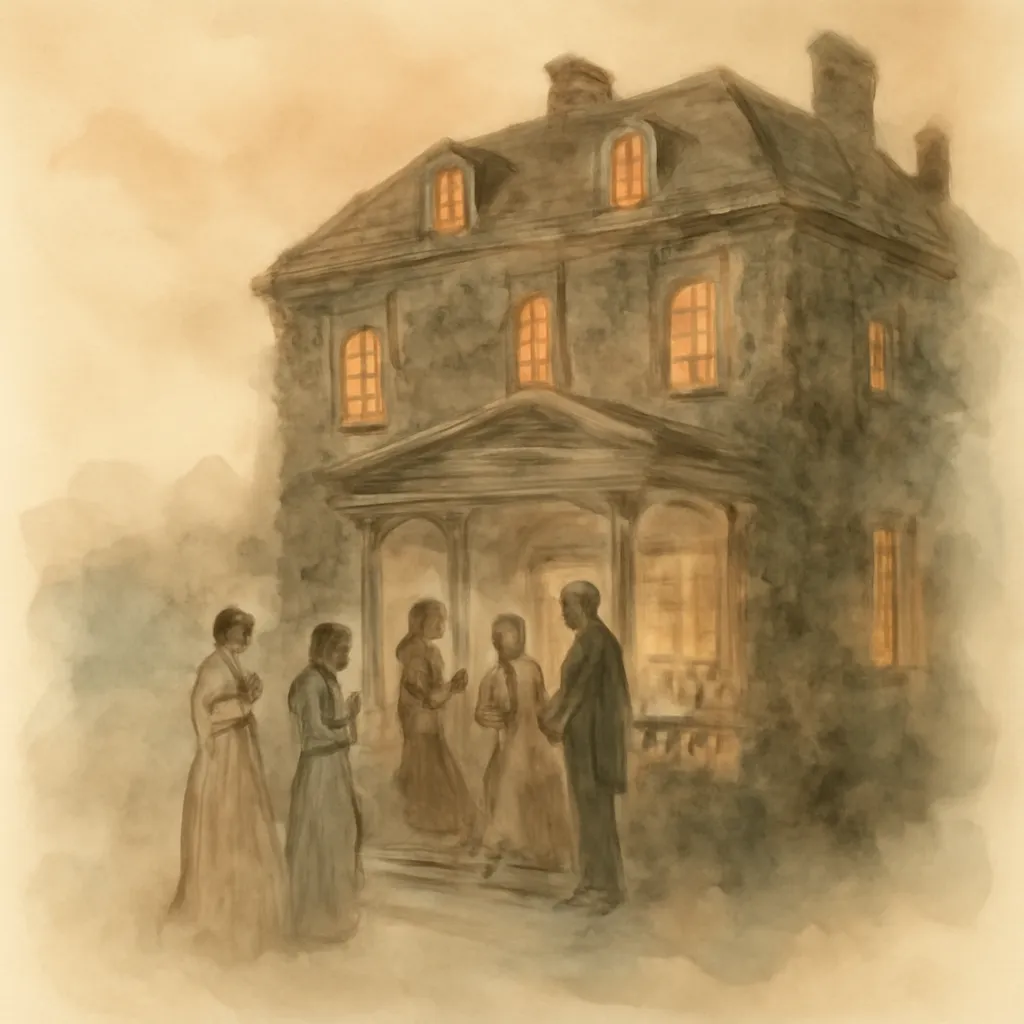
Crawford delves into the turbulent times of the American Revolution, showcasing homes that served as crucial meeting points for patriots. The chapter on 'Hancock's Dorothy Q' paints a vivid picture of John Hancock and his fiancée, Dorothy Quincy, who found themselves at the center of revolutionary fervor. Their relationship is not just a personal love story but a reflection of the broader political landscape of their time. The couple’s home becomes a symbol of hope and resistance as they navigate the challenges posed by war. The details of their lives, intertwined with the events leading to the Declaration of Independence, illustrate how domestic spaces were often infused with the spirit of rebellion. This narrative emphasizes that the personal and political are inexorably linked and that the choices made within these homes had far-reaching implications for the nation as a whole.
4.The Romantic Ideal of the American Baronets
The chapter 'An American-Born Baronet' explores the life of Sir Harry Frankland, an Englishman who settled in New England and became a figure of local lore. His home, the Royall House in Medford, was a gathering place for influential figures of the colonial era. Crawford uses Frankland's life to reflect on the romantic ideals associated with nobility and the American experience. His story illustrates the blending of cultures, as Frankland navigates his English heritage while embracing the American frontier spirit. The narrative reveals how the allure of nobility was not solely based on title but on one’s contributions to society and community. This chapter prompts readers to rethink traditional narratives about class and status in colonial America, showing that character and action often define a person’s legacy far more than lineage.
5.Symbolism of the Lanterns
In 'The Message of the Lanterns', the author evokes the imagery of lanterns as symbols of hope and guidance during tumultuous times. The story revolves around the events leading up to Paul Revere's famous midnight ride, where lanterns were used as signals to alert the colonial militia of British movements. This chapter captures the urgency and excitement of the moment, providing insights into the everyday lives of those involved in the revolution. The lanterns, as physical objects, represent the illumination of knowledge and the importance of communication in times of crisis. Through this narrative, Crawford emphasizes the interconnectedness of ordinary citizens and the larger historical events that shape their lives. By highlighting the grassroots nature of the revolutionary effort, she underscores the power of collective action and the vital role that community played in achieving independence.
6.The Complexity of Loyalty and Betrayal
Crawford's exploration of loyalty and betrayal is poignantly illustrated in the story of Doctor Church, who is depicted as 'The First Traitor to the American Cause'. This narrative unpacks the complexities of personal relationships during a time of political upheaval. Doctor Church’s betrayal serves as a stark reminder of the divided loyalties that characterized the Revolutionary War. His choices highlight the moral dilemmas individuals faced when personal interests conflicted with patriotic duties. The story is gripping, detailing how friendships were tested and trust shattered as people navigated the treacherous waters of loyalty during wartime. This chapter prompts readers to reflect on the nature of loyalty, the consequences of betrayal, and the personal sacrifices made in the name of freedom, reminding us that history is often written by those who endure the greatest conflicts, both external and internal.
7.The Impact of Civil War on Families
In her exploration of the Civil War's impact on families, Crawford paints a vivid picture of the emotional turmoil experienced by those caught in the conflict. The chapter 'A Victim of Two Revolutions' presents a compelling narrative of individuals who faced the dual challenges of the American Revolution and the Civil War. The experiences chronicled in this segment highlight how civil unrest can fracture familial bonds, creating a tapestry of personal stories that reveal the human cost of war. The characters in this narrative are not merely victims of circumstance; they are complex individuals navigating their fates against the backdrop of a nation divided. This exploration emphasizes that the repercussions of conflict extend beyond the battlefield and affect the very fabric of society, transforming relationships and altering life paths in profound ways.
8.Women’s Contributions to History
Crawford also shines a light on the often-overlooked contributions of women throughout history. The chapter 'The Woman Veteran of the Contin' explores the life of a female veteran who played a significant role during the Revolutionary War. By centering her narrative, Crawford challenges traditional historical narratives that frequently marginalize women's experiences. This chapter not only celebrates the bravery and resilience of women but also underscores their active participation in shaping history. Through the lens of this woman's life, readers gain a deeper understanding of the multifaceted roles women played, often in the shadows of their male counterparts. This narrative fosters a broader appreciation for the contributions of women in warfare and civic life, affirming their place in the historical record.
9.The Enduring Nature of Historical Narratives
Crawford’s work emphasizes the importance of preserving historical narratives as they provide context and meaning to contemporary life. The stories of old New England rooftrees are not merely relics of the past but are integral to understanding the present. Each house, each story, contributes to a larger narrative that shapes regional identity and cultural heritage. By weaving together personal and collective histories, Crawford illustrates how the past continues to influence the present, creating a dialogue between generations. This perspective encourages readers to appreciate the significance of history in their own lives, prompting them to reflect on the legacies they inherit. The emotional depth of these narratives serves as a reminder that history is not static; it is dynamic and continually reshaped by those who remember and recount it.
10.The Role of Architecture in Storytelling
The architecture of New England homes serves as a canvas upon which stories are painted. Crawford explores the unique features of these homes, from their structural designs to the materials used, as reflections of the lives lived within them. The physical space of a house embodies the aspirations, struggles, and triumphs of its inhabitants. By examining the architectural elements in conjunction with the stories of their residents, Crawford reveals how buildings can communicate narratives that transcend time. This intersection of architecture and storytelling invites readers to consider how their environments shape their experiences and identities. By appreciating the craftsmanship and design of these historical homes, readers can better understand the values and lifestyles of the people who once occupied them, thus deepening their connection to the past.