1.The Birth of Tristan: A Child of Sadness
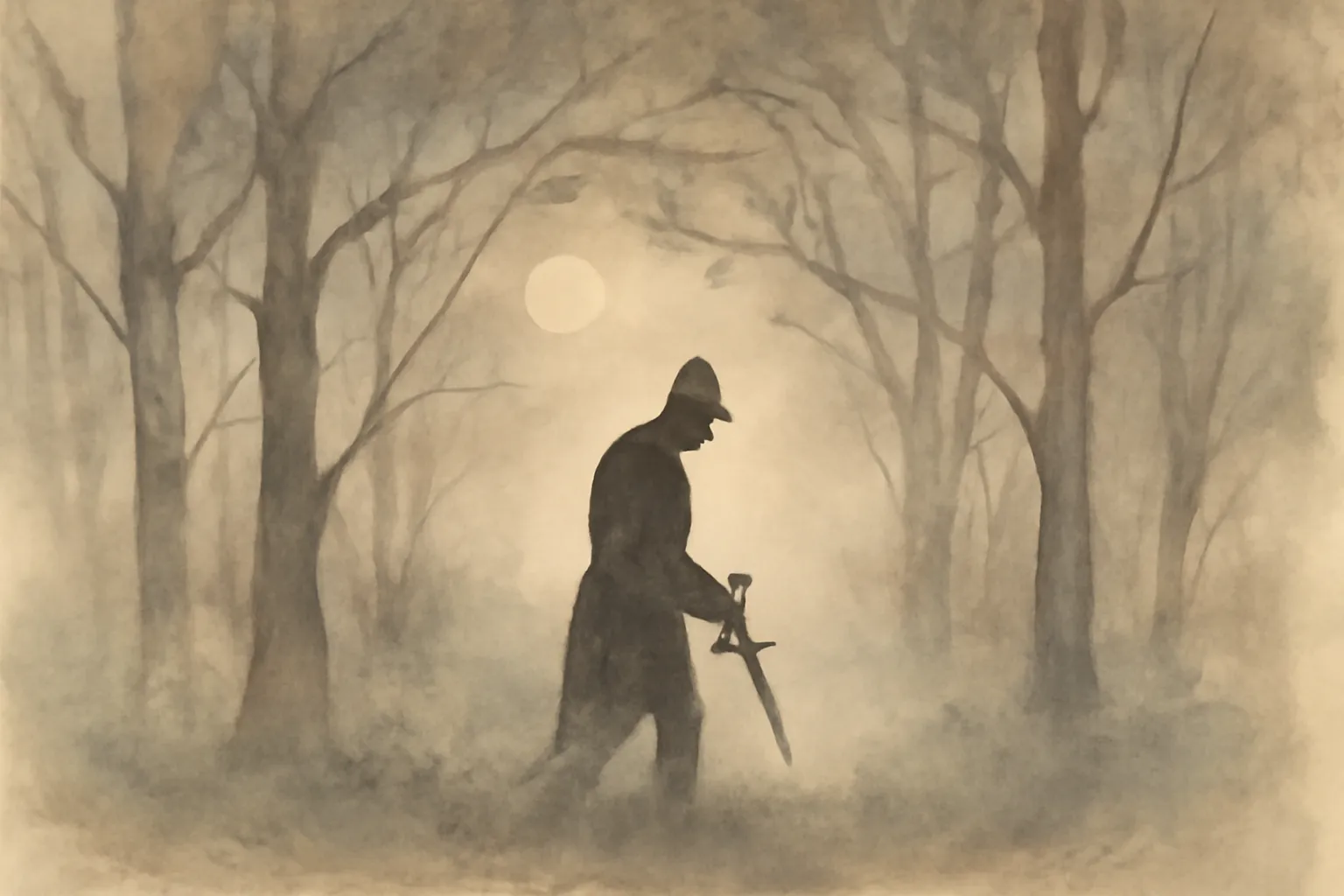
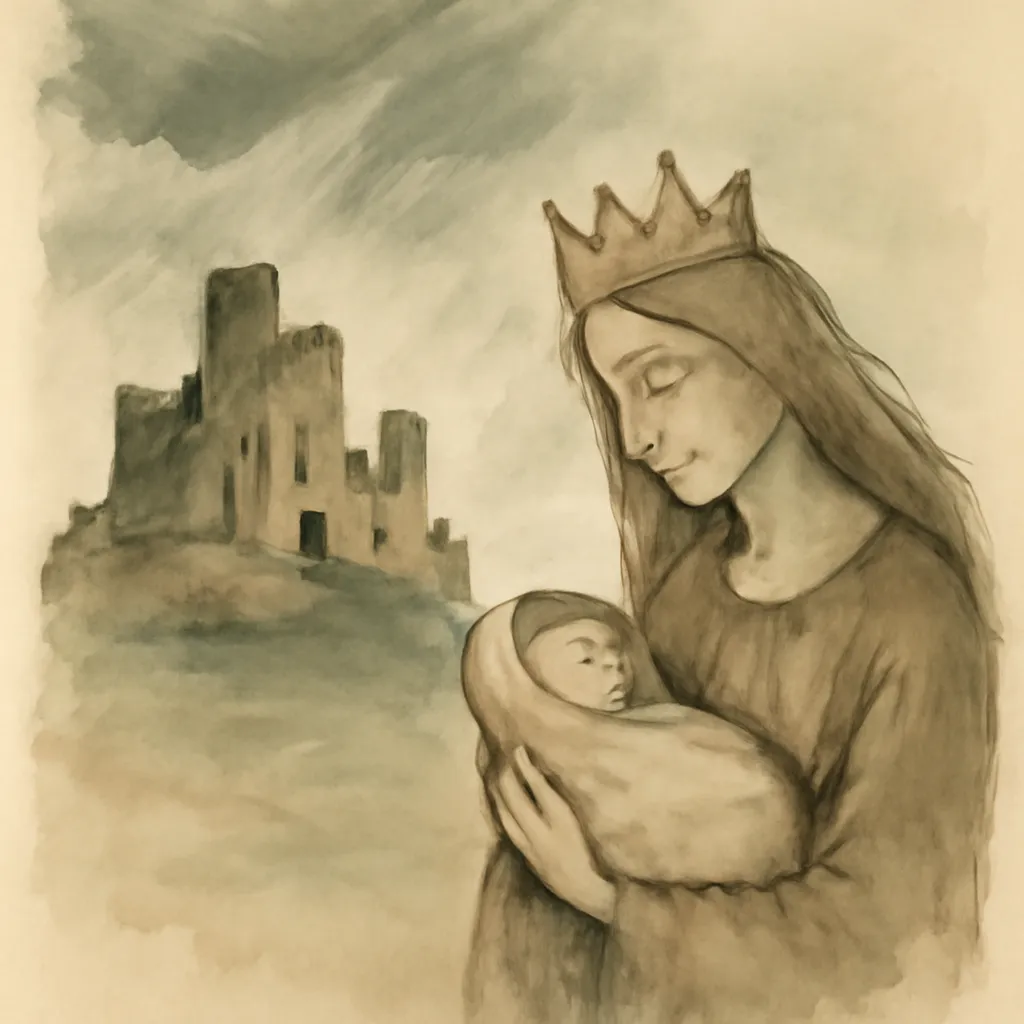
The story begins with the tragic origins of Tristan, born to King Rivalen of Lyonesse and his wife, Blanchefleur. Rivalen dies in battle before Tristan’s birth, leaving Blanchefleur in a state of deep sorrow. She names her son Tristan, meaning 'the child of sadness', reflecting the grief that shrouded his arrival into the world. This poignant backstory sets the tone for the entire narrative, establishing themes of loss and longing that will permeate Tristan’s life. As he grows up, Tristan becomes a symbol of bravery and honor, but the shadow of his tragic birth looms over him, foreshadowing the heartache that awaits. His childhood is marked by the duality of joy and sorrow, a dichotomy that will define his relationships and choices throughout the tale. This inherent sorrow serves as a constant reminder of the fleeting nature of happiness, cultivating a sense of inevitability about the tragedy that will ultimately befall him.
2.The Quest for the Lady with the Hair of Gold
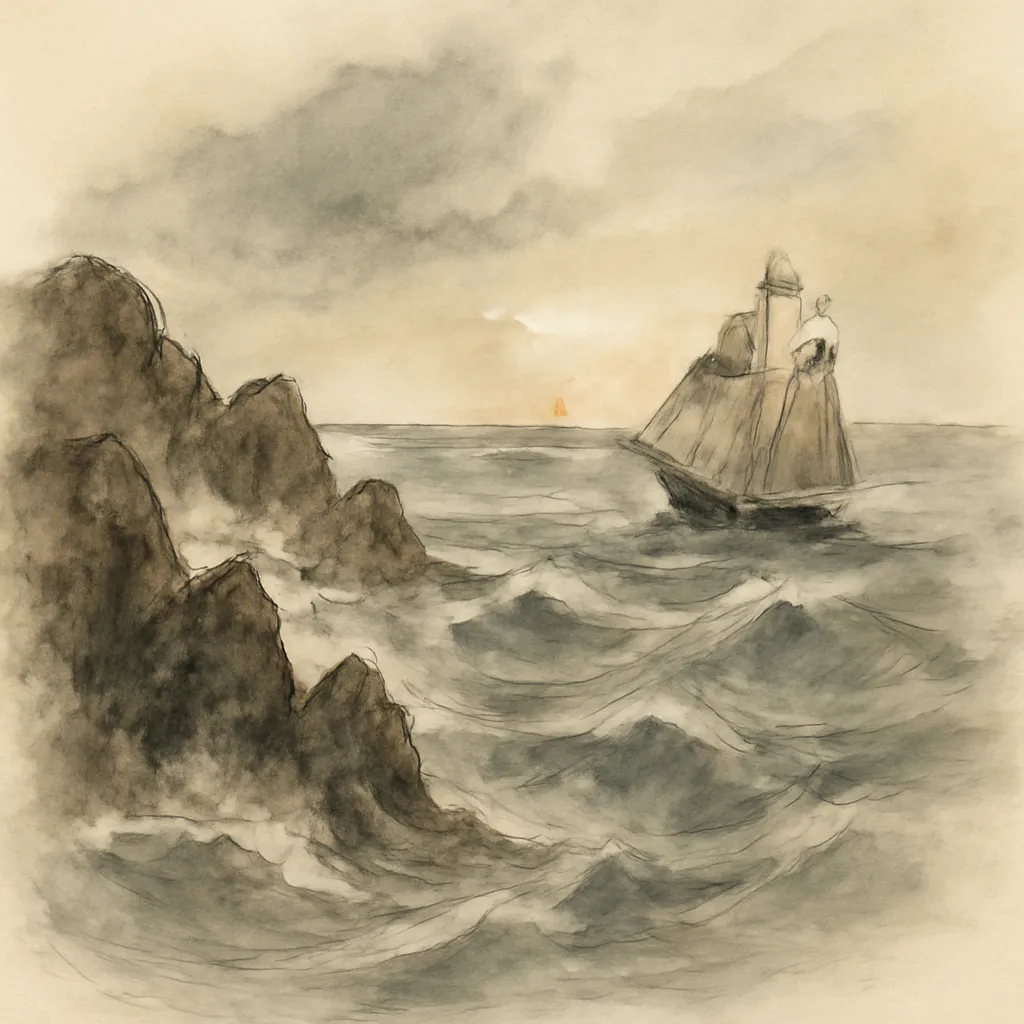
Tristan’s journey takes a pivotal turn when he is tasked with retrieving Iseult, the daughter of the King of Ireland, as a bride for his uncle, King Mark of Cornwall. This quest is fraught with danger, as Tristan must face the formidable Morholt, a champion of Ireland. Their battle is not just a test of strength but also a reflection of Tristan’s bravery and skill as a knight. Upon defeating the Morholt, Tristan’s reputation grows, but he is left with a wound that symbolizes the price of victory. The quest also introduces the theme of envy and betrayal, as the barons of Cornwall grow resentful of Tristan’s rising status. Their hatred for him becomes a driving force in the narrative, highlighting the treacherous nature of courtly politics and the lengths to which individuals will go to protect their interests. Tristan's success in his quest marks him as a hero, yet it simultaneously sows the seeds of discord among those who view him as a rival rather than an ally.
3.The Enchantment of Love: The Philtre
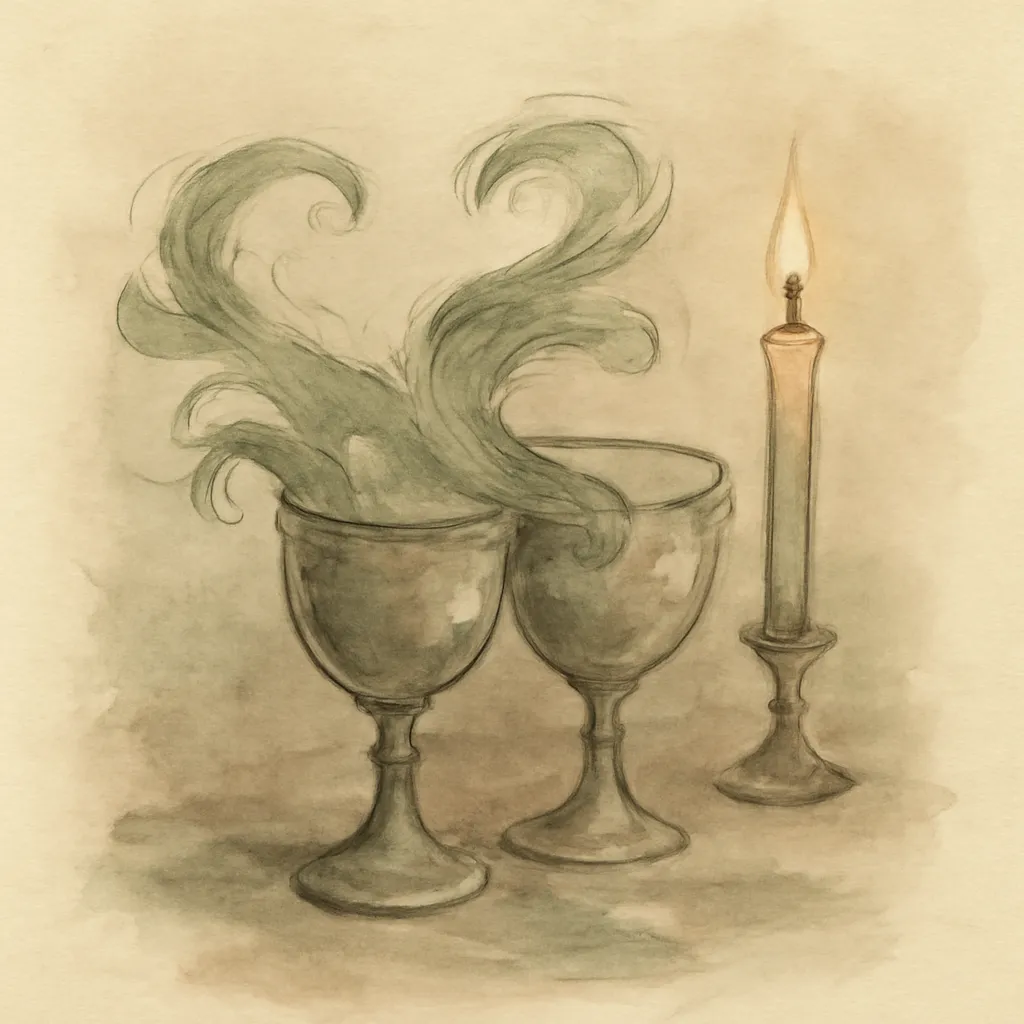
A pivotal moment occurs when Tristan and Iseult accidentally consume a love potion intended for Iseult and King Mark. This philtre binds them in an intense, uncontrollable love that transcends mere attraction. Their initial meeting is marked by a profound connection, but the potion complicates their feelings, igniting a passionate affair that defies their obligations. This supernatural element introduces the idea that love can be both a blessing and a curse, as it leads to both ecstasy and despair. The potion acts as a catalyst for their relationship, transforming their lives forever. As they navigate the complexities of their love, the potion symbolizes the unpredictable nature of desire and the consequences of giving in to passion without regard for consequences. The intoxicating effects of the philtre blur the lines between free will and destiny, raising questions about the nature of love itself—whether it is an uncontrollable force or a choice that individuals make in the face of societal expectations.
4.The Tragic Love Affair
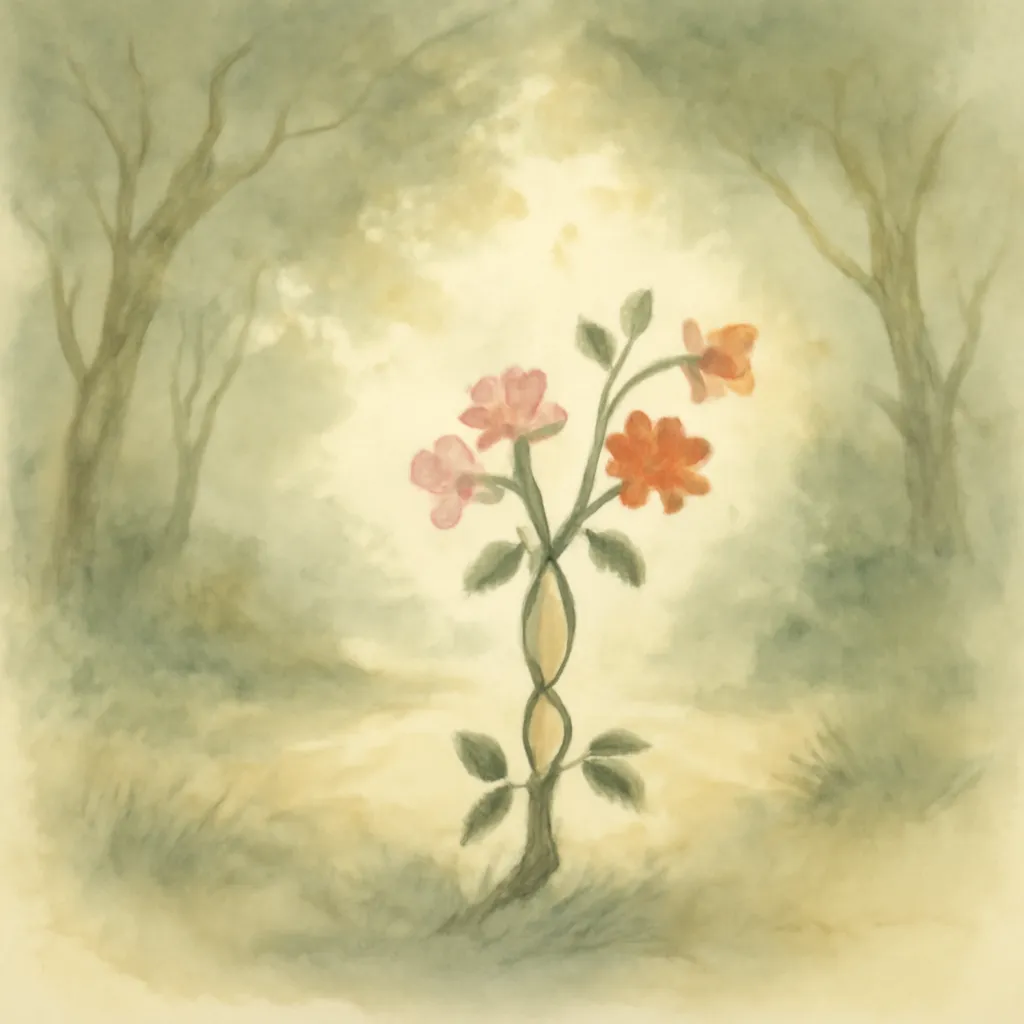
Tristan and Iseult’s love affair unfolds in secret, marked by moments of intense joy and profound sorrow. Their relationship is characterized by both devotion and deceit, as they must navigate the treacherous waters of loyalty to King Mark while pursuing their love. The tension escalates as they are forced to hide their feelings, leading to a series of clandestine meetings and passionate encounters. This secrecy adds a layer of urgency to their love, as they are acutely aware of the potential consequences if their affair is discovered. The lovers' bond deepens, yet so does the danger surrounding them, illustrating the theme that true love often comes with great sacrifice and peril. Each stolen moment brings both ecstasy and the specter of impending doom, reinforcing the idea that love is inseparable from pain. This duality captures the essence of their relationship, where joy is often tinged with sorrow, and fulfillment is overshadowed by the ever-present threat of separation.
5.Betrayal and the Fall from Grace
As their love affair continues, the barons' jealousy culminates in betrayal, leading to Tristan's wrongful accusation of treachery against King Mark. This pivotal moment illustrates the fragility of trust and honor in a world where loyalty is often overshadowed by ambition and envy. Tristan's commitment to Iseult is tested, as he faces the consequences of their love. The barons manipulate King Mark’s fears, using lies to turn him against his beloved nephew. This betrayal not only endangers Tristan but also threatens to destroy the love between him and Iseult. The narrative highlights the destructive power of jealousy and the ease with which love can be turned against itself. In a society where honor is paramount, the lovers find themselves caught in a web of deceit, illustrating the tragic irony of their situation. As Tristan grapples with his honor, he is forced to confront the harsh reality that love does not shield one from the malice of others.
6.The Ordeal by Iron: The Test of Love
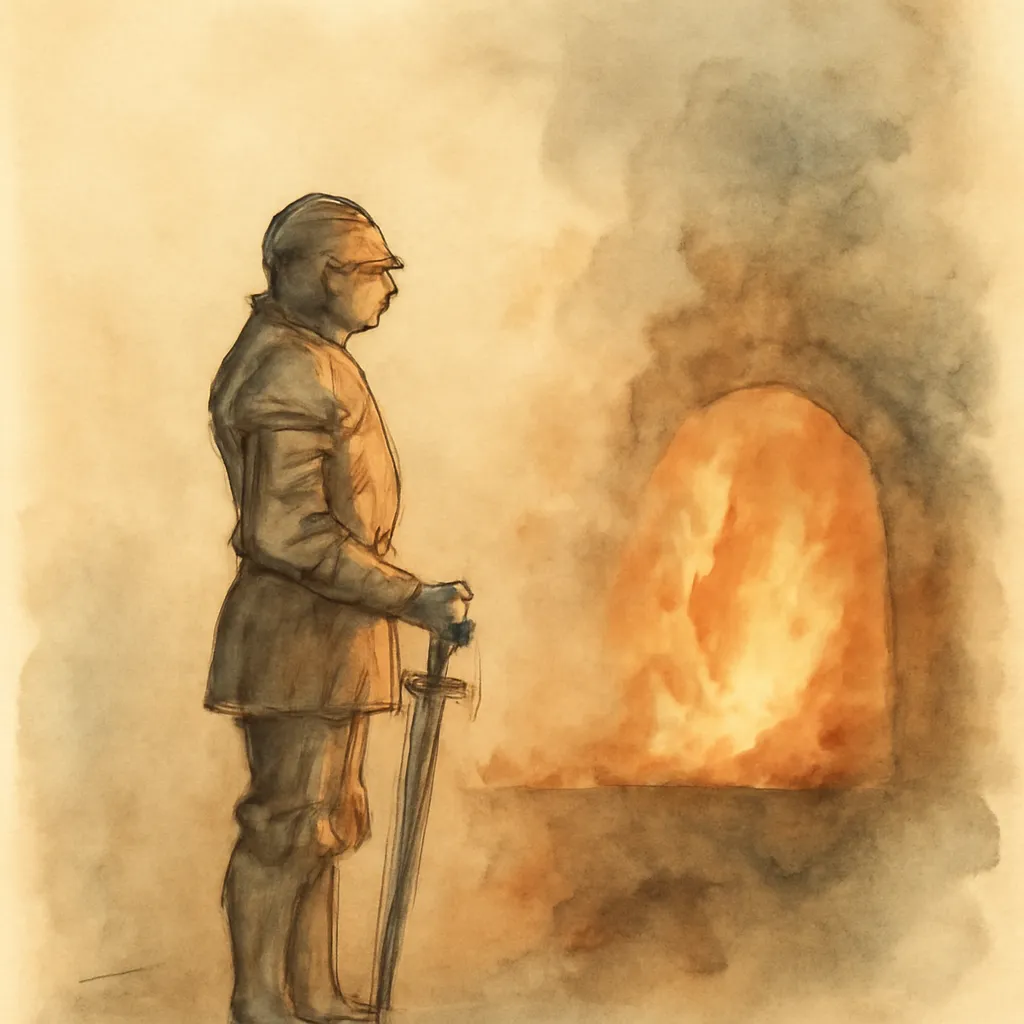
Tristan's trial by combat serves as a dramatic test of his loyalty and love for Iseult. Accused of betrayal, he demands justice through the right of battle, believing that God will vindicate him. This moment encapsulates the theme of honor in chivalric culture, where a knight’s reputation is paramount. The ordeal is not just a physical battle but a spiritual one, as Tristan grapples with his love for Iseult and his loyalty to King Mark. The outcome of the trial holds the potential to restore or destroy their love, underscoring the high stakes of their romance. As Tristan faces his opponents, the narrative emphasizes the idea that true love often requires the ultimate sacrifice. The trial serves as a crucible, testing not only Tristan's abilities as a knight but also the strength of his love, which must endure despite the challenges posed by society. This moment of combat becomes a microcosm of the larger struggles faced by the lovers, highlighting how external forces can dictate the course of personal relationships.
7.The Madness of Tristan
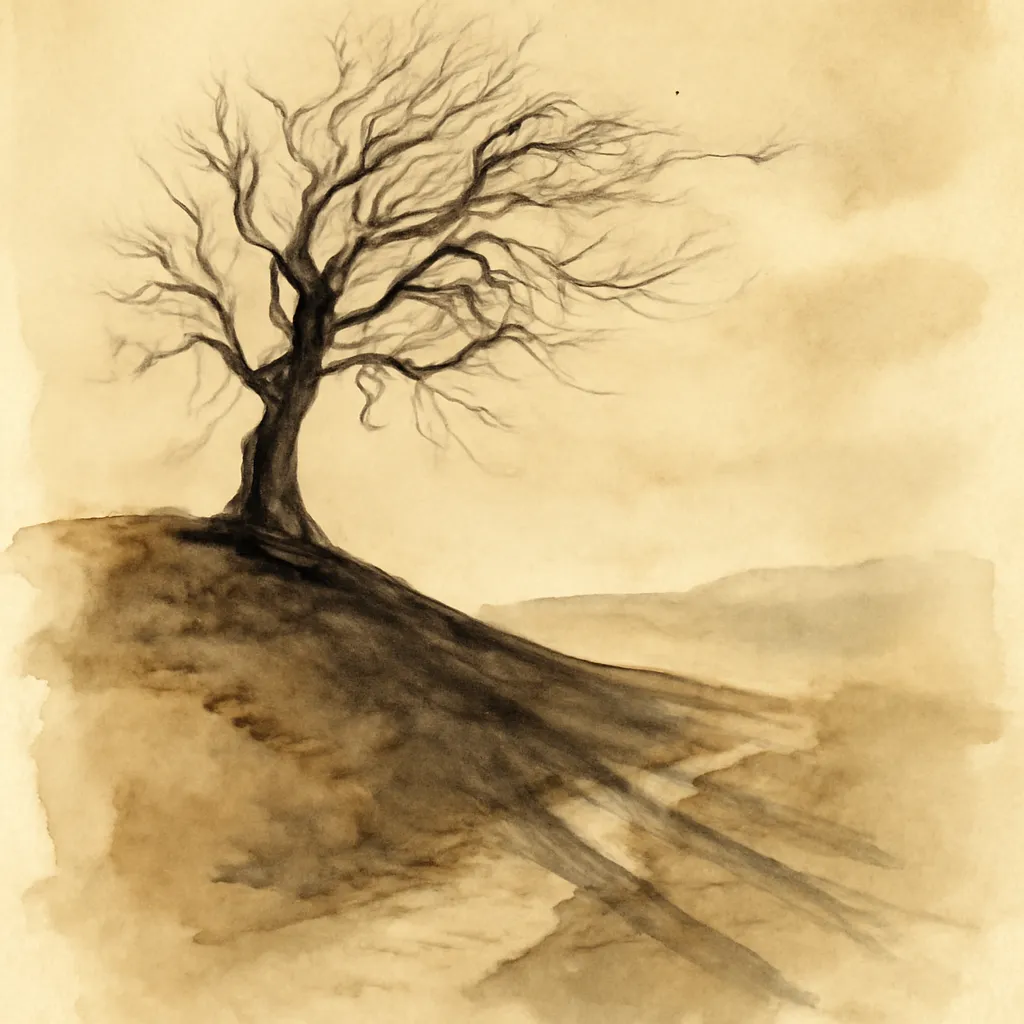
Following the tumultuous events surrounding his trial, Tristan succumbs to despair and madness, symbolizing the depths of his emotional turmoil. Separated from Iseult, he wanders aimlessly, consumed by grief and longing. This descent into madness serves as a poignant exploration of love’s darker side, revealing how profound loss can lead to a fracturing of the self. Tristan's madness is not merely a physical state; it embodies the anguish of a love that cannot be fulfilled. The narrative delves into the psychological effects of unrequited love, showcasing the intensity of Tristan’s feelings for Iseult. His condition reflects the overarching theme that love, while beautiful, can also be a source of immense pain. This portrayal of madness adds a layer of tragedy to the tale, illustrating the toll that love can take on the human spirit. The depiction of Tristan’s psychological decline serves to emphasize the cost of love, reminding readers that passion is often accompanied by suffering.
8.The Heartbreaking Conclusion
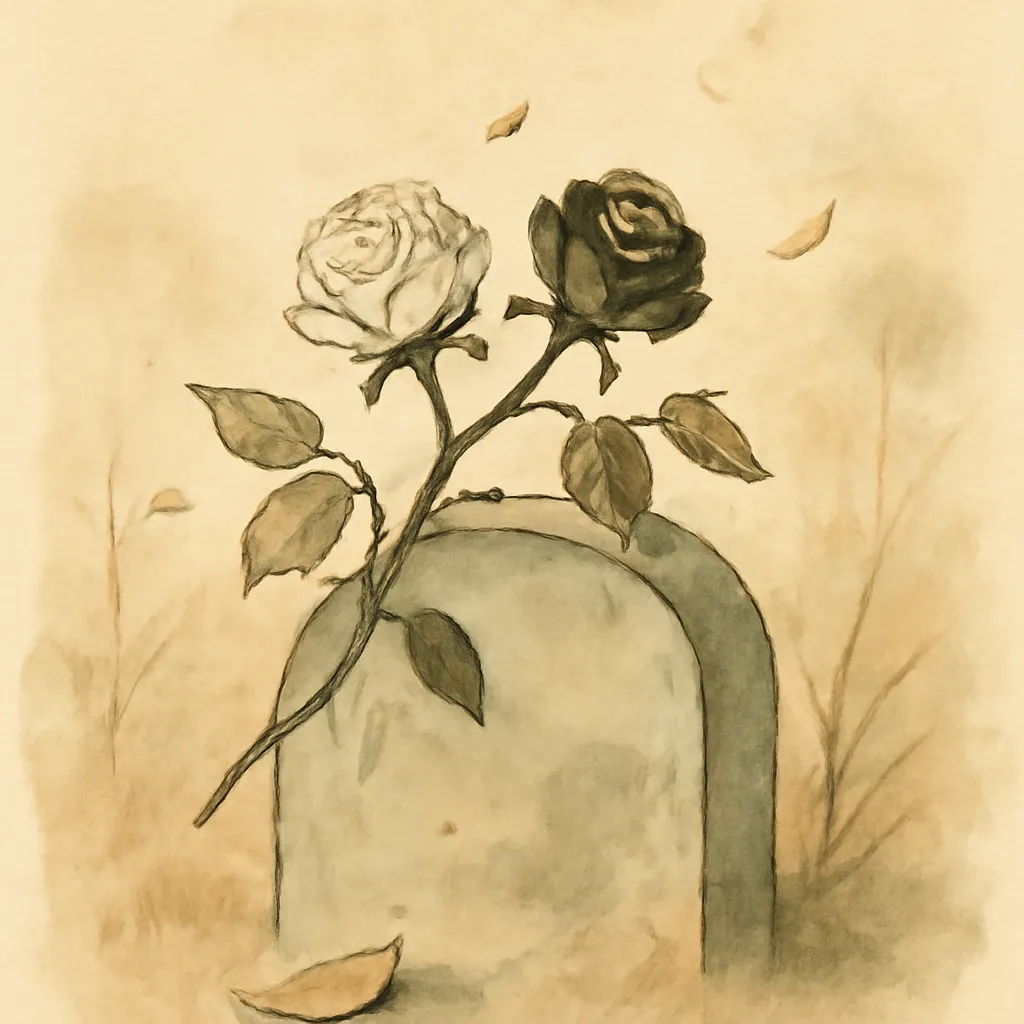
The story reaches its tragic climax with the deaths of both Tristan and Iseult, a powerful testament to the idea that true love often comes at an insurmountable cost. Their final moments together are steeped in sorrow, as they realize the futility of their love in the face of fate. Tristan’s death is marked by a poignant sense of longing, as he reaches out for Iseult even in his final moments. The lovers’ demise serves as a chilling reminder of the fragility of love and the inevitability of loss. Their tragic end resonates with the audience, evoking deep empathy and reflection on the nature of love, loyalty, and sacrifice. The narrative culminates in a powerful message: that love, while transcendent, can lead to devastation when thwarted by fate. Their story becomes a timeless parable about the duality of love, embodying both its beauty and its capacity for suffering. The emotional weight of their conclusion invites readers to ponder the nature of love and the sacrifices it demands, leaving a lasting impression of the consequences of unfulfilled desire.
9.The Legacy of Tristan and Iseult
The tale of Tristan and Iseult has endured through the ages, influencing countless works of literature, art, and music. Its themes of love, loss, and betrayal resonate across cultures and eras, highlighting the universal nature of human emotions. The story serves as a foundational narrative in the romance genre, establishing archetypes that continue to inspire modern storytelling. The enduring legacy of Tristan and Iseult speaks to the power of love to transcend time, leaving an indelible mark on the human experience. The narrative invites readers to reflect on their own understanding of love and the sacrifices it demands. As a timeless exploration of the complexities of desire, the tale remains relevant, offering profound insights into the nature of relationships and the human condition. The broader implications of their story encourage a dialogue about the nature of love, the impacts of societal pressures, and the timeless struggle between personal desire and duty.