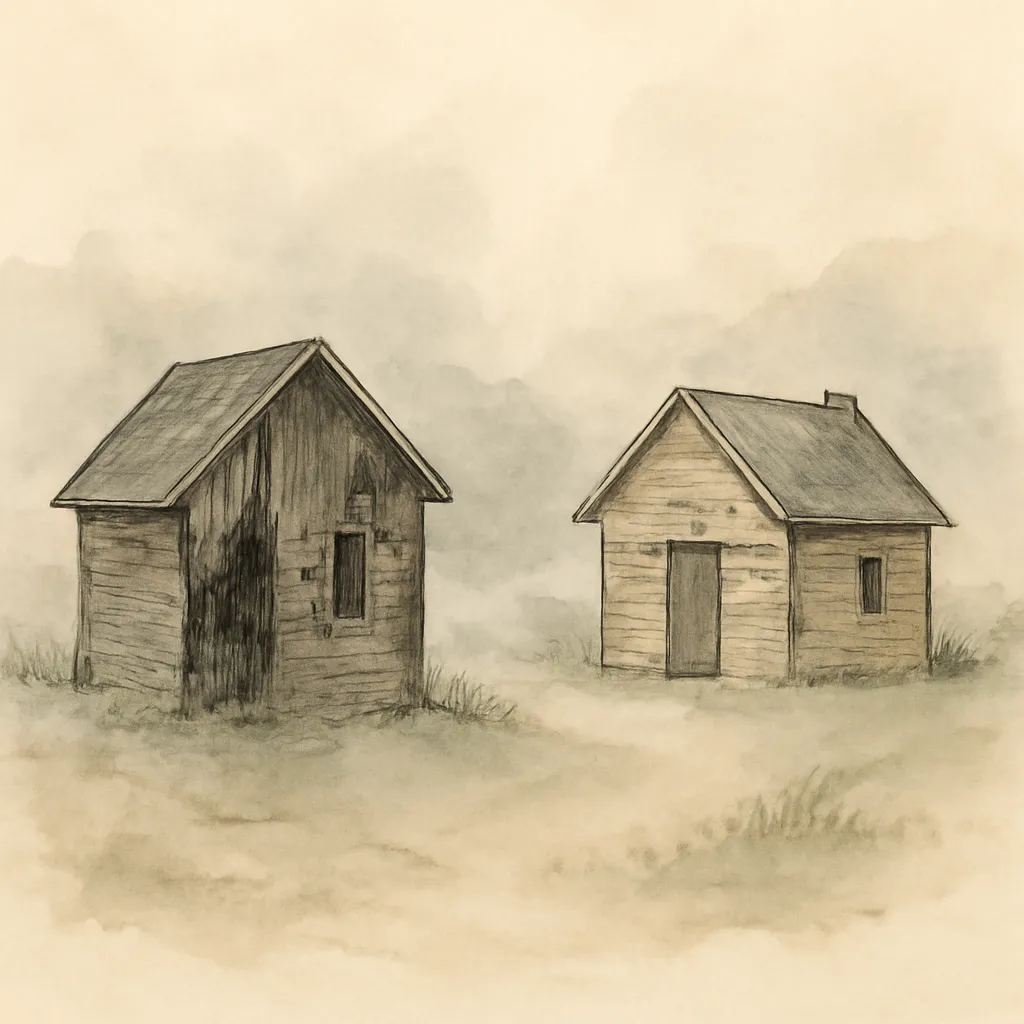
1.The Weight of Violence
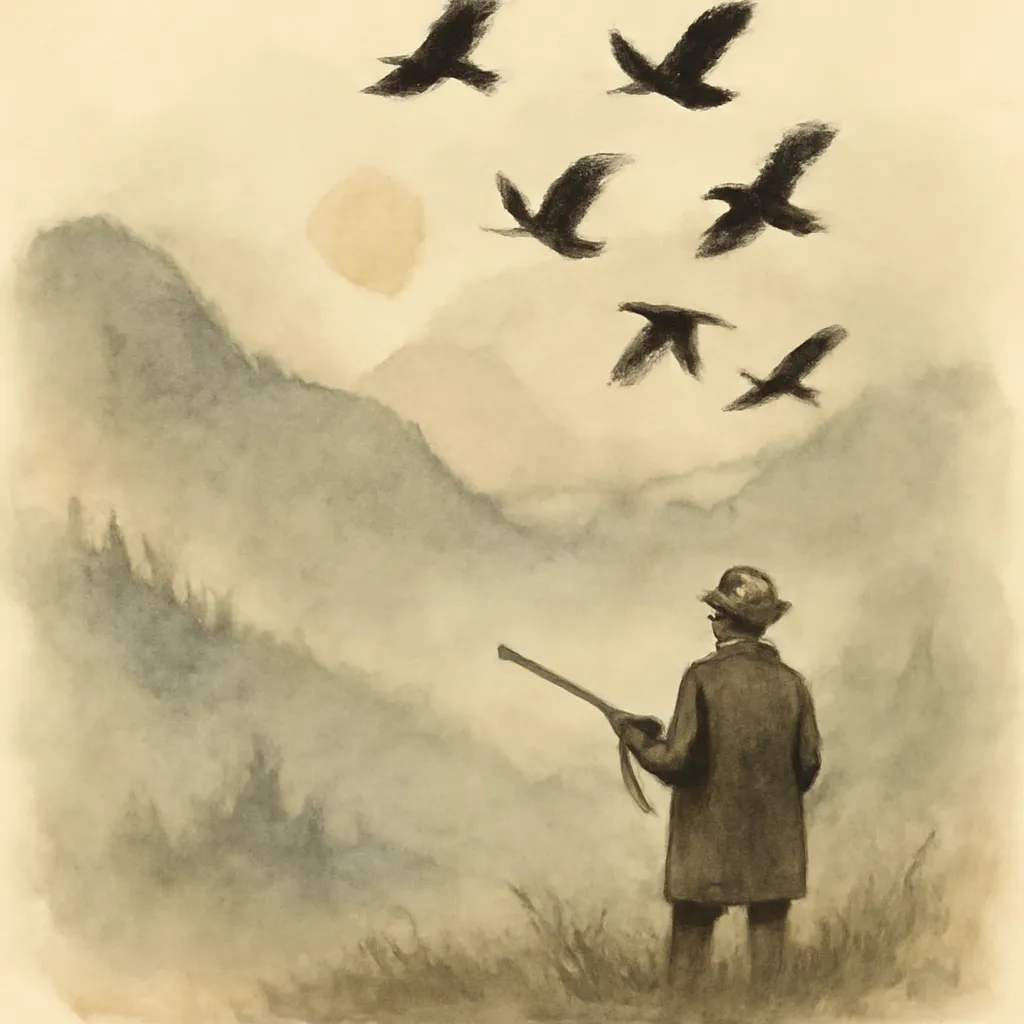
The story opens with a shocking act of violence that reverberates through the lives of the characters. The pistol shot that ends a life also marks the beginning of a profound emotional and psychological journey for those who remain. The lingering echo of the gunshot symbolizes the inescapable nature of violence in their world, where conflicts are often settled with bloodshed. This initial scene sets the tone for the novel, illustrating how deeply violence is woven into the fabric of mountain life. The characters must grapple with the aftermath of this violence, not only dealing with their grief but also confronting the repercussions of their actions in a community where honor and revenge are paramount. The psychological impact of such violence is profound; it shapes relationships and creates a cycle of retaliation that becomes difficult to break. The consequences extend beyond the immediate act, affecting the families and communities involved, which underscores the tragic reality of life in a society where blood feuds are part of everyday existence.
2.Caleb Harper: The Patriarch
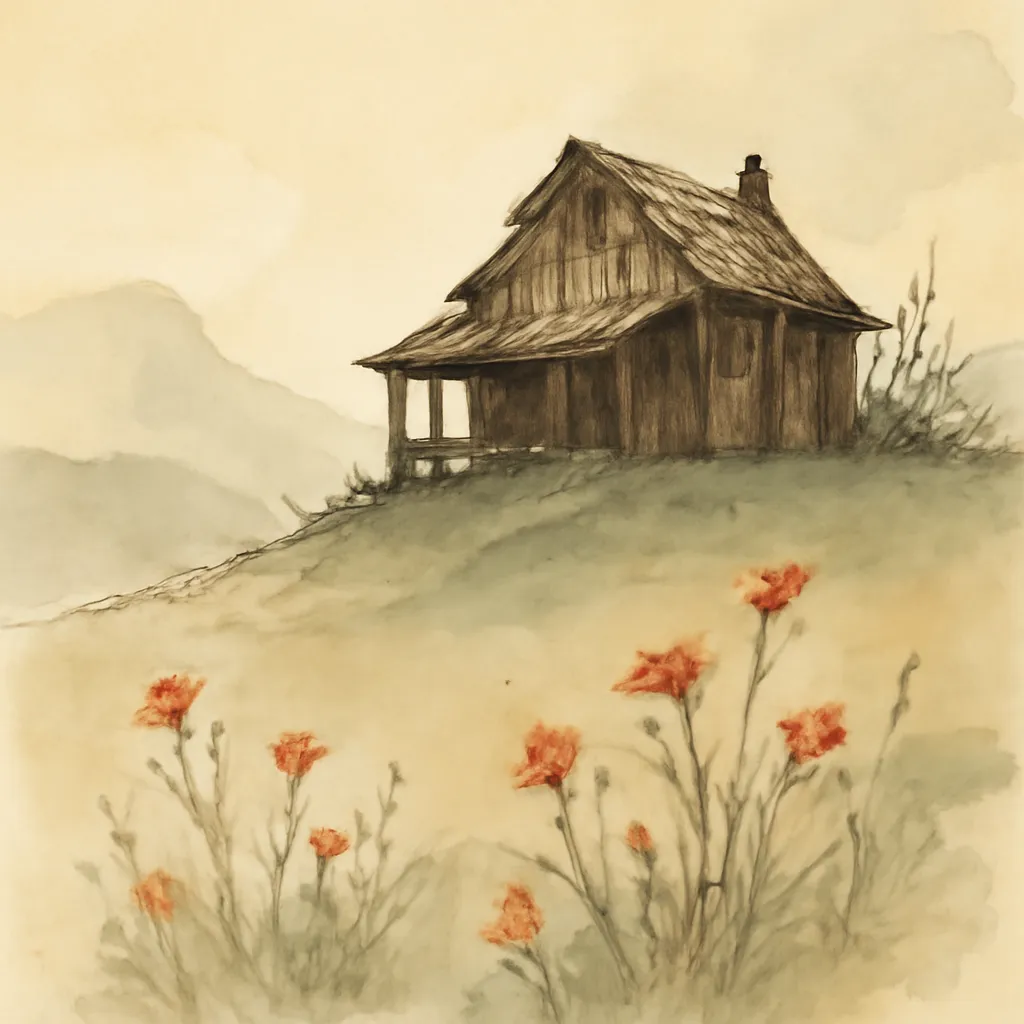
Caleb Harper stands as a representation of the old mountain ways, a patriarch who embodies both nobility and bigotry. His lineage traces back to the early pioneers of the Kentucky Cumberlands, and he carries the weight of his family's history on his shoulders. As the novel unfolds, Caleb is depicted as a complex figure, caught between his desire for peace and the ingrained hatred that defines his family's legacy. His home, a sturdy structure built by generations, contrasts sharply with the makeshift cabins of his neighbors, symbolizing his steadfastness amidst decay. Caleb's character serves as a reminder of how the past shapes the present, and his attempts to navigate the turbulent waters of familial loyalty and personal morality highlight the struggles faced by those living in a world defined by conflict. The tension between his traditional values and the changing dynamics of his family and community creates a compelling narrative arc. His reluctance to embrace change, alongside his deep-seated prejudices, illustrates the challenges faced by individuals trying to reconcile their heritage with the need for progress and understanding.
3.Dorothy Harper: A Bridge Between Worlds
Dorothy Harper emerges as a pivotal character, embodying the hope for reconciliation in a world fraught with division. Her connection to both the Harper and Doane families allows her to navigate the treacherous waters of their feud. As she grapples with her feelings for Cal Maggard, a man marked by violence and a troubled past, Dorothy represents the possibility of love transcending the bitterness of inherited enmity. Her desire to plant a walnut tree as a memorial for her mother symbolizes her wish for growth and healing amidst the scars of conflict. Through her character, the novel explores themes of sacrifice and the courage it takes to forge a new path in a world dominated by ancestral grudges. Dorothy's internal struggle illustrates the complexity of her situation; she is torn between loyalty to her family and her burgeoning love for Cal. This dichotomy embodies the novel's central theme of love as a force that can challenge the status quo, bridging divides between families and offering a glimmer of hope in a landscape overshadowed by hate.
4.Cal Maggard: A Refugee from His Past
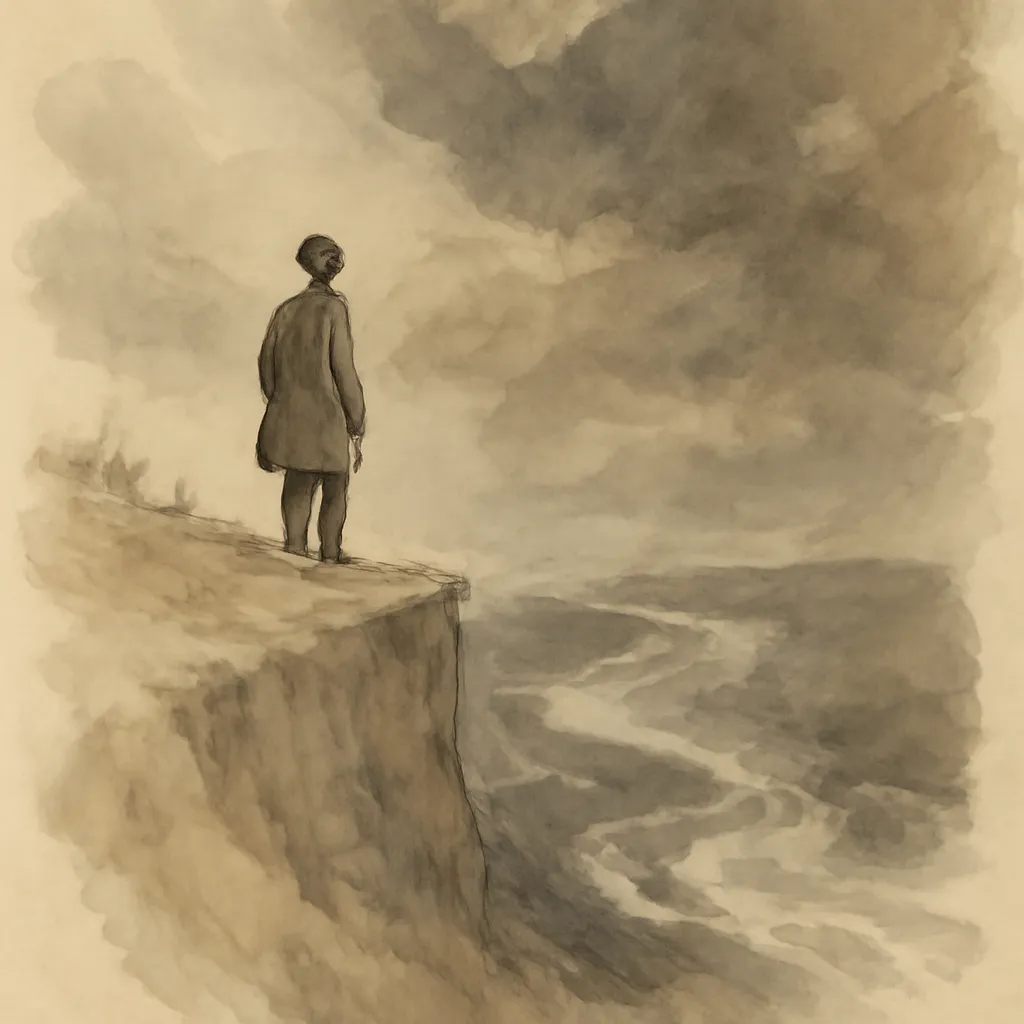
Cal Maggard's journey is marked by his status as a fugitive, escaping the violent legacy of his family in Virginia. His arrival in Kentucky is fraught with tension, as he carries the burden of his past actions and the threat of retribution. Cal's character is a study in contrasts; he is both a man seeking peace and one who is hunted by the ghosts of his past. His internal struggle reflects the larger themes of the novel, where individuals must confront the consequences of their choices and the weight of familial expectations. As he navigates his relationship with Dorothy, Cal's desire for redemption becomes a driving force, illustrating the universal quest for forgiveness and a fresh start. His transformation throughout the narrative reveals the possibility of change; despite the weight of his past, he strives to create a new identity. This journey also serves as a critique of the rigid social structures that confine individuals to their family legacies, revealing the struggle for personal agency in circumstances largely defined by violence and family loyalty.
5.The Walnut Tree: A Symbol of Legacy and Hope
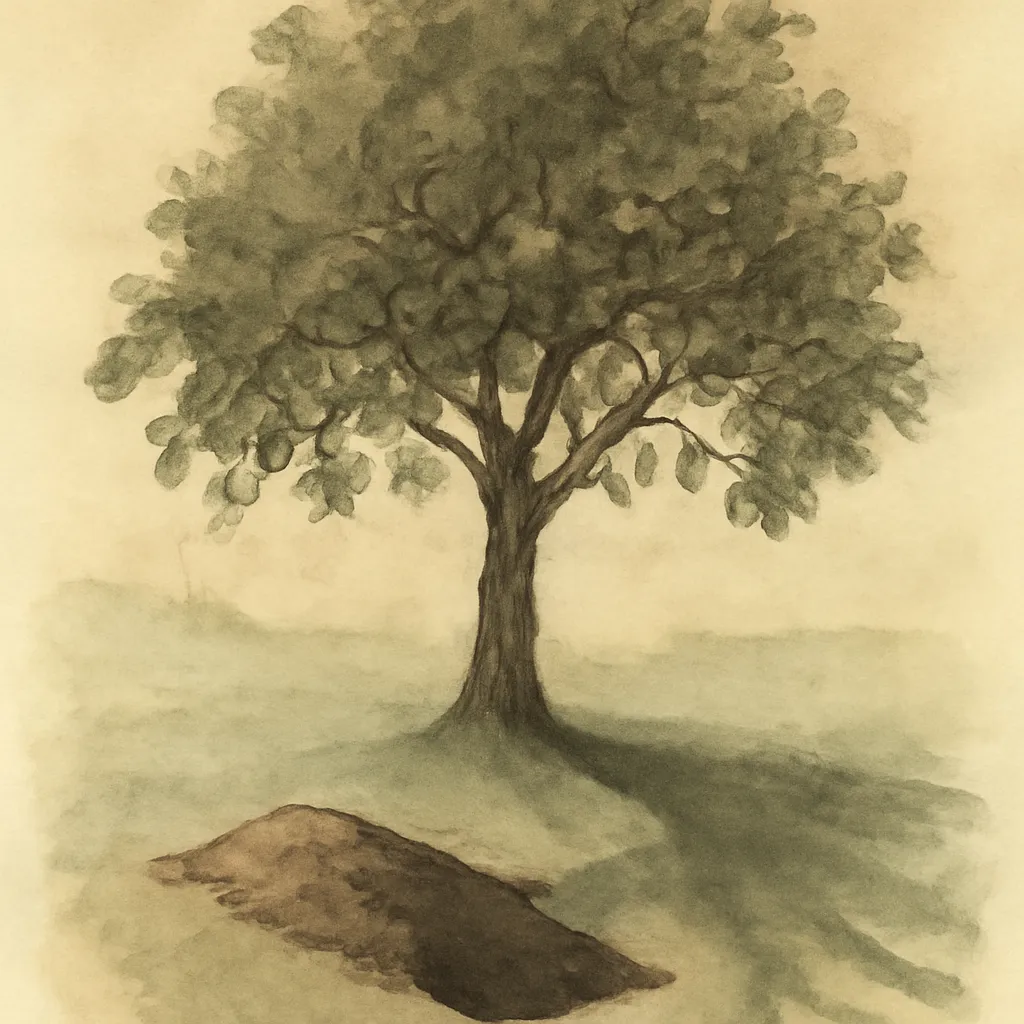
The walnut tree serves as a powerful symbol throughout the narrative, representing both the weight of the past and the hope for the future. Dorothy's wish to plant a young walnut tree over her mother's grave signifies her desire to honor her family's legacy while also creating a new beginning. This tree is not merely a memorial; it becomes a living testament to the intertwining of life, death, and rebirth in the face of adversity. As the characters gather around this tree during significant moments, it becomes a focal point for their dreams and aspirations, illustrating how nature can encapsulate human emotions and the complexities of their relationships. The walnut tree ultimately embodies the idea that from the ashes of conflict, new life and love can emerge. Its enduring presence serves as a reminder of the potential for growth and healing, even in a landscape marred by violence. This symbolism resonates with readers, prompting reflections on how legacies can be transformed into forces for good in the lives of future generations.
6.The Cycle of Feud and Forgiveness
The narrative intricately weaves the cycle of vendetta that defines the lives of the characters, highlighting the destructive nature of feuds. The history of animosity between the Harpers and the Doanes serves as a backdrop against which personal relationships are tested. Buck explores how deeply ingrained hatred can perpetuate violence, trapping families in a cycle that seems inescapable. Yet, through characters like Caleb Harper and Cal Maggard, the novel suggests that the path to forgiveness is fraught with challenges but ultimately necessary for healing. The struggle to break free from the chains of past grievances is a central theme, emphasizing the importance of choice in shaping one's destiny. The characters' journeys reflect the painful process of confronting their histories, recognizing that forgiveness is not merely a passive act but an active struggle that requires immense courage and vulnerability.
7.The Role of Women in Appalachian Culture
Women in The Roof Tree play crucial roles that often go overlooked in traditional narratives. Characters like Dorothy Harper and her mother embody resilience and strength, navigating a world dominated by male violence and familial loyalty. Dorothy's actions reflect her agency as she seeks to carve out her own path amidst the chaos of her family's feud. The novel portrays women not merely as passive victims but as active participants in the shaping of their destinies. Their relationships with men are complex, marked by love, conflict, and a desire for peace, underscoring the essential role women play in maintaining familial bonds and fostering reconciliation in a fractured society. Dorothy's determination to transcend her family's violent legacy illustrates the potential for women to drive change, challenging societal norms that seek to confine them to traditional roles. Through her character, Buck emphasizes the importance of women's voices in the narrative of conflict and resolution, showcasing their ability to effect transformation within their communities.
8.The Nature of Honor and Shame
Honor and shame are pivotal themes in The Roof Tree, driving the actions of the characters and influencing their relationships. The societal expectations placed upon men and women in this mountain culture dictate their behavior, often pushing them towards violence in the name of honor. Characters like Bas Rowlett exemplify the toxic masculinity that arises from these expectations, as he seeks to assert his dominance through aggression. Conversely, characters like Caleb Harper grapple with their understanding of honor in light of their family's violent past. The novel raises important questions about the nature of honor—whether it is truly about defending one's name or if it can be redefined through acts of kindness and forgiveness. The internal conflict experienced by characters as they navigate these expectations serves to highlight the often destructive nature of adhering rigidly to notions of honor, ultimately suggesting that true honor may lie in the pursuit of peace rather than vengeance.
9.The Influence of Nature on Human Emotion
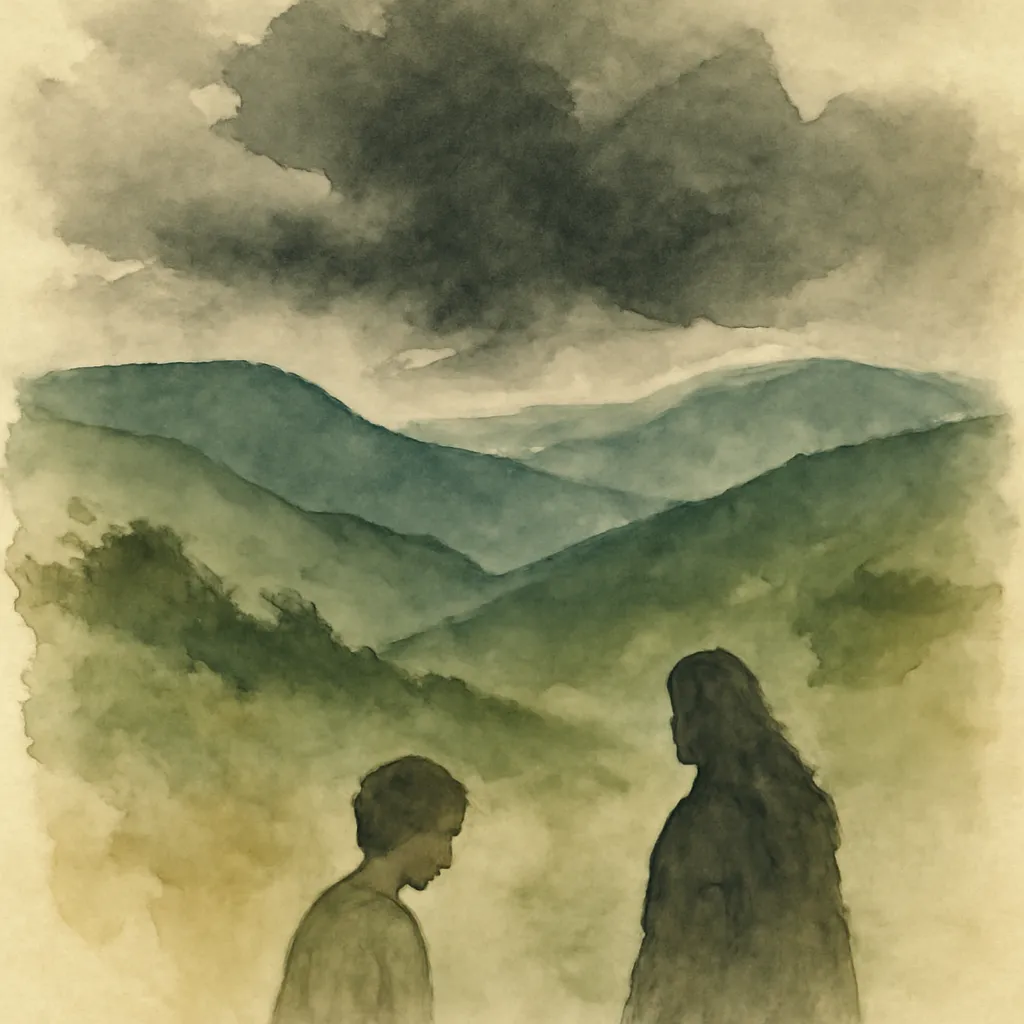
The setting of the Kentucky Cumberlands is not just a backdrop but a living entity that influences the characters' emotions and actions. Buck's vivid descriptions of the landscape—its beauty, danger, and isolation—reflect the inner turmoil of the characters. The natural world serves as a mirror for their struggles, with the mountains representing both refuge and entrapment. As characters interact with their environment, their emotional states are heightened; moments of joy are celebrated under the walnut tree, while despair lingers in the shadowy woods. This interplay between nature and human emotion underscores the theme that the landscape is as much a part of the story as the characters themselves, shaping their destinies in profound ways. Nature acts as a silent witness to the characters' journeys, illustrating how the external world can reflect and amplify the internal conflicts they face. The rich descriptions of the Cumberlands serve to immerse the reader in the emotional landscape, making the setting a character in its own right.
10.The Quest for Redemption

Redemption is a central theme woven throughout the narrative, as characters seek to atone for their past mistakes and forge a better future. Cal Maggard's journey is emblematic of this quest; he is a man haunted by his actions yet yearning for a fresh start. His relationship with Dorothy becomes a catalyst for his transformation, as her love challenges him to confront his past and seek forgiveness. Similarly, Caleb Harper's struggle to reconcile his family's violent legacy with his desire for peace illustrates that redemption is not easily won. The novel suggests that the path to redemption is fraught with obstacles, requiring courage, sacrifice, and a willingness to change. Through these characters, Buck conveys that the pursuit of redemption is a universal human experience, resonating deeply with readers. The narrative ultimately affirms that while the journey may be arduous, the possibility of redemption exists for those brave enough to confront their pasts and embrace the opportunity for growth.