1.The Unlikely Hero
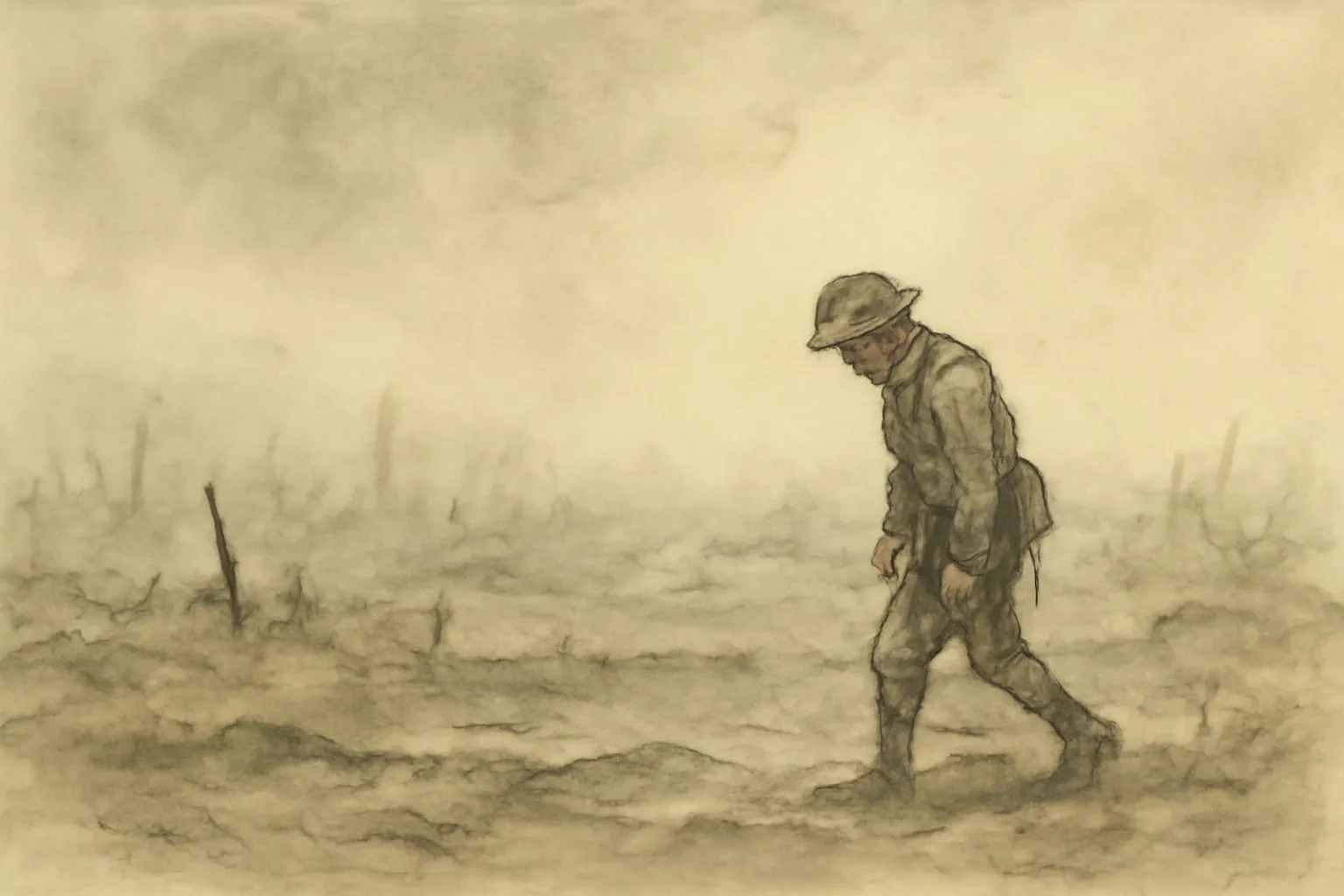
Doggie Trevor is not your typical war hero; he doesn't earn medals or accolades. Instead, he embodies the millions of ordinary men who were swept into the maelstrom of war. Raised in a sheltered environment by an overprotective mother, Doggie's upbringing has left him ill-prepared for the harsh realities of life in the trenches. Yet, it is precisely this ordinariness that makes his story relatable and poignant. Readers witness how Doggie rises to the occasion, not through acts of grand heroism, but by simply enduring the trials of war and emerging on the other side with a profound sense of self-awareness. His journey reflects the idea that heroism can be found in the mundane acts of bravery that often go unnoticed, challenging the traditional notions of valor. In a society quick to glorify the heroic deeds of soldiers, Doggie's tale serves as a reminder that survival and perseverance in the face of adversity is a form of heroism in itself.
2.The Influence of Women
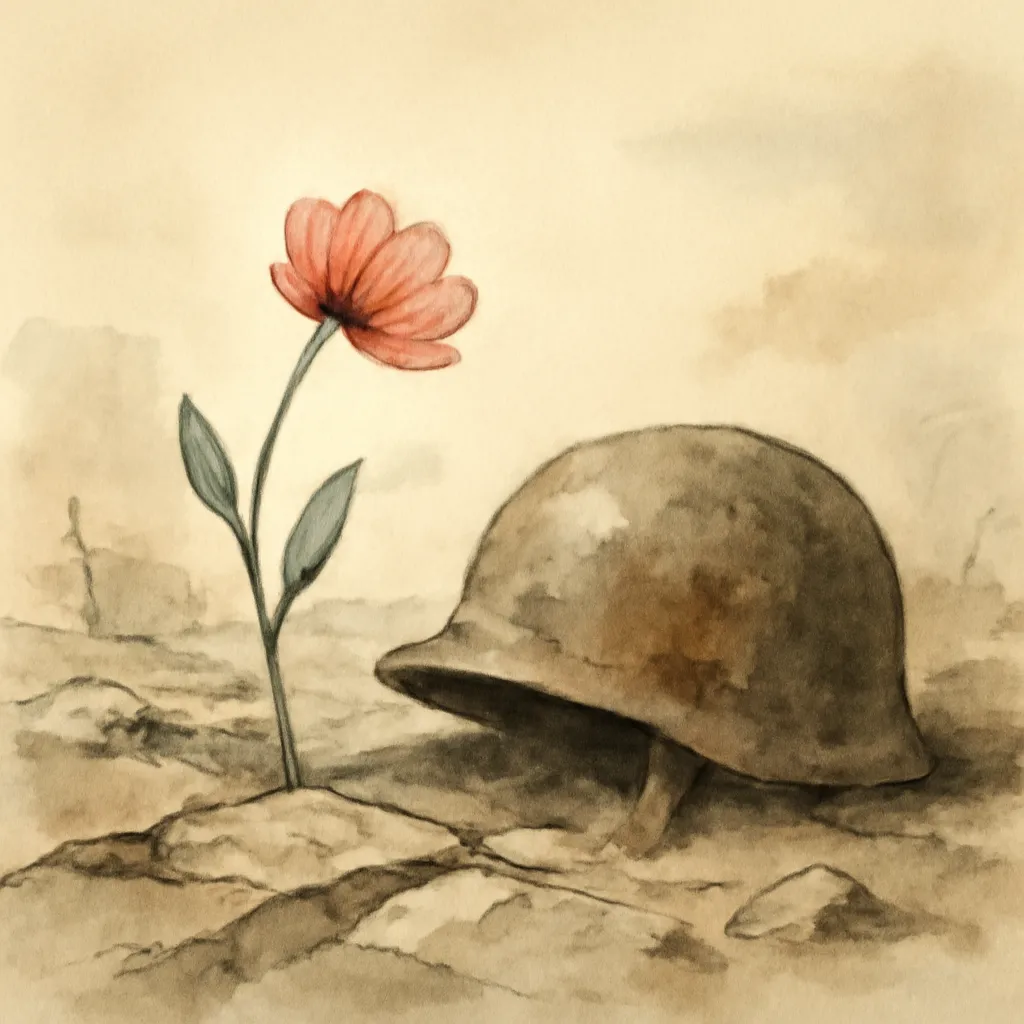
Women play a crucial role in shaping Doggie's journey, particularly through the characters of Peggy and Jeanne. Peggy represents the world Doggie is familiar with—one of societal expectations and romantic notions. As he grapples with his feelings for her, he also struggles with the expectations of masculinity that come with wartime. Doggie's connection with Peggy is marked by innocence and childhood affection, yet it is complicated by his newfound responsibilities as a soldier. Meanwhile, Jeanne, a French woman he meets during the war, symbolizes the resilience and suffering of a nation torn apart by conflict. Their relationship becomes a crucial point of reflection for Doggie, prompting him to confront his own feelings about love, honor, and duty. The stark contrast between Peggy's sheltered life and Jeanne's harsh realities serves to highlight the different ways women experience the war, making their influence on Doggie's transformation even more significant. Locke uses these relationships to explore themes of loyalty, sacrifice, and the emotional burdens carried by those left behind.
3.The Psychological Toll of War
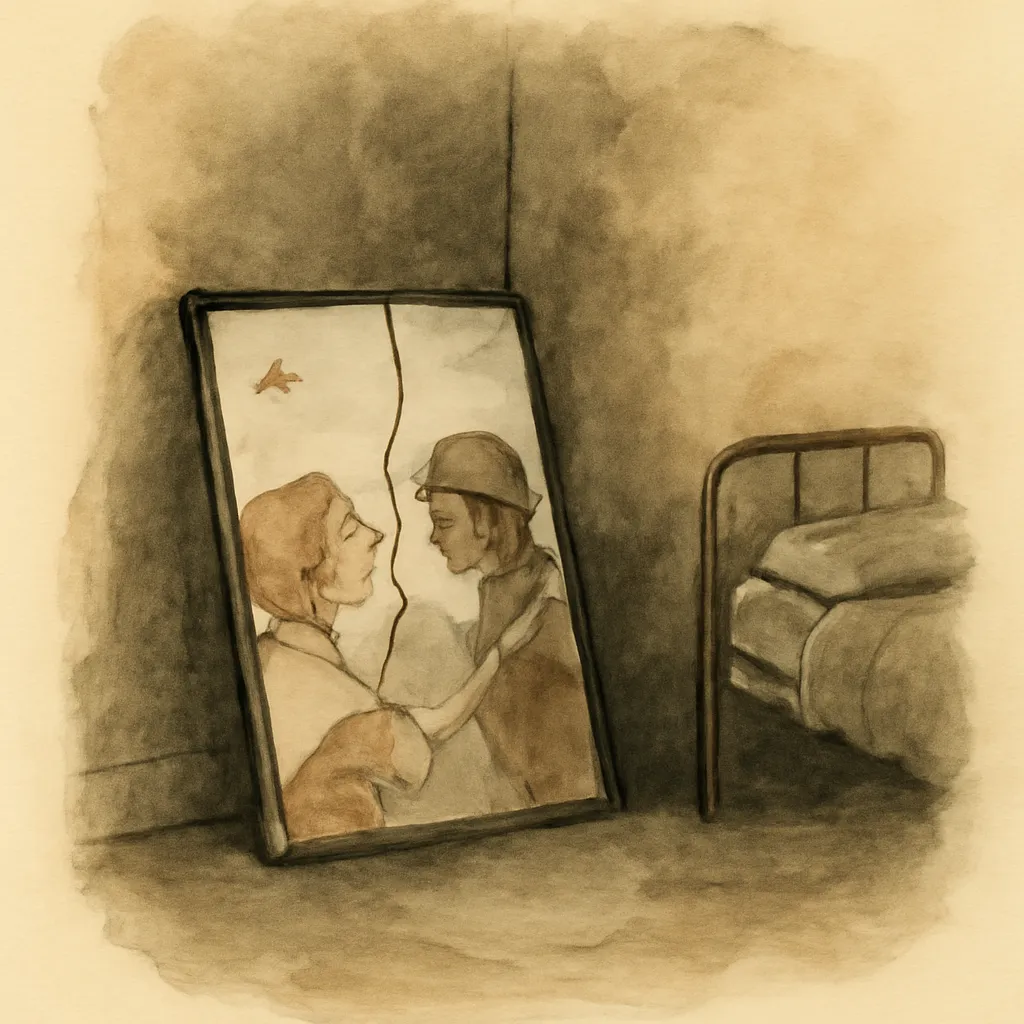
Locke masterfully illustrates the psychological effects of war on soldiers through Doggie's experiences. The narrative delves into his internal struggles, highlighting feelings of inadequacy, shame, and fear that accompany his transformation from a pampered man to a soldier. The juxtaposition of his delicate sensibilities with the brutality of combat creates a rich tapestry of emotional conflict. Doggie's initial reactions to the horrors of war—nausea and despair—underscore the traumatic impact of violence on individuals unaccustomed to such realities. As he learns to cope with these overwhelming emotions, readers gain insight into the broader theme of mental health and the often invisible scars left by war, emphasizing the need for compassion and understanding for those who have served. Locke's exploration of Doggie's psychological landscape reveals not only the individual's struggle but also reflects the collective trauma experienced by soldiers and their communities during and after the war.
4.Societal Expectations and Masculinity
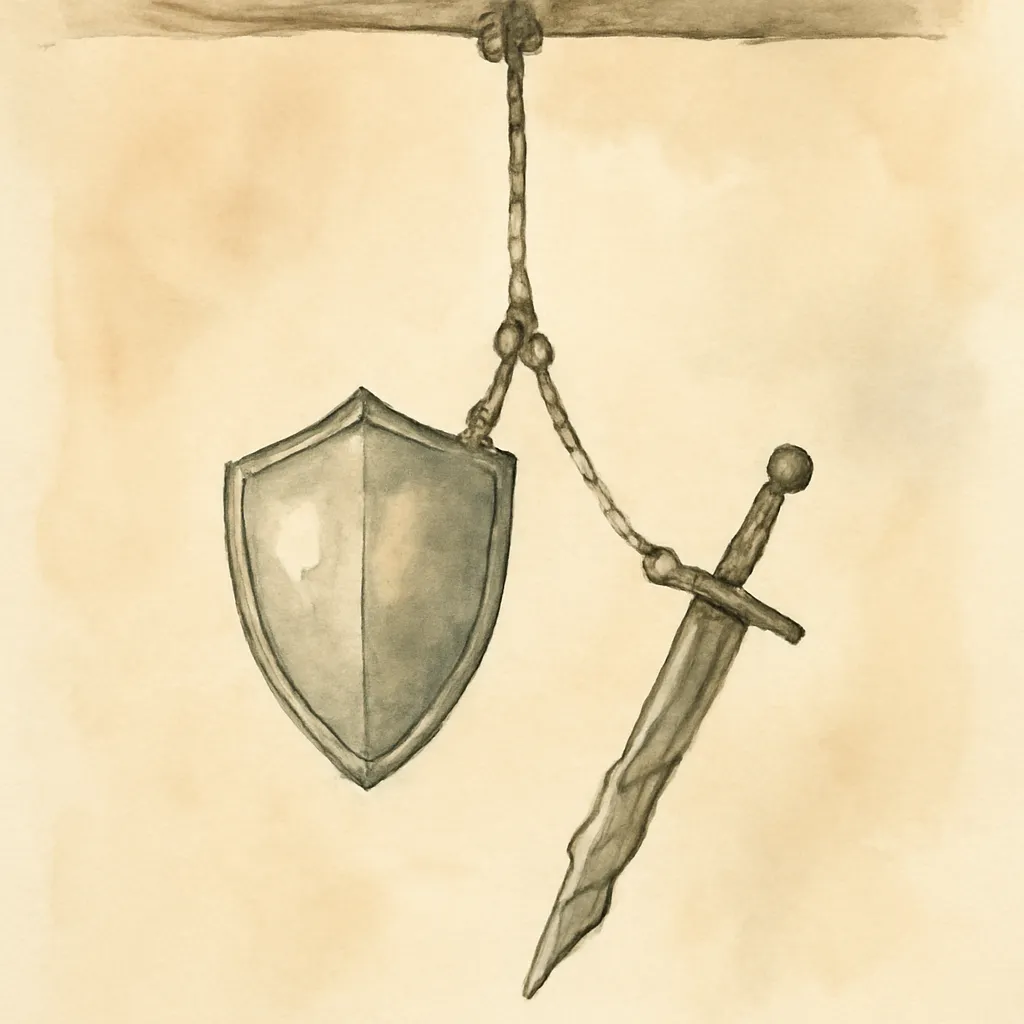
Throughout the novel, Doggie grapples with societal expectations of masculinity, particularly in the context of war. Raised in a world where he was coddled and protected, he feels a profound disconnect between his upbringing and the demands of military life. His reluctance to embrace the traditional roles of a soldier—such as seeking a commission—reveals his internal conflict and challenges the conventional notions of manhood. Locke poignantly captures Doggie's journey as he learns to navigate these expectations, ultimately discovering that true masculinity lies not in bravado but in vulnerability and emotional honesty. Doggie's struggles are reflective of a broader commentary on the pressures placed on men to conform to rigid standards of behavior, especially during times of crisis. This exploration of masculinity invites readers to consider the damaging effects of toxic masculinity, as Doggie's hesitations and anxieties reveal the complexities of defining what it means to be a man in a wartime setting.
5.The Impact of War on Relationships

The relationships Doggie forms—or struggles to maintain—throughout the narrative serve as a reflection of the broader societal impacts of war. His connection with Peggy is strained by the distance and changes wrought by the conflict, while his burgeoning bond with Jeanne offers a glimpse into the shared humanity that transcends national boundaries. The war acts as a catalyst for change, forcing Doggie and those around him to confront their feelings, fears, and desires. The emotional distance created by war is palpable, as letters exchanged between characters reveal both longing and misunderstanding. Locke captures the essence of how war reshapes relationships, illustrating that love can be both a source of strength and a point of contention when faced with the harsh realities of conflict. The way in which Doggie navigates these relationships highlights the fragility of human connections in the face of external upheaval, showcasing the emotional toll that war takes on individuals and their loved ones.
6.The Role of Humor in Adversity
Amidst the grim realities of war, Locke infuses moments of humor that serve as a coping mechanism for Doggie and his comrades. These instances of levity provide a necessary counterbalance to the otherwise heavy themes of loss and despair. Through witty dialogue and absurd situations, Doggie's character often finds solace in laughter, illustrating the resilience of the human spirit in the face of adversity. This humor not only deepens the characterization but also highlights the camaraderie that develops among soldiers as they navigate the absurdity of their circumstances. By incorporating humor into the narrative, Locke underscores the importance of maintaining one's sense of self and humanity, even in the direst situations. These moments of laughter create a shared bond among the characters, reminding readers that even in the darkest times, humor can be a powerful tool for survival and connection.
7.The Transformation of Identity
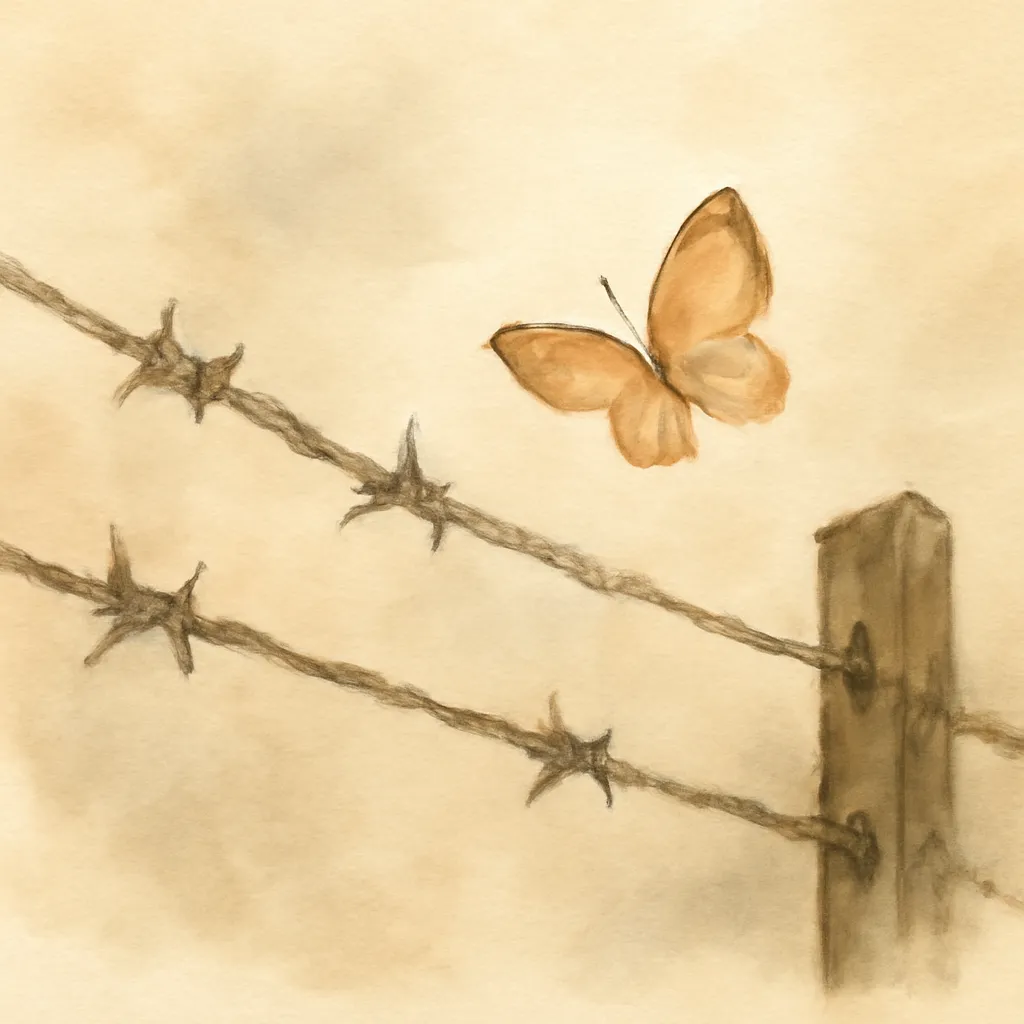
Doggie's journey is one of profound identity transformation, as he evolves from a sheltered young man into a soldier shaped by the experiences of war. This transformation is catalyzed by the stark contrast between his previous life and the harsh realities of military service. As he confronts his fears, insecurities, and the expectations of those around him, Doggie begins to redefine his sense of self. The war strips away the superficial layers of his identity, forcing him to confront who he truly is beneath the facade of societal expectations. Locke skillfully portrays this evolution, illustrating how the crucible of war can lead to a deeper understanding of oneself, ultimately allowing Doggie to emerge with a newfound sense of purpose and resilience. This transformation is not without its struggles; Doggie often grapples with the dissonance between his past and present, leading to moments of introspection that highlight the complexities of personal growth.
8.The Themes of Loss and Grief
Loss permeates 'The Rough Road,' shaping Doggie's experiences and interactions throughout the narrative. The deaths of comrades and the emotional toll of separation from loved ones weigh heavily on him, emphasizing the personal costs of war. Locke explores the multifaceted nature of grief, as characters navigate their emotional landscapes in different ways. Doggie's internal struggles with the loss of friends, such as Mo and Oliver, reveal the deep scars left by the conflict, affecting not only the soldiers but also their families and communities. The impact of these losses serves as a reminder of the fragility of life and the enduring pain that accompanies death. Through Doggie's experiences, readers gain insight into the process of mourning and the various ways individuals cope with grief, highlighting the need for solidarity and compassion in the face of such profound sorrow.
9.The Search for Meaning

As Doggie traverses the complexities of war and personal identity, he embarks on a quest for meaning in a world turned upside down. The narrative raises critical questions about purpose, duty, and the value of sacrifice. Doggie's experiences compel him to reflect on what it means to serve, love, and endure in the face of overwhelming odds. His encounters with fellow soldiers and civilians alike challenge him to consider the broader implications of his actions and the interconnectedness of human experiences. Locke deftly weaves this theme throughout the story, encouraging readers to contemplate their own searches for meaning in times of crisis and uncertainty. Ultimately, Doggie's journey serves as a reminder that even amidst despair, the quest for understanding can lead to profound personal growth. This search for meaning becomes a pivotal aspect of Doggie's character development, propelling him towards a deeper understanding of himself and his place in the world.