1.The Enigmatic Allure of Femininity
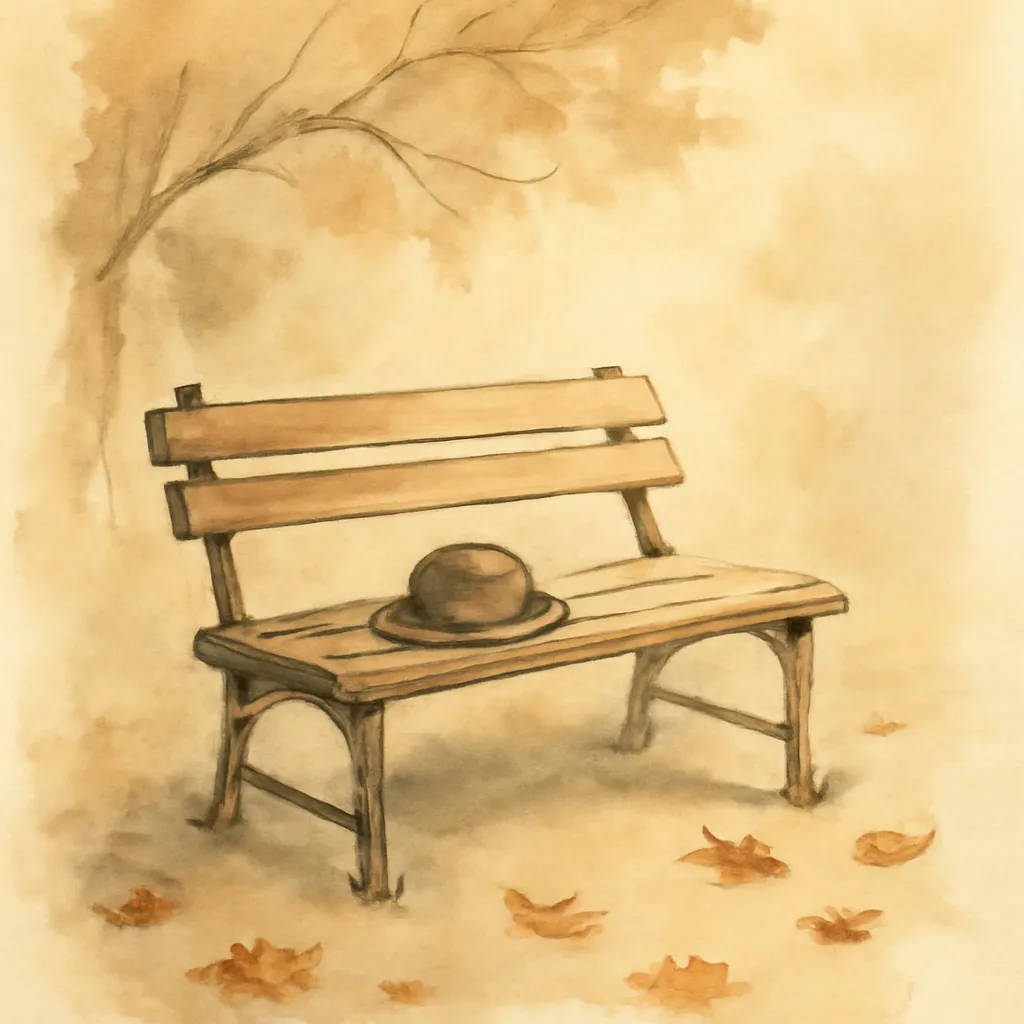
The narrative opens with a man captivated by a young woman's unselfconsciousness and natural beauty. This girl, dressed plainly and exuding a childlike innocence, elicits admiration from men and women alike, illustrating the powerful, often unrecognized allure of femininity. The man, a dramatist by profession, reflects on how her presence defies societal attempts to suppress the natural urges of attraction and desire. Her charm lies not in overt beauty or fashion, but in her authenticity and the way she embodies the essence of womanhood, suggesting that true allure transcends superficial appearances. This theme resonates throughout the novel, as characters grapple with their perceptions of femininity and the roles they play in society. The young woman's ability to inspire such strong emotions highlights the inherent power women hold, even when unaware of it, prompting reflections on the broader implications of femininity in a male-dominated world.
2.The Weight of Social Expectations
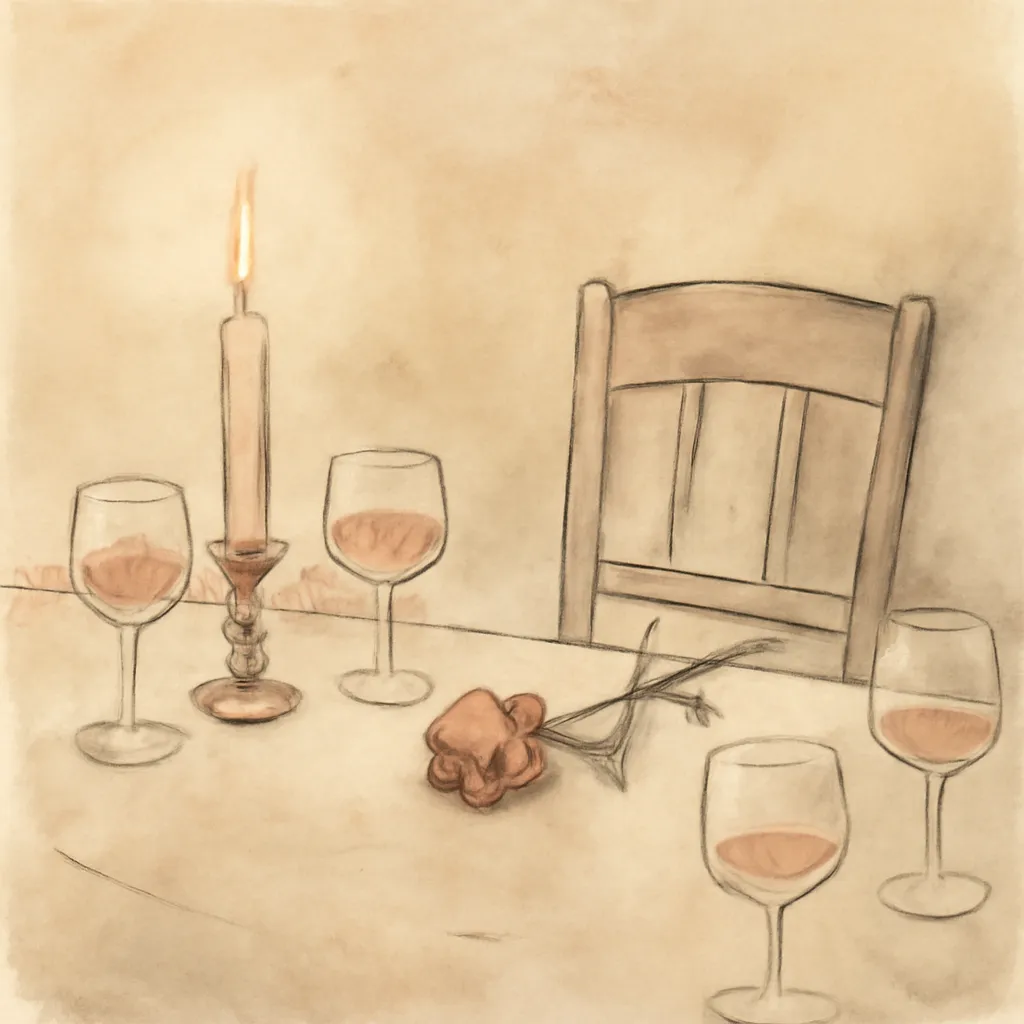
Characters in 'The Rustle of Silk' navigate the intricate web of social expectations that define their lives. Mrs. Malwood, for instance, embodies the struggles of a woman trapped in her circumstances, burdened by personal losses and societal pressures. Her attempts to seek solace through her friend Feo Fallaray highlight the emotional toll of conforming to societal norms. As the characters interact, their dialogues reveal the tension between personal desires and the expectations imposed upon them by society. This dynamic is particularly poignant in the context of female friendships, where support is mingled with competition and jealousy, reflecting the complexities of womanhood in a patriarchal society. The novel suggests that while women may uplift one another, they are also constrained by the very norms that bind them, creating a cycle of emotional conflict that affects their relationships and personal growth.
3.The Duality of Masculinity
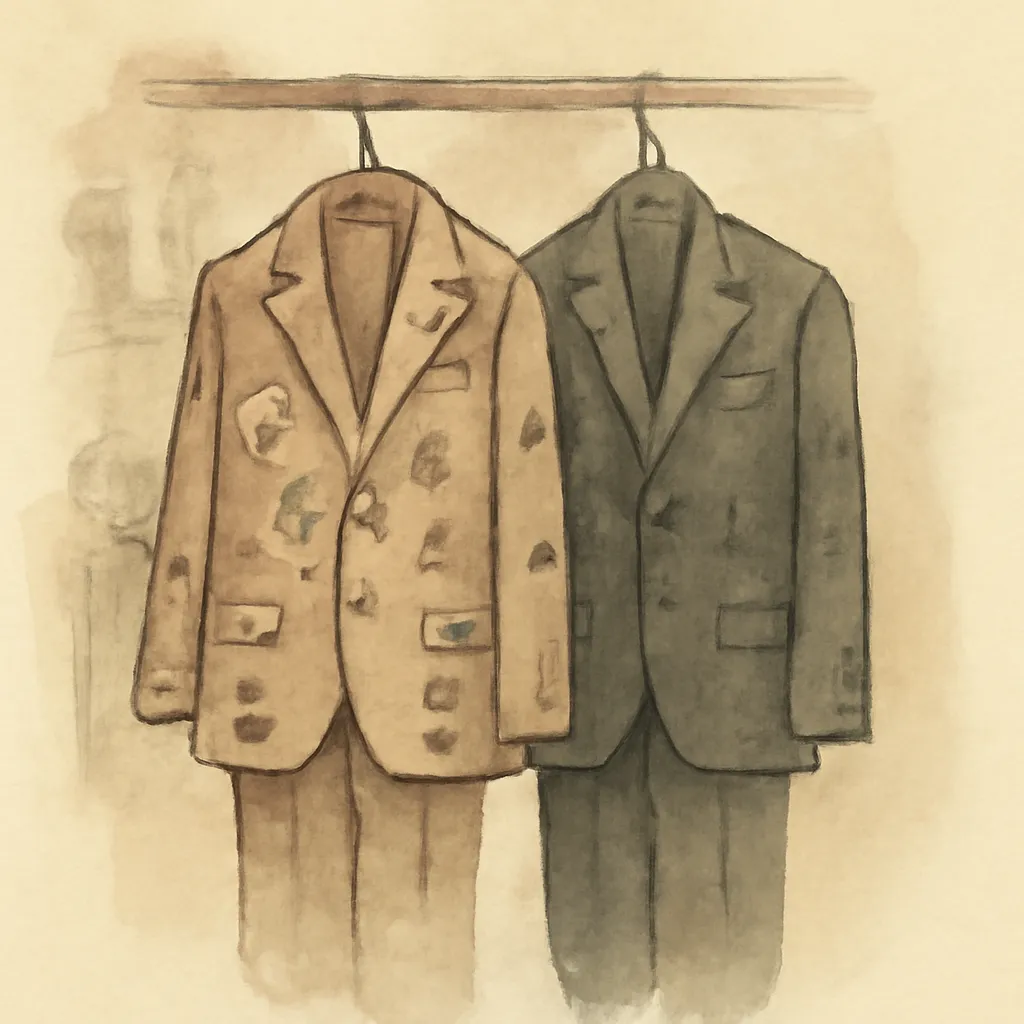
The novel presents a nuanced exploration of masculinity, particularly through characters like Sir Peter Chalfont and Fallaray. Sir Peter, with his cork arm and humorous antics, offers a contrast to the more serious and responsible Fallaray, who grapples with his role in a changing world. The juxtaposition of these characters illustrates the varied expressions of masculinity, from the whimsical to the burdensome. Fallaray's internal conflict regarding his responsibilities and his romantic interests adds depth to his character, showcasing the societal pressures placed on men to conform to ideals of strength and success. As the narrative unfolds, readers witness the vulnerabilities of these men, challenging traditional notions of masculinity. Fallaray, for instance, embodies the struggle of a man who desires to be more than society dictates, seeking fulfillment beyond the rigid boundaries of his role in the political arena. This exploration reveals that masculinity, like femininity, is complex and multifaceted, shaped by personal experiences and societal expectations.
4.The Quest for Authenticity
At the heart of 'The Rustle of Silk' lies a profound quest for authenticity. Characters like Feo and Lola grapple with their identities and the masks they wear in public and private spheres. Feo, once a vibrant and carefree spirit, finds herself increasingly burdened by the expectations of those around her, leading to a gradual loss of her former self. This transformation is mirrored in Lola, who represents a new generation unafraid to embrace their desires and aspirations. The tension between societal roles and personal authenticity drives the narrative forward, as characters seek to reconcile their inner truths with the personas they project to the world. The novel suggests that the pursuit of authenticity requires courage, particularly for women, who often face backlash for defying norms. This theme resonates with readers, inviting reflection on the nature of identity and the challenges of living truthfully in a world filled with contradictions.
5.Romantic Disillusionment
The novel intricately weaves the theme of romantic disillusionment through the experiences of its characters. Fallaray's relationship with Feo is fraught with complications, revealing the emotional complexities that often accompany love. As they navigate their feelings, the characters confront the stark realities of their choices and the impact of societal expectations on their relationships. The disillusionment is palpable in moments of introspection, where characters question the validity of their emotions and the authenticity of their connections. This exploration of love's challenges reflects the broader societal shifts occurring in the post-war landscape, where traditional notions of romance are being reevaluated. Fallaray's longing for connection and Lola's youthful exuberance serve as poignant reminders that romantic ideals often clash with reality, leading to a deeper understanding of love's multifaceted nature.
6.The Influence of War
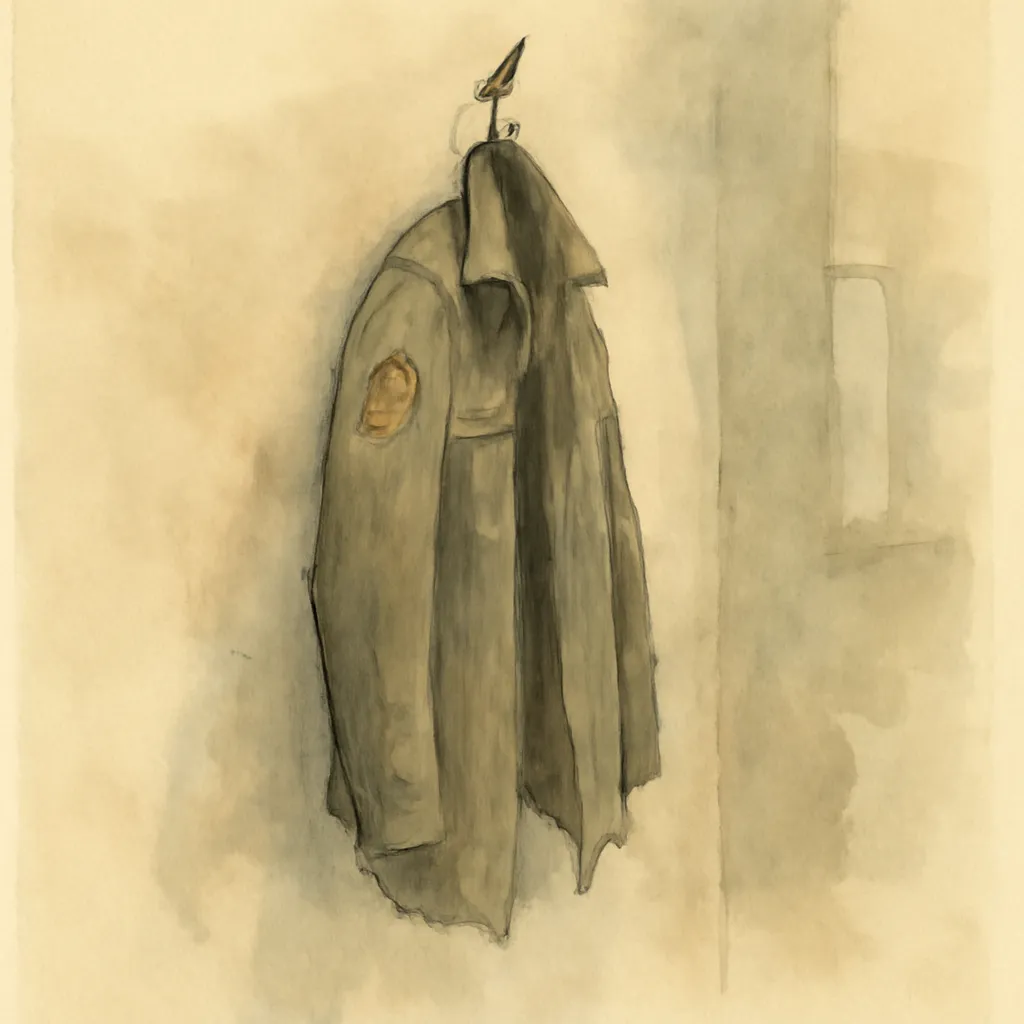
The lingering effects of World War I permeate the lives of the characters in 'The Rustle of Silk', shaping their perspectives and aspirations. Characters like Fallaray and Ellingham are marked by their experiences, grappling with the psychological scars left by the war. This backdrop serves as a catalyst for their actions and decisions, influencing their relationships and ambitions. The war's impact on societal norms and gender roles is palpable, as characters navigate a world forever altered by conflict. The narrative suggests that the war has not only changed the landscape of society but has also redefined personal aspirations and the pursuit of happiness. For Fallaray, the desire to escape the burdens of political life reflects a broader quest for meaning in a world that has been irrevocably transformed. This historical context adds depth to the narrative, illustrating how the aftermath of war reshapes individual lives and collective consciousness.
7.The Complexity of Female Friendships
Female friendships in 'The Rustle of Silk' are depicted with remarkable complexity, showcasing both support and rivalry. Characters like Georgie and Feo navigate their bond amid shifting dynamics, reflecting the emotional intricacies of women's relationships. Georgie's growing disillusionment with Feo's changing demeanor underscores the challenges of maintaining connections in a world where personal growth often leads to divergence. This tension is emblematic of the struggles women face in balancing individuality with the expectations of friendship. The narrative suggests that while friendships among women can be sources of strength, they are also fraught with competition and emotional turmoil. This nuanced portrayal invites readers to reflect on their own relationships and the ways in which societal expectations shape female camaraderie, highlighting that true support requires empathy and understanding amidst inevitable change.
8.The Allure of the Unattainable
Throughout the novel, characters are drawn to the allure of the unattainable, whether it be love, ambition, or social status. Fallaray's infatuation with Lola represents a longing for something beyond his reach, a desire for a life filled with passion and vitality. This theme extends to other characters, who find themselves chasing dreams that seem perpetually out of grasp. The narrative illustrates how this pursuit can lead to both inspiration and heartache, as the characters grapple with the consequences of their desires. The allure of the unattainable serves as a driving force in the story, propelling characters toward moments of revelation and self-discovery. This theme resonates with readers, prompting reflections on their own ambitions and the ways in which the pursuit of dreams shapes their lives, often leading to unexpected turns and profound insights.
9.The Dance of Power Dynamics
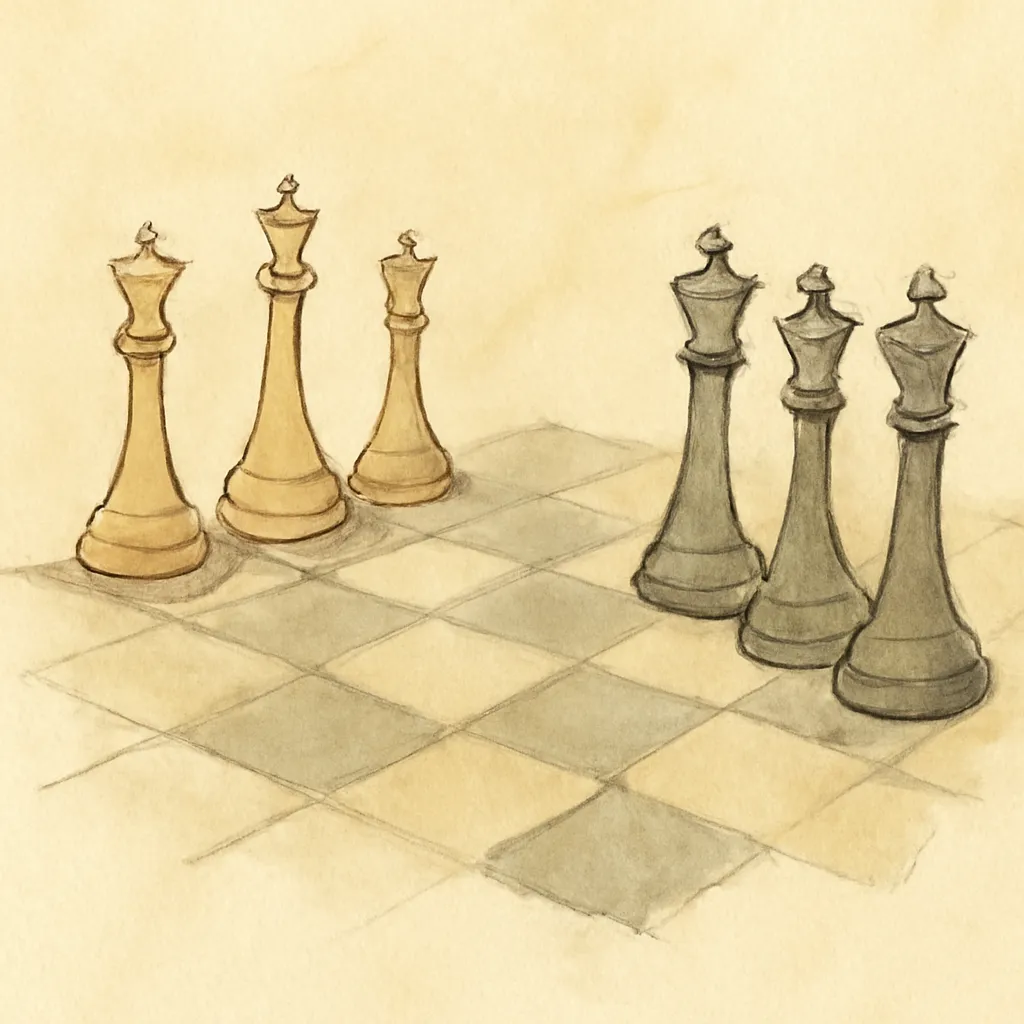
Power dynamics play a significant role in 'The Rustle of Silk', influencing relationships and shaping interactions among characters. The interplay between genders, social classes, and individual ambitions creates a complex tapestry of influence and control. Characters like Fallaray navigate their positions of power within societal structures, often facing challenges that test their resolve. The novel delves into the subtleties of these dynamics, revealing how they shape decisions and relationships. The exploration of power is particularly evident in how men and women interact, with societal norms dictating expectations and behavior. This tension underscores the broader implications of power in society, prompting readers to consider the ways in which power manifests in their own lives and the moral responsibilities that come with it.
10.The Ephemeral Nature of Youth
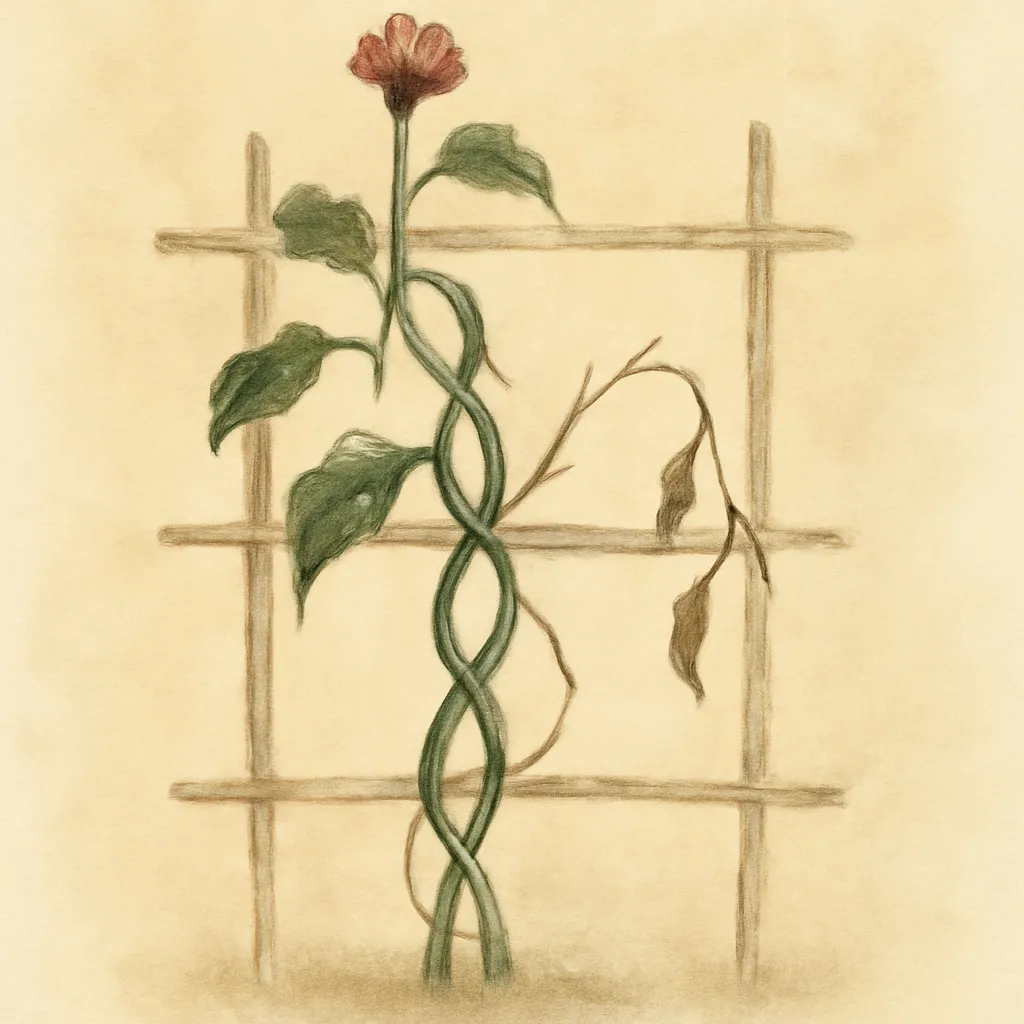
Youth serves as a central theme in 'The Rustle of Silk', exploring its fleeting nature and the inevitable passage of time. Characters like Feo and Lola embody the vibrancy of youth, yet they are also acutely aware of its transience. The narrative captures moments of joy, longing, and regret, as characters reflect on their choices and the paths they have taken. This exploration of youth's ephemerality resonates with readers, evoking nostalgia and prompting reflection on their own journeys. Characters face the stark reality of growing older, leading to moments of introspection that reveal their deepest desires and fears. The novel suggests that while youth may be fleeting, the experiences and relationships forged during this time leave an indelible mark on one's identity, emphasizing the importance of embracing the present while navigating the complexities of life.