1.The Power of Place
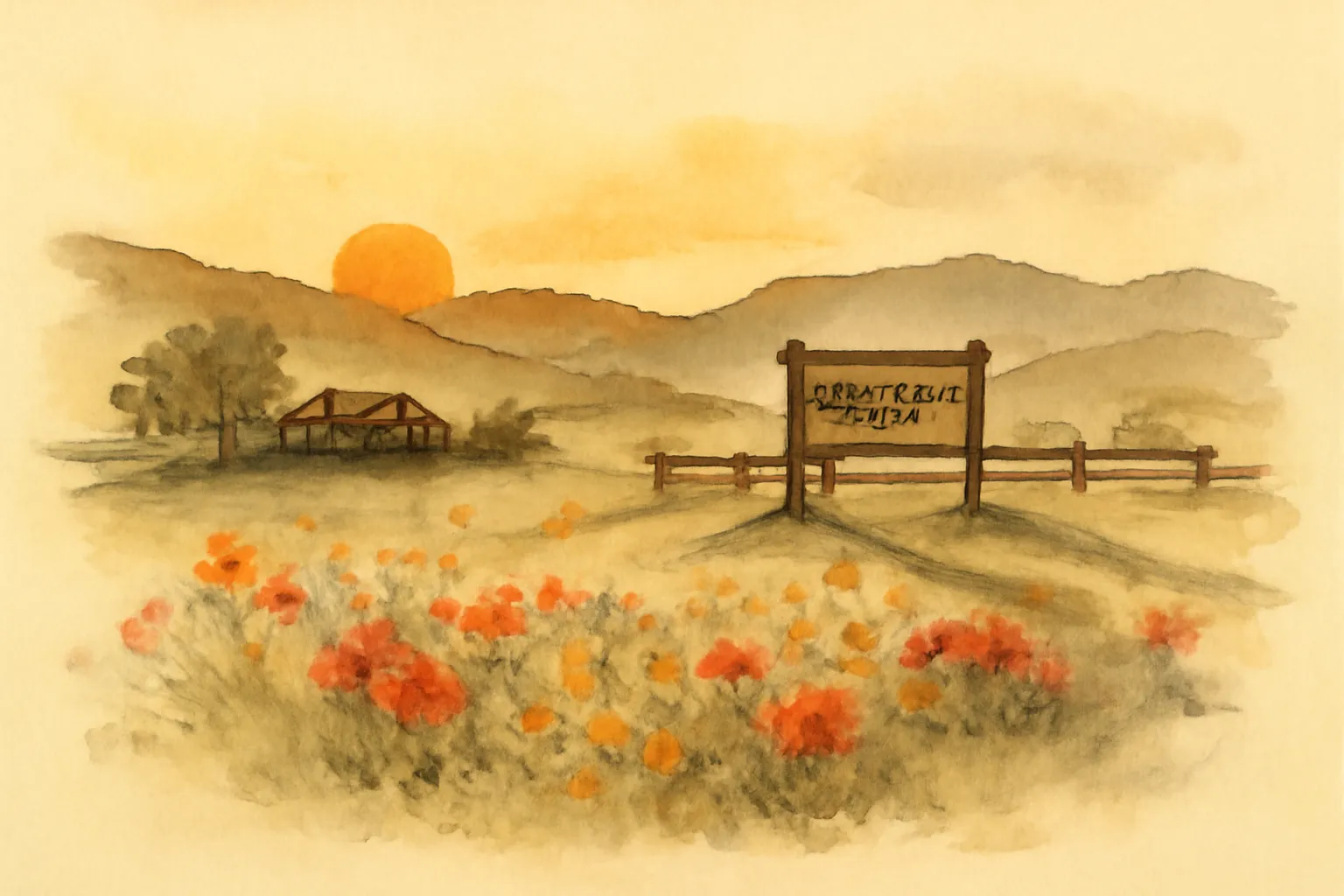
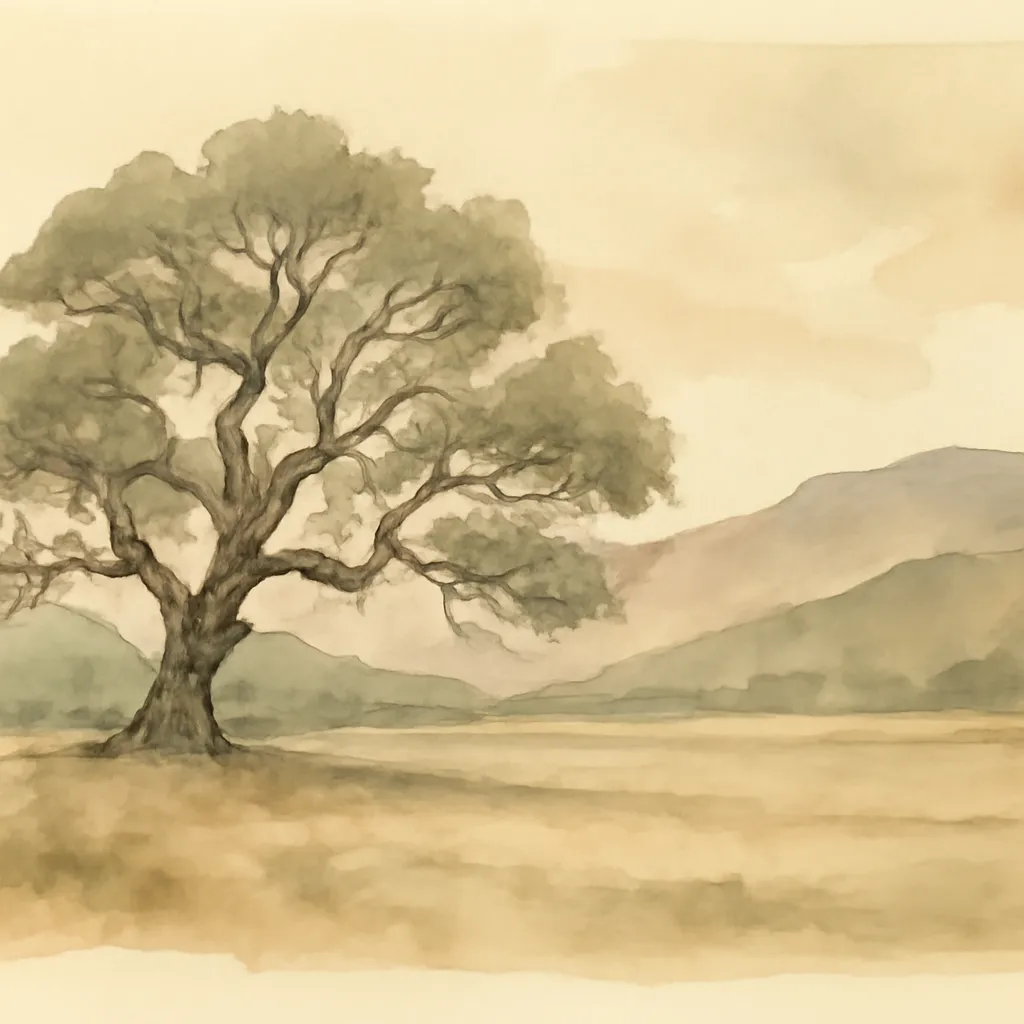
The San Rosario Ranch serves as more than just a backdrop; it is a character in its own right. The rugged beauty of California's wilderness reflects the internal struggles of the characters, particularly Millicent and Graham. The vast landscapes, from the serene gardens to the imposing mountains, symbolize the emotional landscapes the characters traverse. Millicent's initial discomfort with the rawness of her surroundings speaks to her sheltered upbringing, contrasting sharply with Graham's deep connection to nature as an artist. For Graham, the beauty of the landscape fuels his creative spirit, while for Millicent, it represents a challenge to adapt and grow. As Millicent becomes more attuned to the rhythms of ranch life, she learns to appreciate the wildness surrounding her, which parallels her own journey toward self-discovery. The interplay between character and setting is a powerful reminder of how our environments shape our identities and experiences.
2.Art as a Reflection of Life

John Douglass Graham's journey as a painter encapsulates the struggle between artistic ambition and personal relationships. His dedication to capturing the beauty of the world around him often comes at the expense of his emotional connections, particularly with Millicent. Through Graham's eyes, readers witness the tension between the desire for artistic integrity and the pull of romantic attachment. His reflections on the difficulty of translating nature's beauty onto canvas highlight the challenges artists face in their pursuit of perfection, where every stroke of the brush is laden with emotion and intent. The novel suggests that art is not merely a product but a process deeply intertwined with the artist's emotional landscape. Graham’s masterpieces become a testament to his inner turmoil, his triumphs, and his vulnerabilities. This exploration of art invites readers to consider their own creative endeavors and the sacrifices they make in pursuit of their passions, making the narrative resonate on a personal level.
3.Love and Sacrifice

The theme of love in 'The San Rosario Ranch' is complex and multifaceted, showcasing the sacrifices that often accompany deep emotional connections. Millicent and Graham's relationship is fraught with misunderstandings and the burden of their pasts. Millicent's struggle to reconcile her feelings for Graham with her own insecurities and societal expectations highlights the sacrifices individuals make for love. Graham, in turn, grapples with the fear that his devotion to Millicent might detract from his artistic focus. Their love story is a poignant reminder that true love often requires individuals to confront their fears and vulnerabilities, forging a path through doubt and hesitation. Elliott deftly illustrates how love can inspire both growth and conflict, as characters navigate the delicate balance between personal desires and the needs of their partners. The novel suggests that love is not just a feeling but an active choice that demands courage and often comes with a price.
4.Identity and Transformation

Millicent Almsford's character arc is a compelling exploration of identity and transformation. Initially depicted as a sheltered young woman, her journey at the San Rosario Ranch forces her to confront her preconceived notions of life and love. Her discomfort with the ranch's rawness symbolizes her struggle to break free from societal constraints and embrace her true self. As she interacts with the vibrant characters around her, including the strong and independent Barbara Deering, Millicent begins to shed her insecurities. This transformation is not without its challenges, as she must reconcile her past with her aspirations for the future. Elliott beautifully captures the moments of self-doubt and revelation that accompany Millicent's growth, making her journey relatable. The novel powerfully illustrates that the journey of self-discovery is often messy and nonlinear, filled with moments of doubt and triumph, emphasizing the importance of resilience and self-acceptance.
5.The Role of Friendship
Friendship plays a crucial role in shaping the characters' experiences and decisions throughout the novel. The bond between Millicent and Barbara Deering exemplifies the strength found in female friendships, providing support and encouragement in times of uncertainty. Barbara's steadfast nature and practical wisdom serve as a counterbalance to Millicent's emotional turmoil, helping her navigate her feelings for Graham. Their interactions underline the importance of solidarity and understanding among women, as they share their hopes, fears, and dreams. The camaraderie among the male characters, including Hal Deering and Maurice Galbraith, adds depth to the narrative, illustrating how friendships can influence personal growth and decision-making. Elliott portrays friendship as a lifeline, emphasizing the idea that the connections we forge with others can profoundly impact our individual journeys and lead to personal fulfillment.
6.Confronting the Past

Both Millicent and Graham are haunted by their pasts, which shape their present choices and relationships. Millicent's upbringing, marked by isolation and the shadow of her father's expectations, creates a sense of emotional distance from her true desires. Graham, on the other hand, grapples with the weight of his family's legacy and the expectations placed upon him as an artist. The characters' struggles to confront their pasts serve as a catalyst for growth, illustrating the necessity of acknowledging one's history to move forward. Through moments of introspection and confrontation, both characters learn that acceptance of their pasts is essential for healing and transformation. Elliott emphasizes that it is only by confronting their histories that they can embrace their identities fully. This theme resonates with readers, encouraging them to reflect on their own histories and the ways they influence their identities, prompting a deeper understanding of the intricacies of personal growth.
7.Nature as a Healing Force
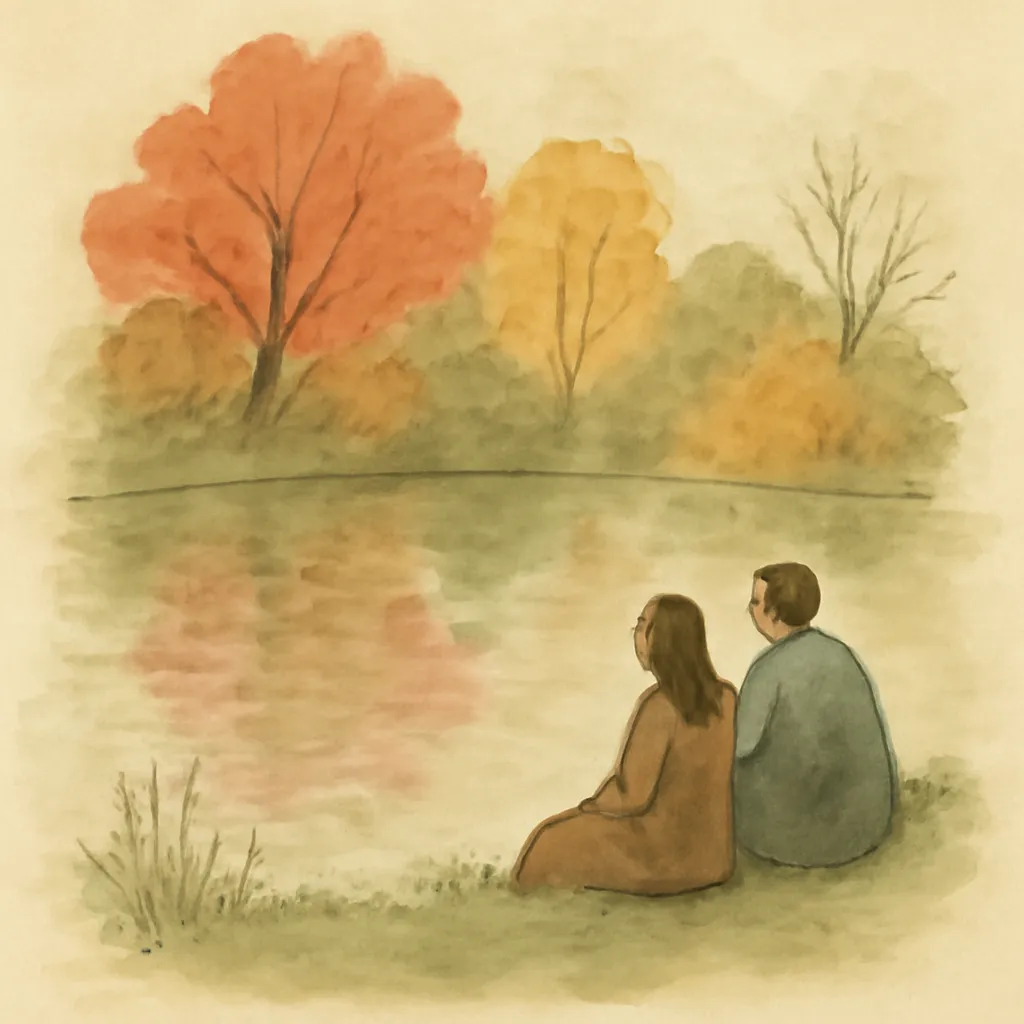
In 'The San Rosario Ranch,' nature emerges as a healing force, offering solace and inspiration to the characters. The rugged landscapes and serene gardens provide a refuge for Millicent and Graham as they navigate their emotional turmoil. For Graham, the act of painting nature serves as a therapeutic outlet, allowing him to channel his feelings into his art. Millicent's gradual acclimatization to the ranch's environment symbolizes her growing resilience and adaptability, as she learns to find beauty in the wildness around her. The natural world becomes a mirror for their internal struggles, reflecting their emotional states and providing a backdrop for their personal growth. Through vivid descriptions of the landscape, Elliott conveys the message that healing can often be found in the natural world, encouraging readers to seek solace and inspiration in their own surroundings. This connection to nature emphasizes the novel's theme of finding beauty and healing in the world around us, inviting readers to appreciate the restorative power of the environment.
8.The Complexity of Gender Roles
Elliott's narrative delves into the complexity of gender roles in the late 19th century, particularly through the character of Millicent. As a woman navigating societal expectations, she grapples with the limitations imposed upon her by a patriarchal society. Her journey toward independence and self-discovery challenges traditional gender norms, showcasing the struggle for autonomy in a male-dominated world. Meanwhile, Graham embodies a different set of expectations as a male artist, torn between societal obligations and personal desires. The novel highlights the tension between individual aspirations and societal pressures, illustrating how both men and women grapple with their roles in a changing world. Through the struggles of Millicent and Graham, Elliott critiques the rigid structures of gender expectations, emphasizing the importance of personal integrity over social status. This exploration invites readers to consider the ongoing evolution of gender roles and the impact of societal expectations on personal identity, making the narrative resonate with contemporary discussions on gender equality.
9.The Influence of Class and Society
The characters in 'The San Rosario Ranch' navigate a landscape shaped by class distinctions and societal expectations. Millicent's aristocratic background contrasts with the more rugged, egalitarian life at the ranch, highlighting the tensions between social class and personal identity. Her initial discomfort with the ranch's rawness reflects her struggle to reconcile her upbringing with her desire for authenticity and belonging. Conversely, characters like Hal Deering represent the working class, embodying a sense of practicality and resilience that challenges Millicent's preconceived notions. Through these interactions, Elliott critiques the rigid structures of class and society, emphasizing the importance of personal integrity over social status. The portrayal of class dynamics serves as a reminder of the societal constraints that can hinder personal growth, pushing readers to reflect on the implications of class in their own lives. The novel encourages a deeper understanding of the complexities of social stratification and its impact on relationships and aspirations.
10.Redemption and Forgiveness
At its core, 'The San Rosario Ranch' is a story of redemption and forgiveness, particularly exemplified in the relationship between Millicent and Graham. As they confront their individual flaws and past mistakes, both characters embark on a journey toward understanding and acceptance. Millicent's initial deceit regarding her past challenges Graham's ability to forgive; yet their love ultimately transcends these obstacles. The process of forgiveness is not instantaneous; it unfolds gradually as they learn to communicate openly about their fears and vulnerabilities. Elliott beautifully illustrates that true love requires not only passion but also a willingness to forgive and embrace each other's imperfections. This theme underscores the idea that love can heal wounds and foster personal growth, making it a powerful force in the characters' lives. The exploration of redemption and forgiveness resonates with readers, encouraging them to contemplate their own relationships and the importance of compassion and understanding in navigating life's challenges.