1.Temptation as Subtle Manipulation
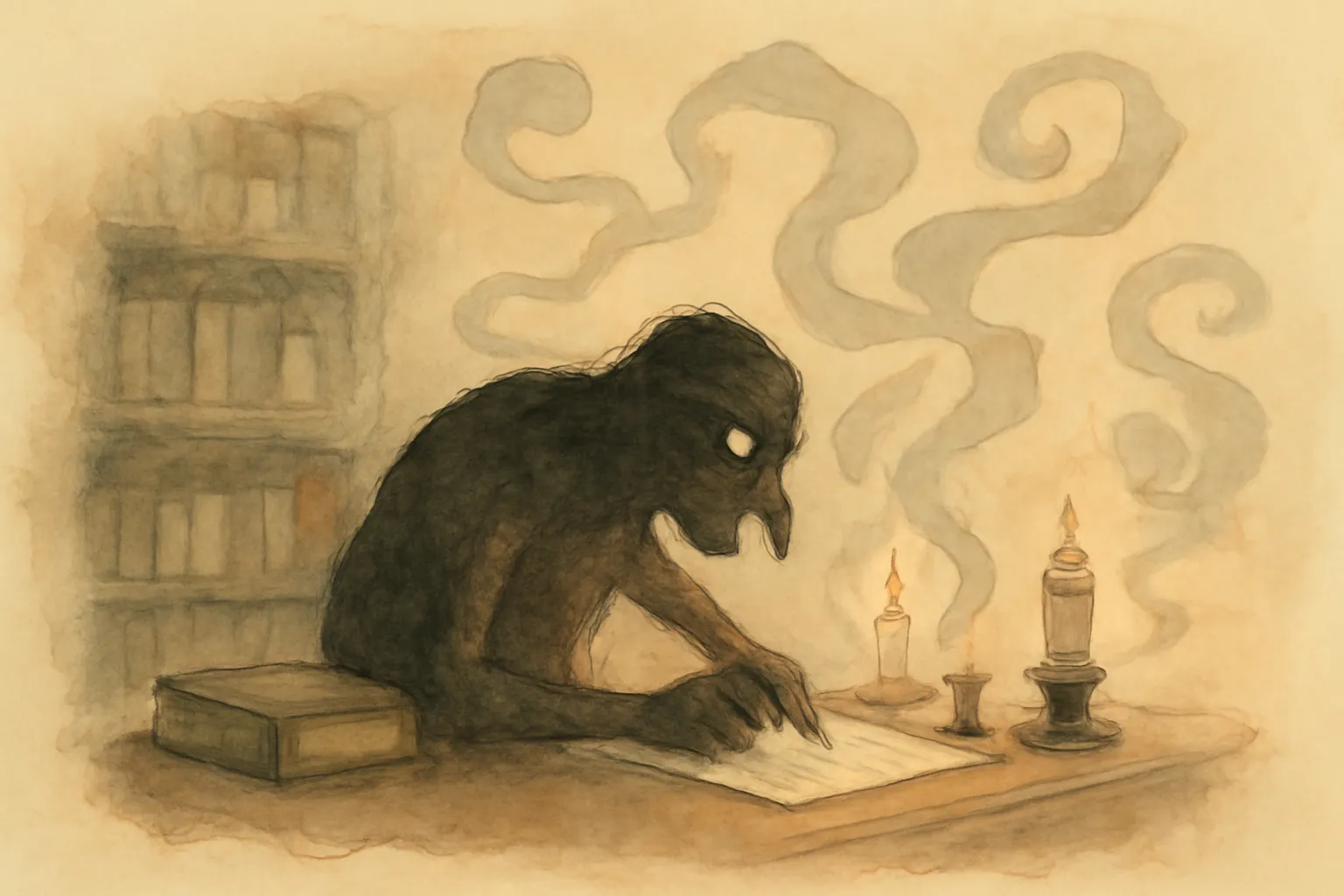
Rather than dramatic evil, Screwtape’s advice focuses on small, almost invisible nudges: distractions, rationalizations, and gradual moral erosion. The book suggests that most spiritual danger comes not from obvious sins but from the slow drift away from goodness through comfort, routine, and self-deception. This lens encourages readers to be vigilant about the little choices and habits that form character.
2.The Banality of Evil
Lewis’s devils are bureaucrats, not monsters. Their evil is methodical, petty, and often dull, reflecting the idea that moral decay is rarely spectacular. This portrayal demystifies evil, showing it as a process of compromise and mediocrity, not grand villainy. It’s a warning against complacency and the everyday ways we can lose our integrity.
3.The Power of Ordinary Life
Screwtape is frustrated by the ordinary pleasures and routines of human life—family, friendship, honest work—which he sees as dangerous to his cause. Lewis argues that genuine spiritual growth often happens in the mundane, not the extraordinary. This elevates everyday faithfulness and small acts of love as central to resisting temptation.
4.Self-Knowledge and Self-Deception
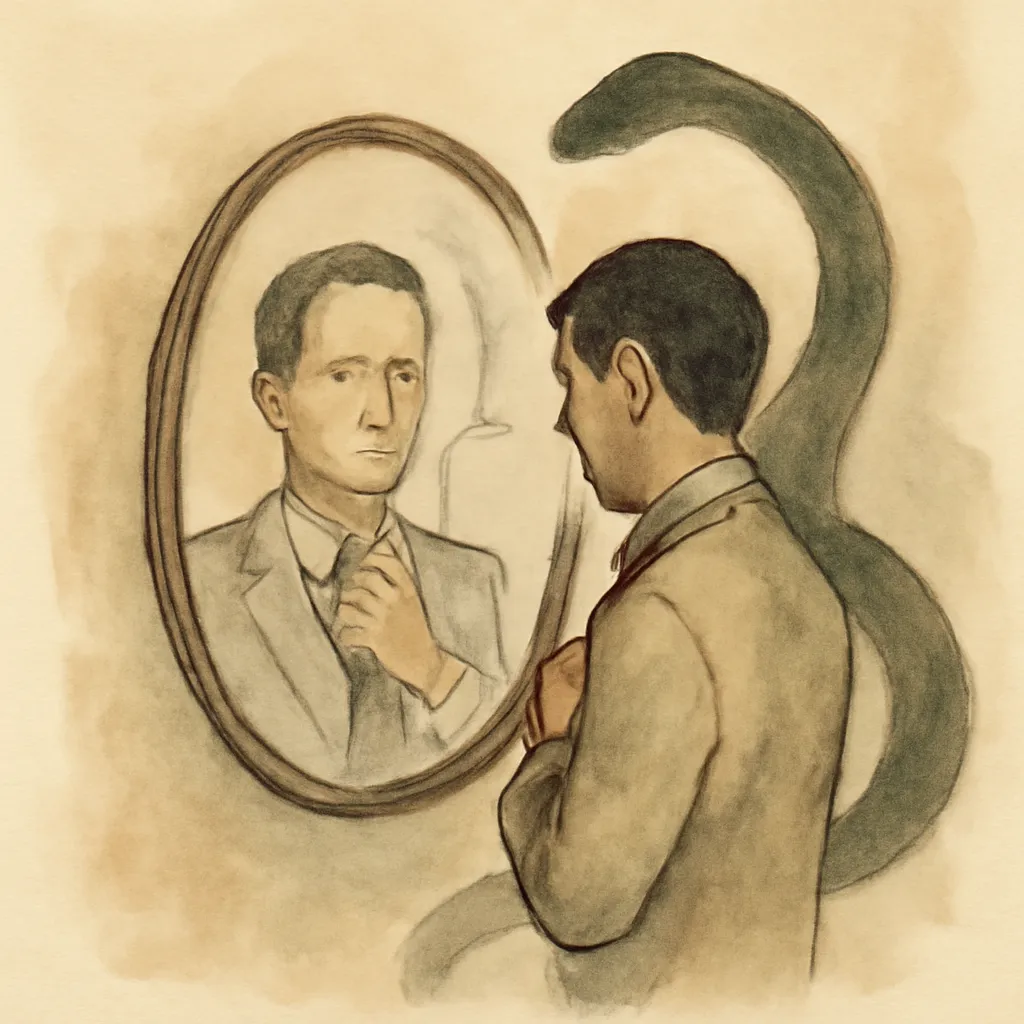
The letters reveal how easily humans deceive themselves about their motives and actions. Screwtape encourages Wormwood to exploit pride, self-righteousness, and even religious habits to turn the patient away from true humility. The book invites readers to examine their own hearts for hidden motives and to cultivate honest self-awareness.
5.Spiritual Warfare as a Psychological Battle
Lewis reframes spiritual conflict as a battle for the mind and will, not just the soul. The devils exploit anxiety, boredom, and emotional swings, showing that spiritual health is intertwined with psychological resilience. This perspective bridges theology and psychology, offering a nuanced view of how inner struggles shape outward behavior.
6.Grace and the Limits of Evil
Despite Screwtape’s cunning, the patient’s story ultimately points to the power of grace and the limits of evil. The devils are frustrated by their inability to fully understand or counteract divine love. This underscores Lewis’s belief in the ultimate triumph of good, even when evil seems pervasive.