1.The Unreliability of Memory
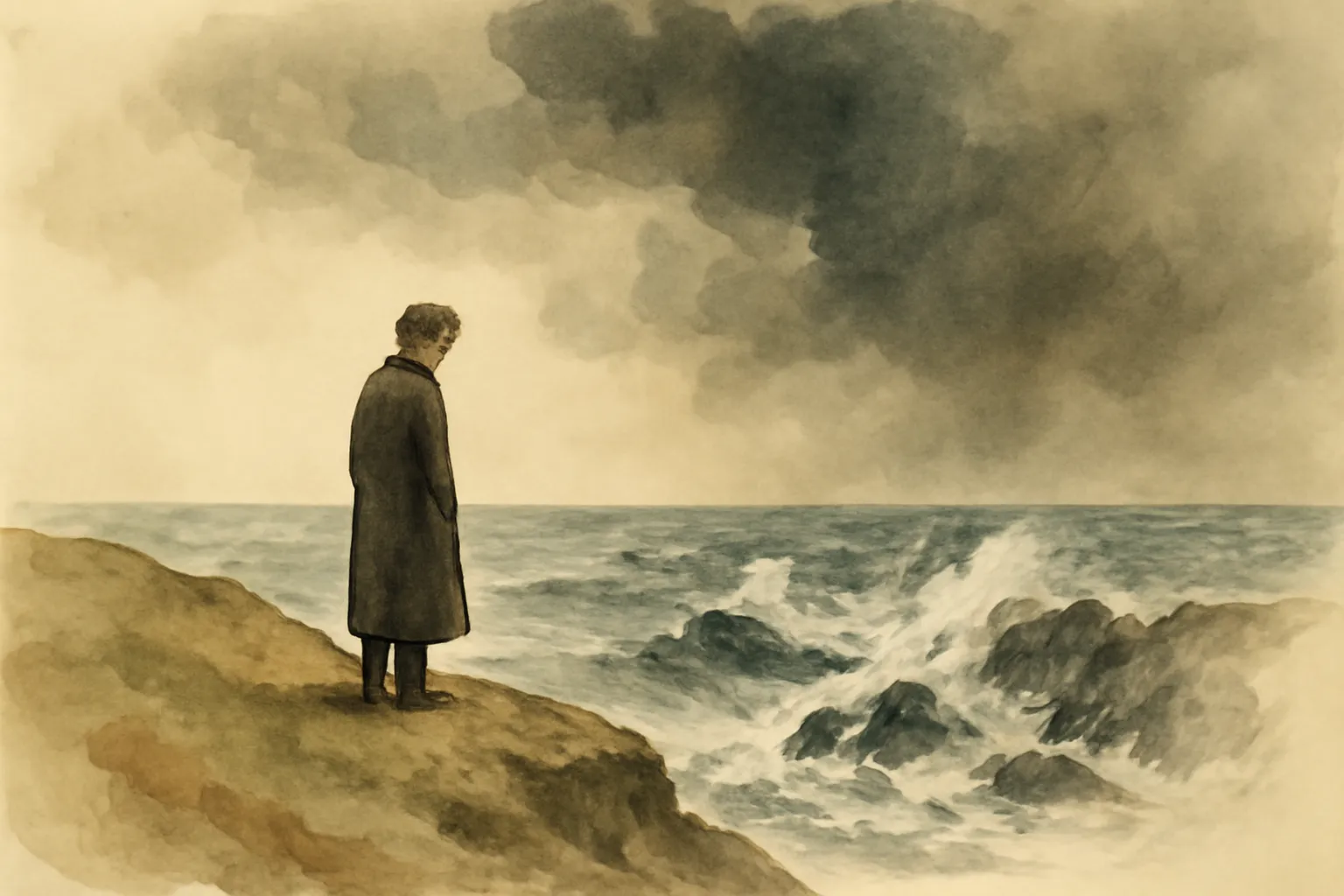
Banville’s protagonist, Max Morden, returns to the seaside village of his youth, only to find that his recollections shift and blur as he tries to make sense of both his past and his present grief. The novel suggests that memory is not a faithful record but a living, shifting force—colored by emotion, desire, and regret. This unreliable narration invites readers to question how much of our own past is constructed, and whether we can ever truly know ourselves or others through memory alone.
2.Grief as a Transformative Force
The Sea is, at its core, a study of grief. Max’s mourning for his wife Anna is intertwined with his childhood memories, suggesting that loss is not a single event but a recurring tide that shapes the landscape of our lives. Banville explores how grief can drive us to revisit old wounds, seeking meaning or solace, and how it can both isolate and connect us to others. The novel’s depiction of mourning is unsentimental yet deeply moving, capturing the disorienting, cyclical nature of sorrow.
3.The Elusiveness of Truth
Throughout the novel, Max’s attempts to reconstruct the events of a pivotal summer are hampered by gaps, contradictions, and the passage of time. Banville plays with the idea that truth is elusive—not just because of faulty memory, but because our perceptions are always subjective. The Sea raises questions about whether it is possible to arrive at any definitive understanding of our lives, or whether we are always left with fragments and impressions.
4.Art, Beauty, and the Search for Meaning
As an art historian, Max is attuned to the nuances of beauty and the ways in which art attempts to capture fleeting moments. The novel draws parallels between art and memory, both striving to impose order on chaos, to find meaning in the ephemeral. Banville’s lush, painterly prose mirrors this theme, inviting readers to savor the aesthetic pleasures of language even as it grapples with profound existential questions.
5.Childhood Innocence and Its Loss
The return to the seaside is also a return to the innocence and confusion of childhood, particularly Max’s fascination with the Grace family. The novel explores the intoxicating, sometimes dangerous allure of first love and the abruptness with which innocence can be shattered. This loss of innocence is not just personal but universal, echoing the ways in which all of us are shaped by early experiences we can never fully recapture or understand.
6.The Sea as Metaphor
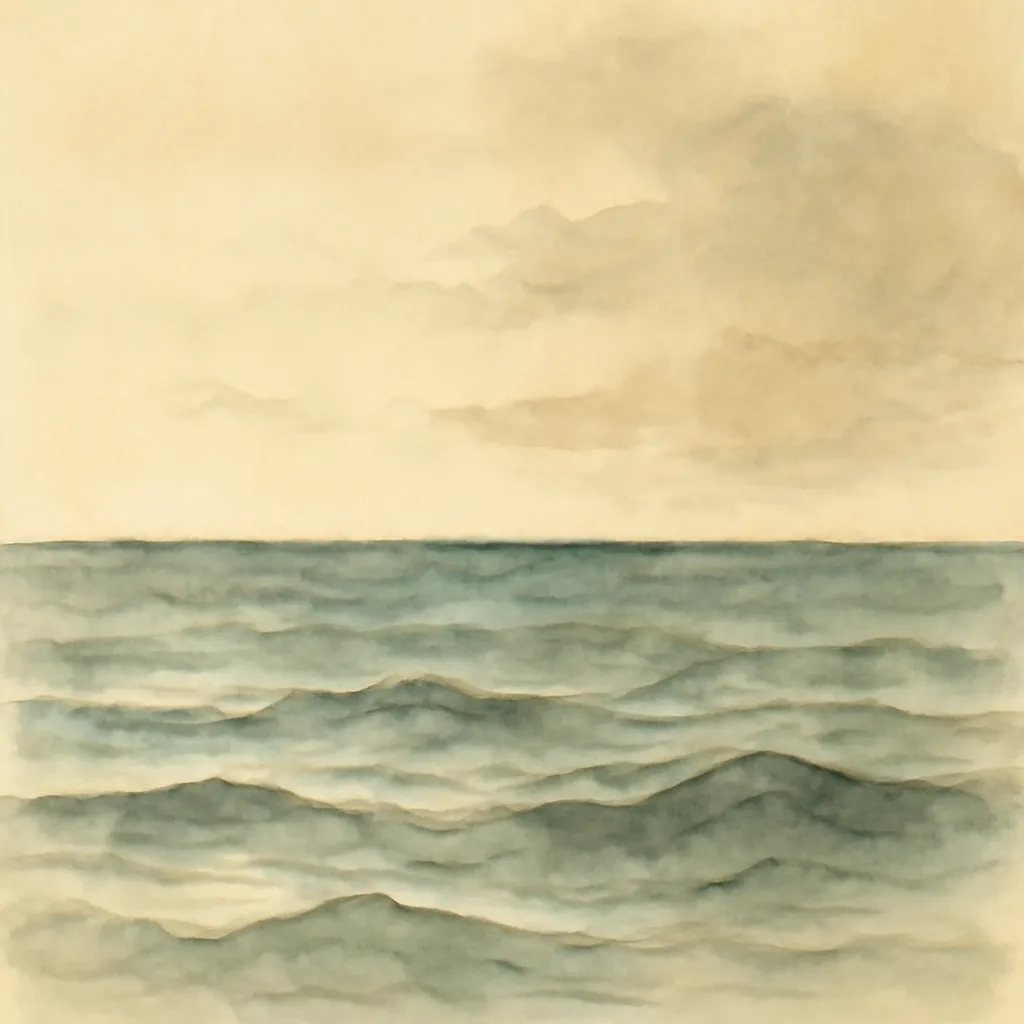
The sea itself is a constant, mutable presence in the novel—by turns calm and violent, inviting and threatening. It serves as a metaphor for memory, emotion, and the unconscious, always shifting and never fully knowable. Banville uses the sea to evoke the vastness and unpredictability of the human psyche, as well as the inevitability of change and loss.