
Fiction, general · Criminals, fiction · Widowers, fiction
The Sea by John Banville — Summary, Key Ideas & Quotes
20150✦ 3-min Big ideas
Rate it
Two essential novels from one of the most imaginative writers of our time: a Booker Prize winner about the unpredictable power of memory and an unforgettable literary mystery short-listed for the Booker prize. The Book of Evidence is a brilliantly disturbing portrait of an improbable murderer. Freddie Montgomery is an aimless, eccentric, and highly cultured man whose arrest for the murder of a servant girl prompts him to offer the reader an extended testimony. However, the evidence Freddie offers is not of his innocence, but of his life—of the circumstances that led to and (in his chillingly amoral mind) justified his grisly crime. Hauntingly reminiscent of Camus, Dostoevsky, and Nabokov, The Book of Evidence is among the most darkly compelling novels in international literature. The Sea follows retired art historian Max Morden to the seaside town where he spent his childhood summers. Max is grieving the loss of his wife, Anna, but returning to the seaside brings back intense memories of the wealthy and mysterious family in whose presence he had first learned about love and loss. Banville’s exploration of the unpredictable power of memory—a force as treacherous as the sea that pulses through the story. What Max comes to understand about the past, and about its indelible effects on him—is at the center of this elegiac, vividly dramatic, beautifully written novel.
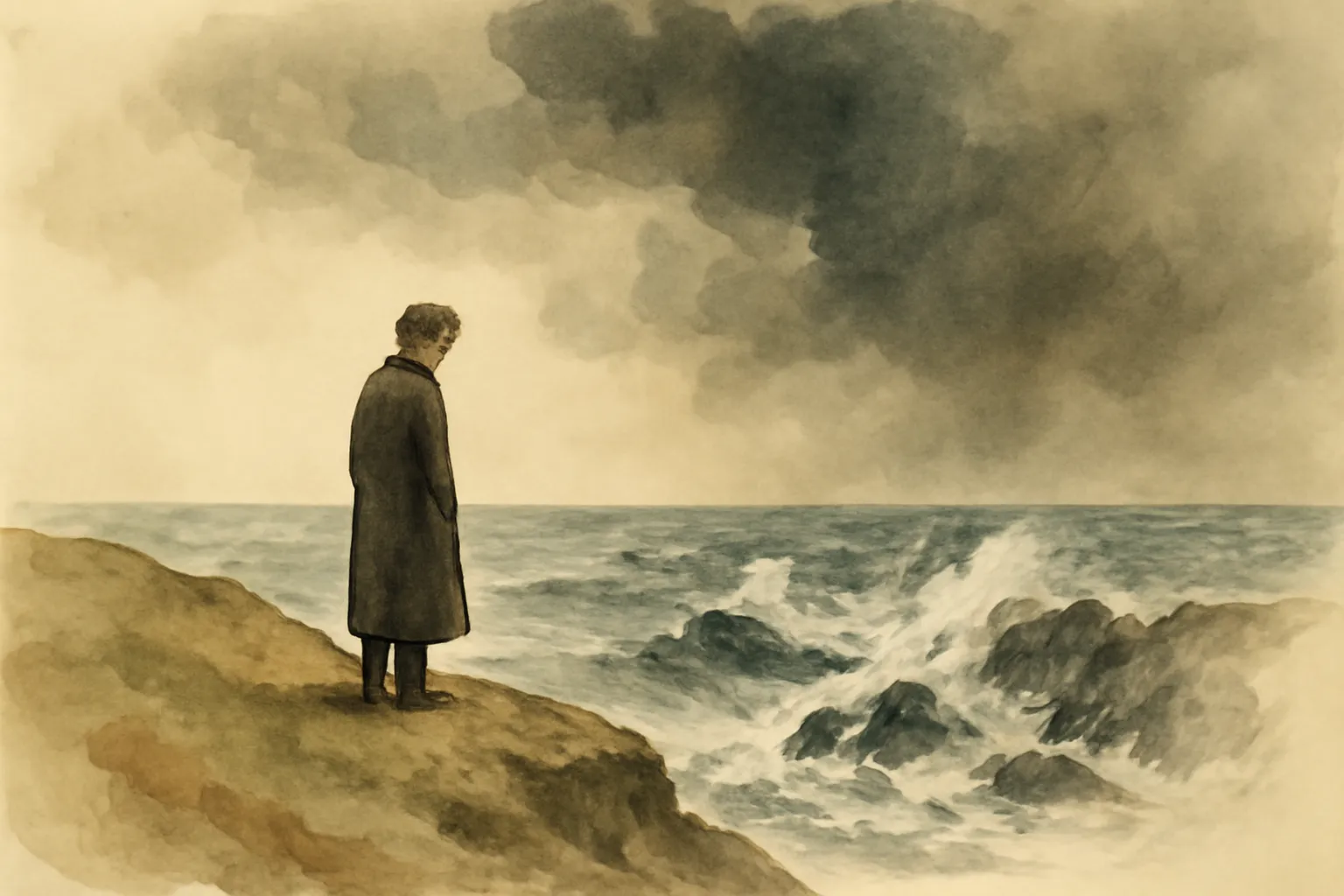
Banville’s protagonist, Max Morden, returns to the seaside village of his youth, only to find that his recollections shift and blur as he tries to make sense of both his past and his present grief. The novel suggests that memory is not a faithful record but a living, shifting force—colored by emotion, desire, and regret. This unreliable narration invites readers to question how much of our own past is constructed, and whether we can ever truly know ourselves or others through memory alone.
The Sea is, at its core, a study of grief. Max’s mourning for his wife Anna is intertwined with his childhood memories, suggesting that loss is not a single event but a recurring tide that shapes the landscape of our lives. Banville explores how grief can drive us to revisit old wounds, seeking meaning or solace, and how it can both isolate and connect us to others. The novel’s depiction of mourning is unsentimental yet deeply moving, capturing the disorienting, cyclical nature of sorrow.
“The past beats inside me like a second heart.”
“We carry the worlds we have made with us, like turtles with their shells.”
“Perhaps everything lies in the moment when we are about to leave, just before the future begins.”