1.The Allure of the Unknown
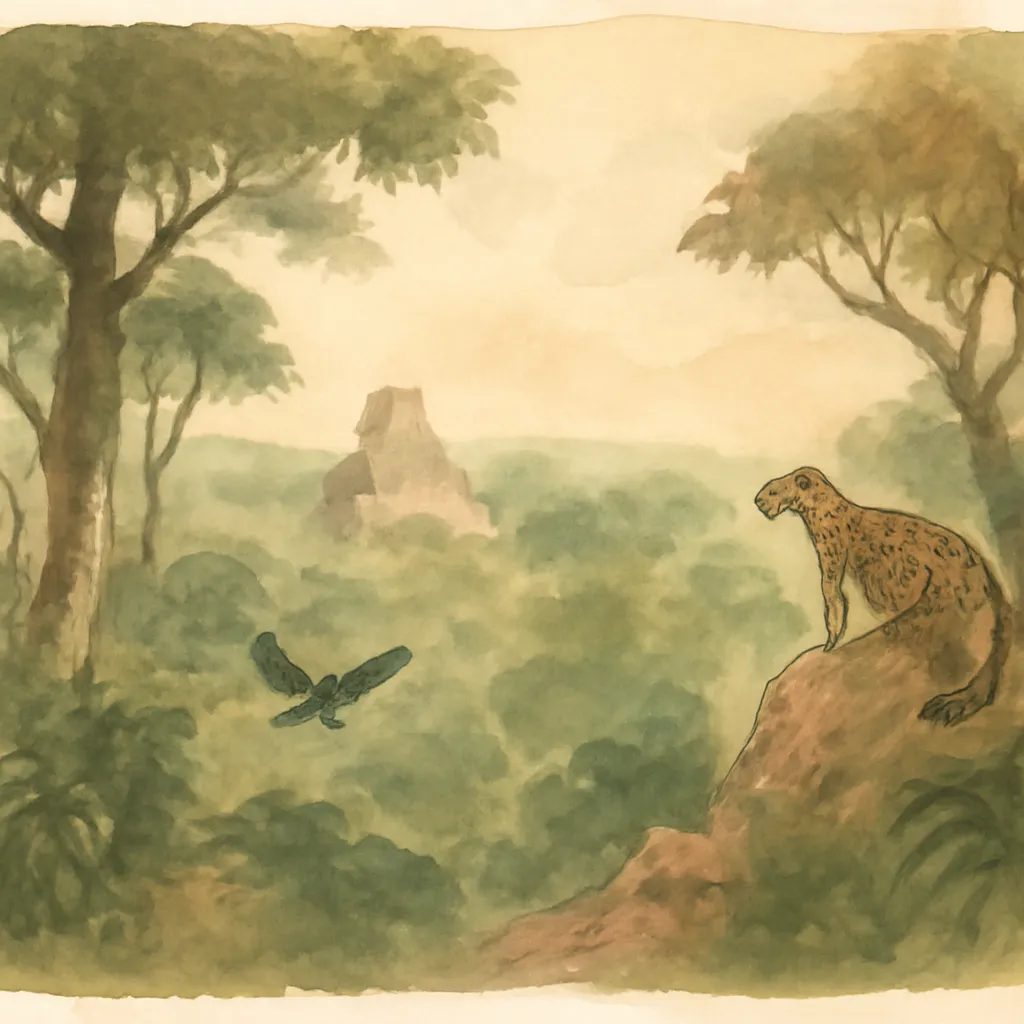
The story begins with Teddy Wright feeling frustrated and lonely, having missed out on a summer vacation adventure in the Adirondacks. Instead, he receives an invitation from Neal Emery to join him on a cruise aboard a steam yacht named the Sea Dream. The allure of the unknown is a central theme, as Teddy is drawn to the promise of exploring the uncharted territories of Central America. This desire for adventure reflects a universal human trait—an innate curiosity about the world and a longing to experience the unfamiliar. The boys' excitement about the journey symbolizes the adventurous spirit that drives many explorers throughout history, leading them to seek out new lands and cultures, often without fully understanding the implications of their pursuits. Their youthful enthusiasm for exploration sets the stage for a series of adventures that challenge their perceptions and test their courage.
2.Friendship and Loyalty in Adversity
As the boys embark on their journey, the bond of friendship becomes increasingly important. When the Sea Dream encounters a violent storm, Teddy and Neal must rely on each other for comfort and support. Their camaraderie is tested further when they are forced to abandon the yacht due to a fire. The shared experiences of fear, uncertainty, and survival forge a deeper connection between them. This theme highlights how friendships can be strengthened in times of crisis, as individuals come together to face challenges. The story showcases the importance of loyalty and mutual support, emphasizing that true friendships are often formed through shared trials and tribulations, which can lead to personal growth and resilience. The boys’ unwavering trust in one another during moments of fear reinforces the idea that a strong friendship can be a lifeline in perilous situations, allowing them to navigate the uncertainties of their adventure together.
3.Cultural Encounters and Misunderstandings

As Teddy and his companions venture deeper into the Yucatan jungle, they encounter the Chan Santa Cruz Indians, a culture rich in tradition and history. However, their initial interactions are fraught with tension and misunderstanding. The boys' preconceived notions about the indigenous people are challenged as they learn more about their customs and beliefs. This exploration of cultural encounters serves as a reminder of the complexities inherent in cross-cultural interactions. It reflects the importance of empathy and understanding when engaging with different cultures. Through their encounters, the narrative illustrates how cultural misunderstandings can arise from ignorance and preconceived biases. The boys, initially driven by the thrill of adventure and the myth of the Silver City, must confront the reality of the people they meet and adapt their perceptions. This theme encourages readers to consider the consequences of colonial attitudes and the importance of approaching different cultures with respect and an open mind.
4.The Quest for Treasure and Its Consequences

Cummings, the enigmatic guide, leads the boys on a quest to find the legendary Silver City, said to be adorned with silver buildings and treasures. This quest symbolizes the age-old pursuit of wealth and the desire for adventure that often drives explorers. However, as the story unfolds, the boys realize that the pursuit of treasure can have dire consequences. Their journey is fraught with danger, including encounters with hostile tribes and the ever-present threat of being captured. The narrative serves as a cautionary tale about the potential pitfalls of greed and the moral dilemmas that accompany the search for riches. It highlights the contrast between the boys’ initial excitement about the treasure and the harsh realities they face, prompting reflection on what truly holds value in life. Ultimately, the story illustrates that the richness of experience and the bonds formed along the way may outweigh the allure of treasure, underscoring the idea that true wealth lies in personal growth and human connection.
5.Survival Against the Odds
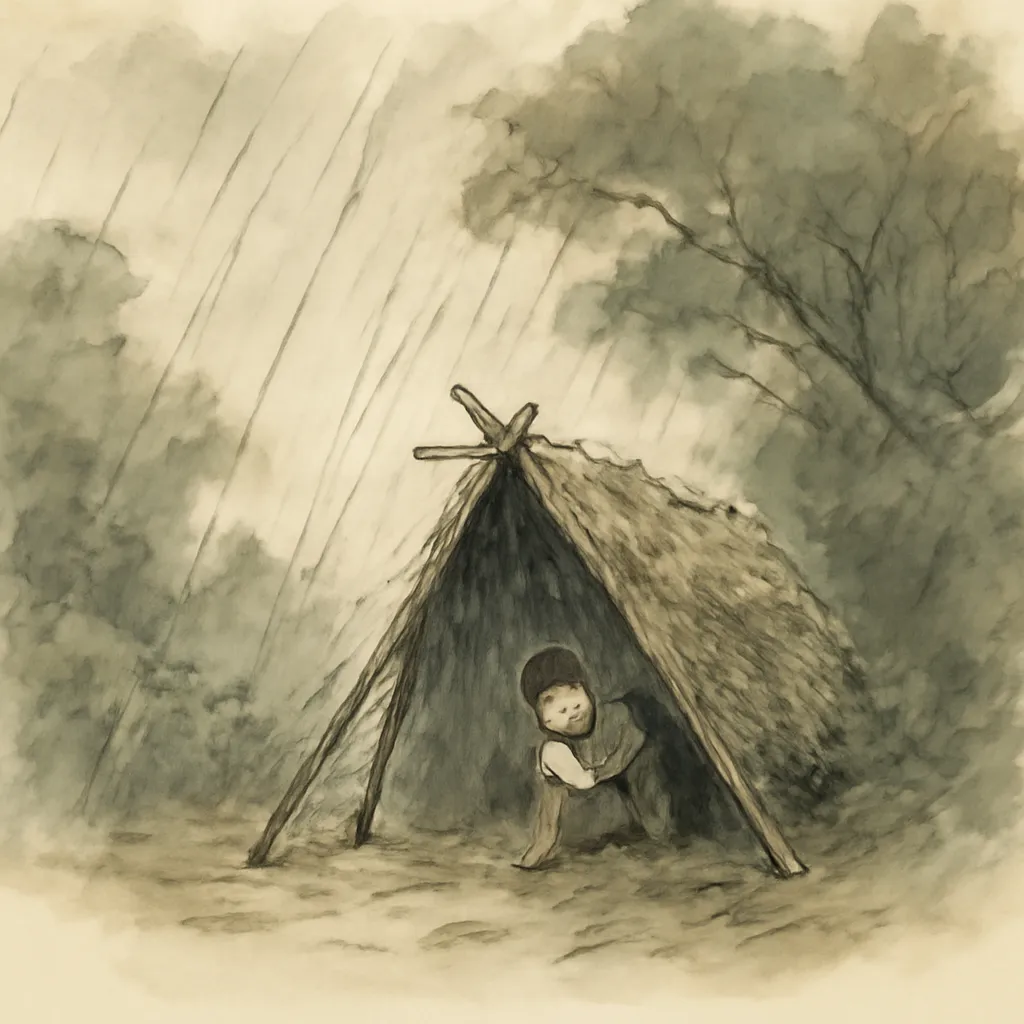
Throughout their adventure, Teddy and his friends face numerous challenges that test their survival skills. From navigating through dense jungles to evading capture by the Chan Santa Cruz Indians, the boys must rely on their ingenuity and resourcefulness. The story vividly depicts their struggles, including a harrowing encounter with an alligator and the constant threat of danger lurking in the jungle. This theme of survival underscores the resilience of the human spirit when faced with adversity. The boys’ determination to survive and find their way back home serves as a testament to their courage and growth, illustrating that survival often requires quick thinking and adaptability. The narrative emphasizes the importance of teamwork and cooperation in overcoming obstacles, as the boys learn to rely on each other’s strengths and skills in order to navigate their perilous situation. Their journey becomes a testament to the power of perseverance in the face of adversity.
6.The Impact of Colonialism

The narrative delves into the historical context of colonialism and its effects on indigenous populations. The Chan Santa Cruz Indians, who fiercely protect their land and culture, serve as a representation of the resilience of native peoples in the face of external threats. As Teddy and his friends navigate the complexities of their interactions with the indigenous tribes, they are confronted with the harsh realities of colonialism and the cultural misunderstandings that arise from it. This theme encourages readers to consider the implications of exploration and the responsibility that comes with it. The story serves as a reminder of the importance of acknowledging and respecting the histories of marginalized communities, fostering a deeper understanding of the consequences of colonial actions. The boys’ encounters with the Chan Santa Cruz Indians highlight the need for cultural sensitivity and the recognition of the agency of indigenous peoples, ultimately challenging the romanticized notions of exploration.
7.Nature as a Character
The lush landscapes of the Yucatan jungle are not merely a backdrop for the boys' adventures; they play a crucial role in shaping the narrative. Nature is depicted as a formidable character in its own right, filled with both beauty and danger. The vivid descriptions of the jungle’s flora and fauna immerse readers in the setting, creating a sense of wonder and trepidation. The boys' interactions with the environment highlight the delicate balance between humans and nature, emphasizing the need for respect and awareness. The story illustrates how nature can be both a source of adventure and a challenge to overcome, reinforcing the idea that exploration is as much about understanding the natural world as it is about seeking treasure or glory. The jungle's unpredictable nature acts as both a guide and an obstacle, reflecting the boys' internal struggles and growth as they navigate the complexities of their journey.
8.The Journey of Self-Discovery
As the boys traverse the jungles and encounter various challenges, they embark on a journey of self-discovery. Teddy, in particular, grapples with his identity and his place in the world. The trials they face force him to confront his fears, insecurities, and aspirations. This theme of self-discovery is woven throughout the narrative, as the boys learn valuable lessons about bravery, responsibility, and the importance of friendship. Their experiences shape their character, instilling in them a sense of agency and purpose. The story suggests that true adventure lies not only in the physical journey but also in the internal growth that comes from facing challenges head-on. The boys’ evolution from naive adventurers to more self-aware individuals underscores the idea that personal growth often occurs through trial and error, and that the lessons learned along the way are as significant as the destination.
9.Moral Quandaries in Adventure

The quest for the Silver City presents numerous moral dilemmas for Teddy and his companions. As they navigate the complexities of their journey, they are faced with choices that test their values and ethics. For instance, when confronted with the possibility of taking treasure from the Chan Santa Cruz Indians, the boys must grapple with the implications of their actions. The narrative encourages readers to consider the ethical dimensions of adventure and exploration, prompting reflection on the responsibilities that come with seeking knowledge and discovery. The story highlights the importance of making choices that align with one’s values, emphasizing that true adventure is not devoid of moral considerations. The boys’ decisions regarding their interactions with the indigenous people reflect larger questions about power dynamics, cultural appropriation, and the consequences of exploitation, urging readers to think critically about the complex interplay between adventure and morality.
10.The Power of Storytelling
Throughout the narrative, the act of storytelling serves as a powerful tool for connection and understanding. Cummings shares tales of the Silver City, igniting the boys’ imaginations and fueling their desire for adventure. The stories passed down through generations by the indigenous people also play a significant role in preserving their culture and history. This theme underscores the importance of storytelling as a means of sharing knowledge, fostering empathy, and bridging cultural divides. The narrative illustrates how stories can shape perceptions and inspire action, highlighting the transformative power of narratives in the human experience. The boys learn that stories are not merely entertainment; they can convey deep truths about identity, culture, and the human experience, encouraging readers to appreciate the value of storytelling as a means of preserving history and understanding diverse perspectives.