1.The Banality of Evil
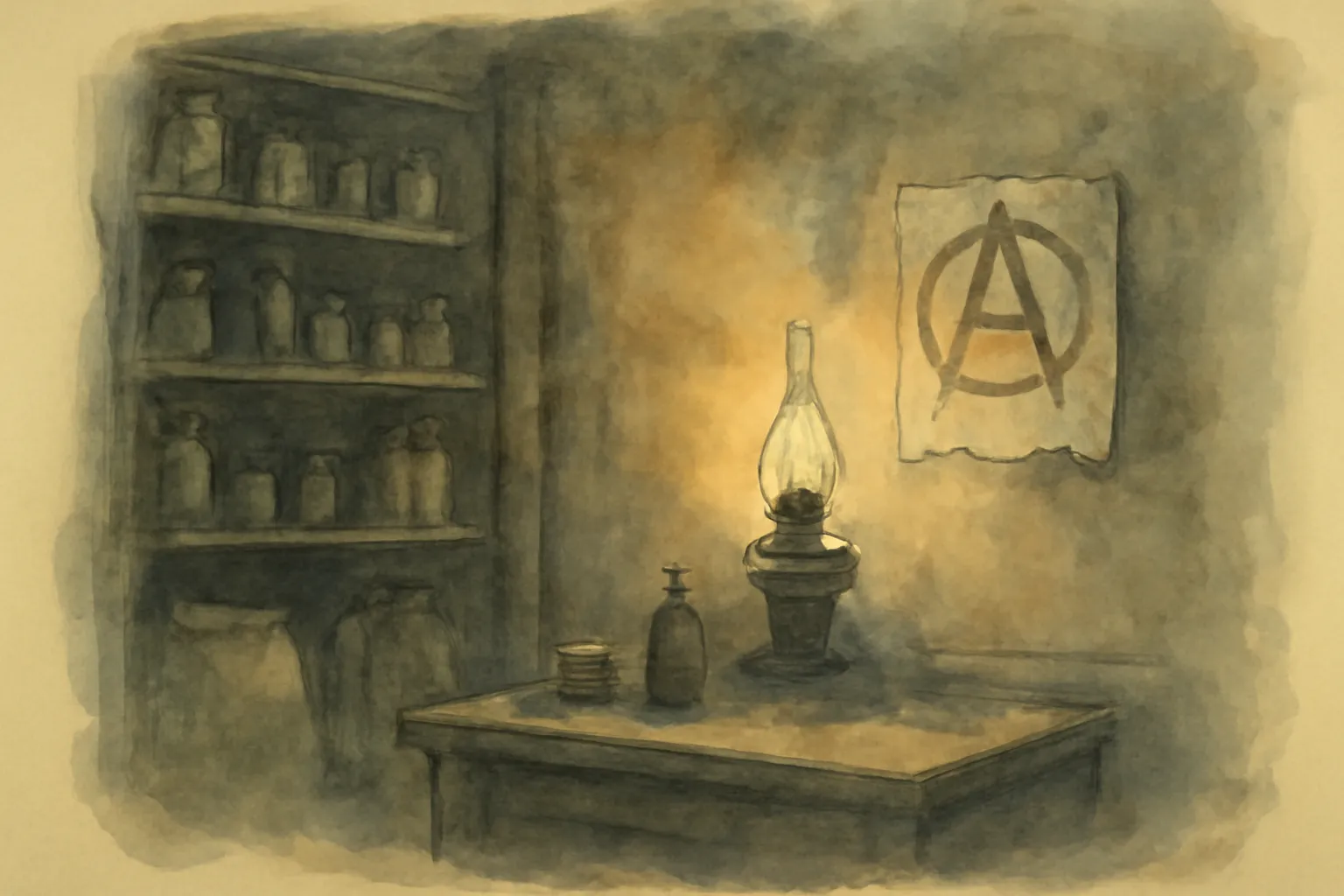
At the heart of 'The Secret Agent' lies a profound exploration of the banality of evil. Mr. Verloc, the protagonist, is not a traditional villain; rather, he is an ordinary man whose life revolves around his small shop and family. His descent into the world of political terrorism is gradual and almost unremarkable. Conrad illustrates how individuals can become complicit in horrific acts without fully understanding the implications of their actions. Verloc's motivations are complex; he is driven by a desire for security, financial stability, and a misguided sense of duty to the anarchist cause. This theme suggests that evil can emerge from the mundane aspects of life, not just from overtly malicious intent. It forces readers to confront uncomfortable truths about human nature and the potential for darkness that resides in everyone.
2.Ideology and Its Discontents
Conrad presents a critical view of ideology, particularly the anarchist beliefs held by Verloc and his associates. The characters are deeply enmeshed in their political convictions, which lead them to justify violent actions in the name of a greater cause. The novel interrogates the effectiveness of such ideologies, showing how they can distort personal relationships and lead to tragic outcomes. Verloc's involvement in a plot to bomb the Greenwich Observatory is emblematic of this disillusionment. Rather than achieving liberation, the act results in chaos and loss, highlighting the futility of violence as a means of enacting change. Conrad suggests that ideology, while powerful, often blinds individuals to the human cost of their actions, raising questions about the ethics of political commitment and the responsibilities that accompany it.
3.The Fragility of Human Relationships
Throughout the novel, Conrad emphasizes the fragility of human relationships, particularly within the Verloc family. Mr. Verloc's relationship with his wife, Winnie, and her brother, Stevie, showcases the complexities of loyalty and love in the face of betrayal. Winnie is portrayed as a deeply caring individual who is ultimately torn between her loyalty to her husband and her love for her brother. The impact of Verloc's decisions ripples through their lives, culminating in tragedy. When Stevie is unwittingly caught in Verloc's anarchist plot, the resulting fallout shatters their family. This exploration of personal relationships under strain serves as a poignant reminder of how political ideologies can intrude upon and destroy the most intimate bonds, leaving characters grappling with guilt and loss.
4.The Role of the State
Conrad's depiction of the state and its apparatus plays a crucial role in shaping the narrative of 'The Secret Agent'. The Assistant Commissioner and his team represent the governmental response to the threats posed by anarchists and revolutionaries. Their actions are driven by a desire to maintain order and protect society from perceived dangers. However, the novel reveals the limitations and moral ambiguities of state power. The Assistant Commissioner is often portrayed as grappling with the ethical implications of his role, leading to a sense of frustration and disillusionment. This duality raises important questions about the balance between security and freedom, suggesting that the state's efforts to control dissent can lead to unintended consequences that further alienate individuals from their communities.
5.Anarchism and Its Disillusionment
The characters in 'The Secret Agent' are deeply influenced by anarchist ideology, yet their experiences reveal the disillusionment that accompanies such beliefs. Through characters like Michaelis and Yundt, Conrad explores the motivations and failures of anarchism, portraying it as an ideology that often fails to deliver on its promises of liberation and upheaval. Michaelis, a former prisoner, embodies the hope of change but ultimately finds himself trapped in a cycle of despair and futility. The novel suggests that while the aspiration for a just society is noble, the means to achieve it can be deeply flawed, leading to a cycle of violence that perpetuates suffering rather than alleviating it. This critique of anarchism resonates with broader themes of political idealism and the harsh realities of social change.
6.The Impact of Isolation
Isolation emerges as a powerful theme in 'The Secret Agent', shaping the characters' motivations and actions. Mr. Verloc's isolation in his shop reflects a broader societal alienation, where individuals are disconnected from one another and from meaningful relationships. This isolation is further compounded by the secretive nature of his involvement in anarchist plots, which distances him from both his family and the larger community. The characters' struggles with isolation highlight the emotional toll of living in a society fraught with distrust and fear. Winnie, too, grapples with her own sense of isolation as she navigates her conflicting loyalties between her husband and her brother. This theme underscores the importance of connection and understanding in a world where individuals are often left to fend for themselves, further emphasizing the consequences of political extremism on personal lives.
7.The Illusion of Control
Conrad illustrates the illusion of control that permeates the lives of his characters, particularly Mr. Verloc. Despite his attempts to orchestrate events to his advantage, he ultimately finds himself at the mercy of forces beyond his control. The bombing plot that he initiates spirals out of his grasp, leading to catastrophic outcomes that he could not have anticipated. This loss of control reflects a broader existential theme present in the novel, where individuals are often confronted with the unpredictable nature of life and the futility of their ambitions. Verloc's misguided confidence in his ability to manipulate circumstances serves as a cautionary tale about the dangers of hubris and the unpredictability of human behavior. Conrad's portrayal of characters grappling with their lack of agency resonates with readers, highlighting the inherent uncertainties of existence.
8.The Nature of Betrayal
Betrayal is a central theme in 'The Secret Agent', manifesting in various forms throughout the narrative. Mr. Verloc's betrayal of his own family is perhaps the most poignant, as his actions lead to Stevie's tragic demise. This act of betrayal is compounded by the emotional distance he maintains from those he claims to love. Winnie, in turn, experiences a profound betrayal of her trust and love when she learns of her husband's involvement in her brother's death. The novel explores the ramifications of betrayal not only on personal relationships but also on one's sense of self. Characters are left to grapple with guilt, anger, and a longing for redemption, ultimately revealing the deep scars that betrayal can leave on the human psyche. Conrad's examination of betrayal serves as a powerful reminder of the fragility of trust and the devastating consequences that can arise from broken bonds.
9.The Tragic Hero
Mr. Verloc embodies the archetype of the tragic hero, a character whose flaws lead to his downfall. His initial intentions to provide for his family and protect them are overshadowed by his fatal miscalculations and misguided loyalty to anarchist ideals. As the plot unfolds, Verloc's tragic trajectory becomes evident; his inability to foresee the consequences of his actions ultimately leads to the destruction of his family. Conrad crafts Verloc as a complex character, eliciting both sympathy and revulsion from readers. This duality invites reflection on the nature of tragedy and the moral ambiguities that define human existence. Verloc's tragic fate serves as a cautionary tale, reminding readers of the thin line between ambition and folly, and the potential for even the most mundane individuals to become agents of chaos.
10.The Cycle of Violence
Conrad's 'The Secret Agent' starkly illustrates the cycle of violence that accompanies revolutionary fervor. The characters' actions, driven by ideological convictions, lead to a series of violent events that ultimately spiral out of control. The bombing intended to spark a revolutionary movement instead results in innocent lives lost, highlighting the indiscriminate nature of violence. This cycle perpetuates a sense of despair and futility, as characters grapple with the consequences of their actions. The novel raises critical questions about the effectiveness of violence as a means of enacting change, suggesting that it often leads to further suffering rather than liberation. Through this exploration, Conrad critiques the romanticization of revolutionary violence, revealing the harsh realities that accompany such pursuits.