1.The Disagreeable Beginnings
Mary Lennox starts her journey as an extremely disagreeable child, shaped by her upbringing in India where she was neglected and spoiled. Her sour disposition stems from a lack of love and attention from her parents, who were consumed by their own social lives and illnesses. Mary’s experience with her Ayah and the native servants only reinforces her tyrannical behavior, as they cater to her every whim, allowing her to become increasingly selfish and isolated. This initial portrayal sets the stage for her transformation, as it becomes evident that her external circumstances and internal state are inextricably linked. When Mary is sent to live with her uncle at Misselthwaite Manor, her journey from a self-absorbed child to a nurturing figure begins, prompting readers to consider the impact of environment on personal development.
2.The Moor as a Metaphor
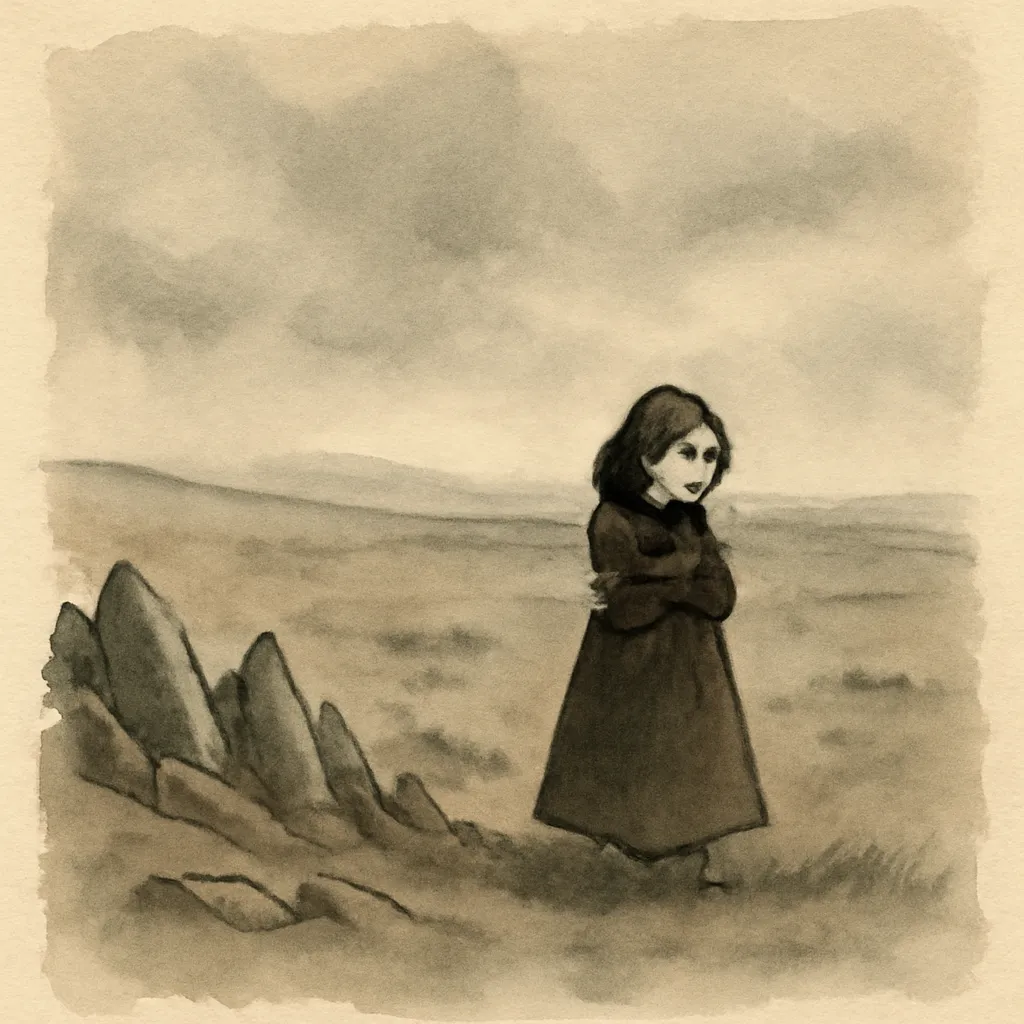
Upon arriving at Misselthwaite Manor, Mary is confronted with the vast, stark beauty of the Yorkshire moors. Initially, she finds the moor barren and uninviting, mirroring her own emotional state. However, as she spends more time outside, she learns to appreciate its wildness and beauty. The moor becomes a metaphor for Mary’s internal awakening; it represents the possibility of growth and renewal in her life. The fresh air and the physical exertion of walking and running on the moor invigorate her, leading to a gradual change in her health and demeanor. Through her exploration, Mary discovers that the moor is filled with life and opportunities for play, prompting her to embrace the world around her. This transformation signifies the importance of engaging with nature as a pathway to emotional healing and personal growth.
3.The Discovery of the Secret Garden
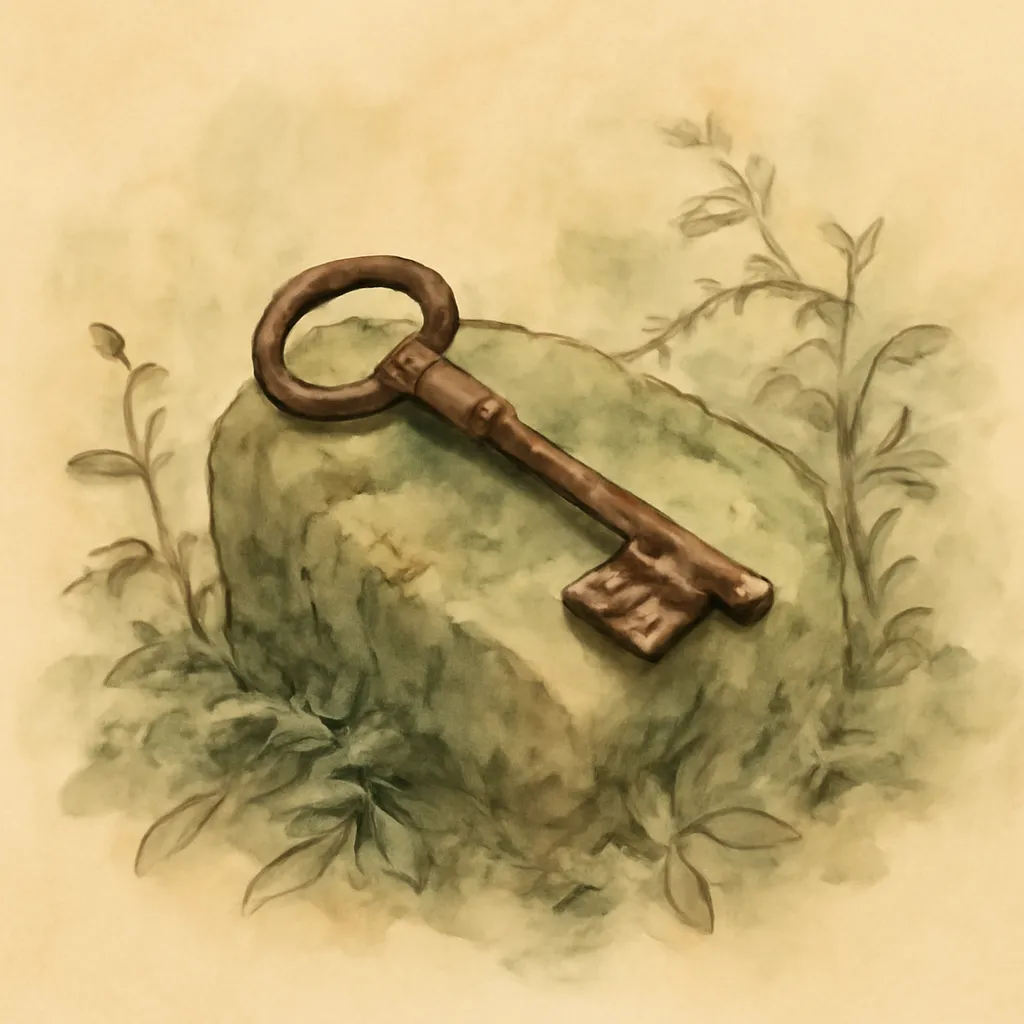
The turning point in Mary’s journey comes with her discovery of the locked garden, a hidden place that has been neglected for ten years. The garden symbolizes the potential for renewal, reflecting Mary's own need for transformation. When Mary finds the key and unlocks the door, she enters a world of beauty and mystery, representing her willingness to explore her own emotions and desires. The garden, once filled with vibrant flowers and life, is now overgrown and desolate, mirroring Mary’s own stifled spirit. As she begins to tend to the garden, she learns about responsibility, care, and the joy of nurturing life. This act of cultivating the garden becomes a powerful metaphor for her own growth, illustrating how engaging with the natural world can awaken one’s spirit and foster personal change.
4.Friendship and Transformation
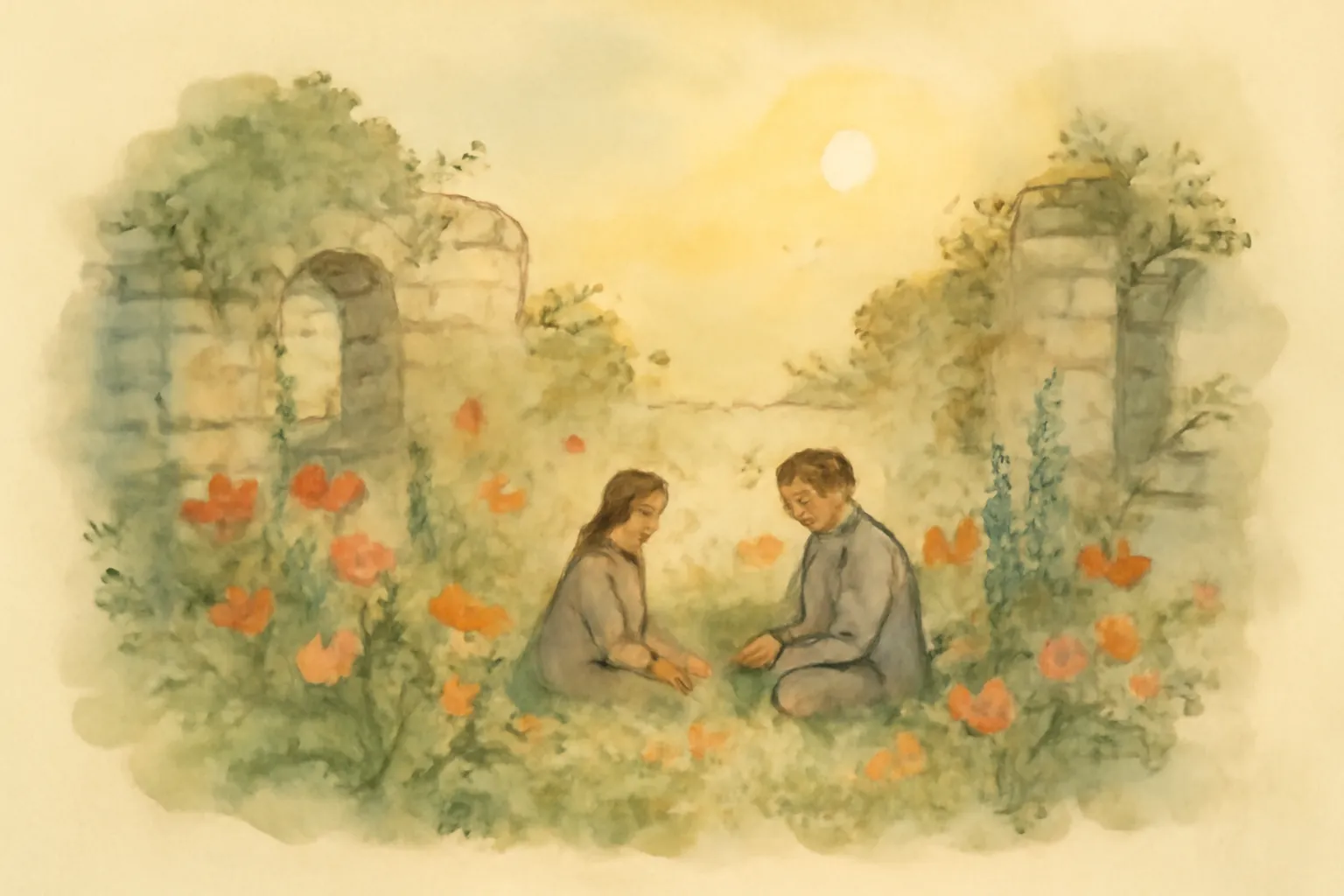
The introduction of Dickon, the nature-loving boy, marks a significant turning point in Mary’s life. Dickon, with his deep connection to the natural world, brings a sense of wonder and enthusiasm that inspires Mary to embrace her surroundings. Their friendship is characterized by mutual respect and shared joy in the beauty of nature, allowing Mary to shed her previous bitterness and embrace a more compassionate perspective. Dickon teaches Mary about the importance of caring for living things, and together they tend to the garden, fostering a bond that symbolizes the healing power of friendship. This relationship is pivotal, as it not only helps Mary grow emotionally but also serves as a catalyst for Colin’s transformation later in the story. Their friendship emphasizes the idea that connections with others can lead to profound personal change.
5.Colin's Awakening
Colin Craven, Mary’s cousin, is introduced as a boy who has been sheltered from the world due to his illness. Initially, he is depicted as spoiled and fearful, mirroring Mary’s earlier disposition. However, as Mary and Dickon introduce him to the secret garden, Colin begins to discover his own strength and resilience. His journey from a frail, withdrawn boy to one who desires to walk and explore the world around him illustrates the transformative power of nature and companionship. Colin’s awakening is a testament to the idea that emotional and physical healing can occur when one is exposed to love, care, and the beauty of the natural world. His character development underscores the theme that nurturing relationships can lead to significant personal growth and a renewed sense of purpose.
6.The Role of Nature
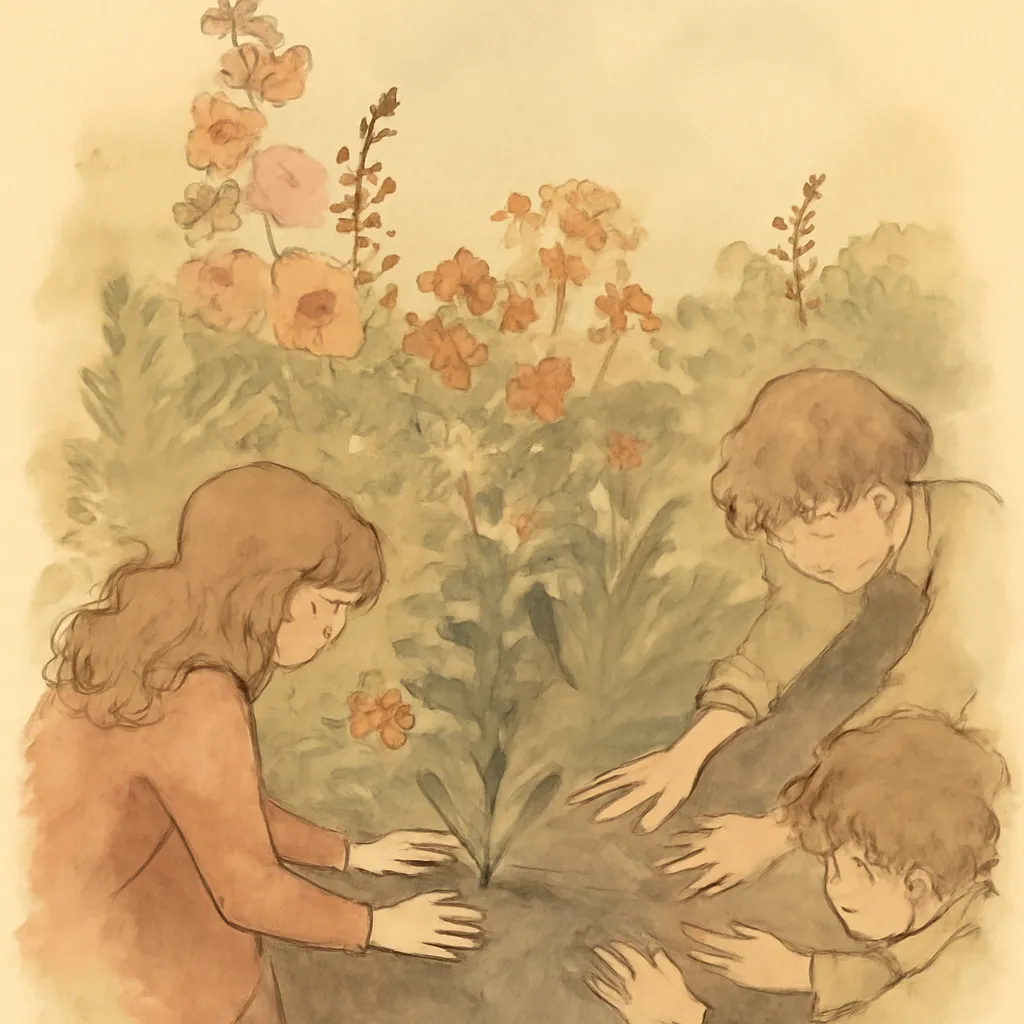
Throughout 'The Secret Garden,' nature plays a vital role in the characters' transformations. The garden itself becomes a living entity, filled with potential and promise, reflecting the characters' emotional states. As Mary, Colin, and Dickon nurture the garden, they also nurture their own spirits, which leads to a profound change in their lives. The act of gardening becomes symbolic of personal growth, healing, and the importance of connection to the natural world. Nature's ability to revitalize and inspire is a central theme in the story, as it demonstrates how engaging with the environment can lead to positive changes in one's life. The garden serves as a sanctuary where the characters can confront their fears, embrace their vulnerabilities, and ultimately blossom into their true selves.
7.Healing Through Responsibility
As Mary takes on the responsibility of caring for the secret garden, she learns valuable lessons about growth and nurturing. The physical act of tending to the plants parallels her emotional development, as she becomes more aware of her own needs and the needs of others. This sense of responsibility fosters a newfound sense of purpose in Mary, who begins to understand that her actions have consequences. By nurturing the garden, she also nurtures her relationships with Colin and Dickon, leading to deeper connections and mutual support. The theme of responsibility highlights the importance of caring for others and the environment as a means of personal growth and fulfillment. Through her gardening efforts, Mary transforms from a self-centered child into a compassionate and caring individual, illustrating the profound impact of responsibility on personal development.
8.The Power of Belief
A recurring theme in 'The Secret Garden' is the power of belief and its ability to shape reality. Colin’s initial belief in his own frailty and illness prevents him from experiencing the world fully. However, with Mary and Dickon’s encouragement, he begins to shift his mindset, believing that he can overcome his limitations. This shift in belief is crucial to his transformation, as it empowers him to take control of his life and challenge the narratives that have held him back. The story emphasizes that belief can be a powerful force for change, as it influences one’s actions and attitudes. By fostering a belief in their own strength and resilience, the characters demonstrate that personal transformation is possible when one embraces a positive outlook and takes steps towards change.
9.The Healing Nature of Love
The relationships formed in 'The Secret Garden' are central to the characters' healing processes. Mary, Colin, and Dickon develop deep bonds rooted in love, trust, and mutual support. These connections provide a safe space for each character to explore their emotions and vulnerabilities. Mary’s friendship with Dickon teaches her about kindness and compassion, while her relationship with Colin helps her understand the importance of loyalty and support. The healing nature of love is evident as the characters encourage each other to face their fears and embrace their true selves. This theme underscores the idea that love is a powerful catalyst for personal growth, as it fosters a sense of belonging and acceptance that can lead to profound change.
10.Spring as a Symbol of Renewal
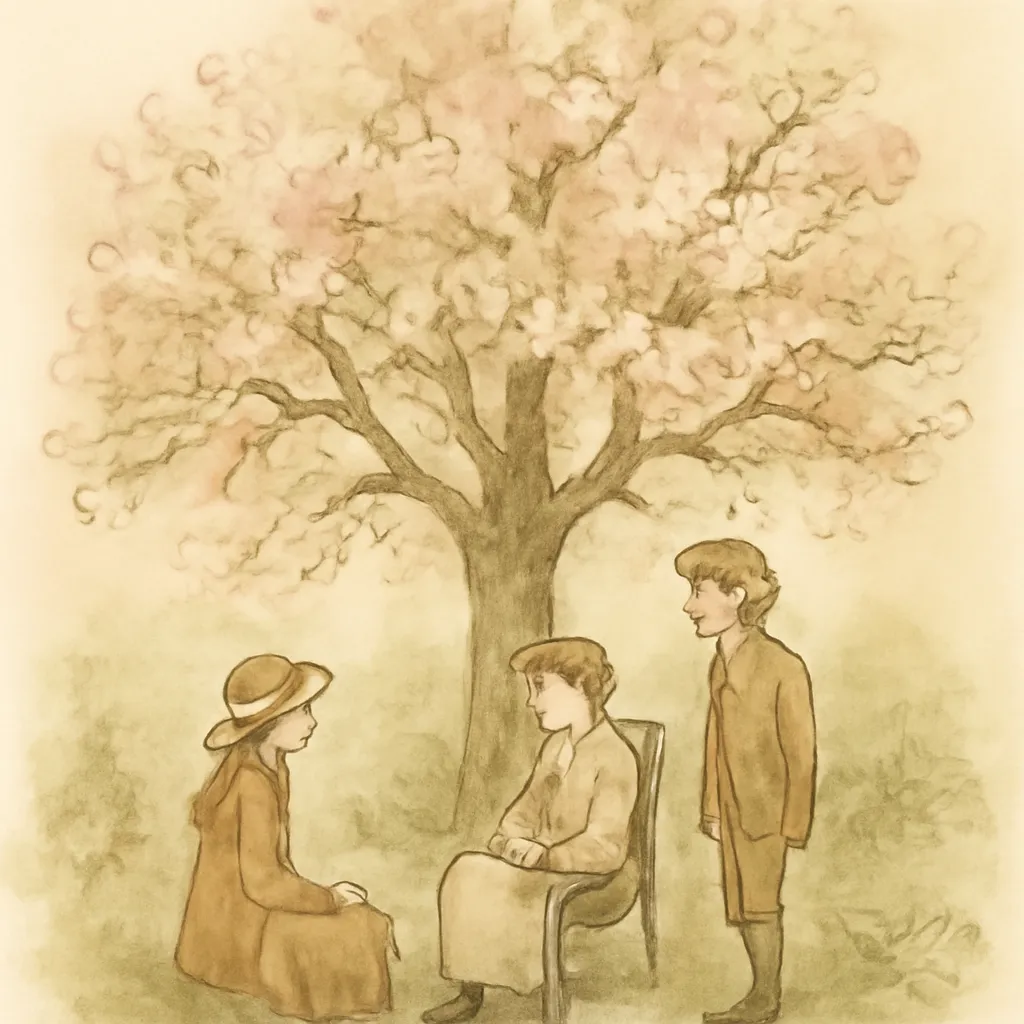
The arrival of spring in 'The Secret Garden' symbolizes renewal and rebirth, mirroring the characters' transformations. As the garden awakens from its dormant state, so too do Mary, Colin, and Dickon experience personal growth and rejuvenation. The vibrant colors and blooming flowers serve as a backdrop for their journeys, illustrating the beauty of new beginnings. The seasonal change emphasizes the cyclical nature of life and the potential for growth, reminding readers that healing and transformation are always possible, regardless of past circumstances. The theme of spring as a symbol of renewal reinforces the idea that embracing change and nurturing relationships can lead to a brighter future.