1.The Quest for Anti-Gravity

The novel begins with a speculative premise that anti-gravity technology could soon revolutionize space travel, making the exploration of the solar system accessible. Wollheim posits that if scientists can overcome the challenges of gravitational forces, the timeline for humanity's conquest of neighboring planets could be dramatically accelerated. With this technological leap, the limitations imposed by traditional rocket propulsion would vanish, allowing for a more profound understanding of our celestial neighbors. The implications of such technology are vast, opening doors to not only exploration but also potential colonization and resource extraction. By presenting this hypothetical advancement, Wollheim sets the stage for a narrative that intertwines scientific possibility with thrilling adventure, inviting readers to imagine a future where the stars are within reach. The excitement surrounding anti-gravity resonates with a sense of optimism about humanity’s potential to explore and grasp the unknown, serving as a foundation for the adventurous spirit that runs throughout the narrative.
2.The Dimness of the Sun

The story's inciting incident is the gradual dimming of the Sun, which goes unnoticed by the global populace. Burl Denning, a young adventurer, and his father are among the few who realize that something is amiss while on an expedition in the Andes. The dimness is soon revealed to be a result of a sinister plot to channel the Sun's energy away from Earth, plunging the planet into a crisis. This pivotal moment serves as a catalyst for the action, propelling Burl and his father into a race against time to uncover the source of the energy diversion. The global implications of this phenomenon highlight humanity's vulnerability and the interconnectedness of life on Earth. Wollheim cleverly uses this scientific anomaly to create a sense of urgency, emphasizing the need for awareness and action in the face of environmental threats. The dimming of the Sun acts as a metaphor for the larger existential threats facing humanity, encouraging readers to reflect on their relationship with nature and the consequences of neglecting environmental issues.
3.The Call to Action

When the U. S. Space Commission reaches out to the Dennings, it marks a significant turning point in the story. The communication they receive reveals that they are the closest scientifically trained personnel to the source of the energy theft. This unexpected call to action thrusts them into a heroic role, as they must investigate and report back on the mysterious phenomenon. The urgency of the situation underscores the theme of responsibility, as Burl grapples with the weight of his newfound role. The sense of duty to protect Earth and its inhabitants becomes a driving force for both him and his father. This moment not only propels the plot forward but also emphasizes the importance of individual action in the face of collective challenges, inspiring readers to consider their own roles in addressing global issues. The communication from the Space Commission serves as a reminder that even ordinary individuals can become pivotal in extraordinary circumstances, reinforcing the idea that courage and initiative are crucial in times of crisis.
4.The Journey Across the Solar System

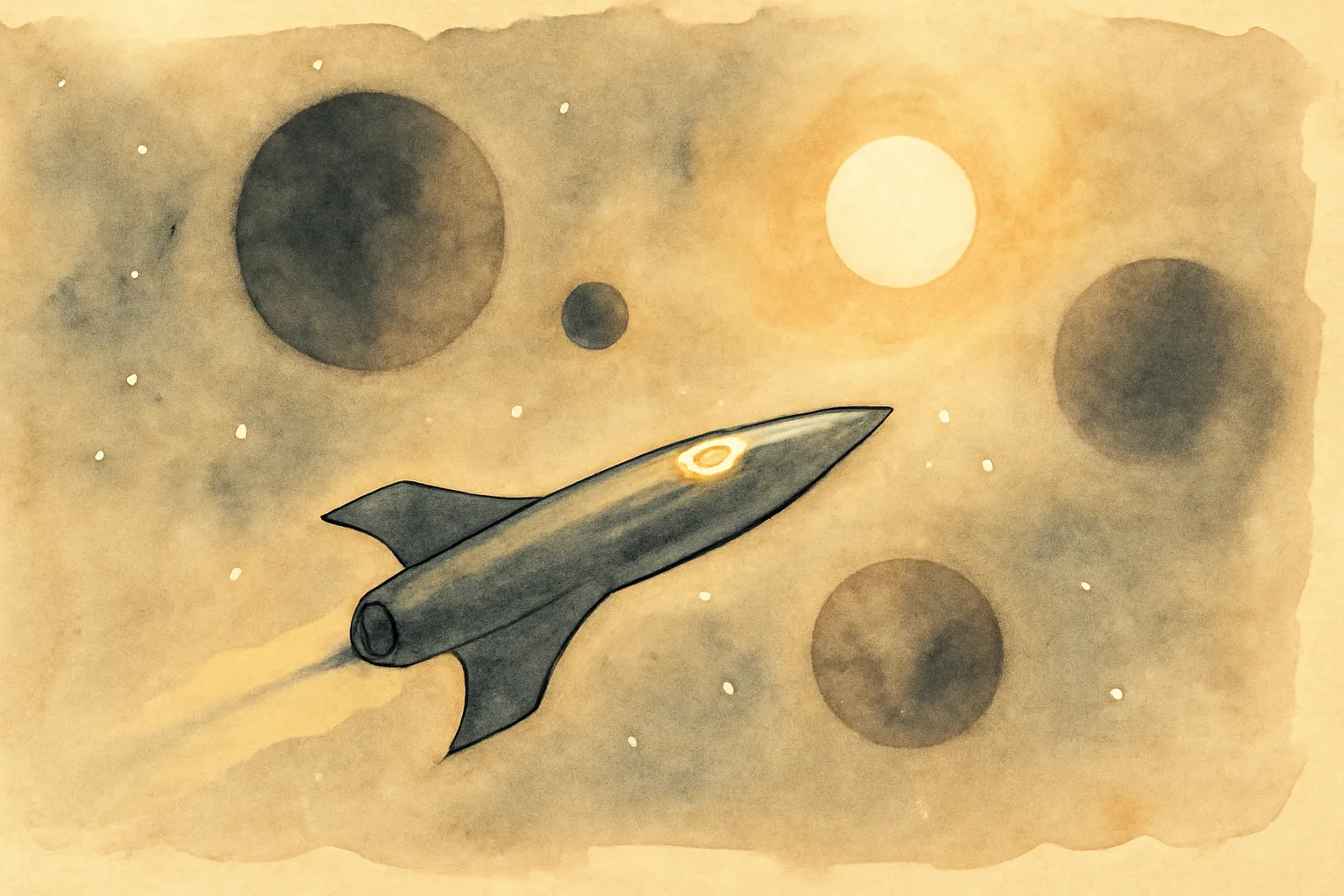
As the Dennings embark on their journey aboard the spaceship Magellan, readers are introduced to a richly imagined solar system filled with unique planetary characteristics. Each stop on their expedition—Mercury, Venus, Mars, and beyond—offers an opportunity to explore scientific concepts and the potential for extraterrestrial life. Wollheim incorporates real astronomical facts and theories, grounding his narrative in a plausible framework that engages the reader’s curiosity. The descriptions of these planets are vivid and immersive, allowing readers to envision the harsh environments and the challenges faced by the crew. The journey is not merely a backdrop but serves as a narrative device that reflects the emotional and psychological growth of the characters. Each planet represents different facets of exploration and human ambition, while also posing unique challenges that compel the crew to adapt and learn from their experiences. This journey not only serves as an adventure but also as an educational experience, inviting readers to learn about the complexities of space travel and the wonders of the universe.
5.The Perils of Venus

Upon arriving at Venus, the crew encounters a world that is both alien and hostile. The thick atmosphere and strange surface conditions present significant challenges, illustrating the dangers of space exploration. The descriptions of Venus's swampy seas and stagnant waters evoke a sense of foreboding, as the crew must navigate through an environment that is not only unfamiliar but also potentially lethal. This setting serves as a reminder of the risks involved in venturing into the unknown and the importance of preparation and adaptability. The crew's experiences on Venus highlight the theme of survival against the odds, showcasing human resilience in the face of adversity. As they confront the dangers of this planet, the characters are forced to rely on their ingenuity and teamwork, reinforcing the idea that collaboration is essential for overcoming challenges. The hostile environment of Venus acts as a character in its own right, testing the limits of the crew's resolve and forcing them to confront their fears and vulnerabilities.
6.The Encounter with Martians
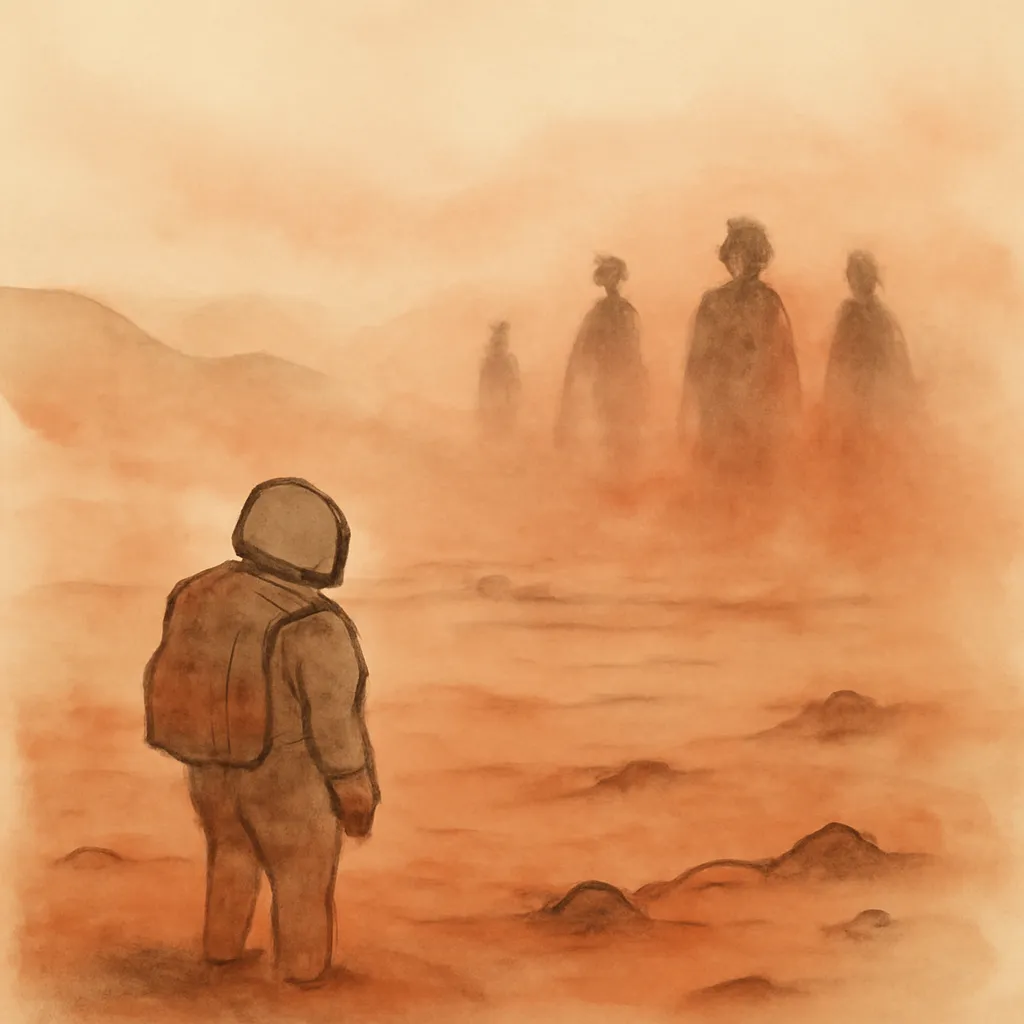
The narrative takes a thrilling turn when the crew encounters Martians, showcasing the potential for intelligent life beyond Earth. Wollheim presents these beings as complex and enigmatic, forcing the crew to confront their assumptions about extraterrestrial life. The tension escalates as misunderstandings and confrontations lead to conflict, illustrating the fragility of communication and the potential for violence in unfamiliar situations. The Martians, while initially portrayed as adversaries, also embody the theme of coexistence and the need for understanding between different cultures. This encounter serves as a pivotal moment in the story, prompting characters to reflect on their own humanity and the ethical implications of their actions. The complexities of this interaction challenge readers to consider the broader implications of first contact and the responsibilities that come with exploring new worlds. The Martians' existence raises questions about the nature of intelligence and the moral obligations that come with interstellar exploration, pushing the narrative into deeper philosophical territory.
7.The Hidden Threat
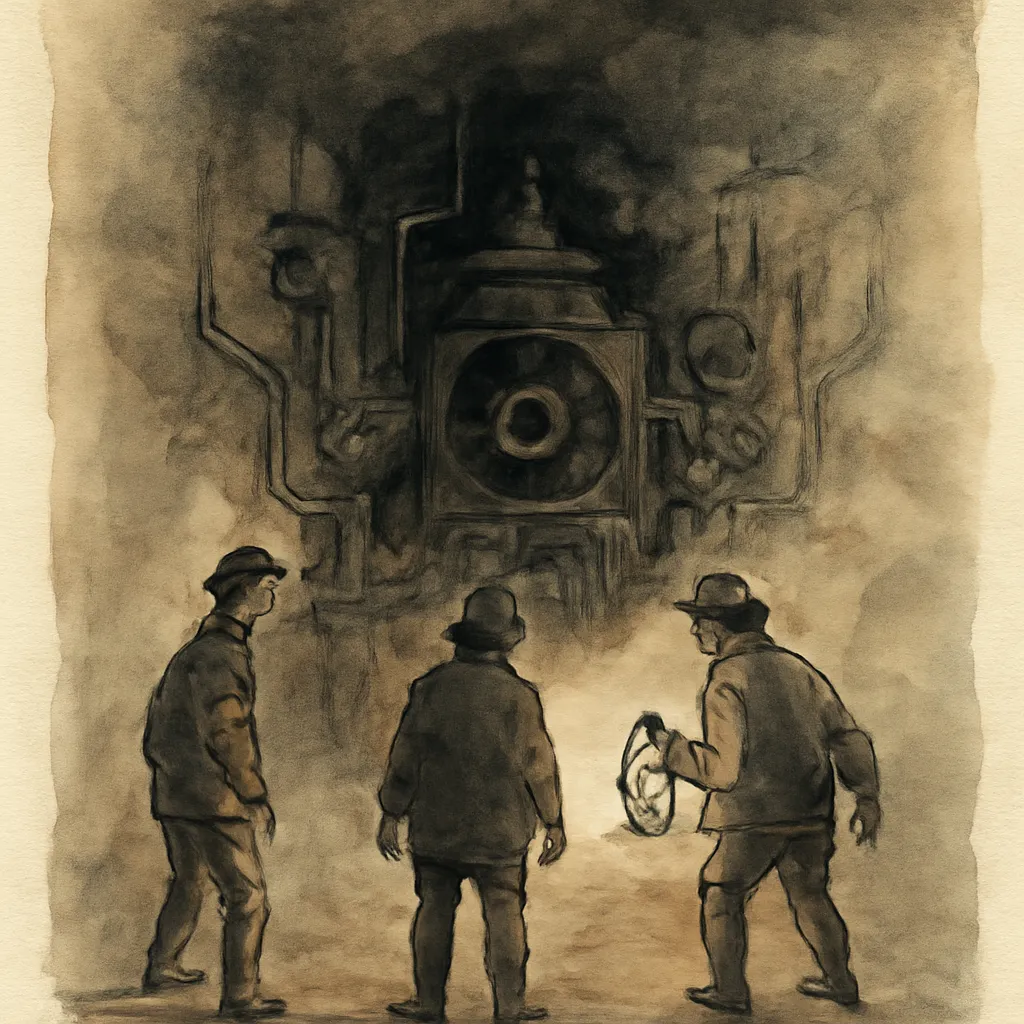
As the crew delves deeper into the mystery of the Sun-stealers, they uncover a hidden threat that complicates their mission. The revelation that there are forces at play beyond their understanding adds layers of intrigue to the narrative. The tension between the crew and the unknown adversaries escalates, creating a sense of urgency as they race against time to thwart the energy theft. This theme of hidden dangers serves as a metaphor for the unforeseen consequences of human actions, urging readers to consider the impact of technological advancements on the environment. Wollheim skillfully weaves suspense into the plot, keeping readers on the edge of their seats as they navigate the twists and turns of the story. The unfolding mystery not only captivates but also prompts reflection on the ethical dimensions of exploration and the potential repercussions of unchecked ambition. The hidden threat reflects the unpredictable nature of the universe, suggesting that exploration can lead to both discovery and peril.
8.The Climax at Pluto
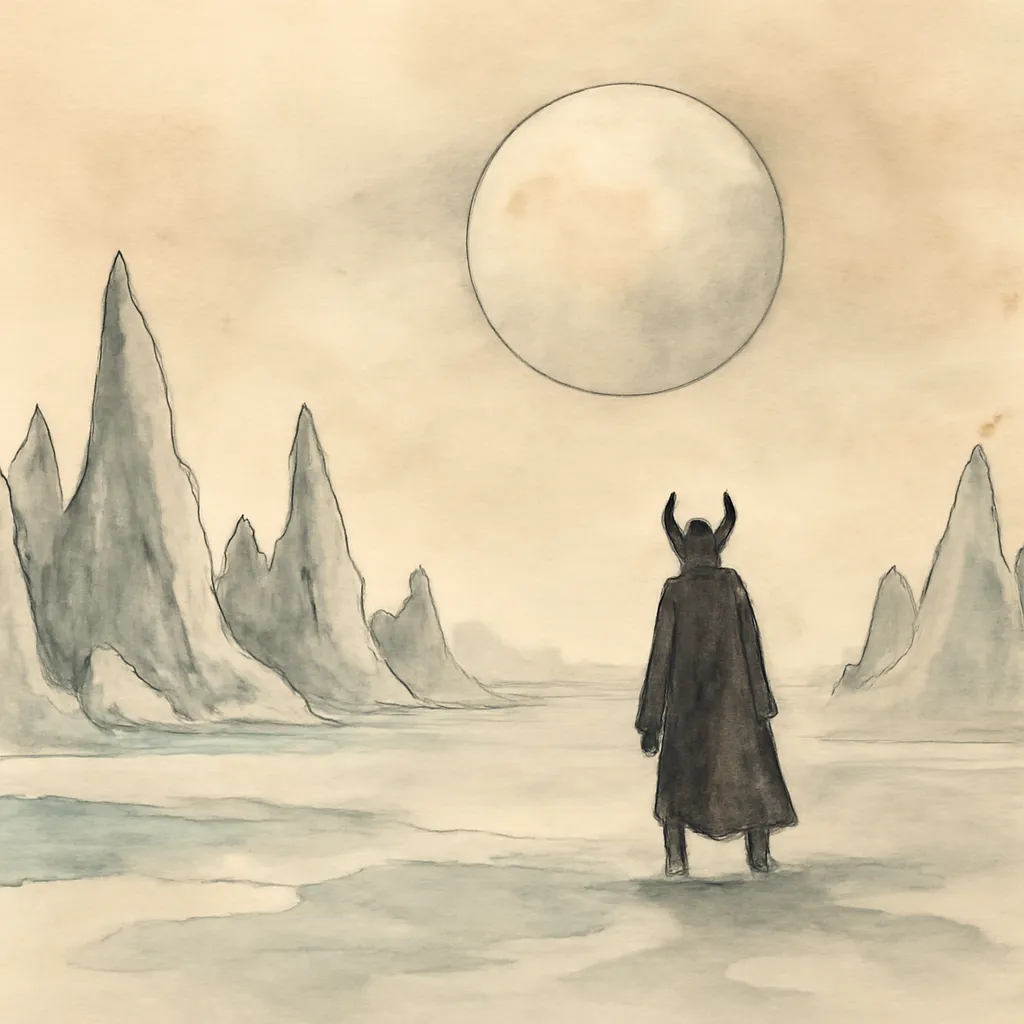
The journey culminates in a dramatic confrontation at Pluto, where the crew must face the full force of the Sun-tappers. As they arrive on the icy planet, the stakes are higher than ever, and the tension reaches a breaking point. This setting serves as a stark contrast to the warmer planets previously visited, symbolizing the cold reality of the threat they face. The crew's determination to protect Earth is put to the test as they engage in a battle against their adversaries. This climax not only provides thrilling action but also reinforces the themes of sacrifice and courage. Characters are forced to confront their fears and make difficult choices, highlighting the complexities of heroism. The resolution of this confrontation ultimately serves as a testament to the resilience of the human spirit and the importance of standing up for what is right, even in the face of overwhelming odds. The climax encapsulates the narrative's exploration of good versus evil, emphasizing the notion that the fight for survival is often fraught with moral dilemmas.
9.The Moral Implications of Exploration
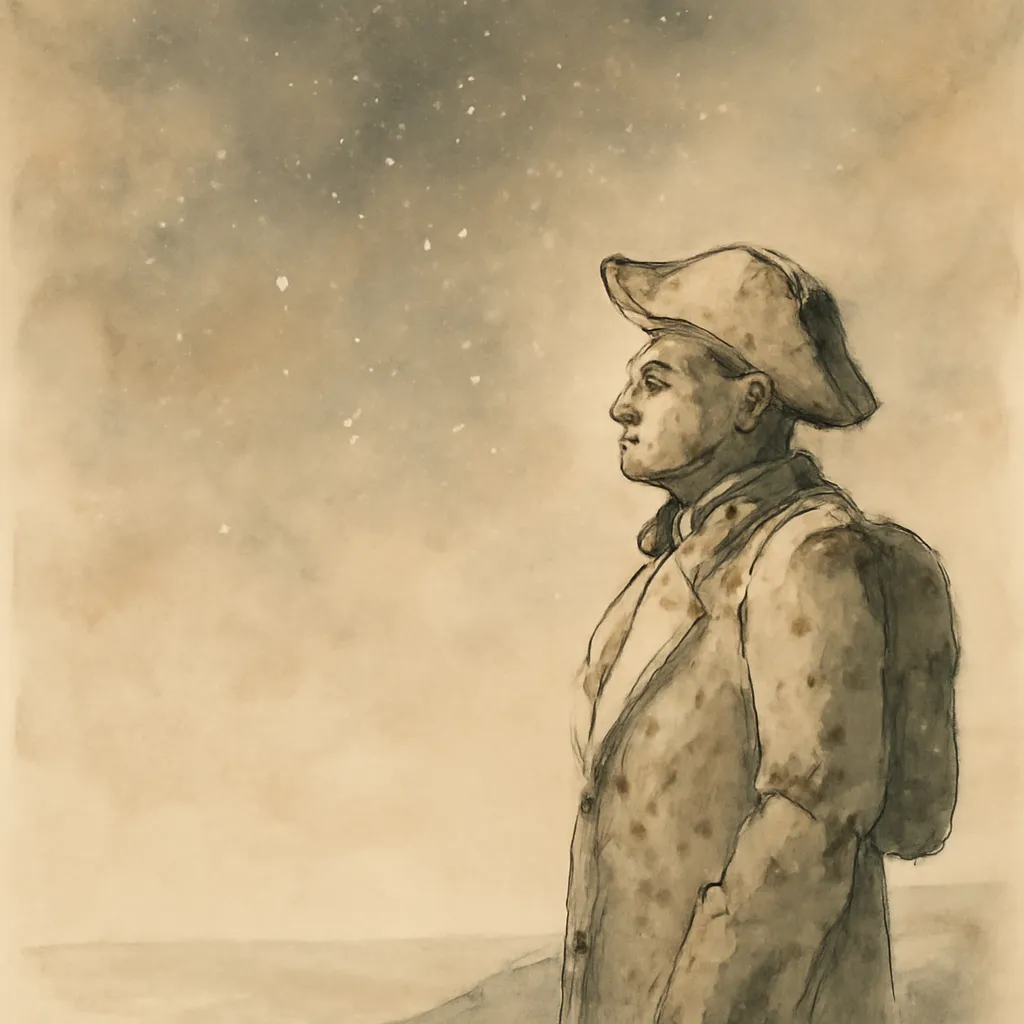
Throughout 'The Secret of the Ninth Planet,' Wollheim grapples with the moral implications of exploration and the responsibilities that come with it. As the crew ventures into the unknown, they are faced with ethical dilemmas that challenge their understanding of right and wrong. The interactions with Martians and the revelations about the Sun-stealers prompt characters to reflect on their actions and the potential consequences of their decisions. This theme resonates with contemporary discussions about environmental stewardship and the impact of human activities on the planet. Wollheim encourages readers to consider the broader implications of their own explorations, whether in science, technology, or personal endeavors. The narrative serves as a reminder that with great power comes great responsibility, urging a thoughtful approach to exploration that prioritizes the well-being of all beings. The moral undertones of the story push readers to think critically about their actions and the responsibilities they hold towards the planet and its inhabitants.