1.The Cost of Ambition
Evelyn Hugo’s life is a testament to the sacrifices demanded by relentless ambition. Her rise from poverty to stardom in 1950s-80s Hollywood is marked by calculated choices—marriages of convenience, betrayals, and the manipulation of her own image. The novel scrutinizes how women, especially those of color, must navigate a world that often forces them to choose between personal happiness and professional success. Evelyn’s story asks readers to consider the ethical boundaries of ambition and the loneliness that can accompany the pursuit of greatness.
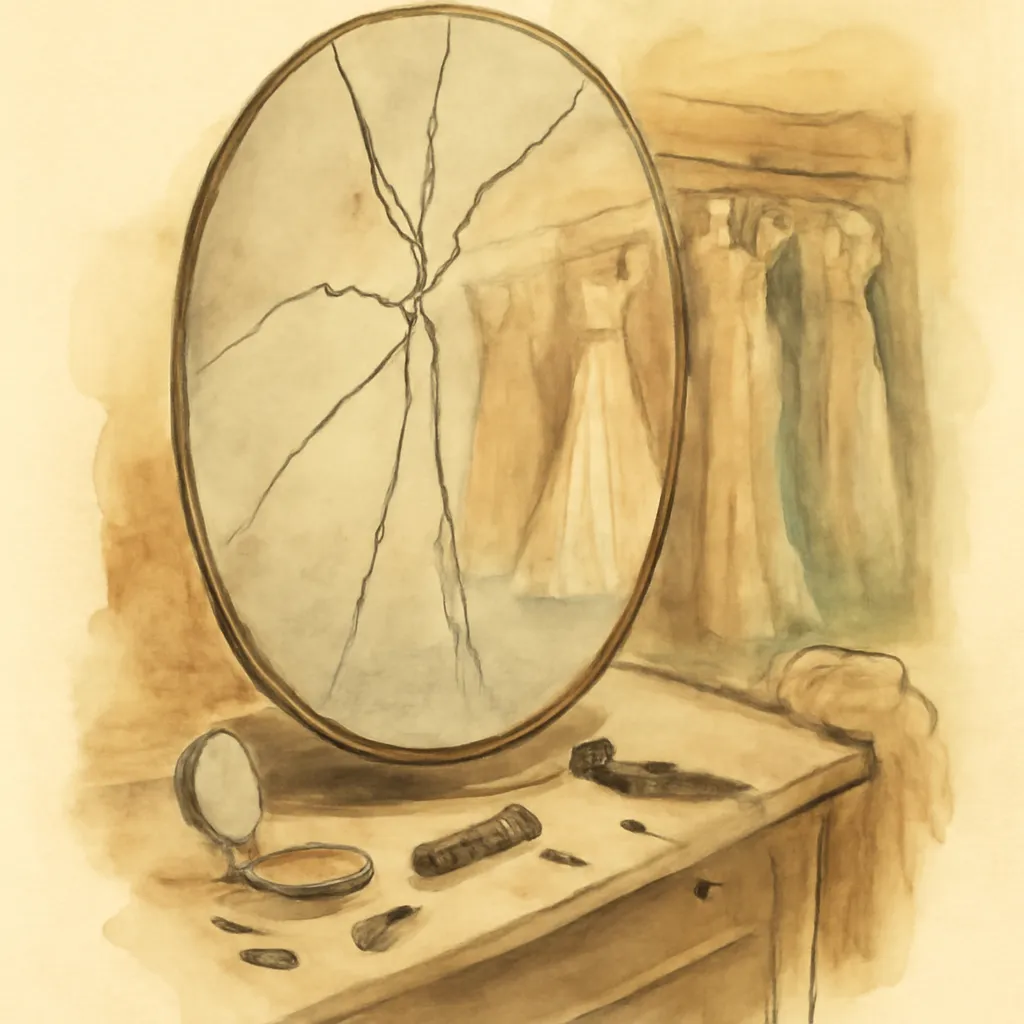
2.Constructed Identity and Reinvention
Central to Evelyn’s narrative is her constant reinvention: she changes her name, appearance, and even aspects of her heritage to fit Hollywood’s mold. The book explores how identity can be both a shield and a prison, especially for those marginalized by race, gender, or sexuality. Evelyn’s journey reveals the tension between authenticity and survival, showing how self-invention can empower but also isolate.
3.The Complexity of Love and Sexuality
While the title foregrounds Evelyn’s seven husbands, the novel’s beating heart is her great, forbidden love for another woman, Celia St. James. Their relationship, hidden due to societal pressures, is depicted with nuance and depth. Reid uses their love to examine the intersection of sexuality, secrecy, and the longing for acceptance, highlighting the emotional toll of living inauthentically.
4.Women’s Agency in a Patriarchal World
Evelyn’s story is one of agency—she refuses to be a passive participant in her own life, even as she contends with misogyny, racism, and homophobia. The novel interrogates the ways women wield power in male-dominated spaces, sometimes through subterfuge or performance. It’s a celebration of female resilience and the difficult choices women make to claim control over their destinies.
5.Truth, Legacy, and Storytelling
The framing device—Evelyn’s decision to tell her story to Monique—raises questions about who gets to control the narrative of a life. The novel explores the difference between public persona and private truth, and the impact of revealing secrets on both the teller and the listener. Monique’s own journey becomes entwined with Evelyn’s, prompting reflection on the power of stories to heal, harm, or liberate.
6.Intersectionality and Representation
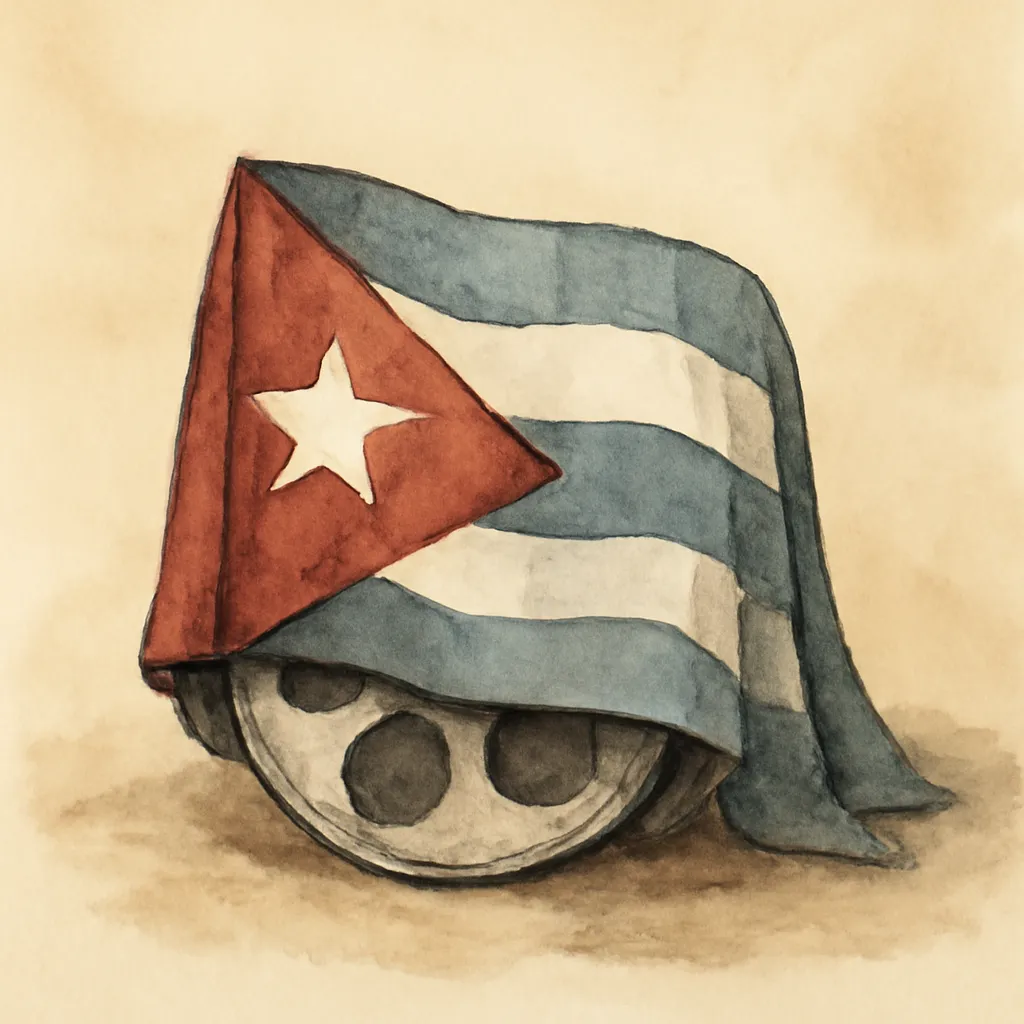
Evelyn’s Cuban heritage, often hidden to succeed in white Hollywood, and her bisexuality, kept secret for survival, highlight the intersectional struggles faced by those with multiple marginalized identities. The novel brings to light the erasure and compromises demanded by a prejudiced society, urging readers to consider the importance of representation and the personal costs of assimilation.