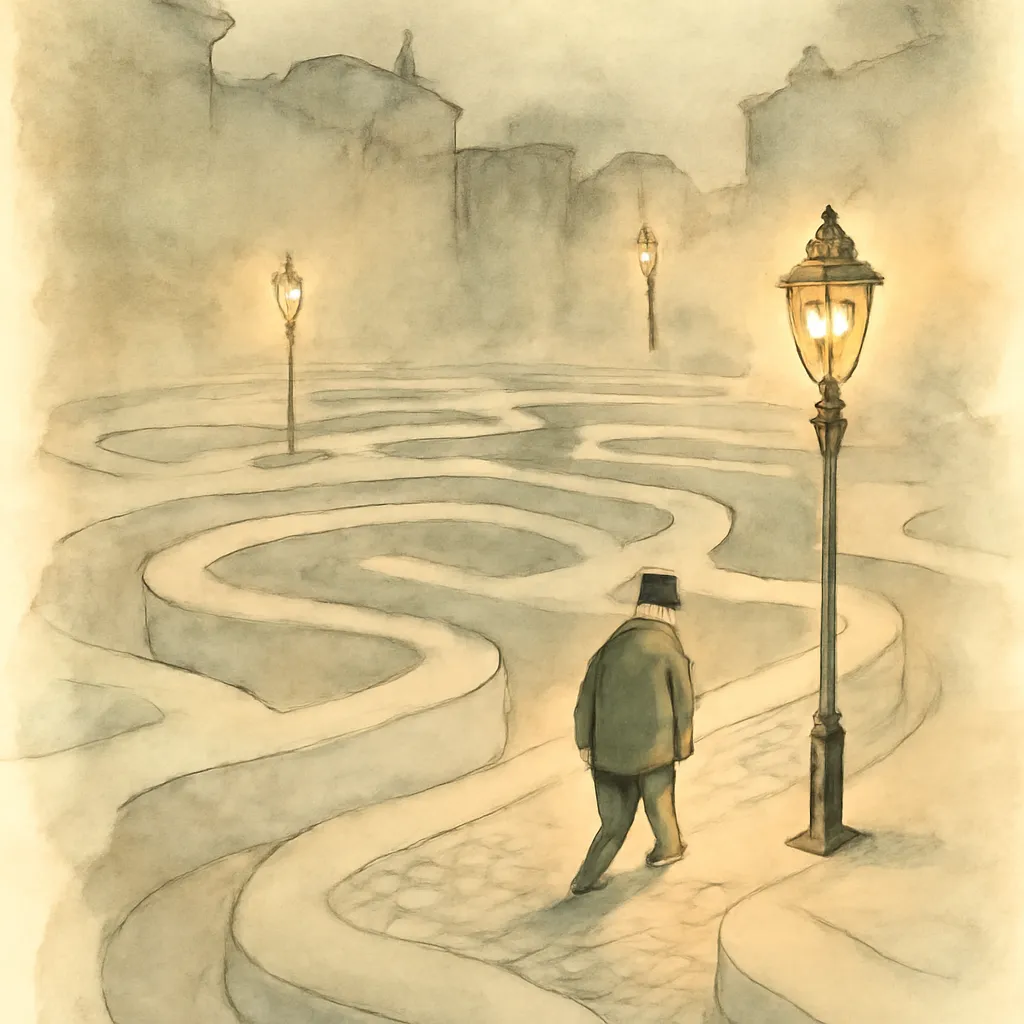
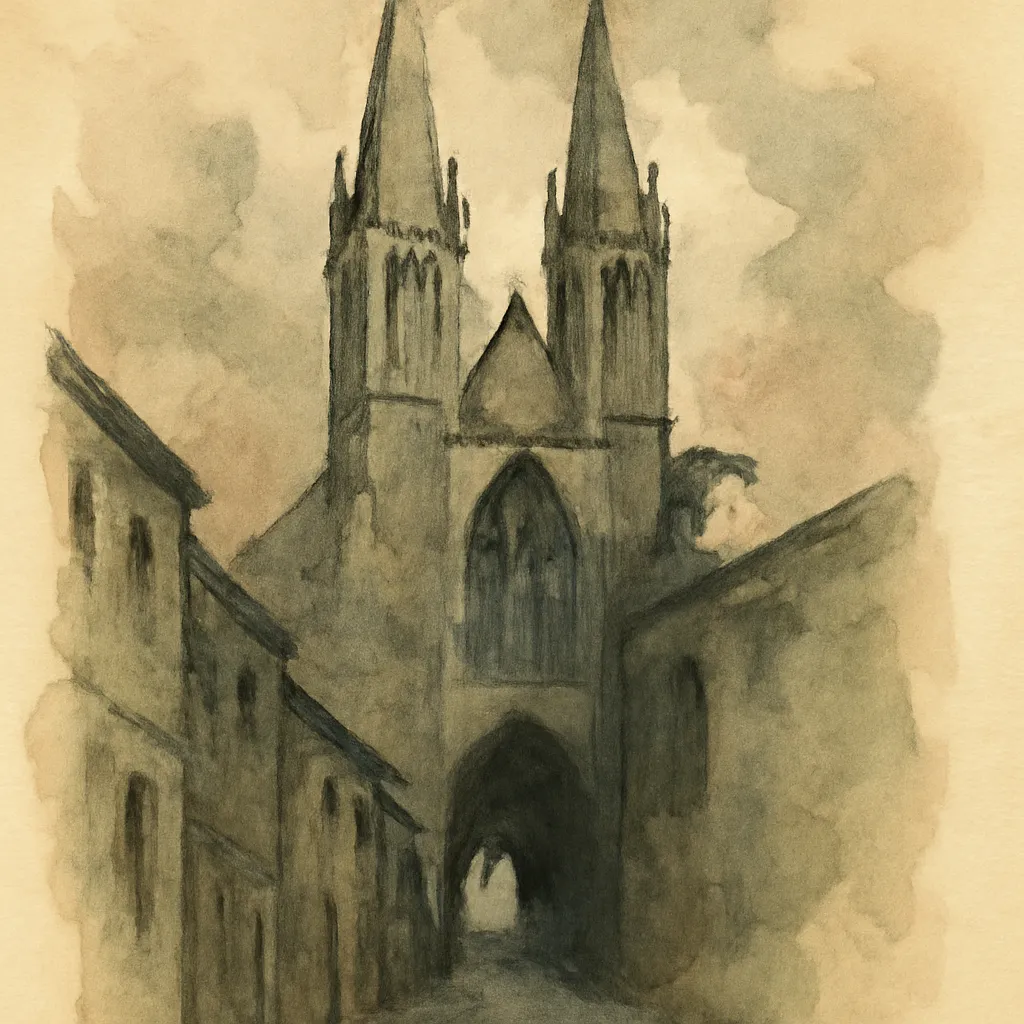
1.The Power and Mystery of Books
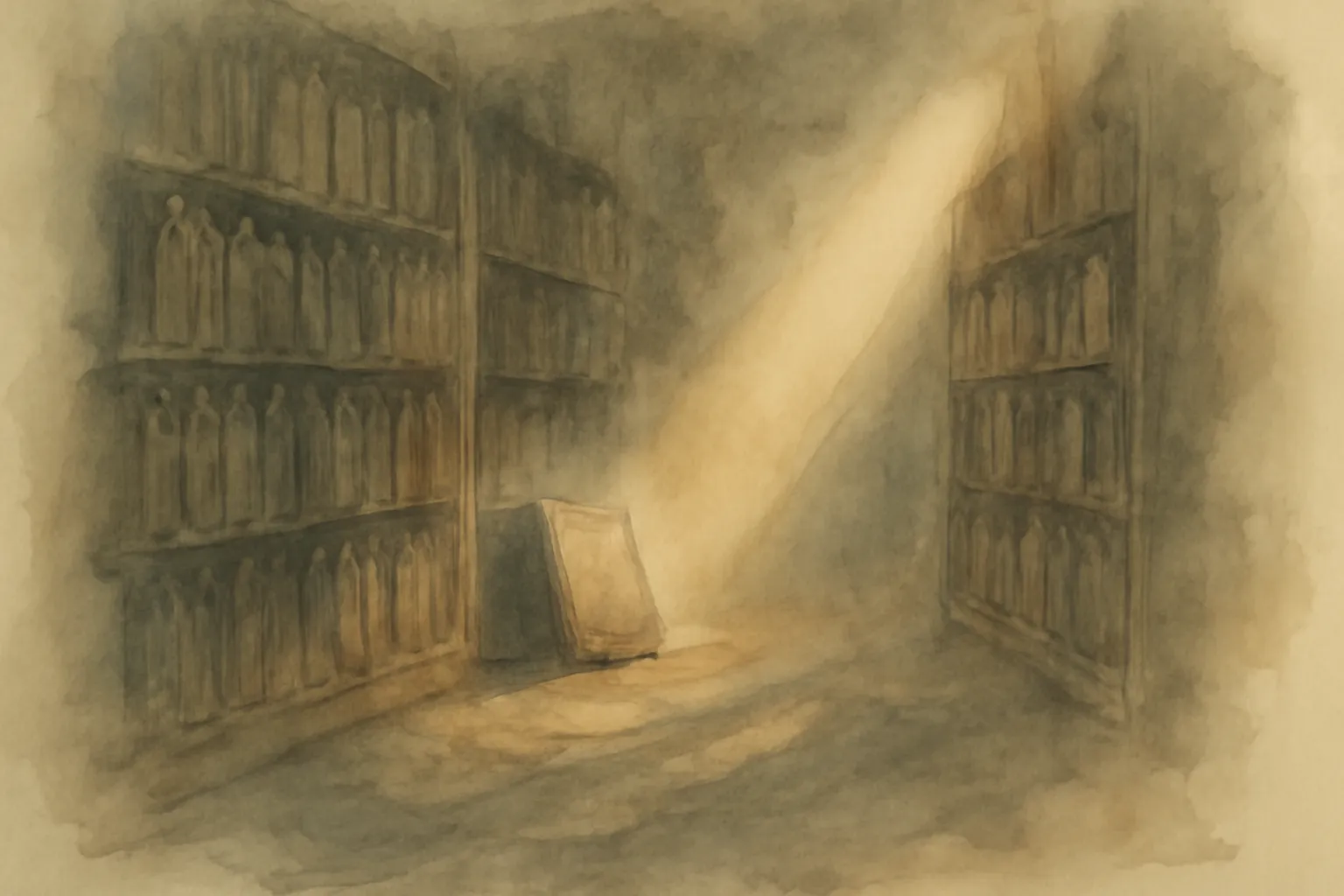
At its heart, the novel is a love letter to literature. The Cemetery of Forgotten Books symbolizes the enduring magic and danger of stories—how books can change lives, preserve memories, and even become objects of obsession. Zafón explores how literature both reflects and shapes reality, suggesting that every reader becomes a guardian of the stories they cherish. The novel’s plot is itself a puzzle box of narratives within narratives, inviting readers to lose themselves in the enchantment and peril of the written word.
2.The Haunting of the Past
The Shadow of the Wind is driven by the idea that the past, no matter how deeply buried, inevitably resurfaces. Daniel Sempere’s quest to uncover the fate of the mysterious author Julián Carax becomes a mirror for his own coming-of-age and the secrets haunting his family. Zafón uses Barcelona’s war-scarred streets as a metaphor for memory’s persistence, showing how personal and historical traumas echo through generations.
3.Love, Loss, and Obsession
Love in Zafón’s world is often tragic, obsessive, and transformative. The novel weaves together doomed romances and unfulfilled longing, exploring how love can be both a source of redemption and destruction. Characters are driven by passion—sometimes to noble acts, sometimes to ruin—underscoring the unpredictability and intensity of human emotion.
4.Corruption and Power
The novel paints a vivid picture of post–Civil War Spain, where fear, betrayal, and corruption are part of daily life. Authority figures—from police to politicians—are often depicted as morally compromised, and the city itself seems complicit in its own darkness. Zafón suggests that power, when unchecked, breeds secrets and violence, and that individuals must navigate these dangers to find truth and justice.
5.Identity and Self-Discovery
Daniel’s journey is as much about uncovering his own identity as it is about solving the mystery of Carax. Through his encounters, Daniel is forced to confront his own fears, desires, and values. The story explores how we are shaped by the stories we inherit and the choices we make, and how personal growth often requires facing uncomfortable truths.
6.The City as Character
Barcelona is more than a backdrop; it is a living, breathing presence in the novel. Zafón’s atmospheric descriptions evoke a city of shadows, secrets, and beauty. The labyrinthine streets, decaying mansions, and hidden corners mirror the complexity of the plot and the inner lives of the characters, making the city itself a central figure in the narrative.