1.The Corrosive Power of Isolation
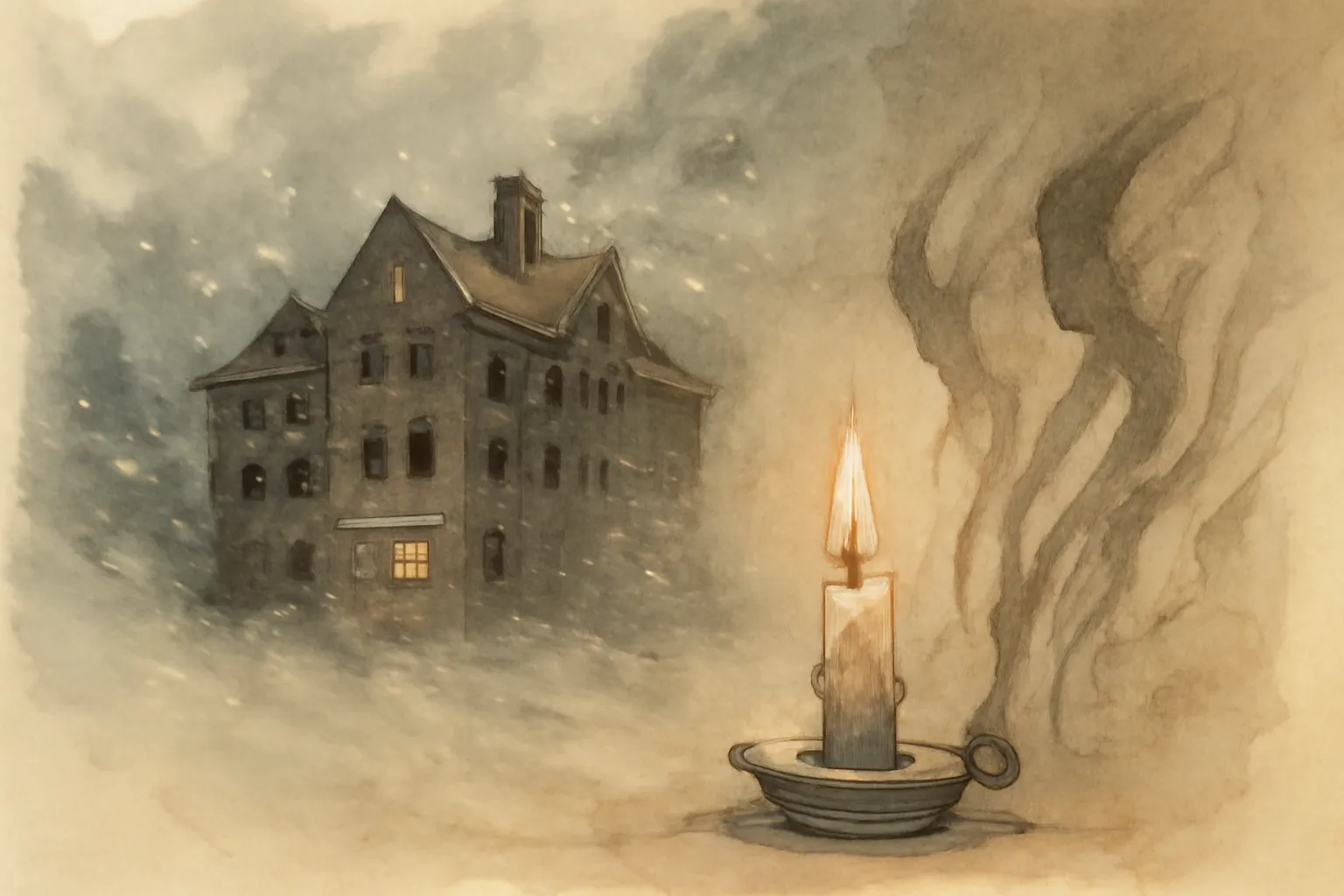
King uses the Overlook Hotel's remote, snowbound setting to magnify the psychological unraveling of his characters. Cut off from the outside world, the Torrance family faces not just supernatural threats, but the slow erosion of their relationships and sanity. The isolation acts as both a literal and metaphorical pressure cooker, exposing vulnerabilities and amplifying existing tensions, particularly Jack's struggles with anger and addiction.
2.Addiction as a Personal and Generational Curse
Jack Torrance's battle with alcoholism is central to the novel, mirroring Stephen King's own struggles at the time. The hotel preys on Jack's weaknesses, suggesting that addiction is both a personal demon and a force that can be inherited or transferred within families. Danny's psychic sensitivity makes him especially vulnerable, highlighting how the consequences of addiction ripple outward to loved ones.
3.The Supernatural as a Reflection of Inner Demons
The Overlook's ghosts and psychic phenomena are terrifying, but King uses them to externalize the characters' inner conflicts. The hotel's malevolent presence feeds on Jack's insecurities and anger, blurring the line between supernatural evil and the darkness within human nature. This duality raises questions about whether the true horror lies in the ghosts or in the people themselves.
4.Family Bonds Under Siege
The Torrance family's relationships are tested to the breaking point. Wendy's protective instincts, Danny's vulnerability, and Jack's volatility create a tense dynamic. The story asks whether love and loyalty can survive in the face of overwhelming external and internal threats, and whether cycles of abuse and trauma can be broken.
5.The Nature of Evil—Place, Person, or Both?
King crafts the Overlook Hotel as a character in its own right, steeped in a history of violence and corruption. The novel questions whether evil is intrinsic to certain places, or whether it is brought and amplified by the people within them. The interplay between the hotel's past and the Torrances' present underscores the persistent, cyclical nature of evil.
6.The 'Shining'—A Gift and a Curse
Danny's psychic ability, the 'shining,' is both his greatest asset and his greatest vulnerability. It allows him to perceive the hotel's true nature and communicate with others psychically, but it also exposes him to dangers that others cannot see. King uses this gift to explore themes of sensitivity, childhood trauma, and the burden of knowledge.