1.Reinvention After Trauma
At its core, The Shipping News is a story of personal reinvention. Quoyle, battered by years of emotional neglect and humiliation, is forced to rebuild his life after his wife's death. The move to Newfoundland is not just a change of scenery, but a chance for Quoyle to confront his self-doubt, redefine his sense of worth, and slowly learn how to form genuine connections. The novel suggests that healing is messy and nonlinear, but possible when one is open to new experiences and relationships.
2.The Power of Place
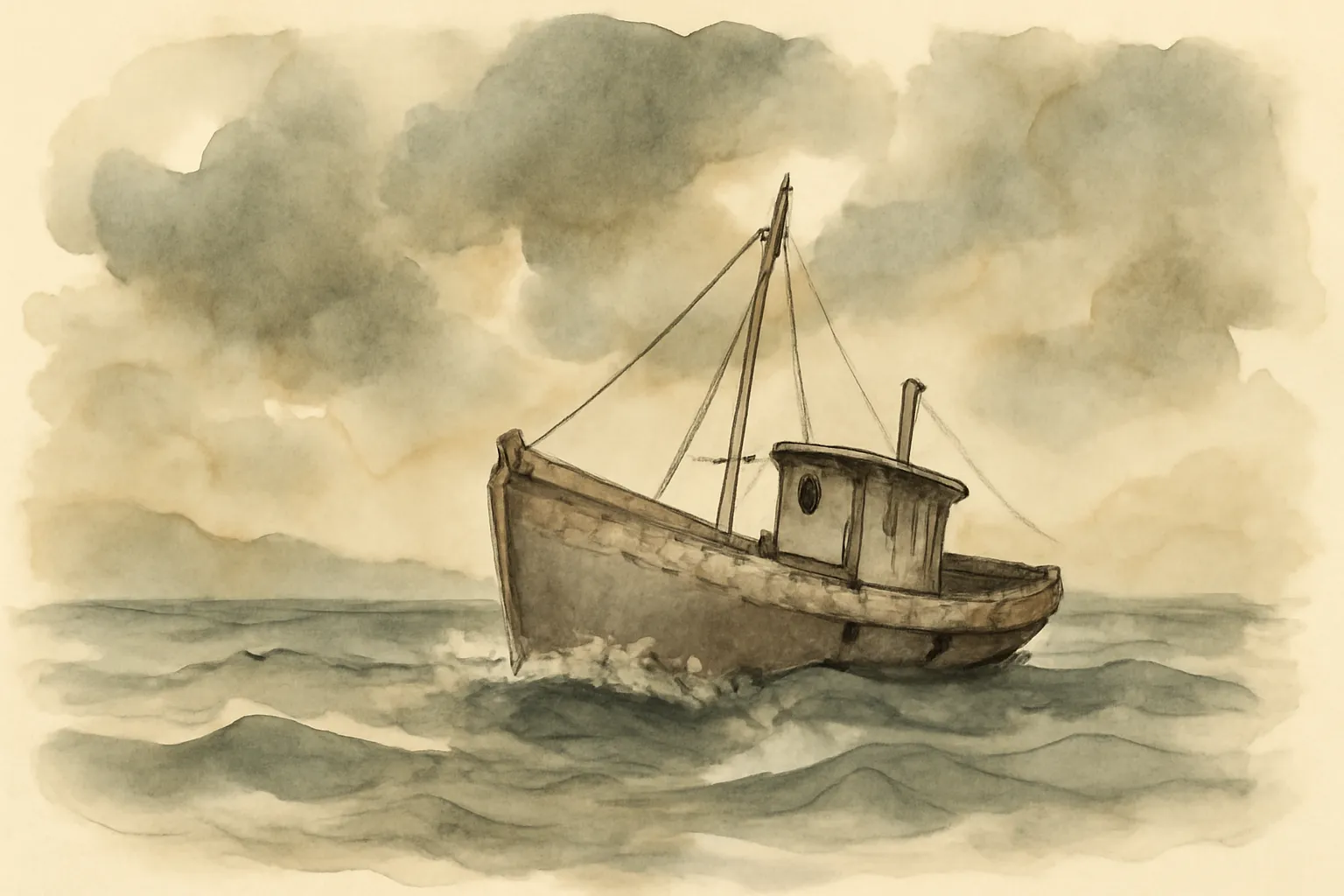
Proulx’s Newfoundland is more than a backdrop—it is a living, breathing presence that shapes every character. The harsh weather, rugged coastline, and insular community both challenge and nurture Quoyle and his family. The landscape’s stark beauty and danger mirror the characters’ emotional states, reinforcing the idea that where we are can profoundly influence who we become.
3.Family and Ancestry
The novel explores the weight and complexity of family history. Quoyle’s return to his ancestral home forces him to confront the legacy of shame, secrecy, and survival that has shaped his lineage. Proulx uses the Quoyle family saga to examine how inherited trauma and resilience are passed down, and how individuals can choose which parts of their legacy to keep or discard.
4.Community and Belonging
Through Quoyle’s interactions with the eccentric residents of Killick-Claw, the novel highlights the importance of community in overcoming isolation. The quirky, sometimes abrasive townspeople ultimately provide Quoyle with a sense of acceptance and belonging. Proulx suggests that community is not about perfection, but about mutual support and shared humanity.
5.The Role of Work and Storytelling
Quoyle’s job at the local newspaper, reporting on shipping news and car wrecks, becomes a metaphor for making sense of chaos and tragedy. The act of telling stories—however mundane—gives Quoyle structure and purpose. Proulx uses journalism as a lens to explore how people construct meaning from the fragments of daily life and collective memory.
6.Dark Humor and Resilience
Despite its bleak moments, the novel is shot through with dark humor and absurdity. Proulx’s wry observations and grotesque details underscore the resilience required to survive both external hardships and internal struggles. Humor becomes a coping mechanism, allowing characters to endure and eventually thrive.