1.Disaster Capitalism
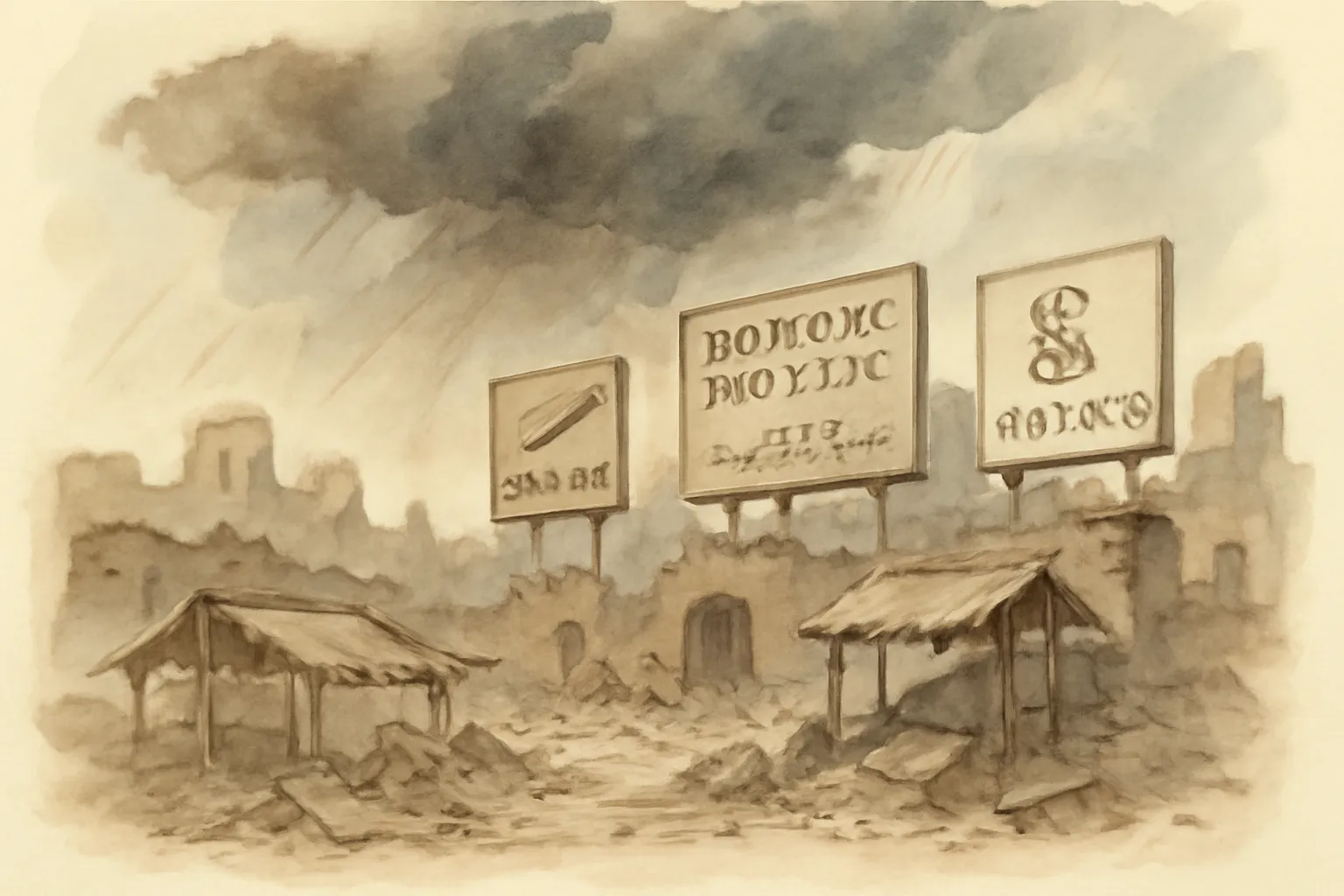
Klein introduces the concept of 'disaster capitalism': the systematic exploitation of crises—natural disasters, wars, or economic collapses—to push through radical free-market policies. She argues that these moments of collective shock are used by governments and corporations to implement privatization, deregulation, and cuts to social spending, which would otherwise face fierce public resistance. The book traces this pattern across countries and decades, suggesting it's not accidental but a deliberate strategy.
2.Shock Therapy and Neoliberalism
Central to Klein’s thesis is the idea of 'shock therapy,' a term for rapid, sweeping economic reforms. Drawing on the influence of economist Milton Friedman and the Chicago School, she details how these policies—mass privatization, ending price controls, slashing government spending—were often introduced in vulnerable societies, from Pinochet’s Chile to post-Soviet Russia. The result, she contends, is frequently increased inequality and social dislocation.
3.The Role of Crisis and Trauma
Klein draws a parallel between psychological shock (as used in torture) and societal shock. She argues that when populations are disoriented by trauma—be it a coup, hurricane, or terrorist attack—they are less able to resist drastic changes. This vulnerability is exploited by those seeking to reshape economies in the image of free-market orthodoxy, often sidelining democracy and public debate.
4.Case Studies Across the Globe
The book is rich with real-world examples: Chile after the 1973 coup, post-Katrina New Orleans, the 2003 Iraq War, and the Asian financial crisis. Klein shows how, in each case, crises were leveraged to introduce policies favoring multinational corporations and local elites, often at the expense of the majority. These case studies ground her argument in lived experience and historical fact.
5.The Erosion of Democracy
A recurring theme is the undermining of democratic processes. Klein argues that shock-driven reforms are typically enacted without public consent, sometimes under authoritarian regimes or emergency rule. The result is a weakening of democratic institutions and civic engagement, as major decisions are made while citizens are distracted or incapacitated by crisis.
6.Resistance and Alternatives
Despite the bleak picture, Klein highlights moments of resistance—social movements, grassroots organizing, and countries that have rejected or reversed shock policies. She suggests that awareness of the shock doctrine itself is a tool for empowerment, enabling people to recognize and resist the exploitation of crises.