Financial crises · Capitalism · Free enterprise
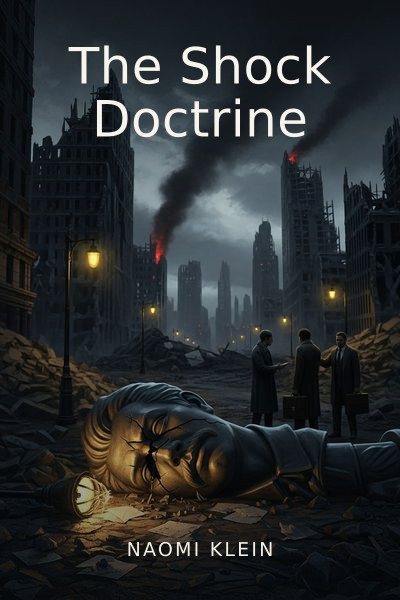
The Shock Doctrine by Naomi Klein — Summary, Key Ideas & Quotes
2007676 pages✦ 3-min Big ideas★ 4.5 (24)
Rate it
The Shock Doctrine: The Rise of Disaster Capitalism is a 2007 book by the Canadian author and social activist Naomi Klein. In the book, Klein argues that neoliberal free market policies (as advocated by the economist Milton Friedman) have risen to prominence in some developed countries because of a deliberate strategy of "shock therapy". This centers on the exploitation of national crises (disasters or upheavals) to establish controversial and questionable policies, while citizens are too distracted (emotionally and physically) to engage and develop an adequate response, and resist effectively. The book advances the idea that some man-made events, such as the Iraq War, were undertaken with the intention of pushing through such unpopular policies in their wake. Some reviewers criticized the book for making what they viewed as simplifications of political phenomena, while others lauded it as a compelling and important work. The book served as the main source of a 2009 documentary feature film with the same title directed by Michael Winterbottom.
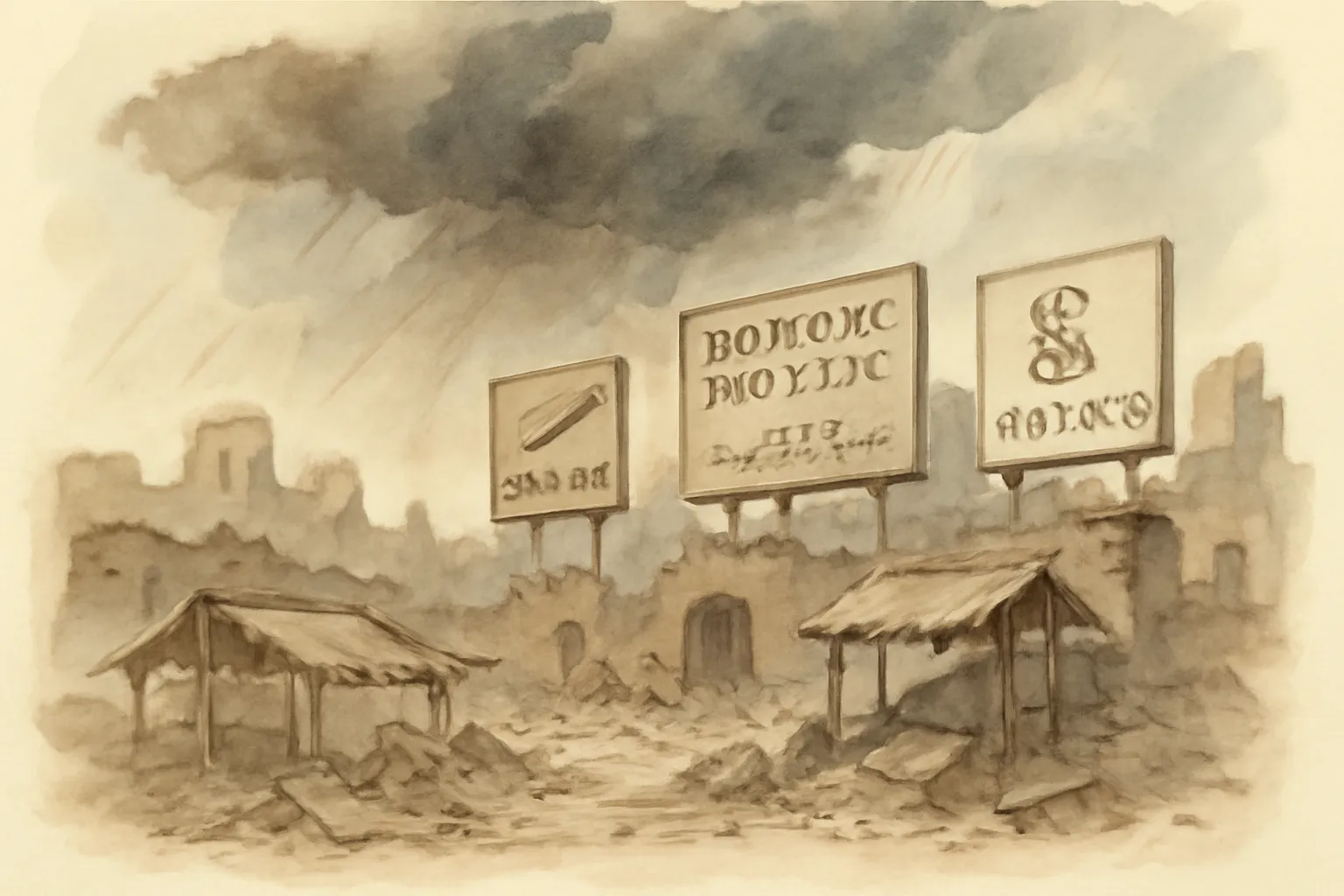
Klein introduces the concept of 'disaster capitalism': the systematic exploitation of crises—natural disasters, wars, or economic collapses—to push through radical free-market policies. She argues that these moments of collective shock are used by governments and corporations to implement privatization, deregulation, and cuts to social spending, which would otherwise face fierce public resistance. The book traces this pattern across countries and decades, suggesting it's not accidental but a deliberate strategy.
Central to Klein’s thesis is the idea of 'shock therapy,' a term for rapid, sweeping economic reforms. Drawing on the influence of economist Milton Friedman and the Chicago School, she details how these policies—mass privatization, ending price controls, slashing government spending—were often introduced in vulnerable societies, from Pinochet’s Chile to post-Soviet Russia. The result, she contends, is frequently increased inequality and social dislocation.
“If we want a world changed by shock, let’s change it ourselves.”
“Only a crisis—actual or perceived—produces real change.”