1.The House as a Character
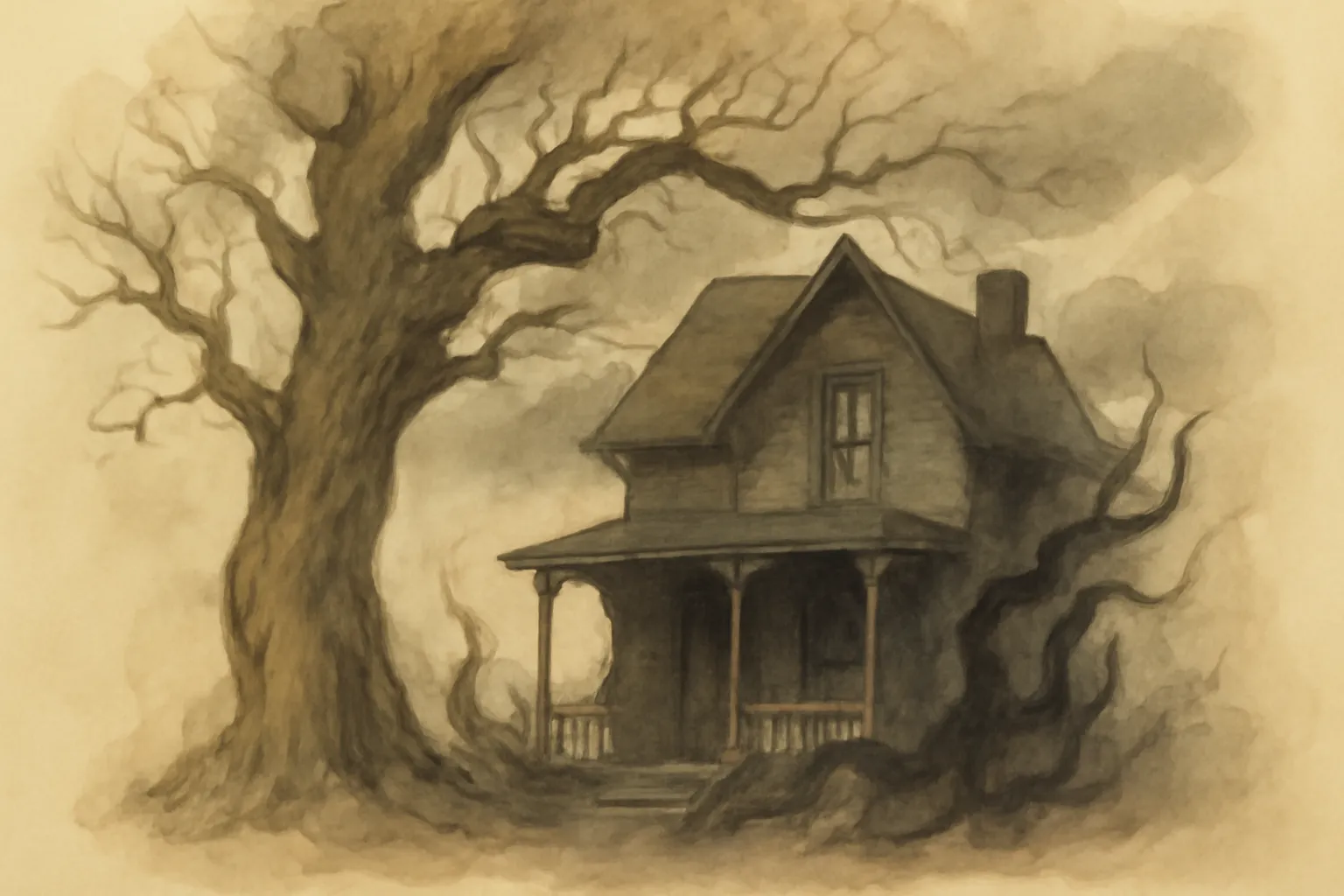
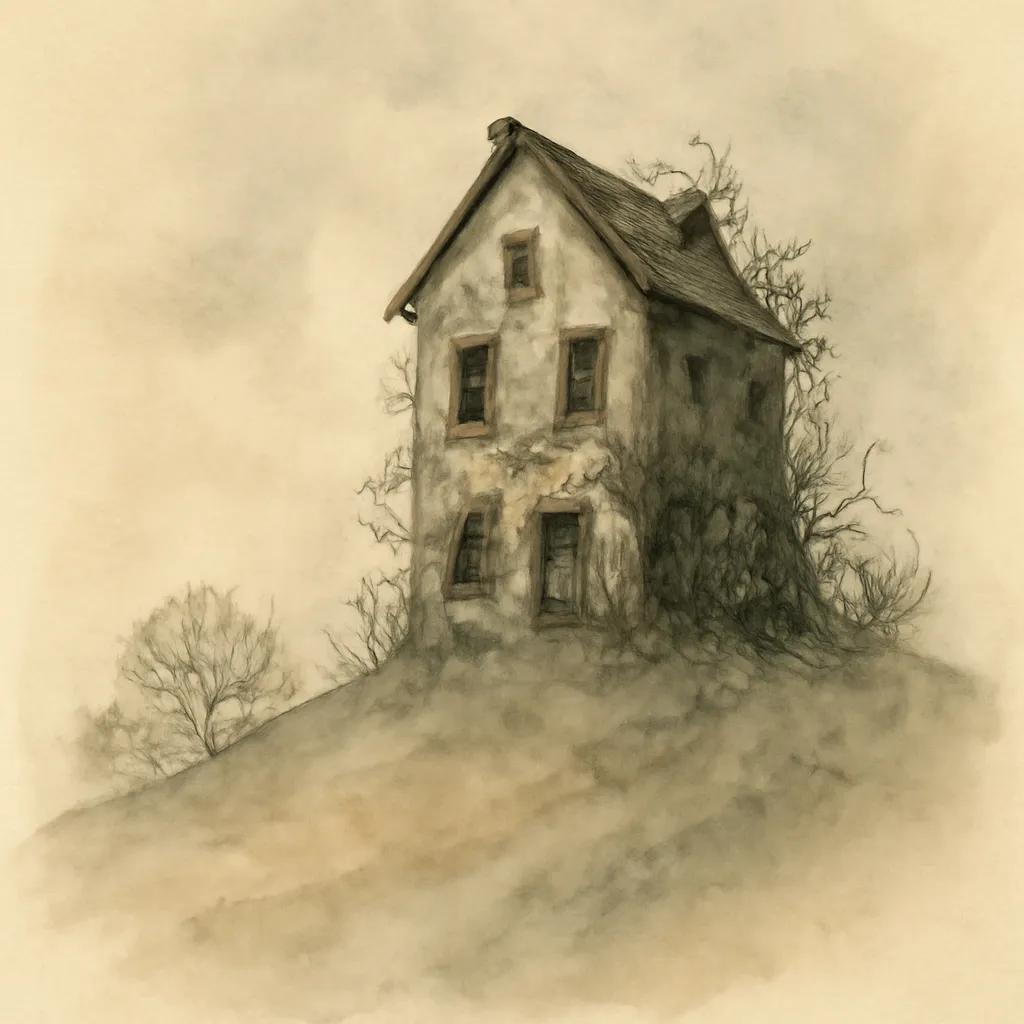
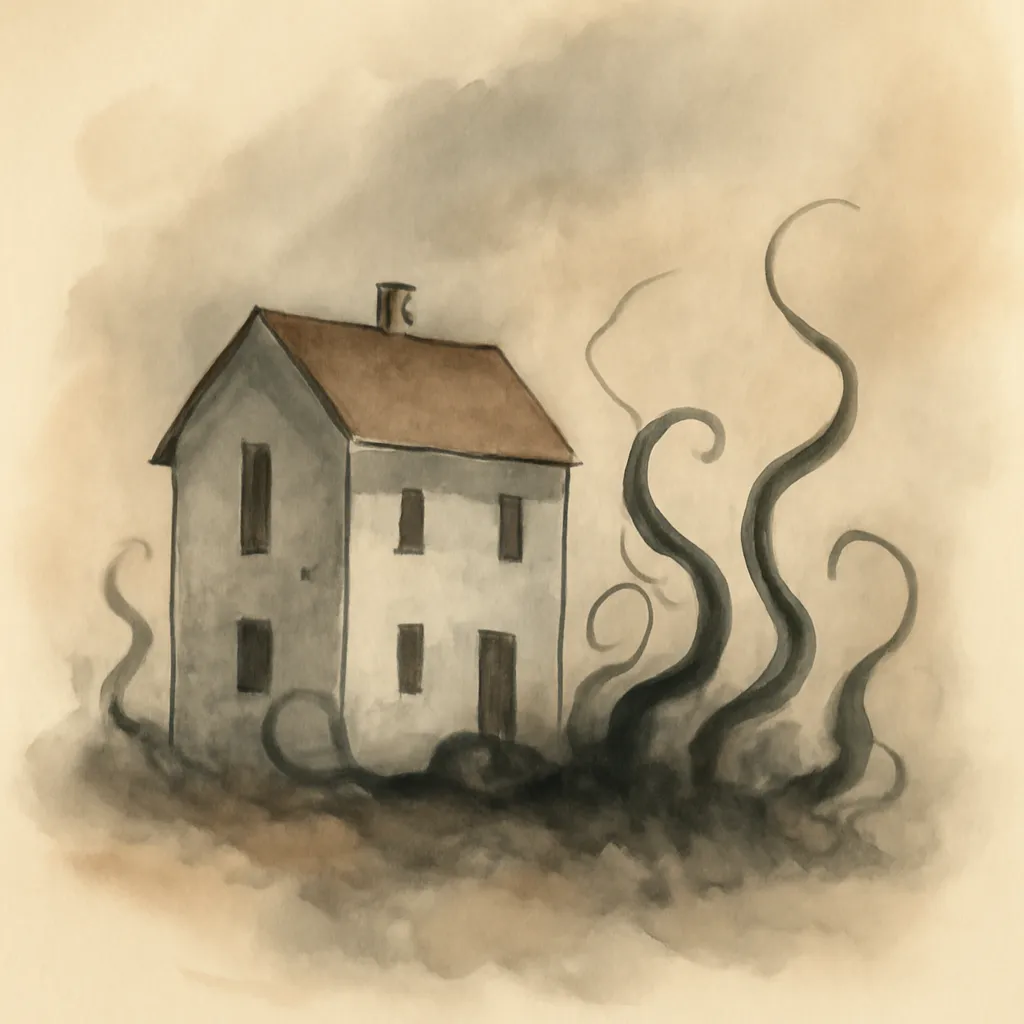
The titular shunned house is not merely a setting; it embodies a character fraught with its own history and malevolence. Lovecraft describes this old structure in vivid detail, presenting it as a relic of a bygone era that carries an air of decay and neglect. The house, originally built as a farm or semi-farm in the mid-Eighteenth Century, stands as a testament to the passage of time and the horrors it has witnessed. Its unkempt yard and antiquated architecture invite curiosity, yet also evoke a sense of foreboding, hinting at the unspeakable horrors that lie within. The house serves as a vessel of evil, suggesting that the very land it occupies is tainted, making it a focal point for the supernatural occurrences that unfold. As the story progresses, it becomes clear that the house's sinister nature is intrinsically linked to the dark events that transpired within its walls, shaping the fates of those who dare to inhabit it.
2.The Role of Family History
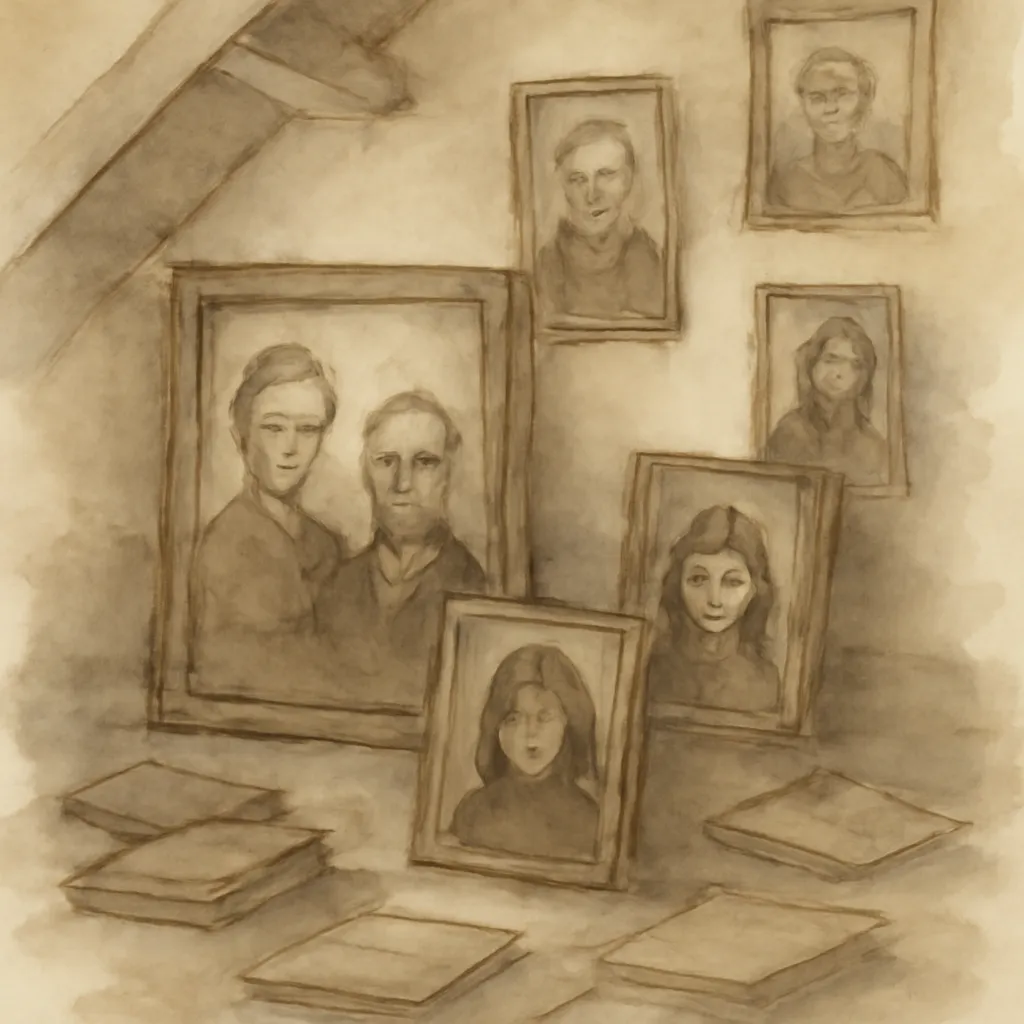
At the heart of the narrative lies the exploration of the Harrises, a family whose lineage is steeped in tragedy and misfortune. The protagonist's uncle, Doctor Whipple, meticulously compiles notes on the family's dark history, revealing a lineage plagued by death and despair. This genealogical account serves as a crucial backdrop to the events surrounding the shunned house, suggesting that the malevolence is not merely a result of the house itself, but rather a curse that has followed the Harrises through generations. Each incident of tragedy, death, and madness is intricately connected to the house, painting a picture of a family haunted by an evil that seems to transcend time. Lovecraft's use of family history underscores the idea that the past is inextricably linked to the present, and that the sins of previous generations can manifest in horrifying ways. This cyclical nature of horror serves to amplify the sense of dread, as the protagonist grapples with the realization that he may not escape the grip of this ancestral curse.
3.The Persistence of Evil
Lovecraft masterfully conveys the idea that evil can persist beyond the physical realm, manifesting itself in various forms throughout history. The shunned house is a focal point for this malevolence, which seems to permeate the very soil upon which it stands. Through the accounts of former inhabitants and servants, it becomes evident that a pervasive sense of dread has surrounded the house for decades. Servants refuse to enter the cellar, attributing an overwhelming sense of dread to its dank, moldy confines. The character of Ann White, a former servant, embodies this fear; her insistence that a vampire lies beneath the house illustrates how folklore blends with reality in the minds of those who encounter the malevolent presence. Lovecraft suggests that such evil is not easily vanquished, as it can seep into the fabric of a place, leaving an indelible mark that affects all who come into contact with it. This theme resonates throughout the narrative, reminding readers of the lingering consequences of malevolent forces.
4.The Psychological Toll of Horror
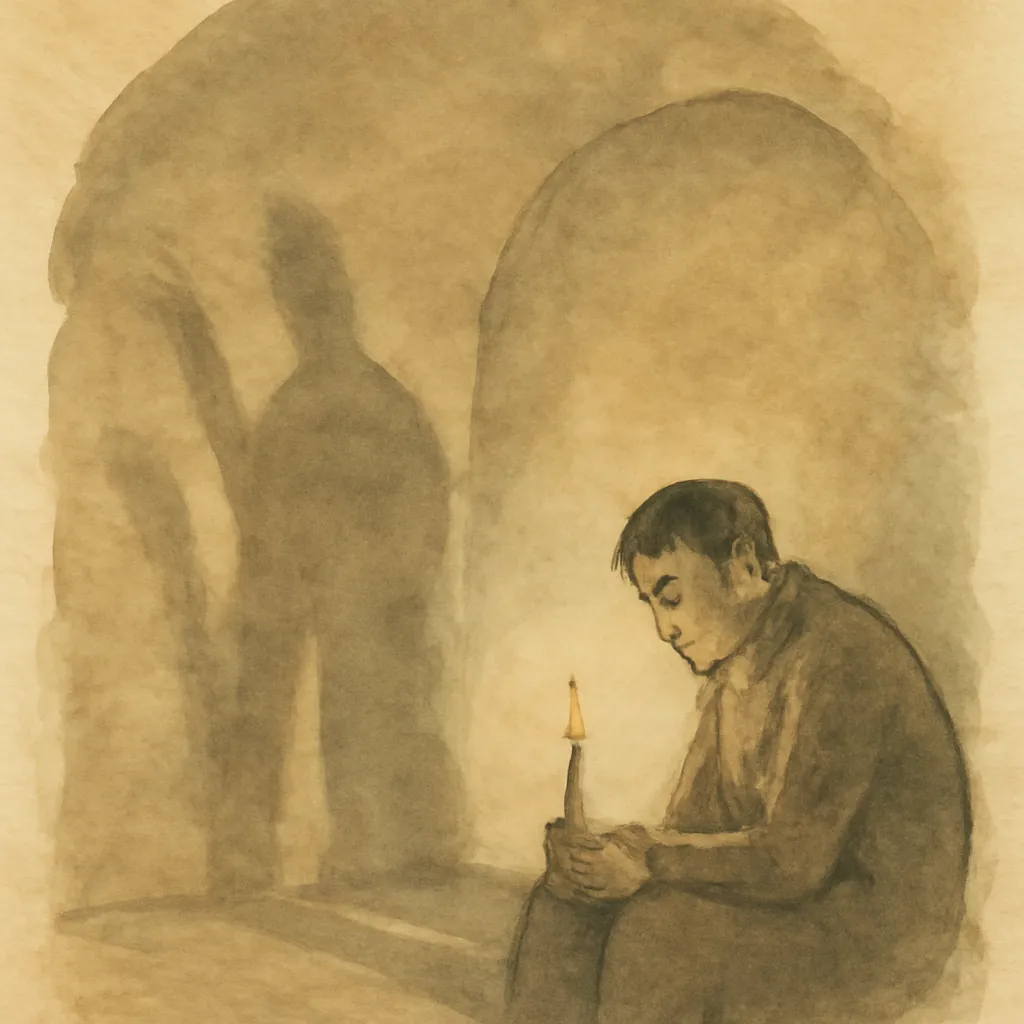
As the protagonist delves deeper into the mysteries of the shunned house, he experiences a profound psychological transformation. Lovecraft captures the toll that sustained exposure to horror can take on an individual, as the narrator grapples with fear and dread that permeate his waking life. The protagonist's initial curiosity transforms into a relentless obsession, compelling him to confront the darkness that lurks within the house. This descent into madness is mirrored in the experiences of his uncle, Doctor Whipple, who, despite his rational disposition, becomes increasingly affected by the ominous aura surrounding the house. Lovecraft skillfully illustrates how the mind can unravel in the face of overwhelming terror, suggesting that the true horror lies not just in the supernatural occurrences, but in the psychological consequences of confronting the unknown. The characters' struggles serve as a reminder that the mind can be as much a battleground as the physical realm, and that the scars of horror can be both seen and unseen.
5.The Intersection of Science and the Supernatural
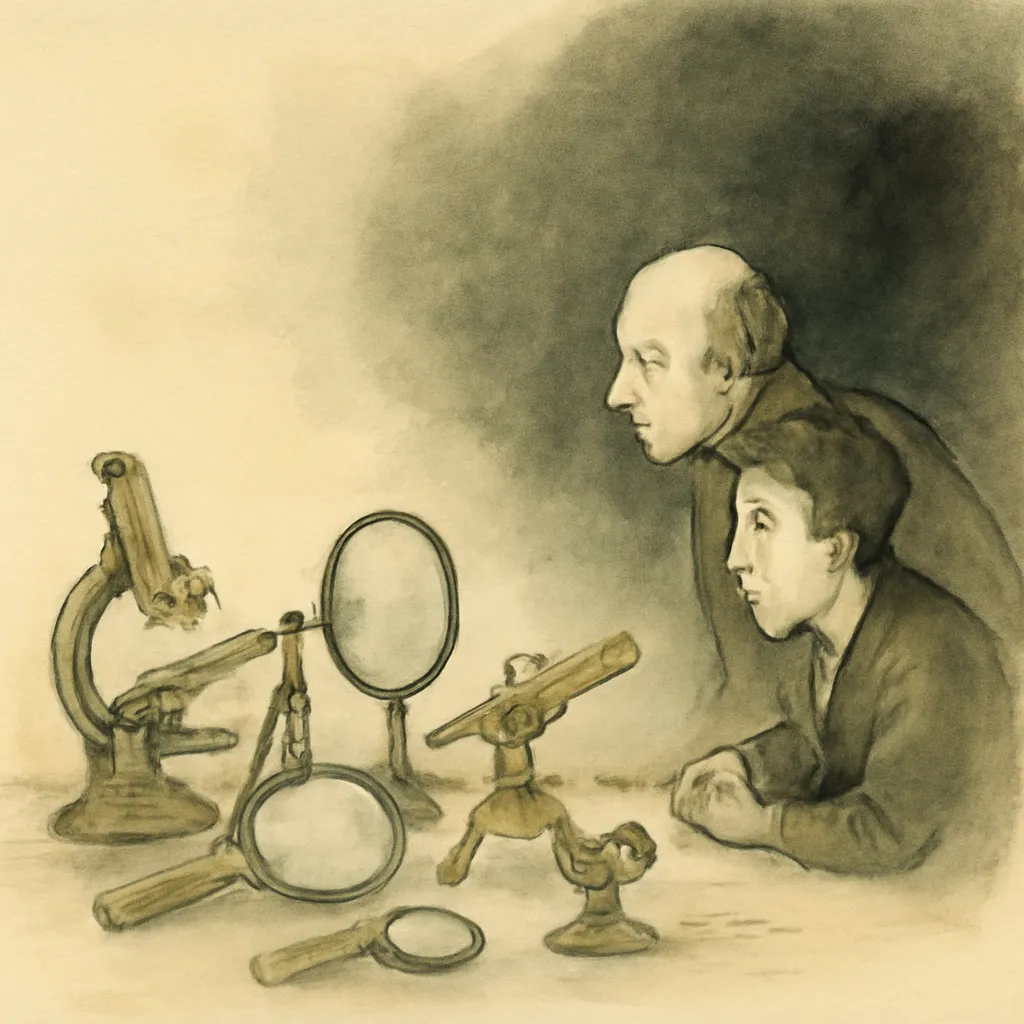
In 'The Shunned House,' Lovecraft blurs the lines between science and the supernatural, suggesting that there are forces at play that defy rational explanation. The protagonist and his uncle approach their investigation with a scientific mindset, employing instruments and methods in their quest to uncover the truth behind the house's horrors. However, as they delve deeper, they encounter phenomena that challenge their understanding of reality. The eerie glow emanating from the cellar, the presence of a vaporous corpse-light, and the unexplainable sensations of dread all point to the existence of forces that elude conventional scientific understanding. Lovecraft uses this intersection to highlight the limitations of human knowledge, emphasizing that the universe is vast and filled with mysteries that remain beyond comprehension. This theme resonates with readers, prompting them to consider the boundaries of science and the potential existence of realms that lie outside human perception.
6.The Unseen Forces of Fear
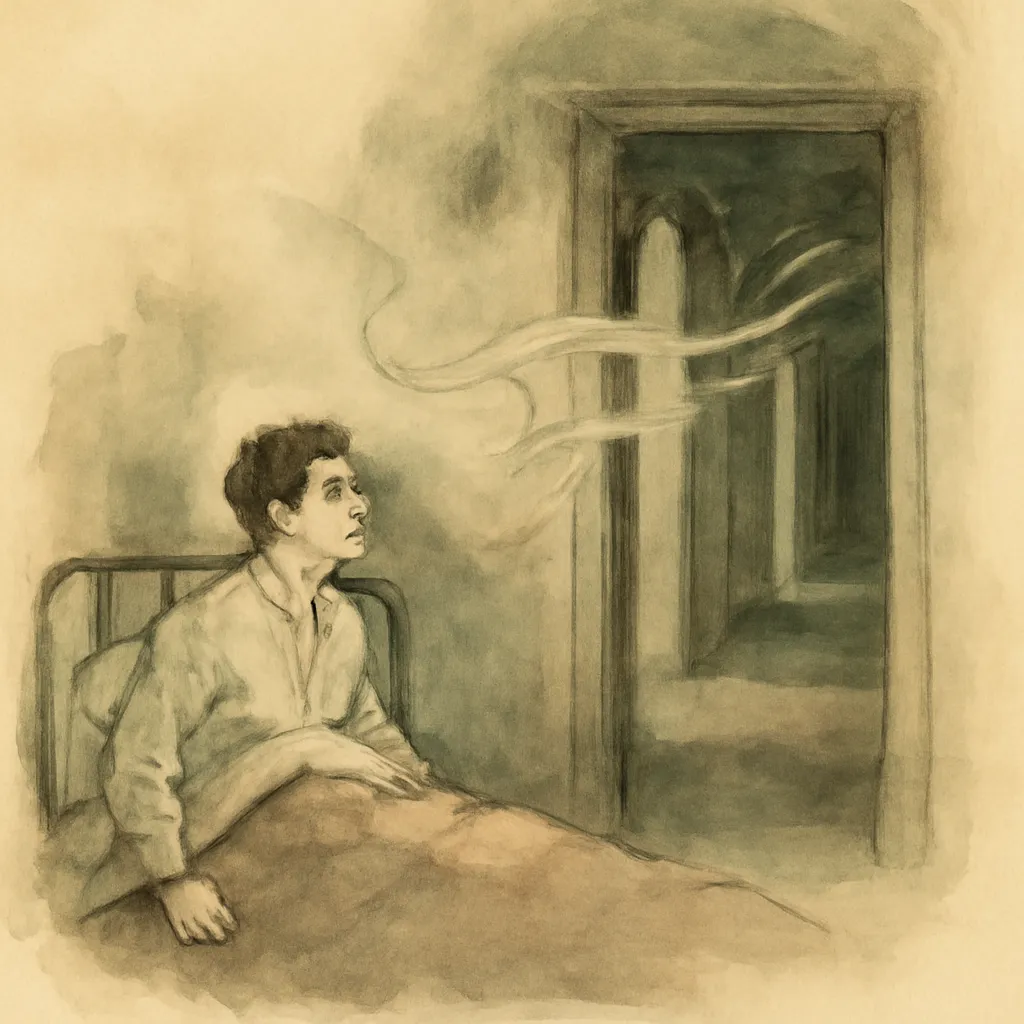
A significant aspect of 'The Shunned House' is the emphasis on the unseen forces that evoke fear. Lovecraft skillfully creates an atmosphere of dread through descriptions of sounds, smells, and sensations that haunt the characters. The protagonist's experience of waking to a shocking scream, accompanied by a revolting stench, serves to heighten the sense of horror without revealing the source of the terror. This technique of evoking fear through suggestion rather than explicit depiction allows readers to engage their imaginations, conjuring their own nightmarish visions. Lovecraft's mastery lies in his ability to convey the idea that the most profound horrors are often those that remain hidden from view, lurking just beyond the edges of perception. The unseen forces in the narrative serve as a reminder that fear often thrives in ambiguity, and that the unknown can be far more terrifying than any tangible monster.
7.The Influence of Local Folklore
Local folklore plays a pivotal role in shaping the narrative of 'The Shunned House.' The protagonist's exploration of the house is informed by the tales and legends passed down through generations, particularly those surrounding the supposed vampire buried beneath its foundation. These stories, rooted in superstition and fear, reflect the community's collective consciousness and the ways in which they interpret the unknown. Lovecraft weaves these elements into the fabric of the narrative, illustrating how folklore can influence perceptions of reality and contribute to the atmosphere of dread surrounding the house. The character of Ann White, with her Exeter superstition, embodies this connection between folklore and fear, as her beliefs drive her to caution against the dangers lurking within the cellar. Lovecraft suggests that folklore serves as both a warning and a means of understanding the inexplicable, reinforcing the idea that the past continues to shape the present.
8.The Climactic Confrontation
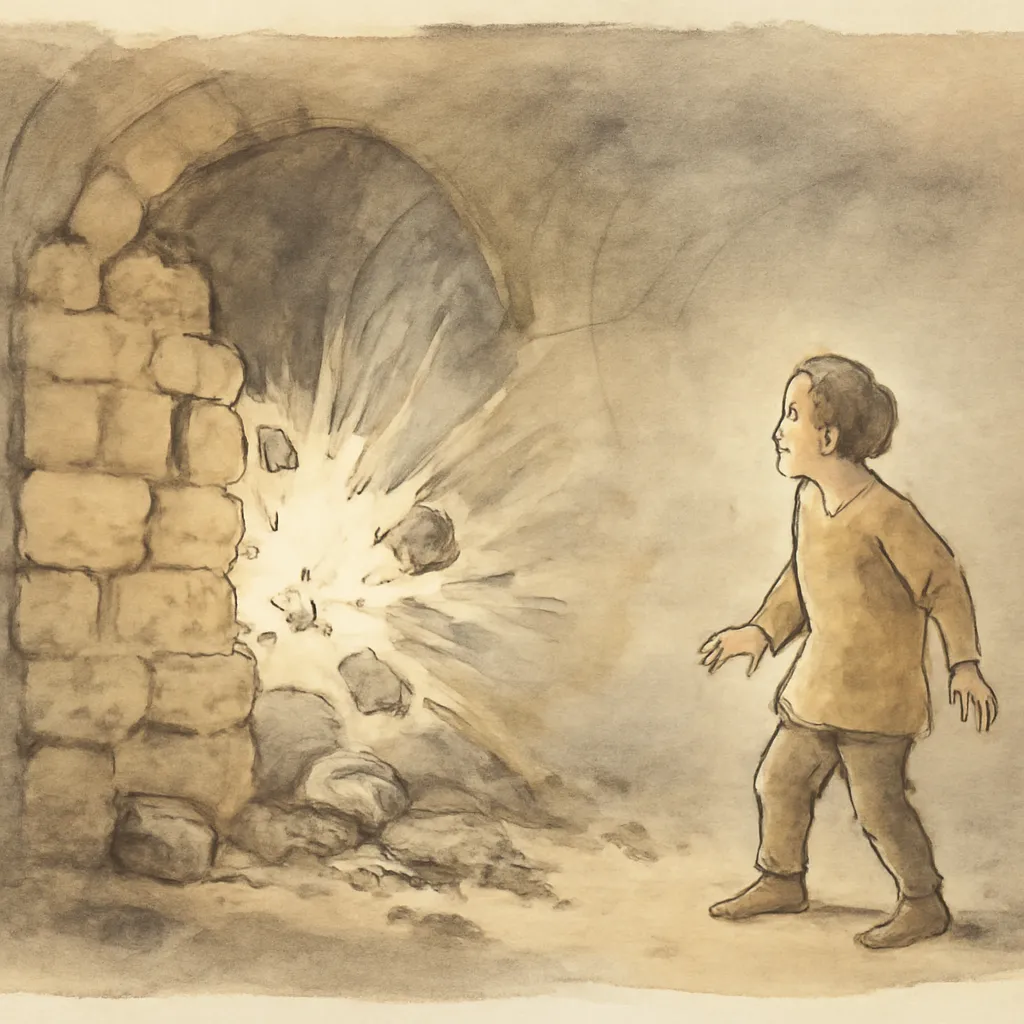
The climax of 'The Shunned House' builds towards a harrowing confrontation with the forces that have haunted the protagonist and his uncle. As they conduct their vigil in the cellar, the atmosphere becomes charged with tension, culminating in a moment of horrifying revelation. The protagonist witnesses a ghastly manifestation, described as a 'vaporous corpse-light' that emerges from the moldy earth, embodying the very essence of horror. This encounter serves as the culmination of their investigation, forcing them to confront the reality of the malevolent presence that has gripped the house for generations. Lovecraft's vivid descriptions evoke a visceral reaction, immersing readers in the scene as the characters grapple with the implications of what they have uncovered. The climactic moment underscores the theme of confronting the unknown, revealing that true horror lies not just in the supernatural, but in the realization that some forces are beyond human comprehension and control.
9.The Aftermath and Legacy of Horror
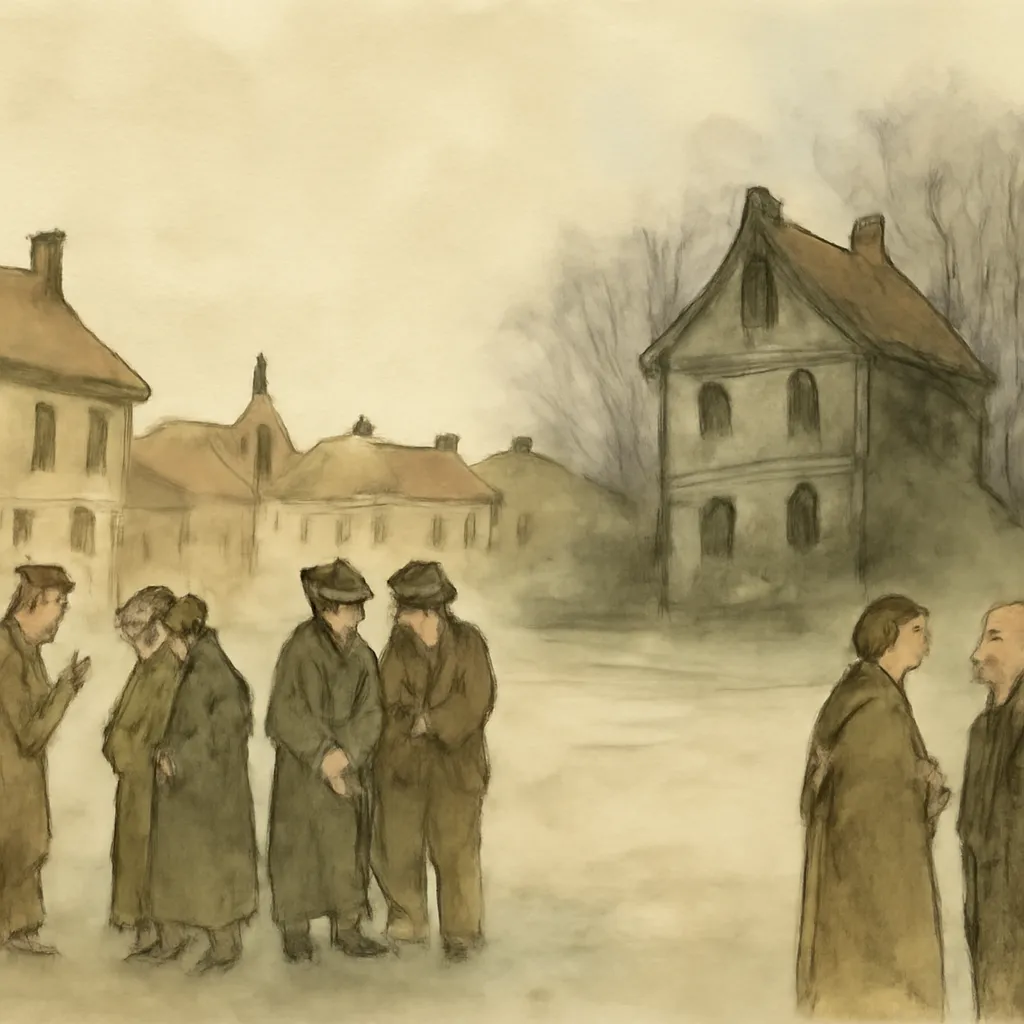
The aftermath of the protagonist's encounter with the horrors of the shunned house leaves a lasting impact on both him and the community. Following the climactic events, the narrative shifts to the reactions of those who learn of the findings, particularly Carrington Harris, the house's owner. Harris's pale complexion upon hearing the news suggests a deep-seated fear that resonates with the broader community's historical apprehension towards the house. Lovecraft emphasizes the idea that the legacy of horror endures long after the events have transpired, as the tales of the shunned house continue to circulate. The protagonist's decision to share the truth about their findings reflects a desire to confront the darkness rather than allow it to fester in silence. This theme serves as a reminder that the legacies of horror can shape perceptions and behaviors within a community, perpetuating cycles of fear and superstition. Lovecraft's closing notes illustrate that the impact of horror is not merely confined to the individuals who experience it, but can reverberate through time, affecting the collective consciousness of a society.