1.The Weight of Jealousy
Jealousy emerges as a central theme in the interactions between Laurence and those around him, notably his wife and his rival, George Falkner. Laurence's wife frequently vocalizes her discontent, contrasting her husband with others whom she perceives as possessing superior virtues. These comparisons, often made in biting tones, are intended to incite feelings of inadequacy in Laurence, who grapples with emotions of frustration and resentment. This dynamic not only creates a rift in their marriage but also reveals the destructive nature of jealousy. George Falkner, who develops a consuming obsession for Lilith Ormskirk, exemplifies how jealousy distorts one's perception and actions. His relentless comparison of himself to Laurence leads to irrational behavior, which ultimately alienates him from Lilith. This exploration serves as a poignant reminder that unchecked jealousy can warp relationships, turning affection into bitterness and leading to self-destruction.
2.The Lure of Wealth
The pursuit of wealth is a driving force for Laurence and his contemporaries, reflecting the societal context of the gold rush in Johannesburg. Upon arriving, Laurence is immediately struck by the frenzied atmosphere, the promise of fortune luring countless individuals from diverse backgrounds. Yet, as he invests his dwindling resources into various enterprises, he soon discovers the precariousness of such pursuits. The market's sudden downturn serves as a harsh reality check, illustrating that wealth can be both alluring and treacherous. Laurence's downfall is emblematic of a broader commentary on how the relentless chase for wealth can lead to ruin, leaving individuals grappling with despair and disillusionment. The narrative suggests that while ambition is a natural human trait, it must be tempered with wisdom and caution. Laurence's experiences compel the reader to reconsider the true value of wealth and the sacrifices made in its pursuit.
3.The Complexity of Relationships

The relationships in 'The Sign of the Spider' are layered and intricate, often reflecting the characters' internal struggles and societal expectations. Laurence's marriage is particularly fraught with tension, as his wife's dissatisfaction manifests in her constant comparisons to other men and their perceived virtues. This dynamic creates a palpable rift, as Laurence feels the weight of her expectations and his own perceived failures. Moreover, the bond between Laurence and Lilith oscillates between friendship and romantic entanglement, marked by unspoken feelings and misunderstandings. Lilith's captivating presence exerts a magnetic pull on those around her, yet her own past and societal expectations complicate her interactions with Laurence. This intricate web of relationships underscores the notion that human connections are rarely straightforward; they are influenced by jealousy, ambition, and the longing for validation. The struggle to balance personal desires with societal expectations showcases the nuances of human behavior and the complexity of interpersonal dynamics.
4.The Role of Fate and Chance
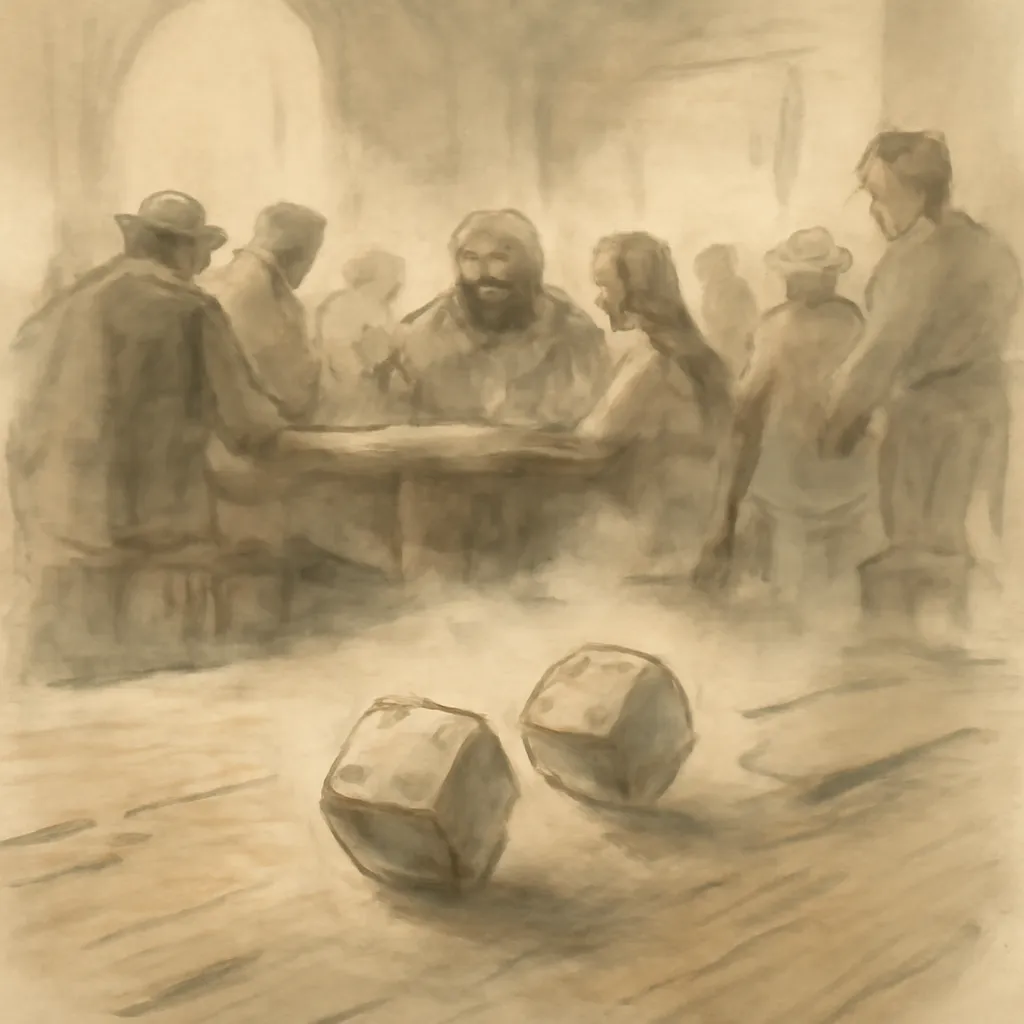
Throughout the narrative, the influence of fate and chance plays a pivotal role in shaping the characters' destinies. Laurence's arrival in Johannesburg is marked by a series of fortunate encounters that initially seem to promise success. However, as the market collapses, he becomes acutely aware of how swiftly fortune can turn. This unpredictability is mirrored in the lives of other characters, such as Rainsford, who, despite his optimism, faces the harsh realities of the economic landscape. The notion that one's fortunes can shift in an instant serves as a thematic reminder of the fragility of human existence. Laurence's eventual entanglement with Hazon and the Ba-gcatya further illustrates how chance encounters can lead to unforeseen consequences, challenging his understanding of loyalty, survival, and morality. The book invites readers to reflect on their own lives and the forces of fate that shape their paths, emphasizing that while individuals may pursue their desires, they are often at the mercy of larger, uncontrollable forces.
5.The Quest for Identity

As Laurence navigates the treacherous waters of ambition and human relationships, he embarks on a profound quest for identity. Initially defined by his aspirations for wealth and societal status, he gradually confronts the hollowness of these pursuits. This internal struggle is exacerbated by the contrasting influences of the people around him, particularly Lilith, who embodies a more profound connection to life and its complexities. Through their conversations, Laurence begins to question the values he once held dear, grappling with the realization that true fulfillment may lie beyond mere financial success. His journey of self-discovery is marked by moments of introspection as he reflects on his past choices and their implications for his future. This quest for identity culminates in a deeper understanding of himself, as Laurence learns to value authenticity over societal expectations. Ultimately, the narrative suggests that understanding oneself is an essential step toward forging meaningful connections and navigating the challenges of life.
6.The Shadows of the Past
The characters in 'The Sign of the Spider' are haunted by their pasts, which shape their present actions and decisions. Laurence's regrets and failures loom large over his psyche, influencing his interactions with his wife and peers. His attempts to escape these shadows often lead him to make impulsive decisions, such as his reckless investments in Johannesburg. Similarly, Falkner's unresolved feelings for Lilith and his jealousy toward Laurence add layers of complexity to his character, driving him to irrational behavior. The narrative underscores the idea that one's past, whether through choices made or relationships formed, can cast a long shadow over the present, complicating the journey toward redemption and personal growth. This theme invites readers to reflect on their own histories and consider how they shape their identities and relationships, highlighting the importance of confronting and reconciling with the past to move forward.
7.The Allure of Adventure

Adventure serves as a catalyst for character development and transformation in 'The Sign of the Spider.' Laurence's journey to Johannesburg is not merely a quest for wealth; it is also a search for meaning and purpose in a rapidly changing world. The vibrant, chaotic atmosphere of the gold rush encapsulates the spirit of adventure, drawing individuals from all walks of life. Yet, as the narrative unfolds, it becomes clear that adventure is fraught with risks and uncertainties. Laurence's encounters with Hazon and the Ba-gcatya expose him to the harsh realities of survival and the moral ambiguities that accompany such experiences. His initial naivety is challenged as he navigates the dangers of both the wilderness and human nature. This exploration of adventure highlights the duality of seeking thrills—while it can lead to exhilarating moments of discovery, it also poses significant dangers that can drastically alter the course of one's life. Ultimately, the allure of adventure serves as both a driving force and a cautionary tale within the narrative, reminding readers of the importance of being prepared for the unforeseen.
8.The Power of Human Connection

Amidst the backdrop of ambition and jealousy, the power of human connection emerges as a poignant theme in 'The Sign of the Spider.' The relationships between characters are fraught with tension, yet they also illustrate the potential for empathy and understanding. Laurence's interactions with Lilith reveal a deep-seated yearning for connection that transcends their individual struggles. Despite the misunderstandings that arise, their bond serves as a reminder of the importance of genuine relationships in navigating life's challenges. Similarly, the camaraderie among the characters, even in the face of adversity, highlights the resilience of the human spirit. The narrative suggests that, while ambition and jealousy may drive individuals apart, it is the connections forged through shared experiences that ultimately enrich and elevate the human experience. This theme underscores the idea that, in a world where personal ambitions can overshadow relationships, the cultivation of genuine connections is essential for emotional fulfillment and resilience.
9.The Cost of Ambition

The narrative of 'The Sign of the Spider' serves as a cautionary tale about the cost of unbridled ambition. Laurence's relentless pursuit of wealth leads him to make choices that jeopardize his relationships and well-being. His initial optimism about the gold rush transforms into despair as the market collapses, leaving him grappling with the consequences of his actions. The characters around him, too, are ensnared in the web of ambition, revealing the broader societal pressures that drive individuals to prioritize success over integrity. This exploration of ambition prompts readers to reflect on the moral implications of their own pursuits and the potential sacrifices made in the name of success. The narrative emphasizes that ambition, while a powerful motivator, can also lead to profound disillusionment and loss if not tempered by self-awareness and ethical considerations. Ultimately, the cost of ambition is depicted as a complex interplay of personal desires and societal expectations, urging readers to seek balance in their aspirations.