1.Re-centering World History
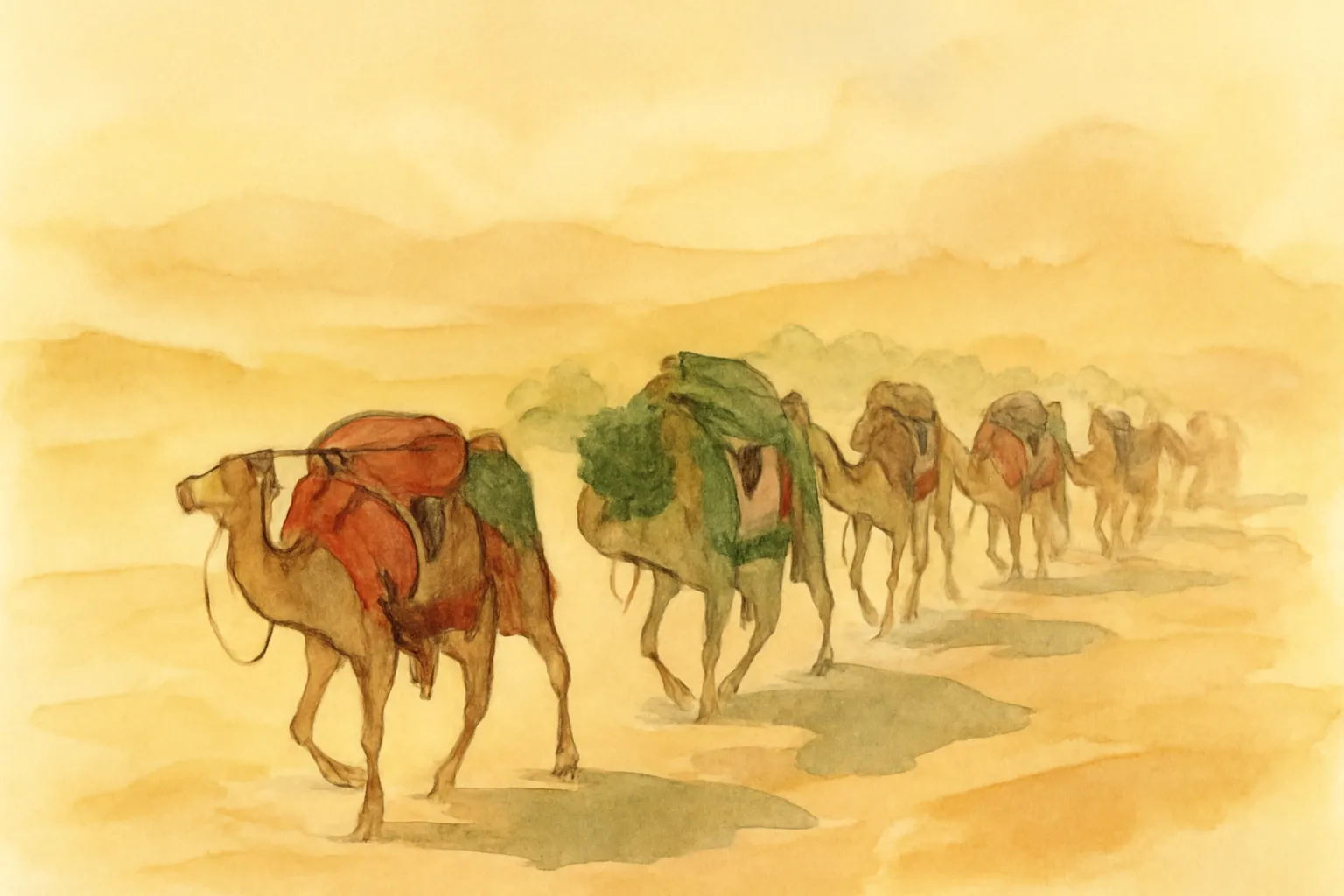
Frankopan argues that the traditional Eurocentric view of history overlooks the pivotal role played by the regions lying between the Mediterranean and East Asia. By focusing on the Silk Roads—vast networks of trade and cultural exchange—he demonstrates that the heart of global development, innovation, and conflict has long resided in Central Asia and the Middle East. This re-centering invites readers to rethink what they know about the rise and fall of empires, the spread of religions, and the origins of modernity.
2.Trade as the Engine of Change
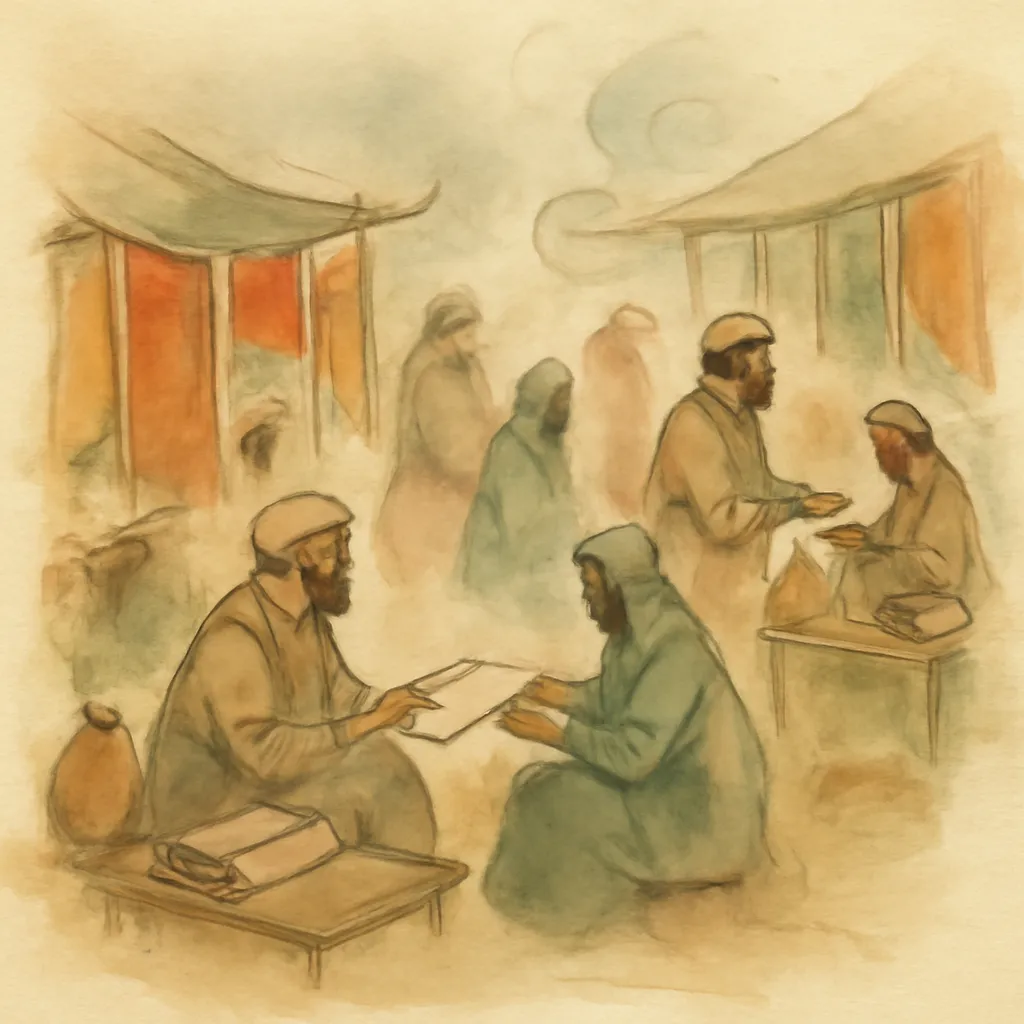
The book highlights how commerce along the Silk Roads was not just about goods, but also about the transmission of ideas, technologies, and beliefs. These exchanges fostered cosmopolitan societies, enabled scientific and artistic advances, and even shaped the ambitions of empires. Frankopan shows that the desire for silk, spices, and other luxuries drove exploration, conquest, and the forging of new connections, making trade a force that repeatedly reshaped the world.
3.The East’s Enduring Influence
Contrary to the notion that the West has always been the center of progress, Frankopan illustrates how the East—particularly Persia, India, and China—was for centuries more advanced and influential in areas such as science, philosophy, and governance. The book details how Western powers only rose to prominence by tapping into, and often seeking to control, the resources and networks of the East.
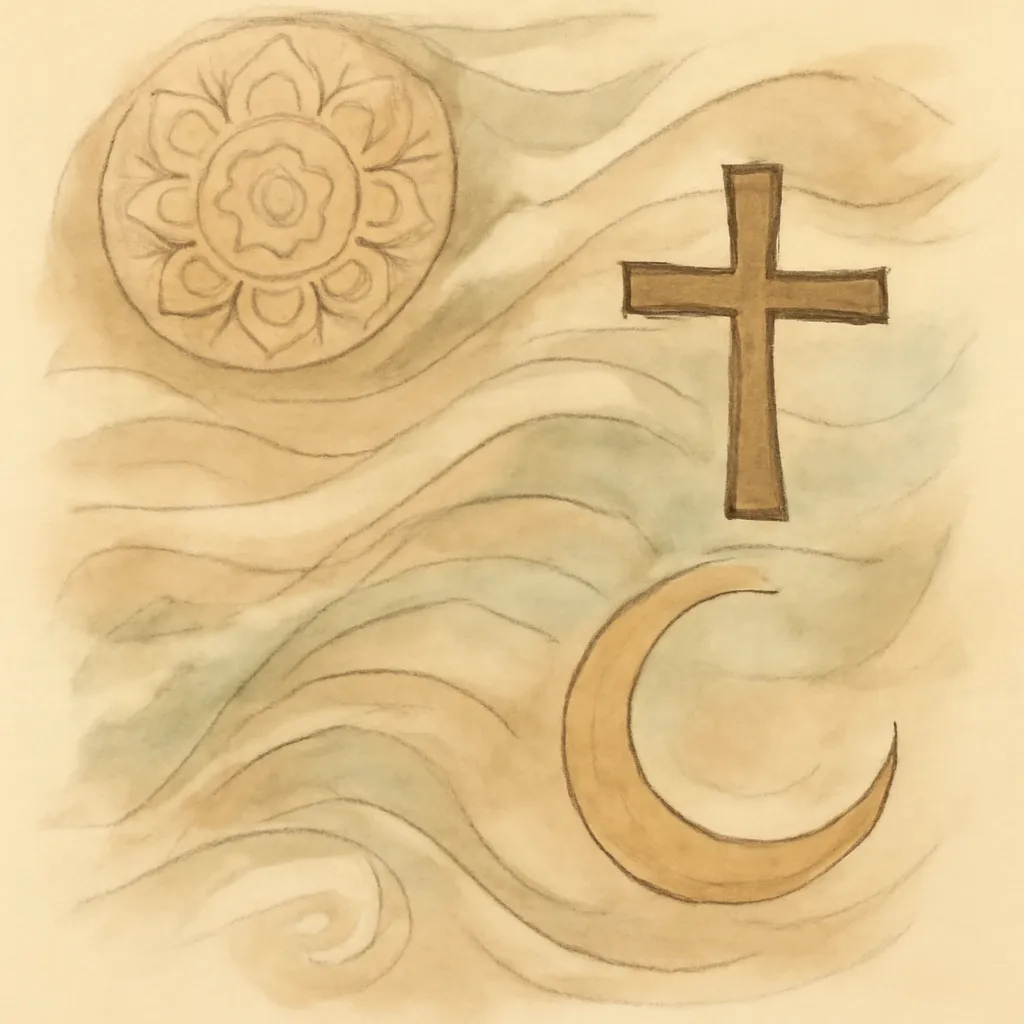
4.Religion and Cultural Exchange
The Silk Roads were conduits for the spread of the world’s major religions—Buddhism, Christianity, Islam—and for the cross-pollination of cultures. Frankopan explores how these interactions were often complex and multifaceted, sometimes leading to harmony and synthesis, other times to conflict and transformation. Understanding these exchanges is crucial to grasping the roots of today’s religious and cultural landscapes.
5.Conflict and Catastrophe
The book does not romanticize the Silk Roads; it also recounts the devastation wrought by invasions, plagues, and imperial rivalries. From the Mongol conquests to the Black Death, Frankopan shows how interconnectedness could spread disaster as easily as prosperity. These episodes underscore the volatility of global networks and the unpredictable consequences of human ambition.
6.Modern Resonance
Frankopan draws connections between the past and present, arguing that the resurgence of Asia and the strategic importance of the Middle East echo the historic centrality of the Silk Roads. In an era of globalization, energy politics, and shifting power balances, the book suggests that understanding this history is essential for making sense of current events and future trends.