

East and West · HISTORY / World · Trade routes
The Silk Roads by Peter Frankopan — Summary, Key Ideas & Quotes
2015128 pages✦ 3-min Big ideas★ 4.4 (14)
Rate it
"Our world was made on and by the Silk Roads. For millennia it was here that East and West encountered each other through trade and conquest, leading to the spread of ideas and cultures, the birth of the world's great religions, the appetites for foreign goods that drove economies and the growth of nations. From the first cities in Mesopotamia to the growth of Greece and Rome to the depredations by the Mongols and the Black Death to the Great Game and the fall of Communism, the fate of the West has always been inextricably linked to the East. The Silk Roads vividly captures the importance of the networks that crisscrossed the spine of Asia and linked the Atlantic with the Pacific, the Mediterranean with India, America with the Persian Gulf. By way of events as disparate as the American Revolution and the horrific world wars of the twentieth century, Peter Frankopan realigns the world, orientating us eastwards, and illuminating how even the rise of the West 500 years ago resulted from its efforts to gain access to and control these Eurasian trading networks. In an increasingly globalized planet, where current events in Asia and the Middle East dominate the world's attention, this magnificent work of history is very much a work of our times"--
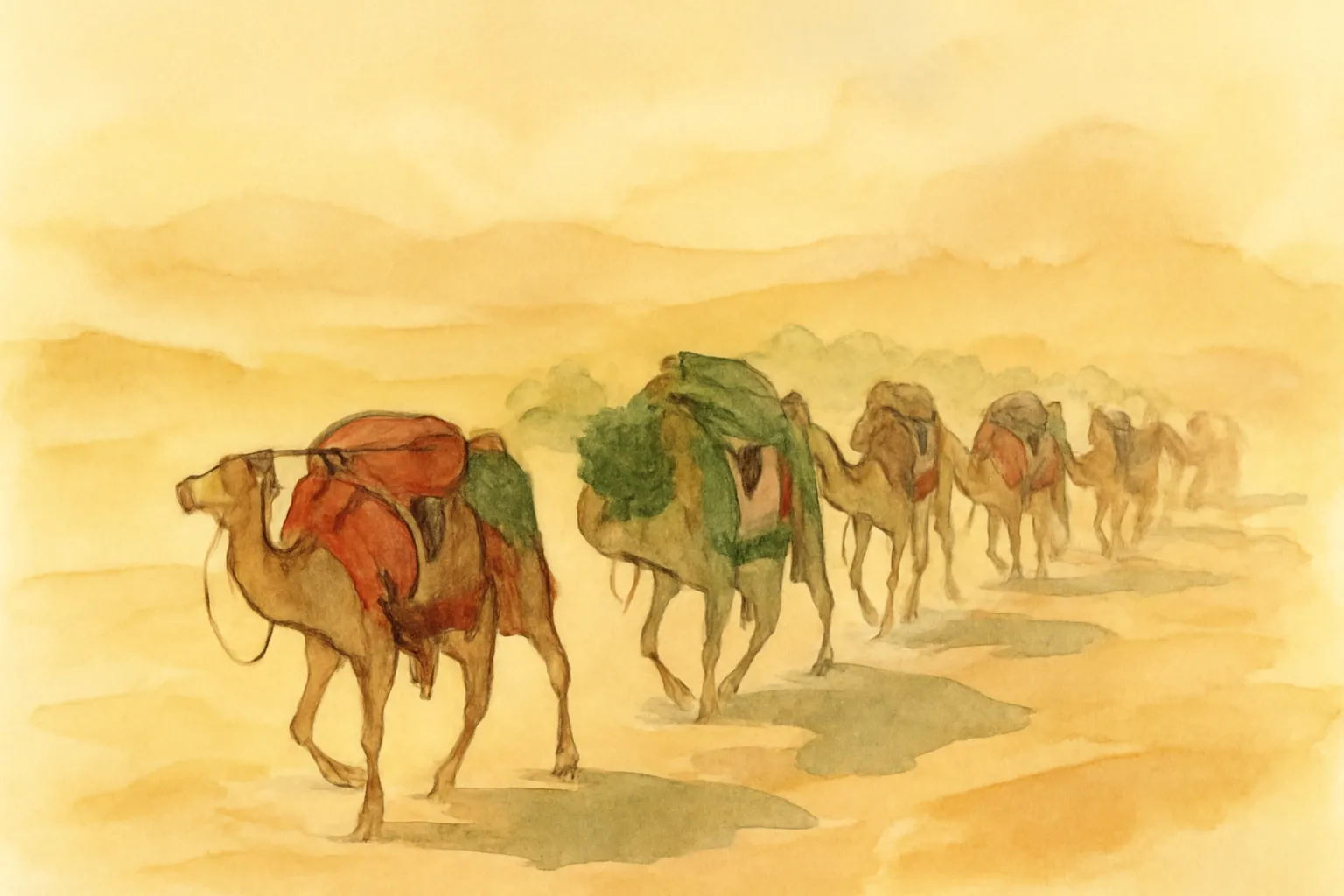
Frankopan argues that the traditional Eurocentric view of history overlooks the pivotal role played by the regions lying between the Mediterranean and East Asia. By focusing on the Silk Roads—vast networks of trade and cultural exchange—he demonstrates that the heart of global development, innovation, and conflict has long resided in Central Asia and the Middle East. This re-centering invites readers to rethink what they know about the rise and fall of empires, the spread of religions, and the origins of modernity.
The book highlights how commerce along the Silk Roads was not just about goods, but also about the transmission of ideas, technologies, and beliefs. These exchanges fostered cosmopolitan societies, enabled scientific and artistic advances, and even shaped the ambitions of empires. Frankopan shows that the desire for silk, spices, and other luxuries drove exploration, conquest, and the forging of new connections, making trade a force that repeatedly reshaped the world.
“The Silk Roads were no exotic series of connections, but networks that linked continents and oceans together.”
“To understand the world, you have to understand the Silk Roads.”