1.Creation and the Power of Story
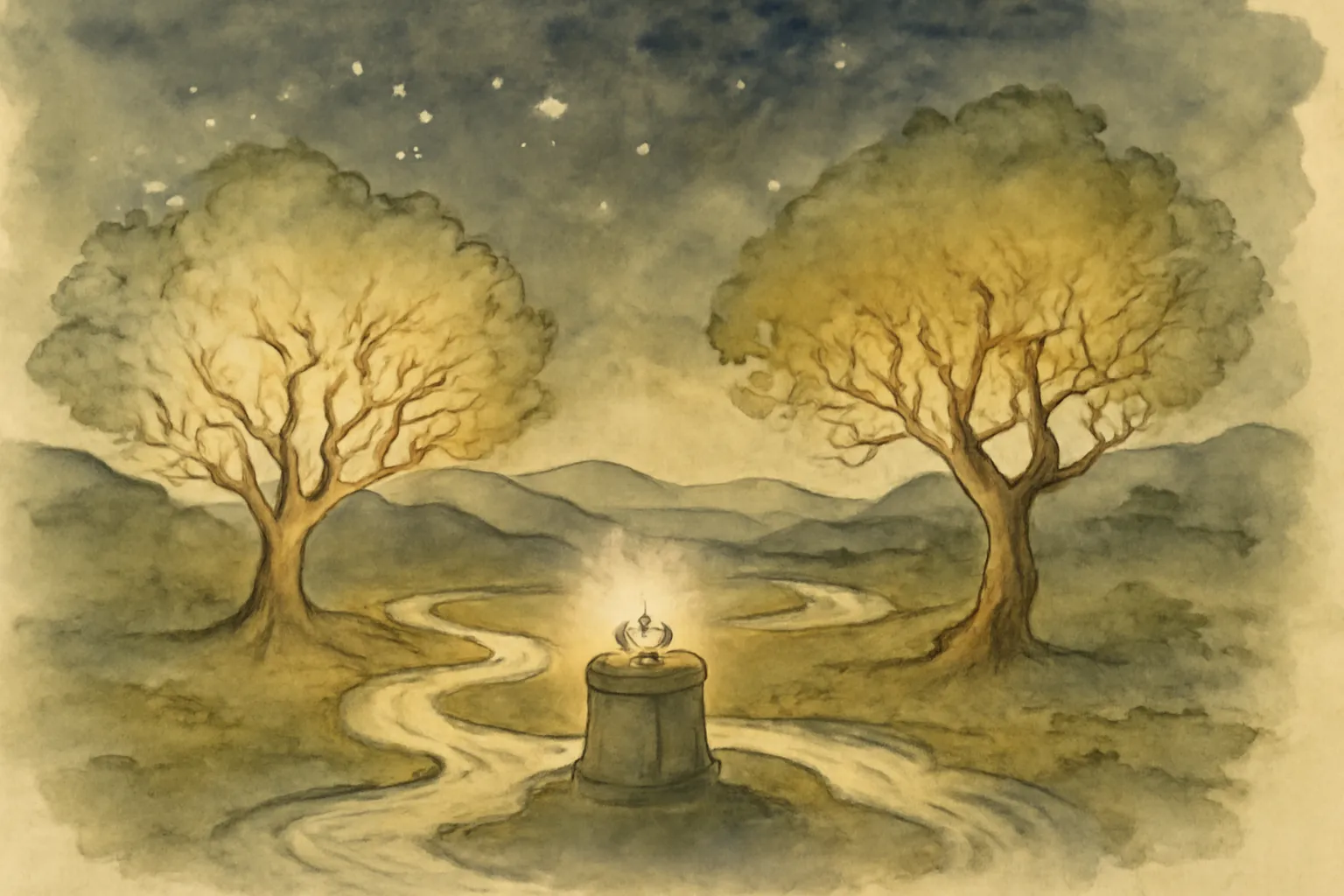
The Silmarillion begins with the Ainulindalë, a creation myth where the world is sung into being by angelic beings under the guidance of Eru Ilúvatar. This framing not only establishes the divine origins of Middle-earth but also foregrounds the power of music, creativity, and sub-creation—a central Tolkienian theme. The act of creation is both beautiful and fraught, as discord enters the music, foreshadowing the world’s future strife. Tolkien uses mythic storytelling to explore how good and evil are intertwined from the very beginning.
2.The Tragedy of the Elves
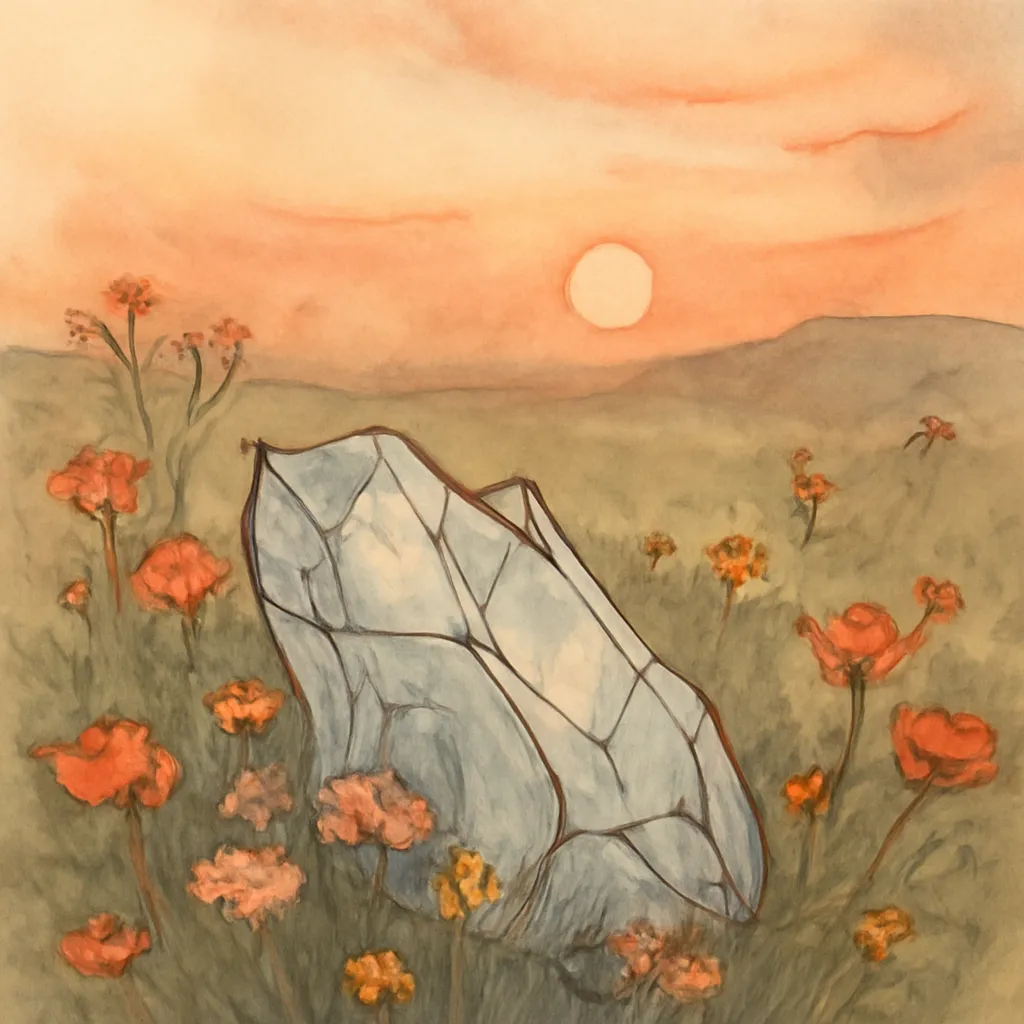
At the heart of The Silmarillion is the saga of the Elves, especially the tale of Fëanor and his sons, whose pride and possessiveness over the Silmarils (jewel-like creations) lead to rebellion, exile, and centuries of war. Their story is one of immense beauty and profound loss, as noble intentions are corrupted by hubris and vengeance. The Elves’ fall mirrors classical tragedies, highlighting the costs of obsession and the limits of even the greatest among us.
3.The Nature of Evil
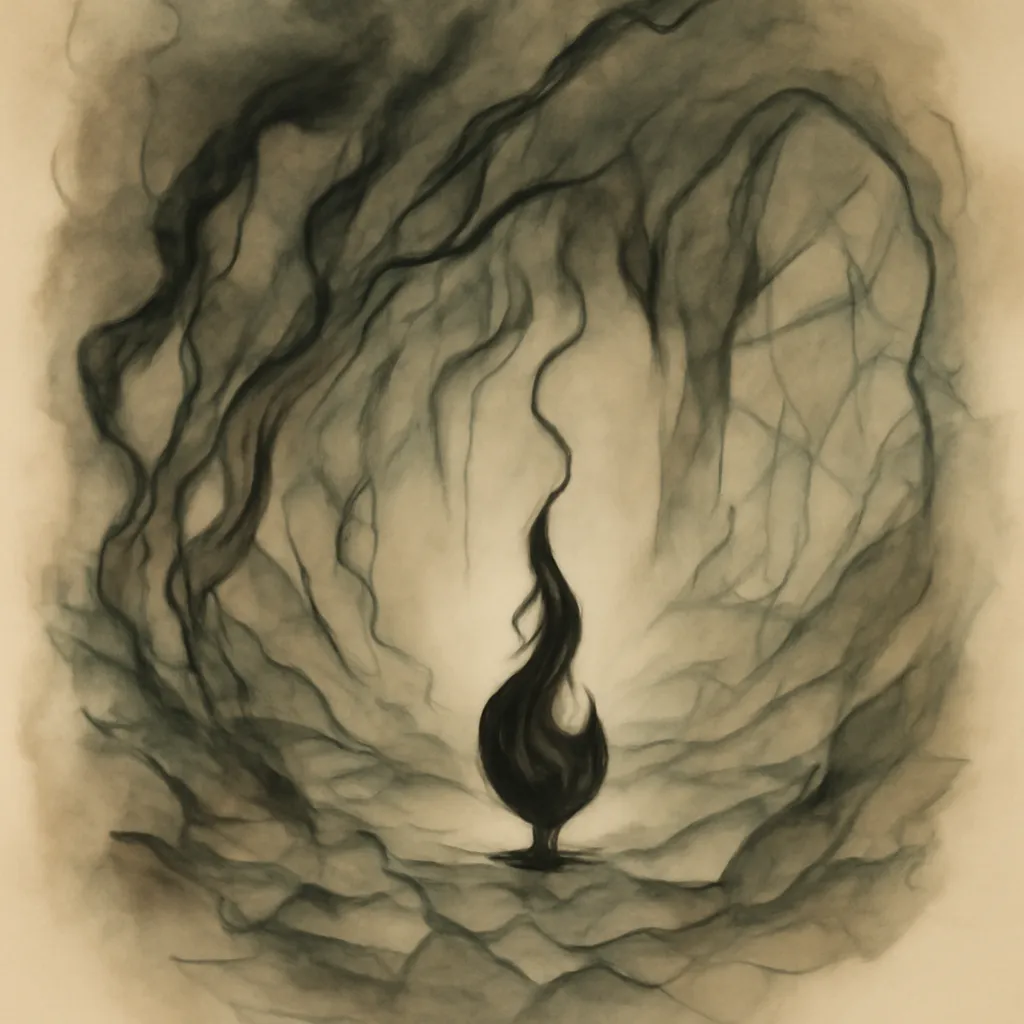
Tolkien’s portrayal of evil is complex and philosophical. Melkor (later Morgoth), the first and mightiest of the Ainur, introduces discord into the world’s music, setting a pattern for all later corruption. Evil in The Silmarillion is not merely an external force but a perversion of good, often arising from pride, envy, and the desire to dominate. This nuanced depiction invites readers to ponder the origins and persistence of evil in both myth and reality.
4.Mortality and the Fate of Men
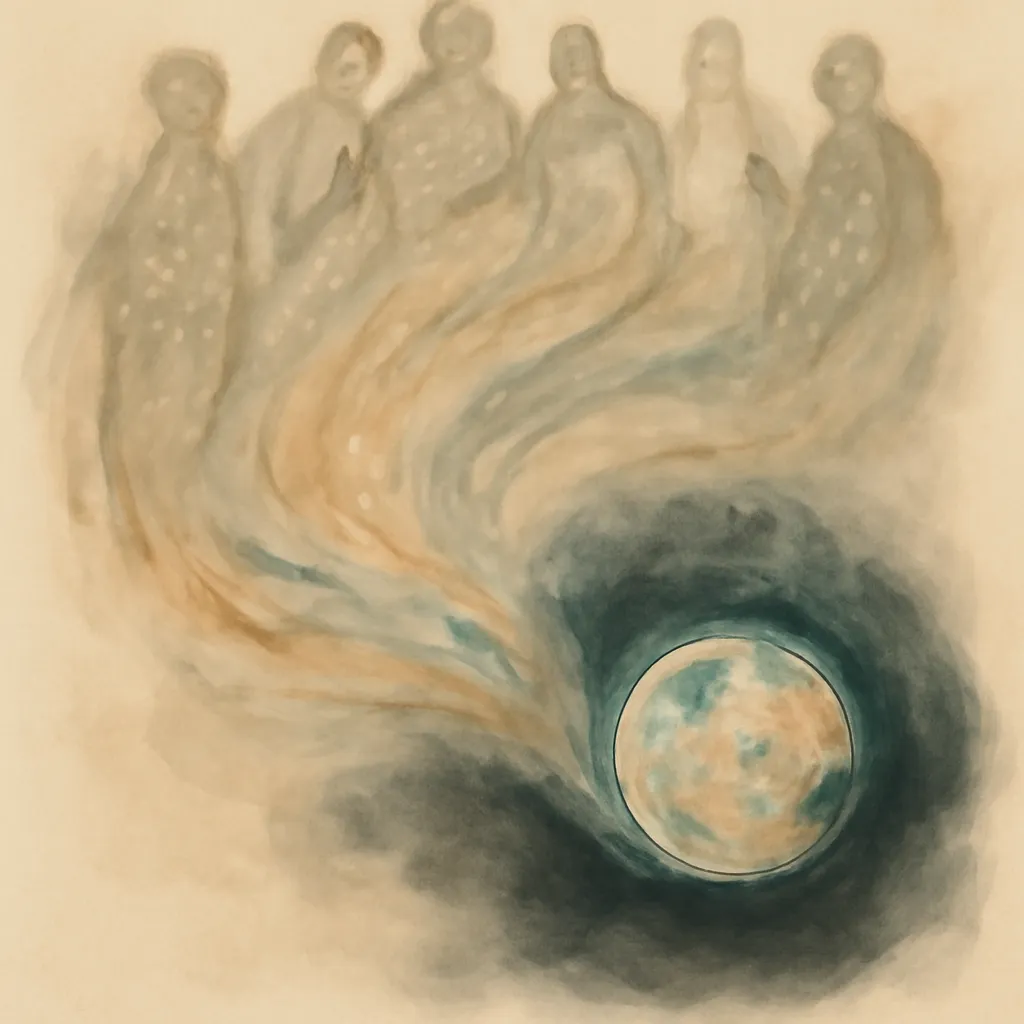
While Elves are immortal, the fate of Men is to die, a theme Tolkien calls 'the Gift of Men.' The Silmarillion explores mortality as both a sorrow and a mysterious blessing, contrasting the unending grief of the Elves with the hope and renewal possible for mortals. This meditation on death and destiny adds philosophical depth, suggesting that mortality is not a punishment but a path to freedom and transcendence.
5.Heroism and Sacrifice
The book is filled with tales of heroism—Beren and Lúthien, Túrin Turambar, and others—whose courage and sacrifice shine against the backdrop of overwhelming darkness. These stories are bittersweet, often ending in loss, but they also suggest that individual acts of bravery and love have lasting significance. Tolkien’s heroes are flawed and mortal, yet their struggles matter in the grand design.
6.The Weight of History and Memory
The Silmarillion is suffused with the sense of a deep, tragic history. The actions of one age echo through the next, and the burdens of memory shape the choices of peoples and individuals. This long view of history gives the book its mythic resonance, reminding readers that the present is always built on the bones of the past.