Fantasy fiction · Short stories · Middle Earth (Imaginary place)
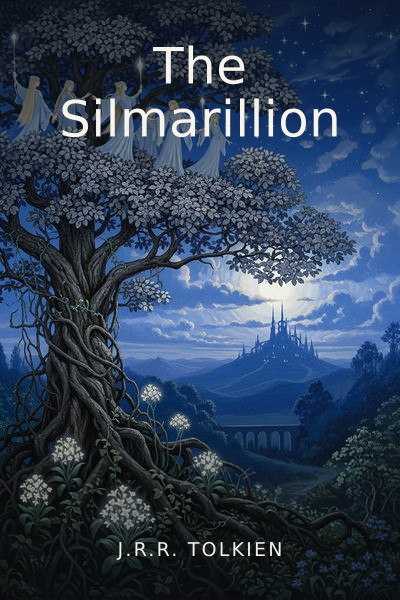
The Silmarillion by J.R.R. Tolkien — Summary, Key Ideas & Quotes
1977424 pages✦ 3-min Big ideas★ 4.0 (118)
Rate it
A number-one New York Times bestseller when it was originally published, The Silmarillion is the core of J.R.R. Tolkien's imaginative writing, a work whose origins stretch back to a time long before The Hobbit.
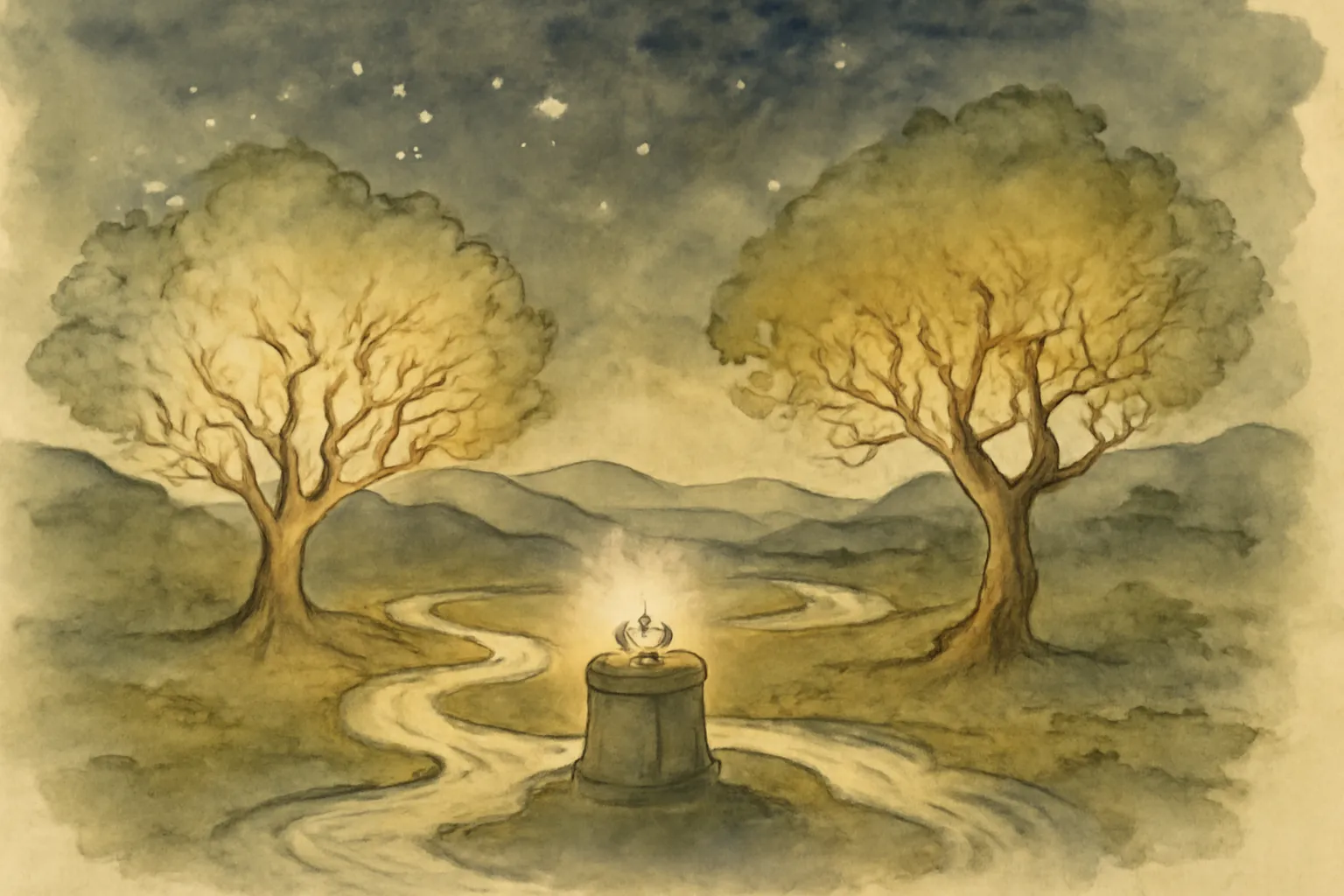
The Silmarillion begins with the Ainulindalë, a creation myth where the world is sung into being by angelic beings under the guidance of Eru Ilúvatar. This framing not only establishes the divine origins of Middle-earth but also foregrounds the power of music, creativity, and sub-creation—a central Tolkienian theme. The act of creation is both beautiful and fraught, as discord enters the music, foreshadowing the world’s future strife. Tolkien uses mythic storytelling to explore how good and evil are intertwined from the very beginning.
At the heart of The Silmarillion is the saga of the Elves, especially the tale of Fëanor and his sons, whose pride and possessiveness over the Silmarils (jewel-like creations) lead to rebellion, exile, and centuries of war. Their story is one of immense beauty and profound loss, as noble intentions are corrupted by hubris and vengeance. The Elves’ fall mirrors classical tragedies, highlighting the costs of obsession and the limits of even the greatest among us.
“But of bliss and glad life there is little to be said, before it ends; as works fair and wonderful, while still they endure for eyes to see, are their own record, and only when they are in peril or broken for ever do they pass into song.”
“Yet seldom do they fail of their seed, and the just shall not be forgotten.”