1.The Illusion of Free Will
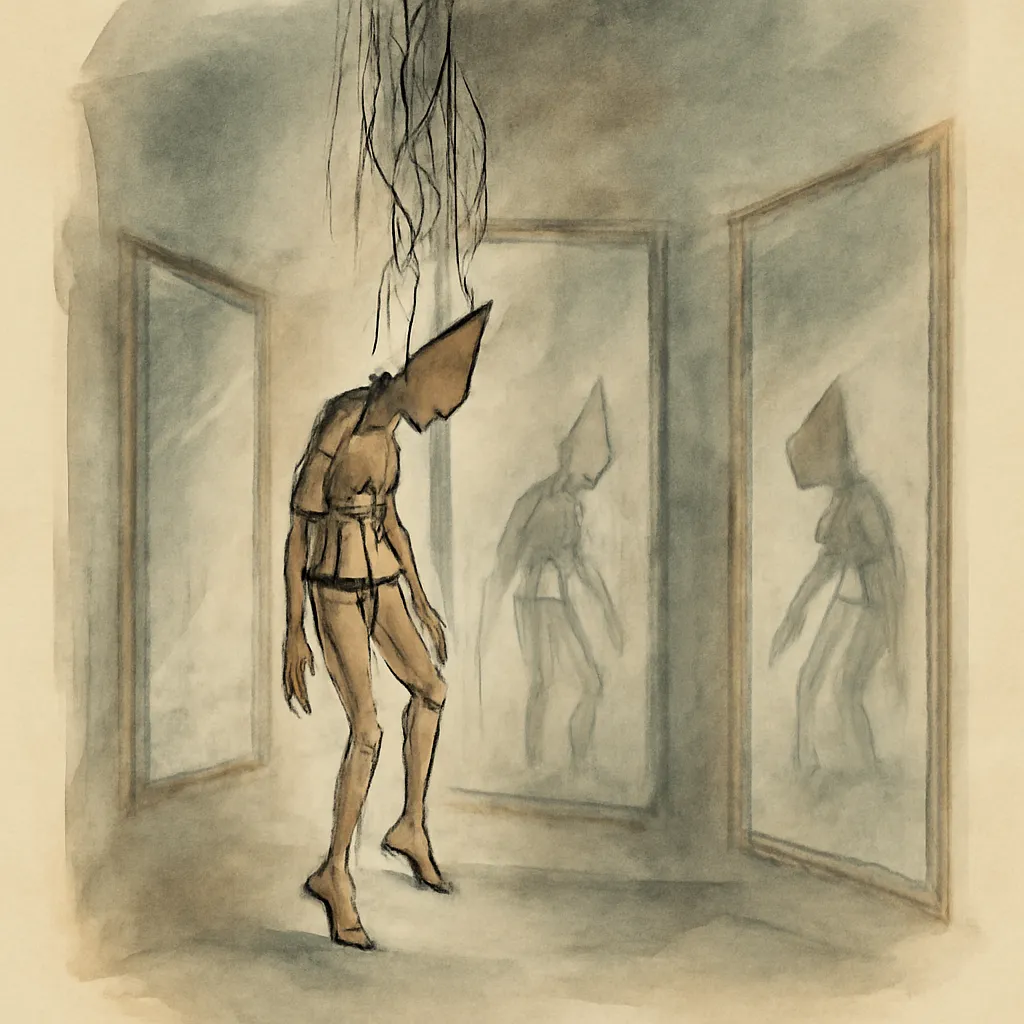
Vonnegut’s universe is one in which human actions are manipulated by forces beyond their control, most notably through the character of Winston Niles Rumfoord, who can see all of time and orchestrates events for his own purposes. The novel repeatedly questions whether humans have any true agency, or if their choices are merely the result of cosmic manipulation. This theme is both satirical and unsettling, forcing readers to confront the possibility that much of what we consider 'choice' is illusory.
2.The Search for Meaning
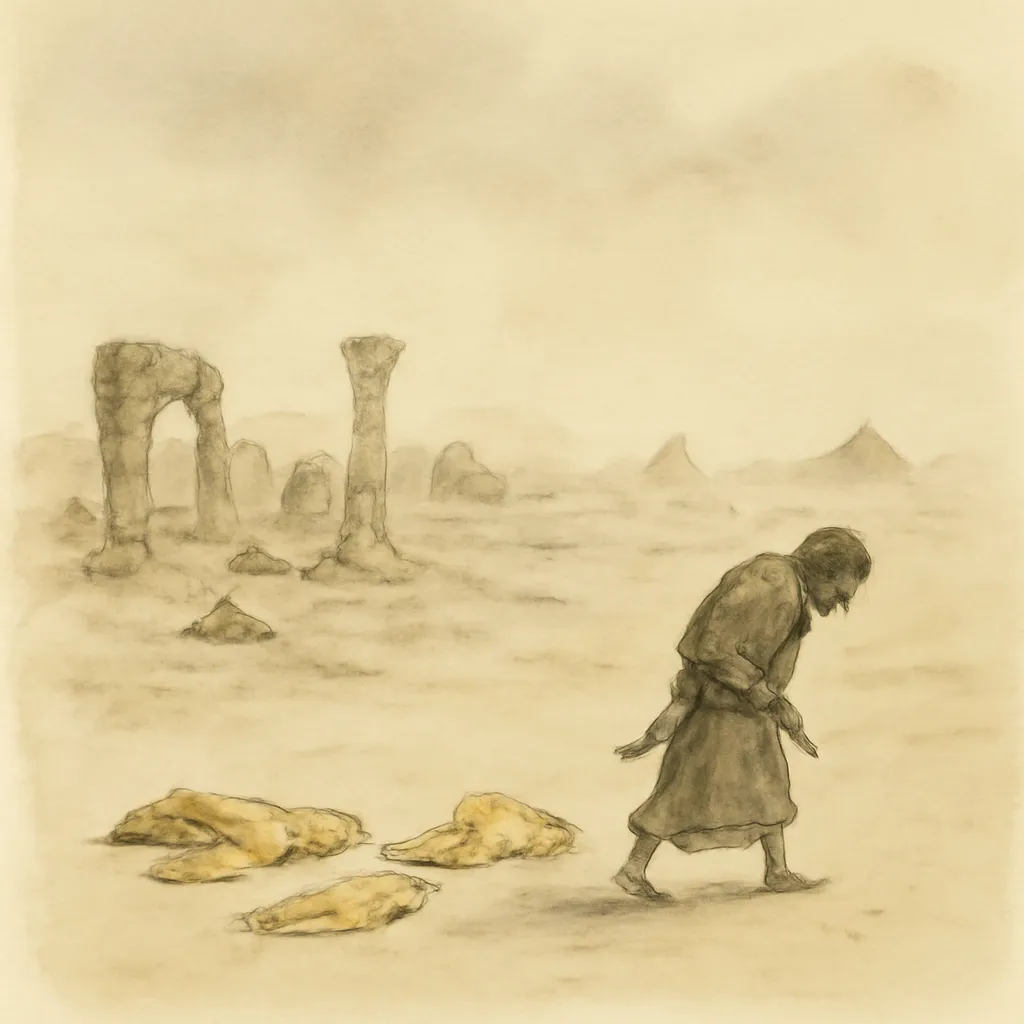
At its core, The Sirens of Titan is a quest for meaning in a seemingly indifferent universe. The protagonist, Malachi Constant, is swept along on an interplanetary odyssey that strips away his wealth, status, and identity. Through Constant’s journey, Vonnegut explores whether meaning is something imposed from above or created from within, ultimately suggesting that meaning may be found in simple acts of kindness and connection, even in a universe that appears random and purposeless.
3.Satire of Religion and Institutions
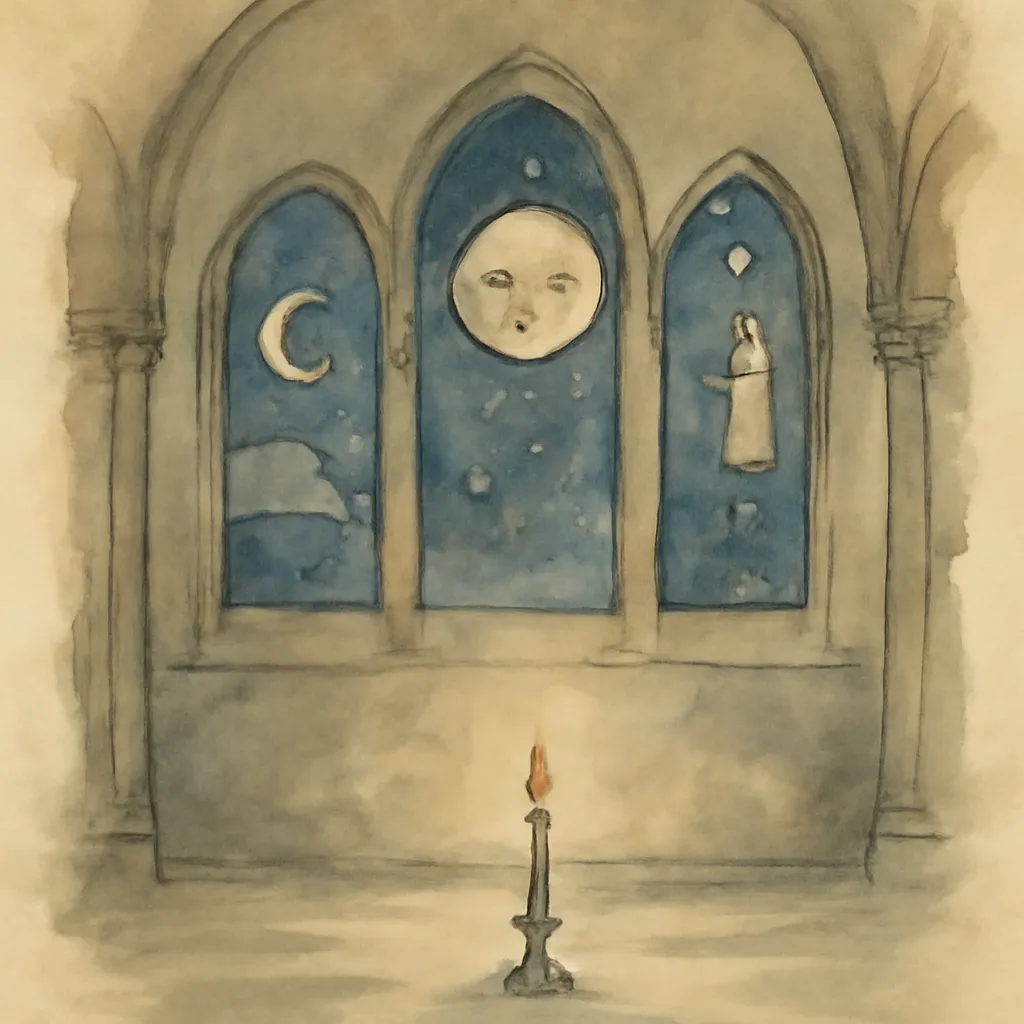
Vonnegut lampoons organized religion and social institutions, most notably through the creation of the Church of God the Utterly Indifferent. This fictional religion parodies the human tendency to seek comfort in grand narratives, even when those narratives are absurd or cruel. The novel critiques the ways in which institutions exploit existential uncertainty for control and profit, exposing the emptiness at the heart of many social structures.
4.Human Insignificance and Cosmic Perspective
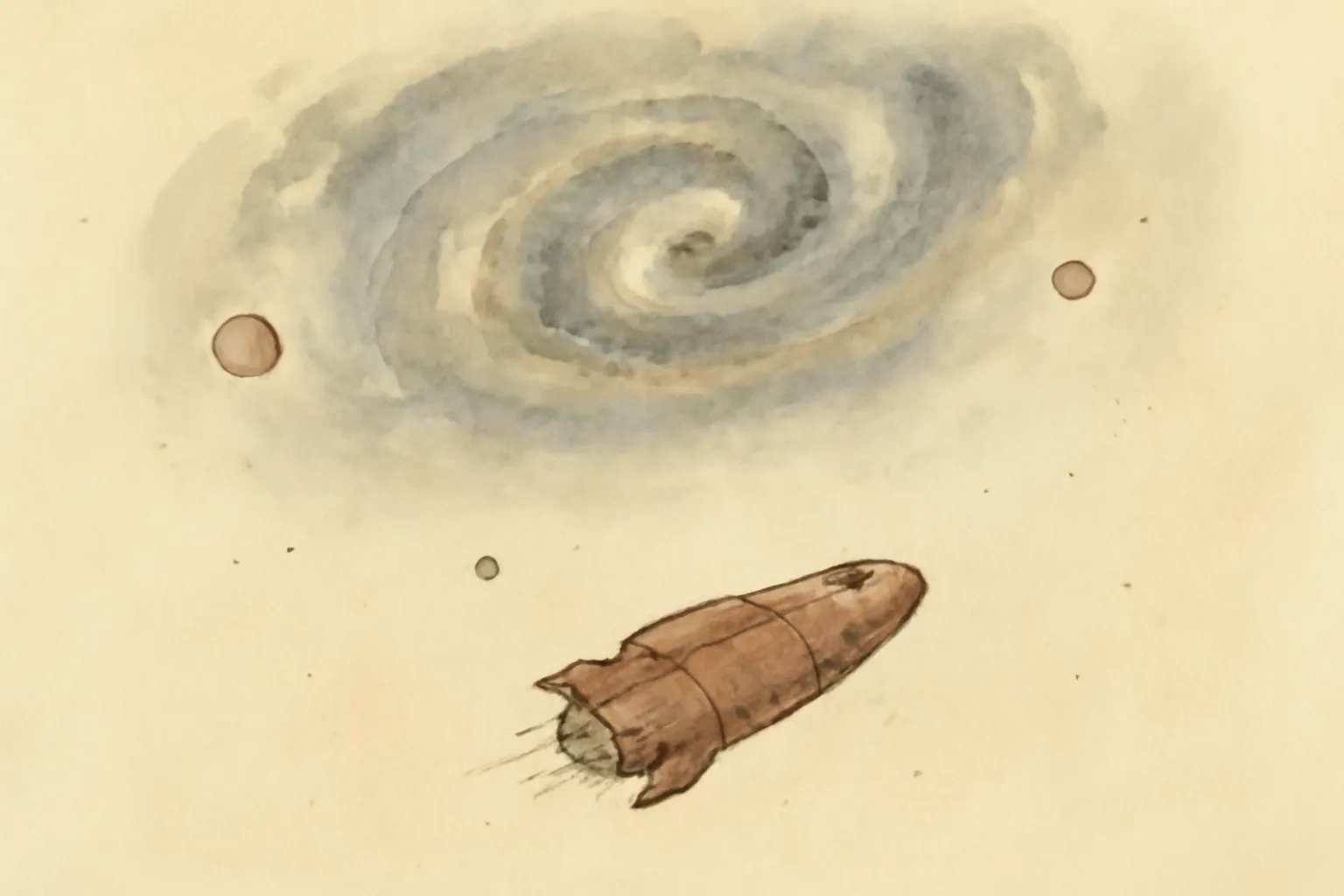
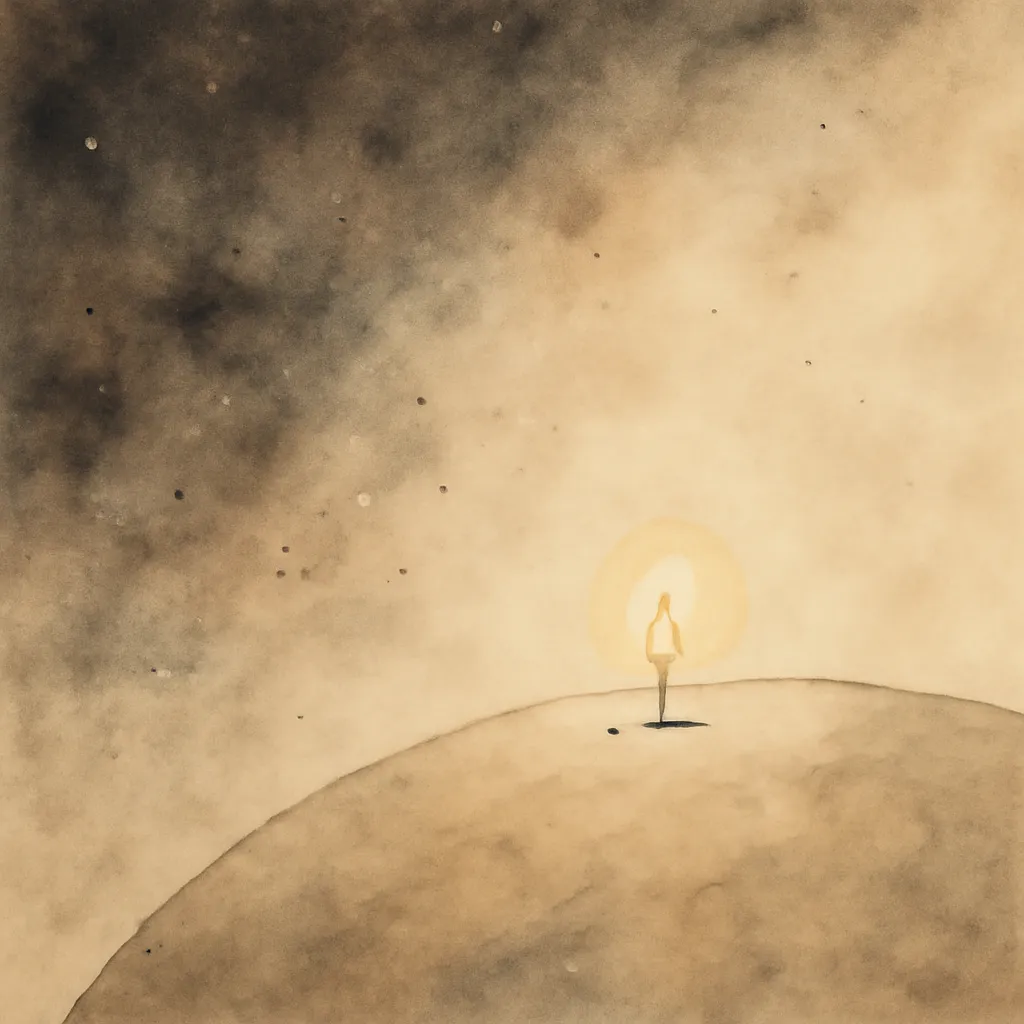
The novel continually reminds readers of humanity’s smallness in the vastness of the universe. The ultimate revelation—that all of human history has been manipulated to deliver a spare part to a stranded alien on Titan—serves as a cosmic punchline. Vonnegut uses this absurdity to highlight both the insignificance and the resilience of human beings, who persist in seeking meaning and dignity despite overwhelming evidence of their triviality.
5.Absurdity and Humor as Survival Tools
Vonnegut’s trademark humor permeates the novel, using absurdity to both entertain and provoke thought. The bizarre situations and deadpan narration invite readers to laugh at the futility of existence, but also to recognize humor as a coping mechanism in the face of life’s uncertainties. The novel suggests that embracing absurdity may be the most honest—and human—response to a chaotic universe.
6.The Value of Compassion
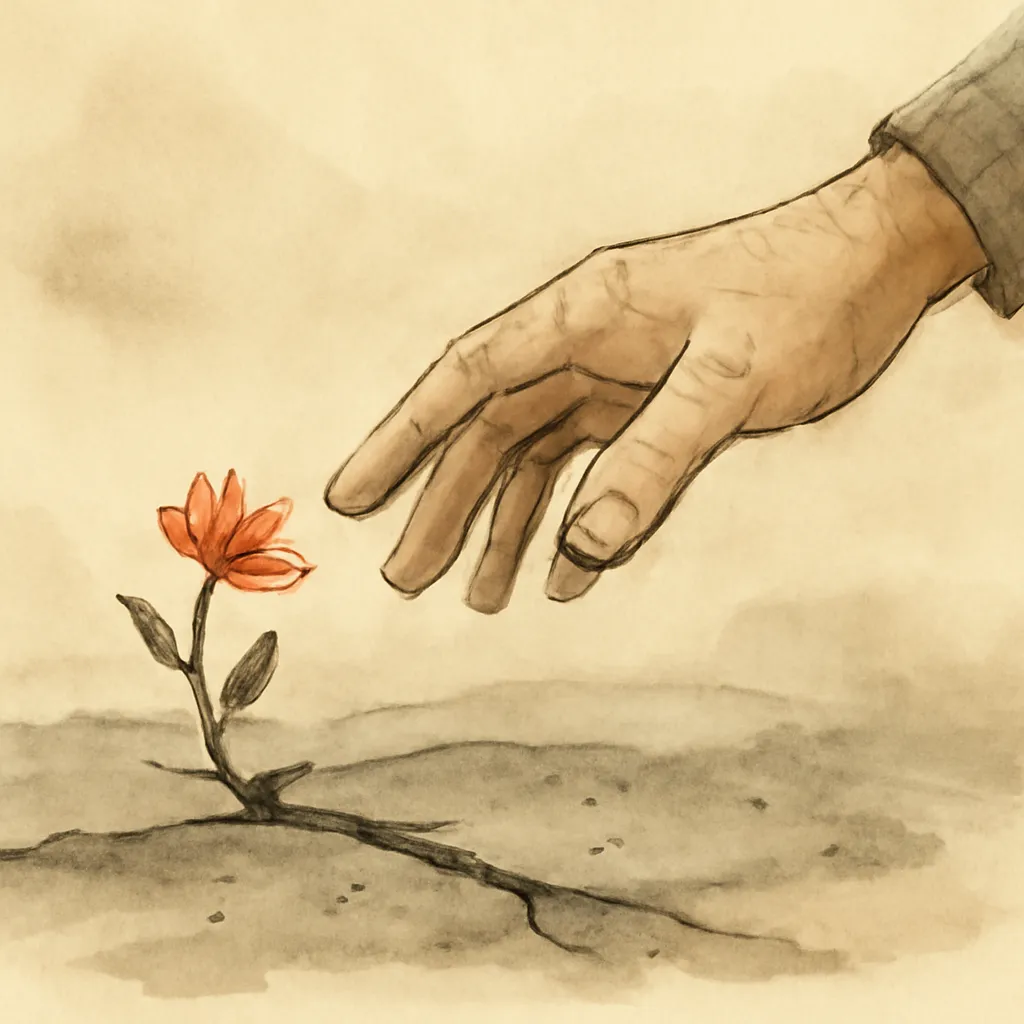
Despite its cynicism, The Sirens of Titan ultimately advocates for compassion. The characters’ suffering and the cosmic indifference they encounter highlight the importance of small acts of kindness. Vonnegut suggests that, while the universe may not care, humans can choose to care for one another, and that this choice gives life its only real meaning.