1.The Dales' Legacy and Class Structure
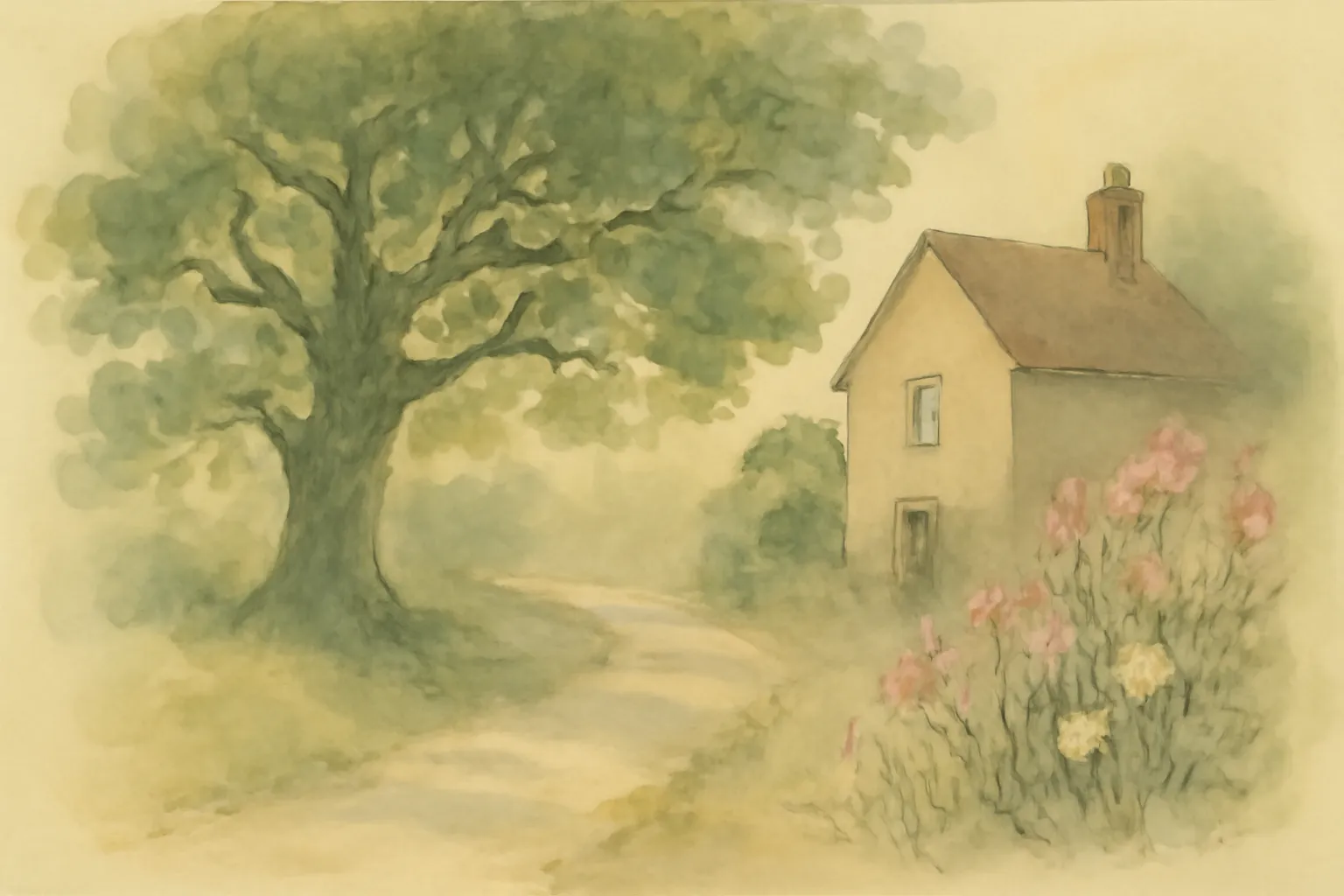
The Dales of Allington represent a long-standing tradition of English gentry, having held their estate for generations. The family lineage is characterized by a mix of pride and a lack of ambition, revealing the nuances of social status in Victorian England. Trollope illustrates how the Dales maintain their property and social standing through adherence to tradition rather than innovation. The contrast between the Great House and the Small House serves as a metaphor for the class distinctions that govern social interactions. The Dales' heritage is both a source of pride and a burden, as they grapple with the expectations that come with their status. This dynamic sets the stage for the novel's exploration of personal aspirations versus societal obligations, highlighting how familial legacy can shape individual destinies.
2.Lily and Bell: Two Sisters, Two Paths
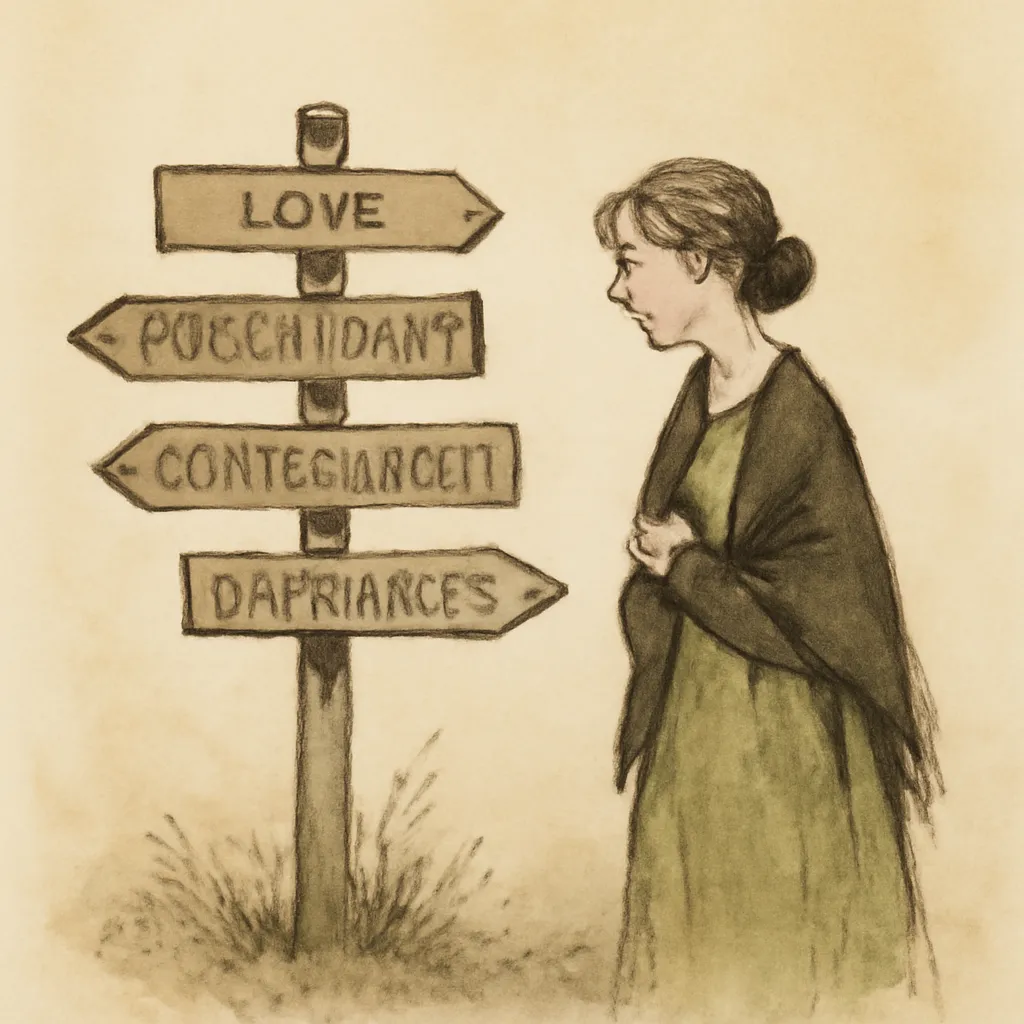
The contrasting personalities of Lily and Bell Dale encapsulate the struggles of women in a patriarchal society. Lily, the younger sister, is characterized by her romantic ideals and emotional depth, while Bell embodies practicality and a sense of duty. Their differing approaches to love and life illustrate the choices available to women of their class. Lily's infatuation with the ambitious Mr. Crosbie leads her into a complex web of social expectations and personal desires, while Bell's more measured approach ultimately positions her as a stabilizing force within their family. Through their experiences, Trollope critiques the limited agency afforded to women and highlights the societal pressures that dictate their choices. The sisters' relationship serves as a poignant exploration of female solidarity amidst competing desires, showcasing the ways in which women navigate a world that often seeks to confine them.
3.Mr. Crosbie: The Flawed Hero
Mr. Crosbie is introduced as a charming yet flawed figure, whose aspirations often conflict with his actions. Initially perceived as a suitable match for Lily, his character reveals the complexities of ambition and societal expectations. Crosbie's struggle between his desire for social advancement and his genuine feelings for Lily creates tension throughout the narrative. His eventual betrayal of Lily speaks to the theme of self-interest that permeates the novel, as he succumbs to the allure of higher social standing. This betrayal serves as a critical turning point, illustrating the harsh realities of love and the sacrifices individuals make for societal acceptance. Crosbie embodies the conflict between personal happiness and societal ambition, ultimately leading to his own disenchantment. His character illustrates how the pursuit of status can corrupt genuine affection, prompting readers to question the true motivations behind romantic relationships.
4.The Role of Family and Duty
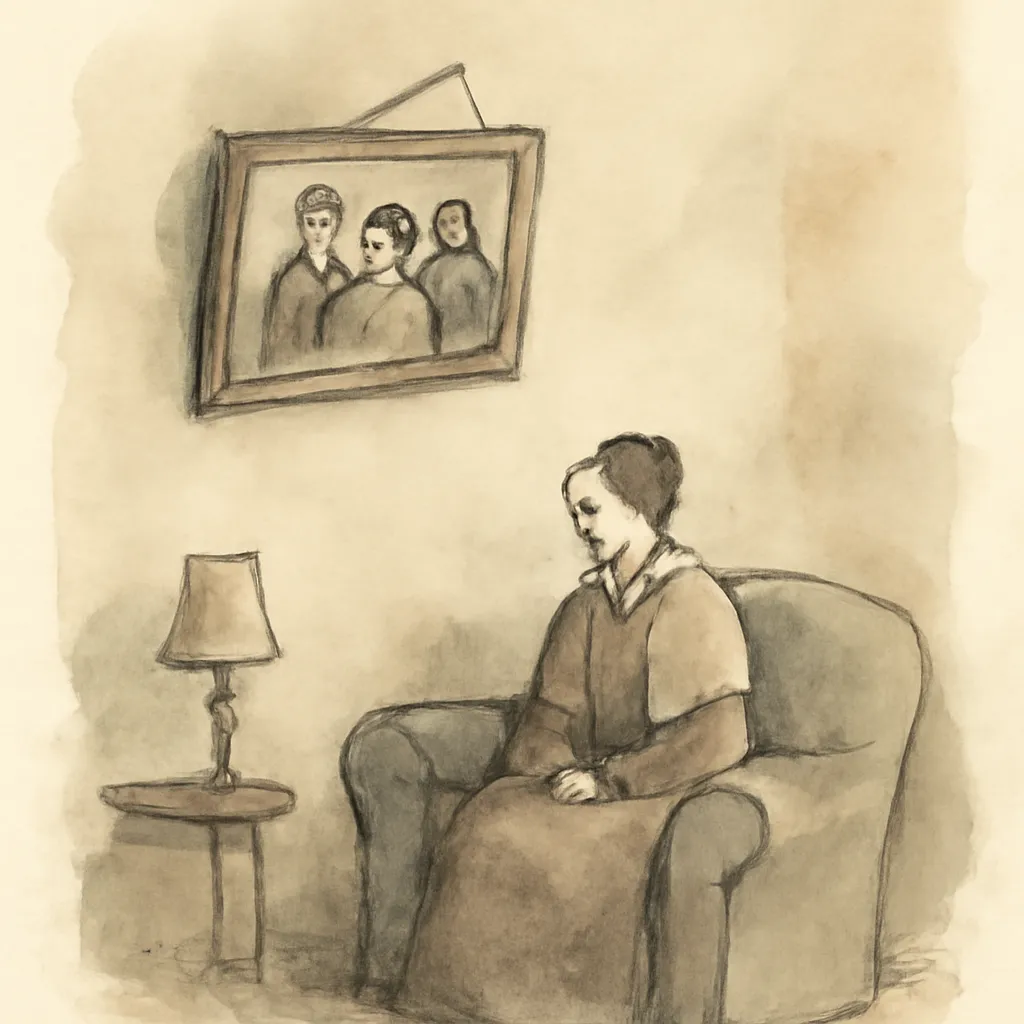
Family dynamics play a crucial role in shaping the characters' decisions and relationships in 'The Small House at Allington.' Mrs. Dale, as the widowed matriarch, embodies the duality of pride and humility, navigating her daughters' aspirations while maintaining family honor. Her insistence on duty often clashes with her daughters' desires, highlighting the tension between personal happiness and familial obligation. The novel showcases how family expectations can both support and constrain individual ambitions, particularly for women. Mrs. Dale's relationship with her daughters reflects the broader societal norms of the time, emphasizing the importance of marriage as a means of social security. Through these familial interactions, Trollope critiques the societal structures that dictate personal choices, showcasing the delicate balance mothers must maintain in encouraging their daughters while adhering to societal expectations.
5.Social Gatherings: A Microcosm of Society
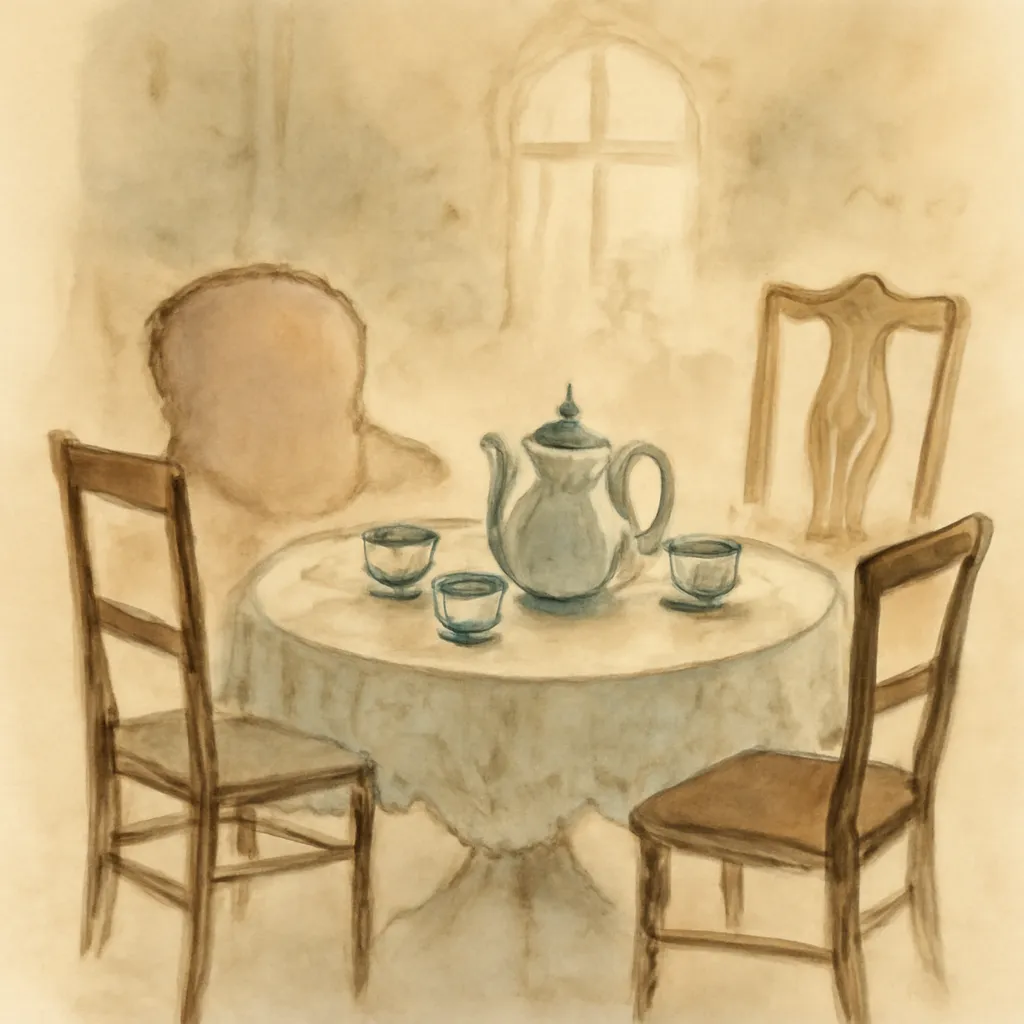
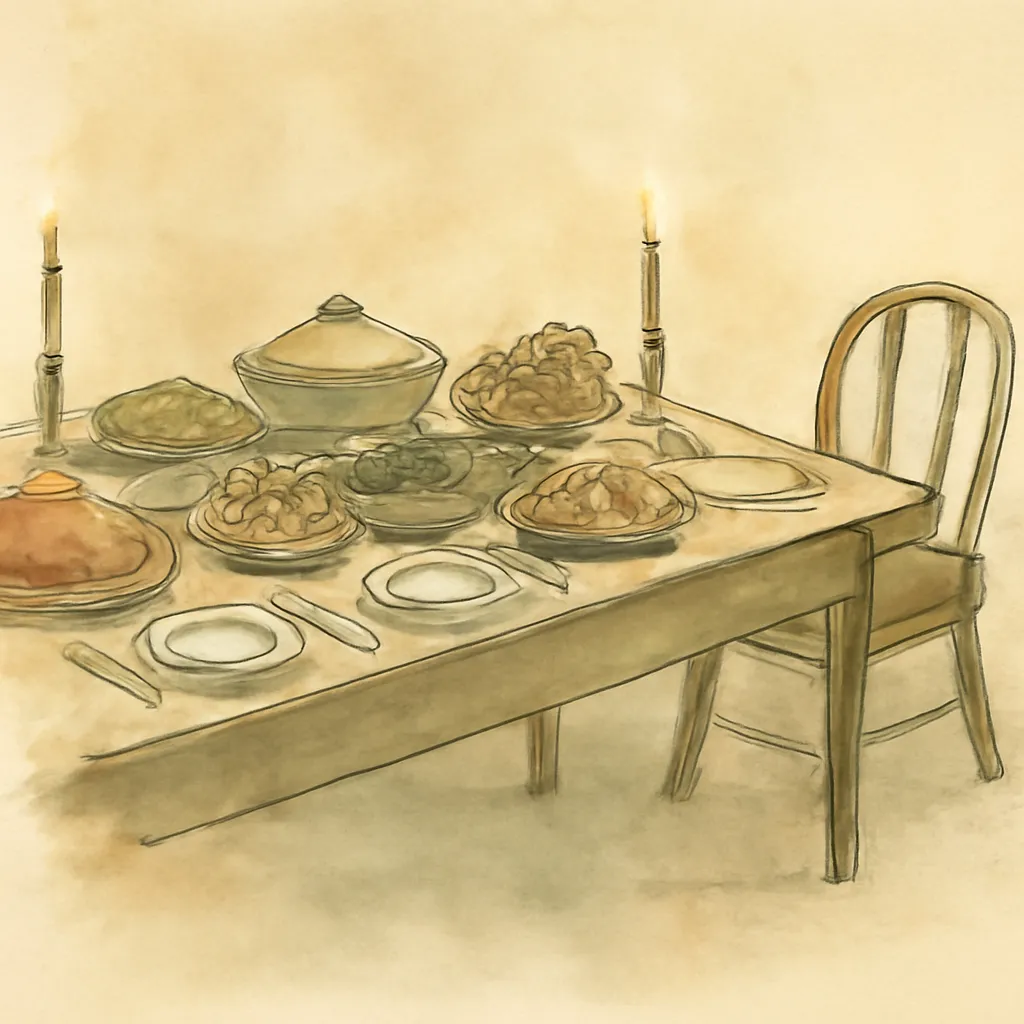
The social events depicted in the novel, particularly the tea party at the Small House, serve as microcosms of the larger societal dynamics at play. These gatherings reveal the intricate web of relationships and social hierarchies that govern the characters' lives. Trollope uses these interactions to explore themes of class, ambition, and the performative nature of socializing. The characters' behaviors during these events often reflect their true motivations and desires, providing insight into their personalities. The tea party, in particular, becomes a catalyst for pivotal moments in the narrative, illustrating how social contexts can influence personal decisions. Through these gatherings, Trollope critiques the superficiality of social interactions while highlighting their significance in shaping individual destinies. The interactions at these events also expose the fragile nature of social bonds, where misunderstandings can lead to significant rifts.
6.The Hobbledehoy: A Study of Character Development
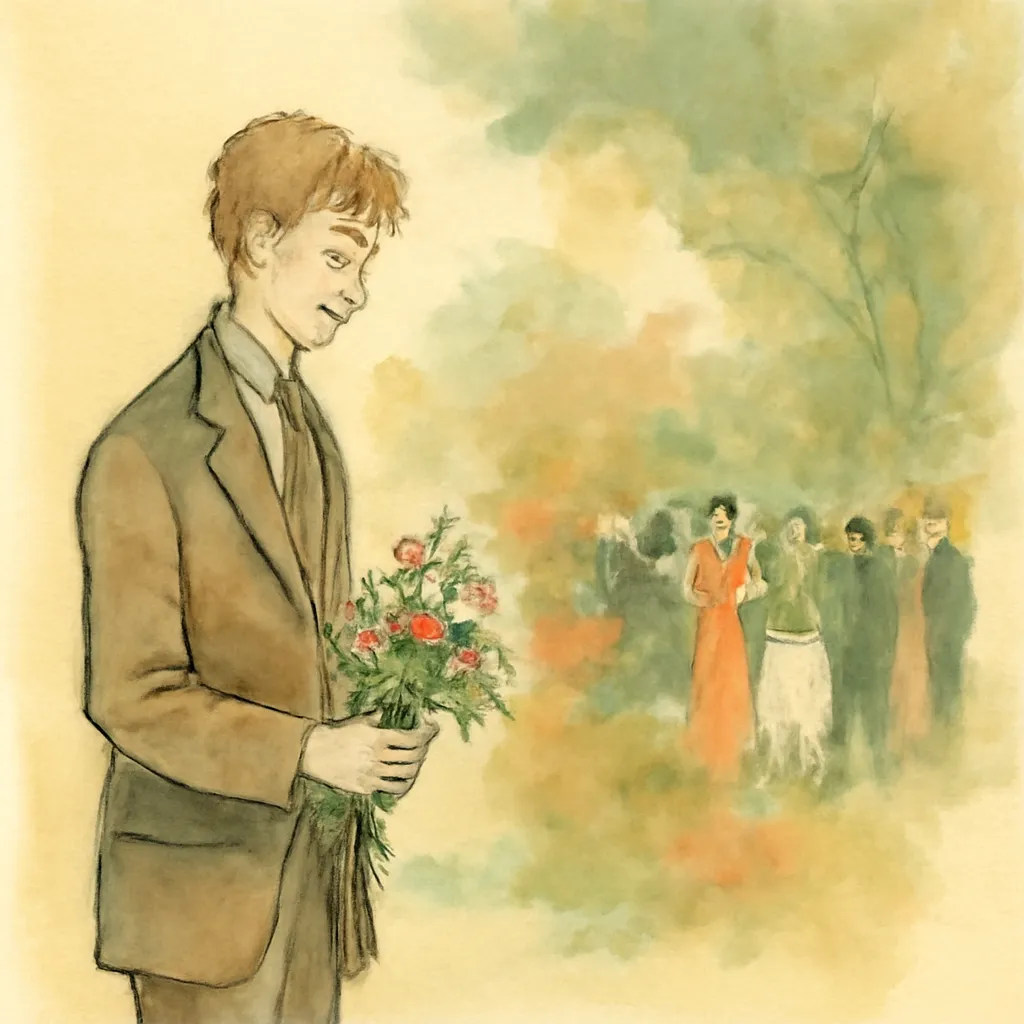
John Eames, the 'hobbledehoy' of the narrative, represents the awkwardness and uncertainty of youth. His character development throughout the novel reflects the struggles of young men in navigating romance and ambition. Initially portrayed as shy and insecure, Eames' journey reveals the complexities of love and the pressures of societal expectations. His unrequited love for Lily and subsequent interactions with other characters demonstrate the challenges faced by young men in asserting their identities. Eames' evolution from a passive observer to an active participant in the social dynamics of Allington showcases the transformative power of love and ambition. Trollope's portrayal of Eames serves as a commentary on the societal pressures that shape young men's experiences and aspirations. His growth throughout the novel illustrates the importance of perseverance and self-discovery in the pursuit of one's desires.
7.The Influence of Wealth and Class on Relationships
Trollope intricately weaves the theme of wealth and class into the relationships among characters, illustrating how financial status influences personal connections. The disparity between the Dales and the wealthier families highlights the tension between social classes. Crosbie's initial attraction to Lily is clouded by his desire for upward mobility, raising questions about the authenticity of his feelings. The novel critiques the notion that love can transcend class barriers, suggesting instead that societal expectations often dictate personal relationships. The characters' interactions reveal the complexities of navigating love in a world where wealth and status hold significant sway. Through this exploration, Trollope challenges the romantic ideal by exposing the harsh realities of social stratification. The juxtaposition of characters from different social strata provides insight into the motivations that drive their interactions.
8.The Impact of Betrayal and Regret

Betrayal emerges as a central theme in the narrative, particularly through Crosbie's actions and their repercussions for Lily. His abandonment of Lily not only devastates her but also leads to a profound sense of regret that permeates the story. Crosbie's realization of his mistake serves as a pivotal moment, illustrating the consequences of prioritizing ambition over genuine affection. Trollope uses this betrayal to explore the emotional complexities of love, highlighting how personal choices can lead to irrevocable changes in relationships. The theme of regret is further emphasized through the characters' reflections on their decisions, prompting readers to consider the weight of their actions. This exploration of betrayal serves as a poignant reminder of the fragility of human connections and the lasting impact of choices made in pursuit of social advancement. The emotional consequences of Crosbie's betrayal resonate throughout the narrative, affecting not only Lily but also the dynamics of the entire community.
9.The Pursuit of Happiness: A Central Motif
Throughout 'The Small House at Allington,' the pursuit of happiness acts as a driving force for the characters, shaping their decisions and relationships. Lily's quest for love and fulfillment underscores the novel's exploration of personal desires versus societal expectations. The narrative reveals the struggle to find genuine happiness amidst the constraints of class and family obligations. As characters navigate their relationships, the question of what constitutes true happiness becomes increasingly complex. Trollope suggests that happiness is often elusive, intertwined with the societal pressures that govern individual choices. This motif resonates throughout the story, prompting readers to reflect on their own pursuits of happiness and the sacrifices made along the way. The characters' journeys illustrate the tension between societal expectations and the personal fulfillment they seek, ultimately questioning the very nature of happiness.
10.The Power of Love and Forgiveness
Despite the challenges faced by the characters, love and forgiveness emerge as powerful themes that shape their journeys. Lily's capacity for love, even in the face of betrayal, highlights the resilience of the human spirit. Her willingness to forgive Crosbie exemplifies the complexities of love, where emotions can transcend disappointment and hurt. Trollope illustrates how love can act as a transformative force, enabling characters to grow and evolve. The theme of forgiveness is also present in the relationships among family members, emphasizing the importance of understanding and compassion. Through these themes, Trollope suggests that love and forgiveness are essential for healing and personal growth, ultimately reinforcing the novel's message about the enduring power of human connection. The ability of characters to forgive one another speaks to the broader human experience, emphasizing the importance of empathy in navigating relationships.