1.Esperance's Heroic Journey
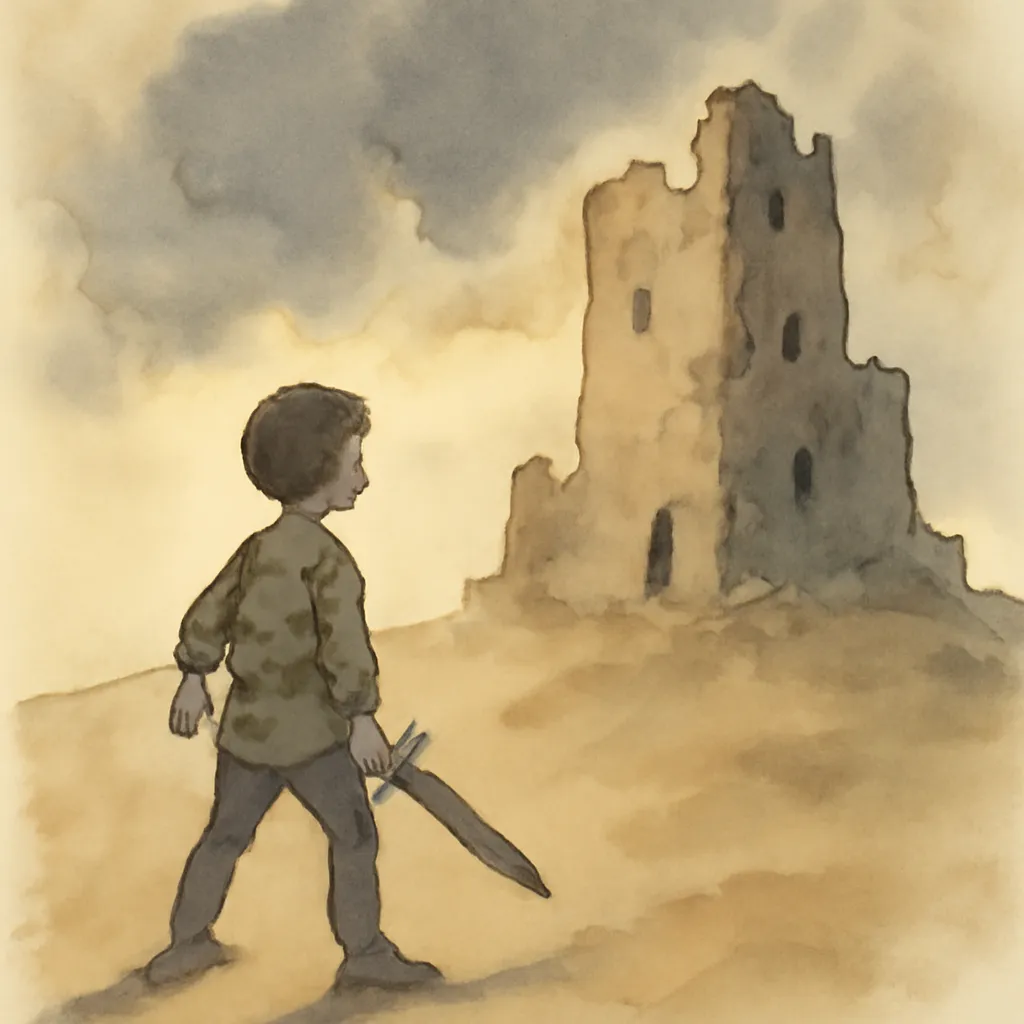
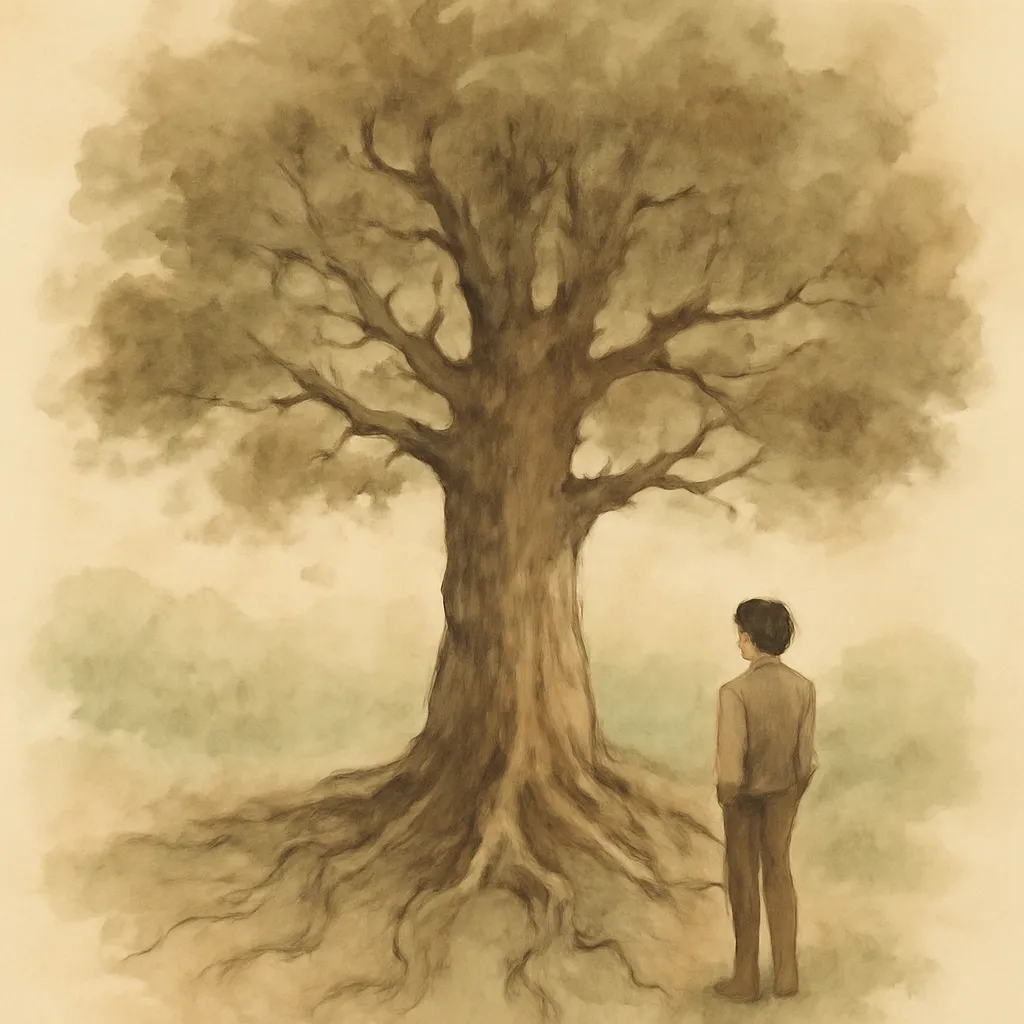
The novel centers around Esperance, the son of the Count of Monte-Cristo, who embodies the same indomitable spirit and courage as his father. From his early years, Esperance is portrayed as a boy with a deep sense of justice and an unwavering commitment to his loved ones. His journey is marked by astounding adventures, including a harrowing abduction by the Khouans, a group of ruthless desert bandits. This event serves as a catalyst for Esperance's transformation from a sheltered boy into a heroic figure who must confront danger and adversity head-on. His tenacity and bravery shine through as he fights to rescue himself and those he loves, demonstrating that the legacy of the Count of Monte-Cristo lives on in his son. The reader witnesses Esperance grappling with the weight of his father's reputation while forging his own path filled with trials and tribulations.
2.The Power of Love
At the heart of Esperance's journey lies his profound love for Jane Zeld, a relationship that is tender yet fraught with challenges. Their love story is depicted with great emotional depth, showcasing the sacrifices they are willing to make for one another. Jane, who herself endures hardships, becomes a symbol of hope and resilience for Esperance. Their bond is tested by the forces that threaten to tear them apart, including societal expectations and the dangers of the world around them. Through their relationship, the novel explores themes of loyalty, trust, and the lengths to which one will go to protect a loved one. Esperance's devotion to Jane not only drives his actions but also serves as a reflection of the ideals of love, sacrifice, and the pursuit of happiness amidst chaos. The reader is invited to witness the beauty and challenges of their romance as they navigate through perilous circumstances.
3.Adventure in the Algerian Desert
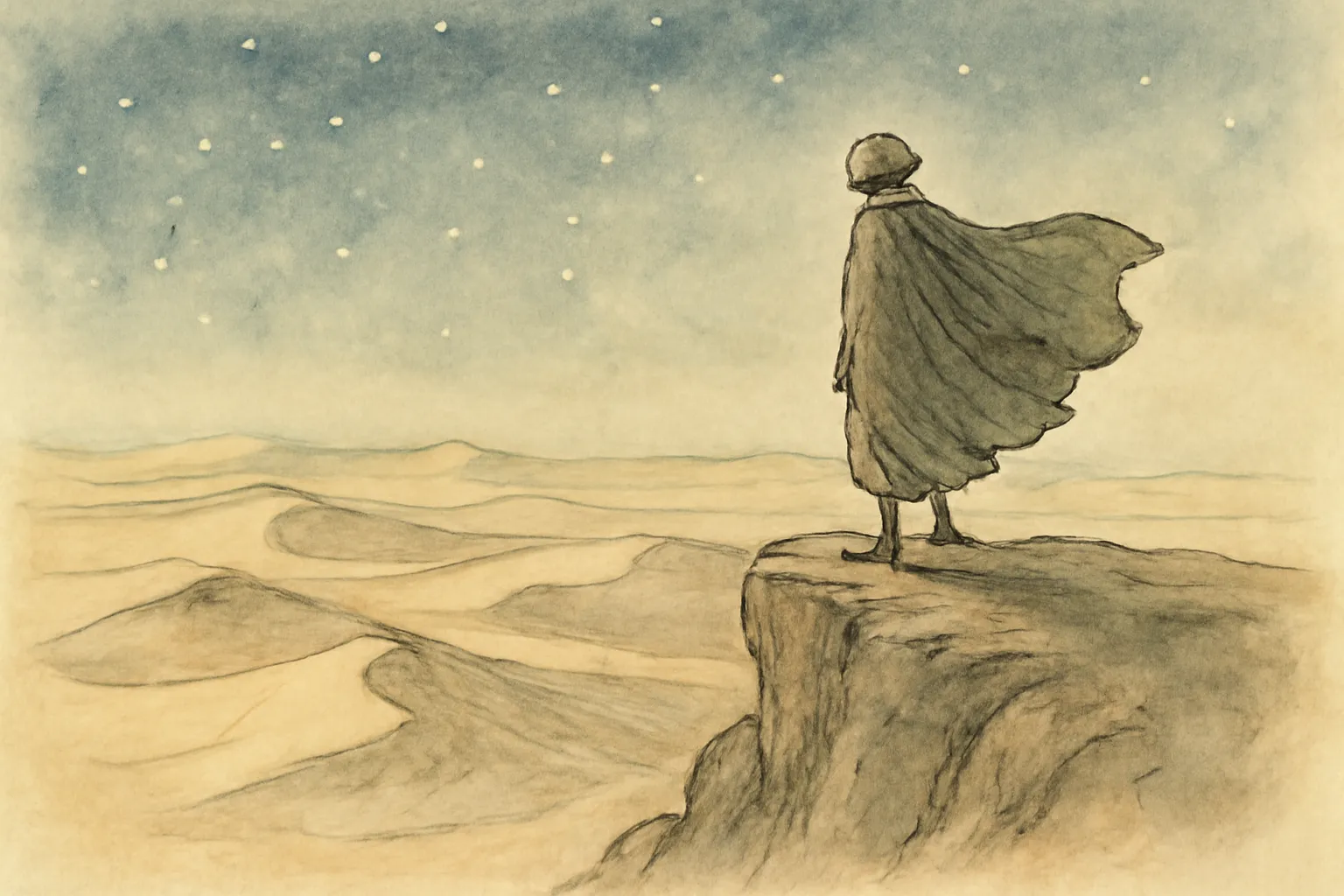
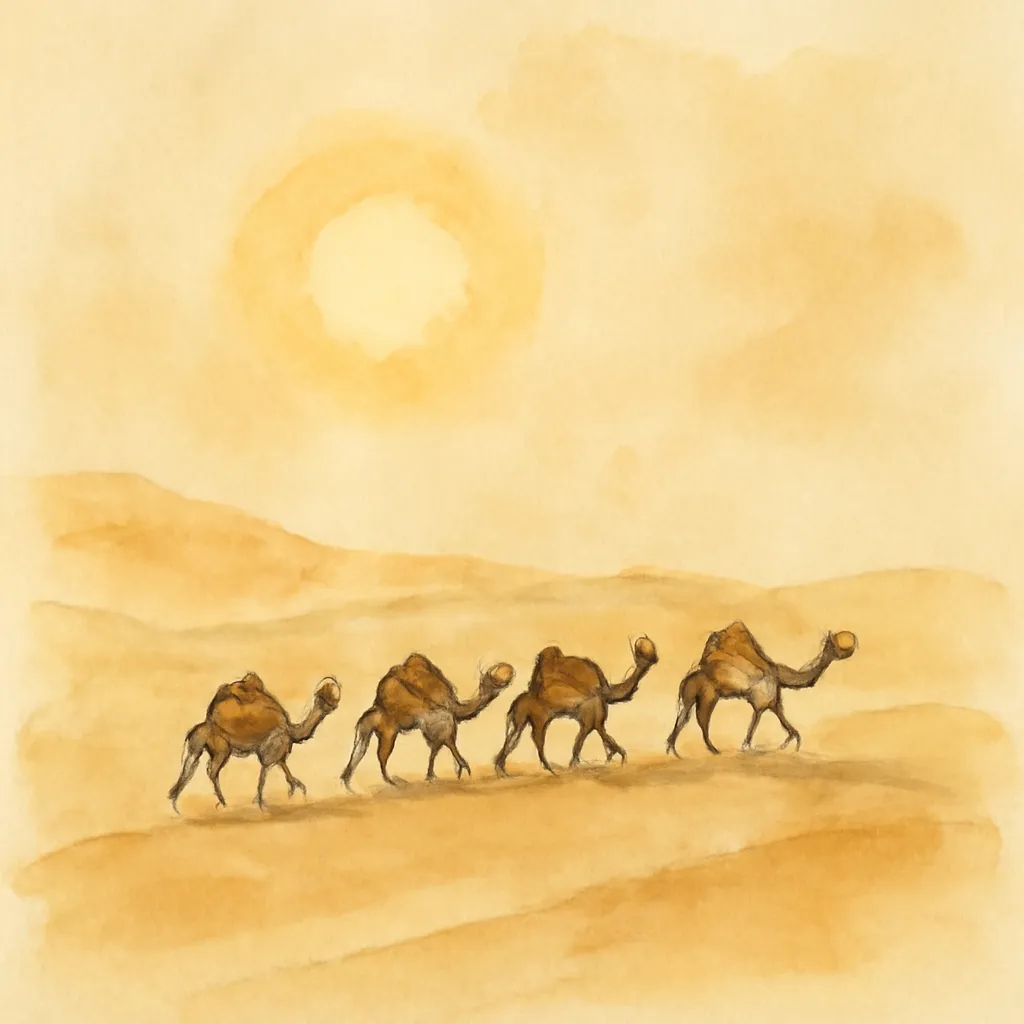
The vivid setting of Algeria plays a crucial role in the narrative, providing a backdrop that is both exotic and perilous. The rich landscapes, from the lush oases to the harsh desert, are described in vivid detail, immersing the reader in the atmosphere of adventure. Esperance's abduction by Maldar and the Khouans leads him into the heart of the desert, where he must rely on his instincts and courage to survive. The scenes of struggle and conflict are not just action-packed; they also highlight the stark contrasts between civilization and the untamed wilderness. Esperance's encounters with various characters, including the formidable Sultan, add layers of complexity to the story, showcasing the diverse cultures and conflicts present in the region. The desert becomes a character in its own right, shaping the journey of Esperance and challenging him at every turn, thus enhancing the narrative's excitement and tension.
4.Haydée's Resilience
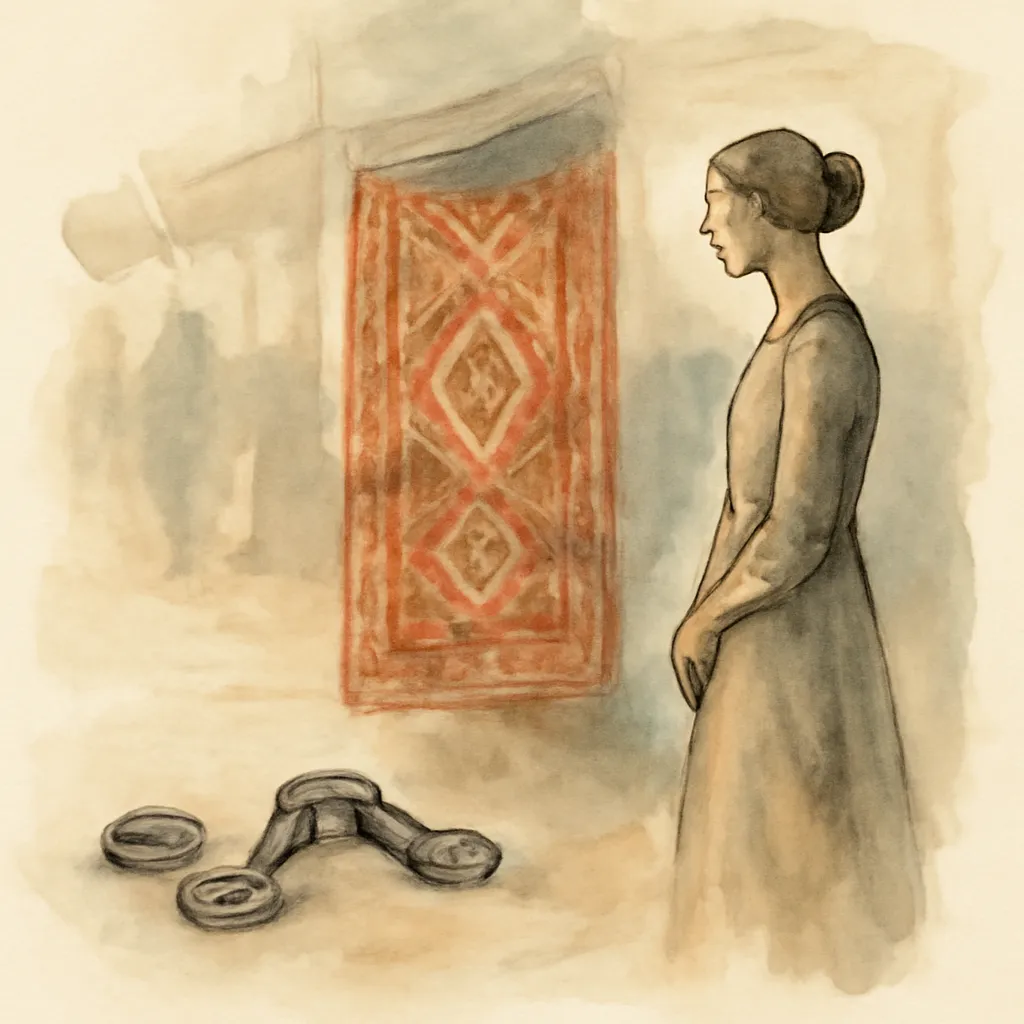
Haydée, the wife of Monte-Cristo, is introduced as a character with her own compelling backstory, adding depth to the narrative. Her experiences in the slave market at Constantinople are both harrowing and inspiring, reflecting her strength and resilience in the face of adversity. Haydée's journey from captivity to freedom parallels that of Esperance, creating a thematic link between the two characters. Her love for Monte-Cristo and her determination to support him and their son reveal her as a figure of unwavering loyalty and courage. The novel highlights her struggle against the societal constraints placed upon her as a woman, and her character serves as a powerful example of perseverance and empowerment. Through Haydée, the story emphasizes the importance of female strength and the pivotal roles women play in the lives of the male protagonists, challenging traditional narratives of the time.
5.The Count of Monte-Cristo's Legacy
The presence of the Count of Monte-Cristo looms large throughout the novel, as Esperance grapples with the legacy of his father. Monte-Cristo's past actions and moral compass influence Esperance's decisions and shape his understanding of justice and revenge. The narrative delves into the complexities of Monte-Cristo’s character, illustrating how his experiences have forged a path for his son. While Esperance admires his father, he also seeks to carve out his own identity, which leads to moments of conflict and self-discovery. The theme of legacy is woven throughout the story, prompting readers to reflect on the impact of familial ties and the expectations that come with them. The interplay between father and son underscores the eternal struggle between inherited traits and individual choices, enriching the narrative's emotional landscape.
6.Themes of Revenge and Justice
Revenge and justice are central themes that resonate throughout the novel, echoing the moral dilemmas faced by the characters. Esperance's journey is not merely one of adventure; it is also a quest for justice for those wronged. The novel explores the consequences of vengeance, both for the avenger and the wronged, prompting readers to consider the ethical implications of such actions. As Esperance encounters various adversaries, including Maldar, the narrative raises questions about the nature of justice in a world filled with betrayal and treachery. The characters are often faced with choices that force them to confront their values and the repercussions of their decisions. This exploration of revenge and justice adds a layer of complexity to the story, engaging readers in a deeper dialogue about morality and the human condition.
7.Friendship and Loyalty
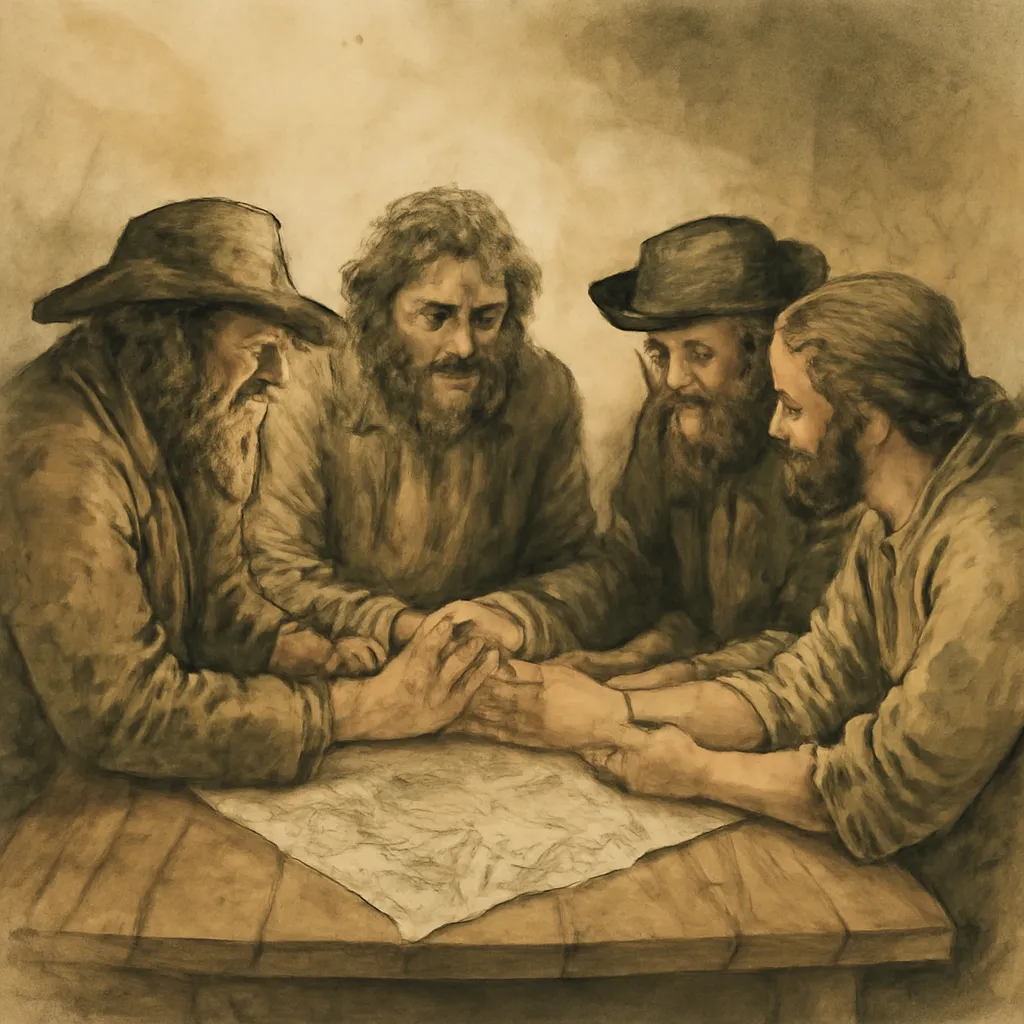
The bonds of friendship and loyalty are depicted as powerful forces that drive the characters' actions. Throughout the novel, Esperance relies on the support of his friends and allies, showcasing the importance of camaraderie in overcoming challenges. Characters such as Fanfar and Captain Joliette embody the ideals of loyalty, standing by Esperance in his darkest moments. Their unwavering support highlights the significance of trust and solidarity in the face of adversity. The friendships formed in the narrative serve as a counterbalance to the themes of betrayal and conflict, reminding readers of the strength found in companionship. Through these relationships, the novel emphasizes that true heroism is often bolstered by the loyalty of others, creating a rich tapestry of human connection that enhances the story's emotional depth.
8.Cultural Encounters and Conflicts
The novel intricately weaves cultural encounters and conflicts into its narrative, reflecting the diverse backdrop of the Mediterranean world. As Esperance interacts with characters from different backgrounds, including the Khouans and the Sultan, the reader is exposed to the complexities of cultural identity and the tensions that arise from misunderstandings. The portrayal of these interactions sheds light on the historical context of colonialism and cultural exchange, enriching the story with layers of social commentary. The conflicts between the French characters and their Algerian counterparts serve as a microcosm of larger societal issues, prompting readers to reflect on themes of power, identity, and the consequences of cultural imperialism. Through these encounters, the novel becomes a commentary on the interconnectedness of human experiences, transcending geographical and cultural boundaries.
9.The Role of Fate and Destiny
Fate and destiny play significant roles in shaping the characters' lives throughout the narrative. The novel often presents moments where characters confront their seemingly predetermined paths, raising questions about free will and the nature of destiny. Esperance’s journey is marked by serendipitous encounters and unforeseen challenges that seem to guide him toward his ultimate purpose. The interplay between chance and choice highlights the tension between characters’ desires and the forces that shape their realities. As the story unfolds, readers are invited to ponder the extent to which individuals can alter their fates, and how much is beyond their control. This theme adds a philosophical dimension to the narrative, inviting deeper reflection on the nature of life and the human experience.
10.The Quest for Identity
Throughout 'The Son of Monte-Cristo,' characters grapple with their identities and the legacies they inherit. Esperance's struggle to define himself apart from his father's shadow is a central conflict, as he seeks to establish his own identity amidst the expectations placed upon him. The narrative explores how familial ties, societal roles, and personal experiences shape one's sense of self. Characters such as Haydée and Jane Zeld also navigate their identities in a world that often seeks to define them by their relationships to men. The quest for identity becomes a powerful theme, resonating with readers as they witness the characters' journeys of self-discovery and acceptance. This exploration of identity enriches the narrative, making it a universal tale of the human experience.