1.The Geographic Canvas: Russia's Influence
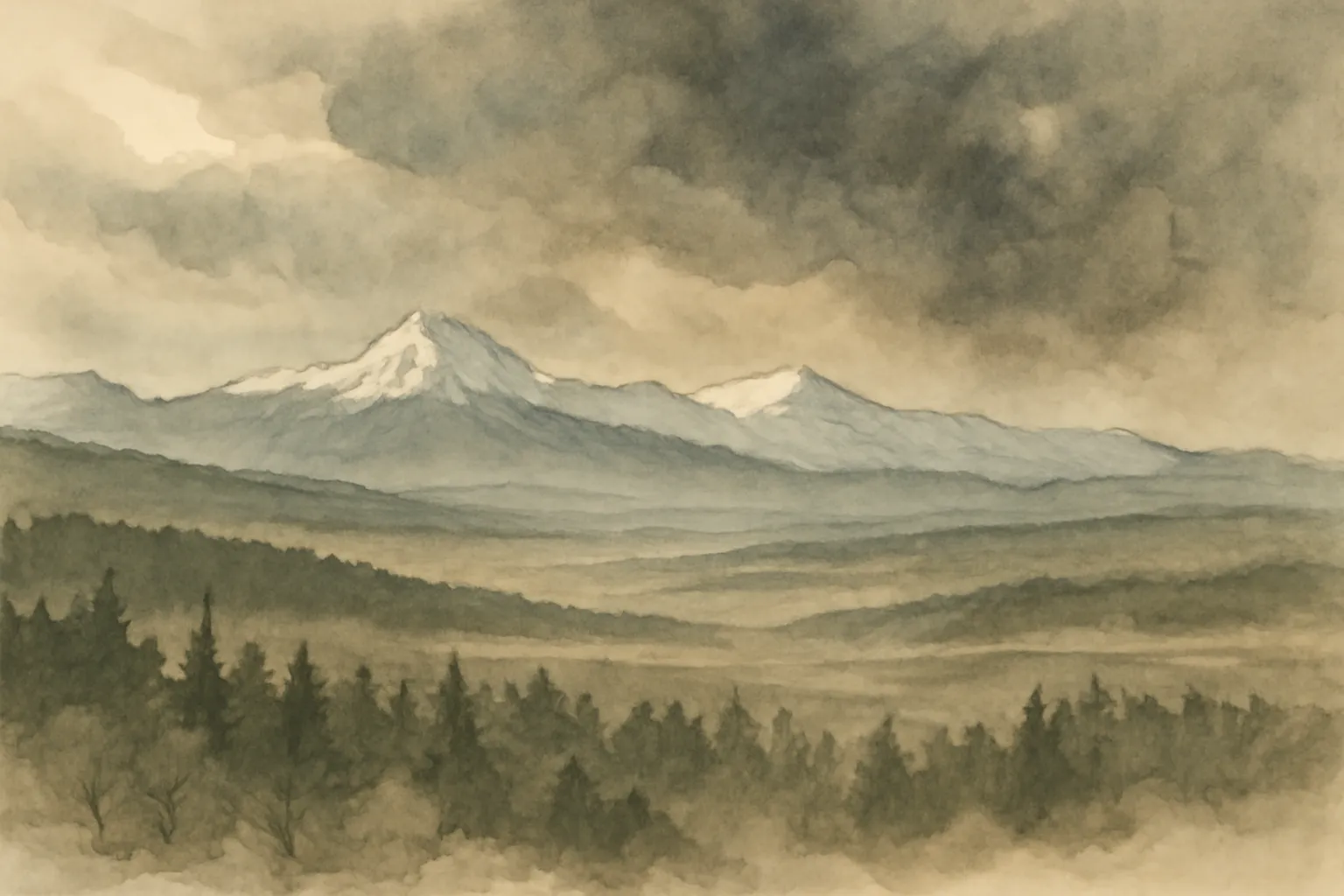
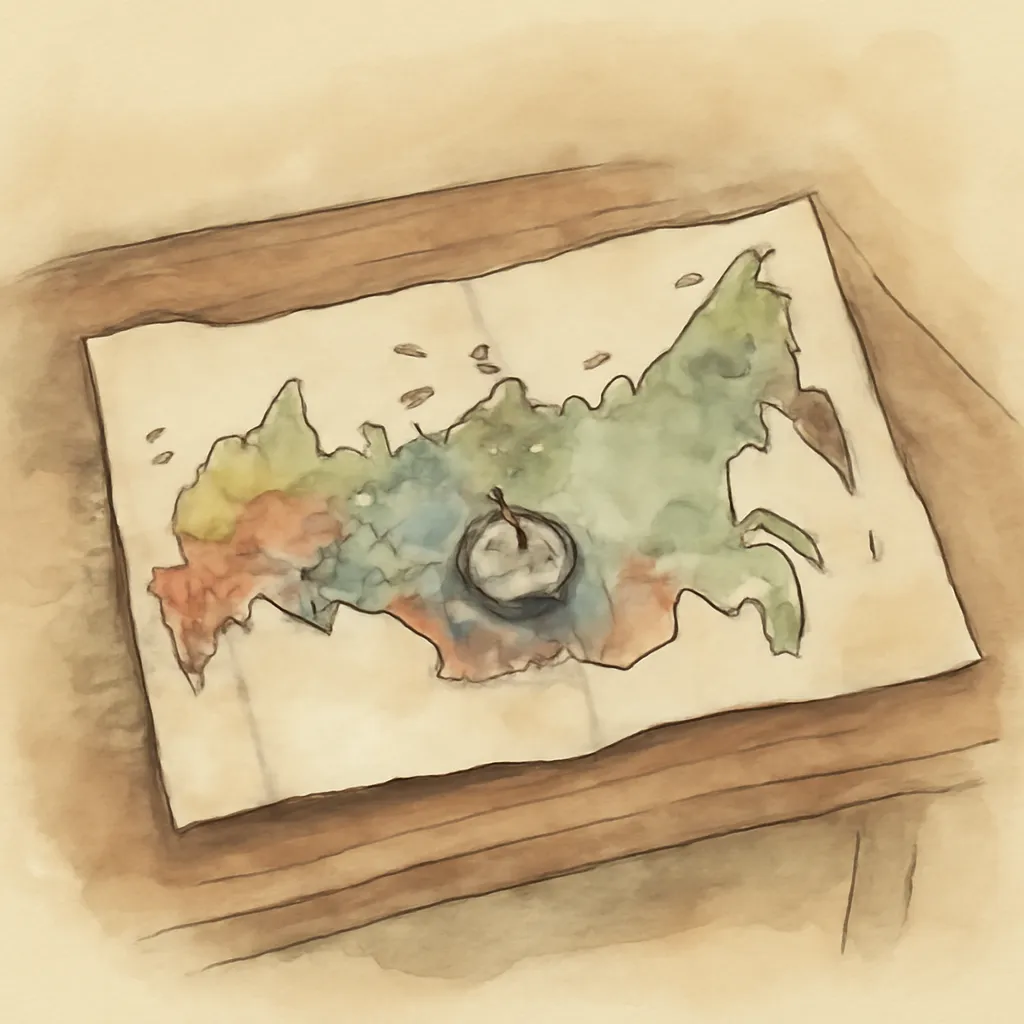
Russia's expansive geography is a defining element that has shaped its historical narrative. Covering territories that span Europe and Asia, Russia's vast landscapes include dense forests, sprawling plains, and formidable mountains, presenting both opportunities and challenges for governance and unity. This geographic diversity has resulted in a multitude of regional cultures and identities, each with its own historical significance. The country's size has often fostered a sense of pride among its citizens, yet it has also led to social and political fragmentation. Understanding Russia's geography is crucial for grasping the historical events that unfolded within its borders and the aspirations that continue to drive its political ambitions on the world stage.
2.Pagan Roots: The Spiritual World of Early Slavs
The early Slavic peoples practiced a polytheistic religion that revolved around nature and its phenomena, reflecting a profound interconnectedness with the land. Deities like Dagh Bog, the sun god, and Perun, the god of thunder, were central to their worship, showcasing a spirituality deeply embedded in agricultural cycles and natural elements. Unlike established religions with formal structures, the Slavs worshipped collectively, often within their communities. This connection to nature was not just spiritual but also social, as communal landownership in mirs reflected a cooperative agricultural lifestyle. The absence of organized religion fostered a sense of egalitarianism among the Slavs, which laid the groundwork for the social structures that would evolve as Russia transitioned into a more centralized state. These cultural roots would profoundly influence the development of Russian identity as the country moved towards Christianity.
3.Vladimir's Conversion: A Cultural Shift
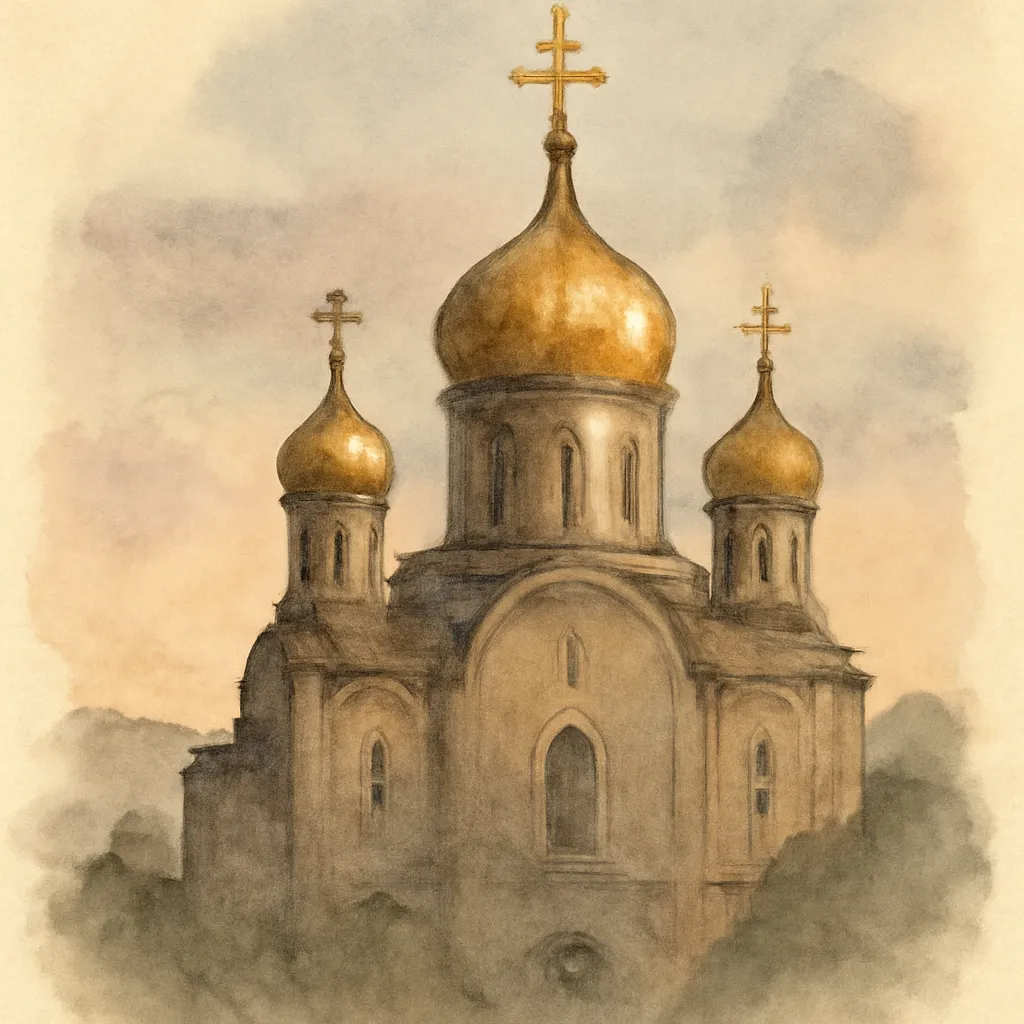
Prince Vladimir's conversion to Christianity in the late 10th century marked a watershed moment in Russian history, significantly altering the cultural and religious landscape. Initially devoted to pagan gods, Vladimir's quest for the 'best' religion led him to explore various faiths, including Islam and Judaism, before choosing the Greek Orthodox Church. This decision catalyzed a broader cultural transformation in Russia, aligning it with the Byzantine Empire and facilitating the exchange of art, philosophy, and governance. His baptism was not merely a personal choice but a strategic move that consolidated his power and legitimized his rule among his subjects. This transition also involved the destruction of pagan idols, a move met with resistance from the populace, illustrating the challenges of religious conversion. Vladimir’s actions laid the foundation for the integration of Christianity into the very fabric of Russian identity, which would resonate through centuries of history.
4.Autocracy's Foundations: Ivan III and IV
The rise of autocratic rule in Russia can be traced through the reigns of Ivan III (Ivan the Great) and Ivan IV (Ivan the Terrible), both pivotal figures who shaped the political landscape. Ivan III successfully liberated Russia from Mongol dominance, centralizing power in Moscow and expanding its territory. His reign established the principles of autocracy, diminishing the power of the boyards (nobility) and promoting state authority. Following in his footsteps, Ivan IV's reign was marked by both expansion and terror. Known as Ivan the Terrible, his pursuit of absolute power led to the creation of the Oprichnina, a state-sponsored terror that targeted perceived enemies, including the nobility. This duality of Ivan IV's legacy—his military conquests coupled with repression—highlights the inherent tensions within autocratic governance. The establishment of autocracy set the stage for future conflicts between the state and society, revealing the complexities of power dynamics in Russian history.
5.Catherine the Great: The Enlightened Despot
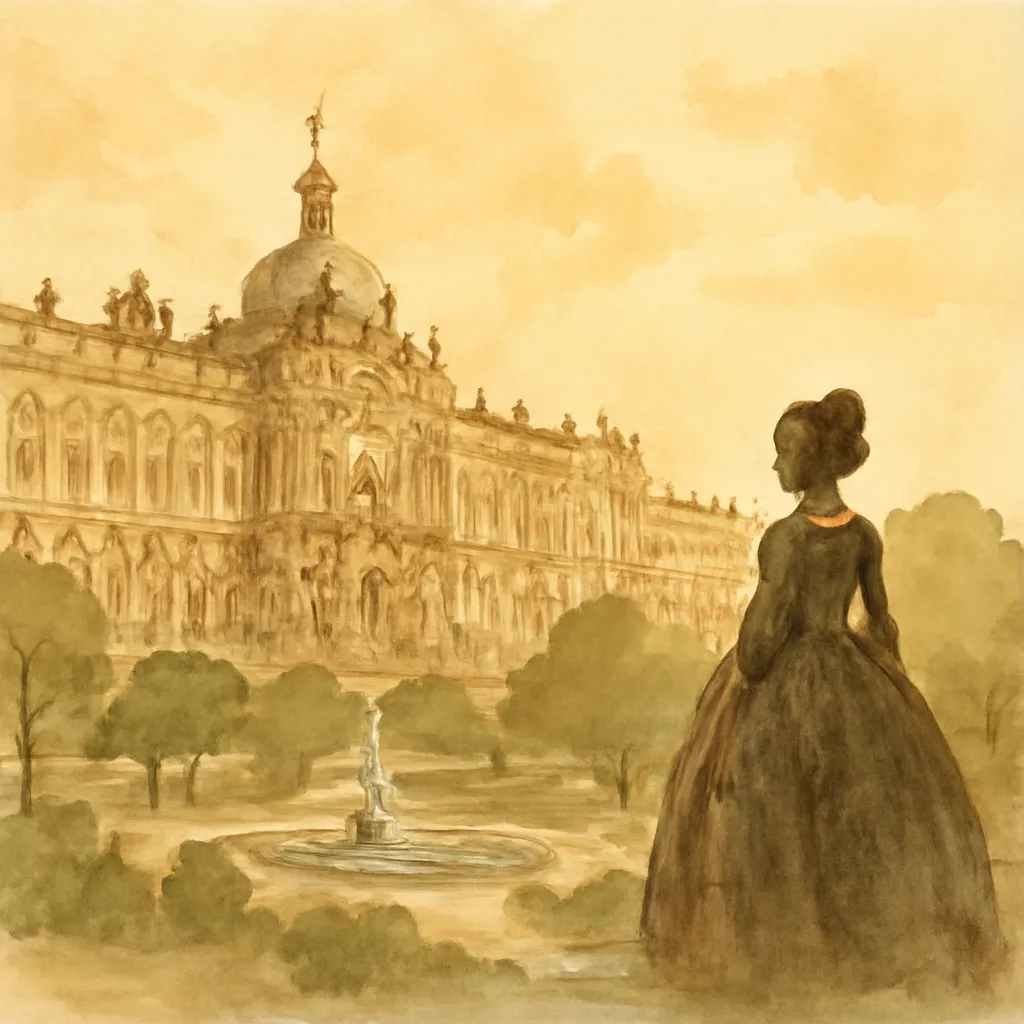
Catherine II, or Catherine the Great, is often viewed as a prominent figure of enlightened despotism, merging progressive reforms with absolute rule. Her reign, which lasted from 1762 to 1796, was characterized by a fervent desire to modernize Russia, drawing inspiration from Western European philosophies. Catherine's expansionist policies led to significant territorial gains, particularly in the Black Sea region and Poland, enhancing Russia's status as a European power. However, her reforms often favored the nobility, perpetuating social inequalities and neglecting the plight of the serfs. The contradictions of her rule highlight the complexities of attempting to modernize a vast empire while maintaining traditional power structures. Catherine's legacy is not merely one of territorial expansion but also reflects the challenges of implementing meaningful reforms in a system resistant to change, setting the stage for future revolutionary movements.
6.War as a Catalyst: Shaping National Identity
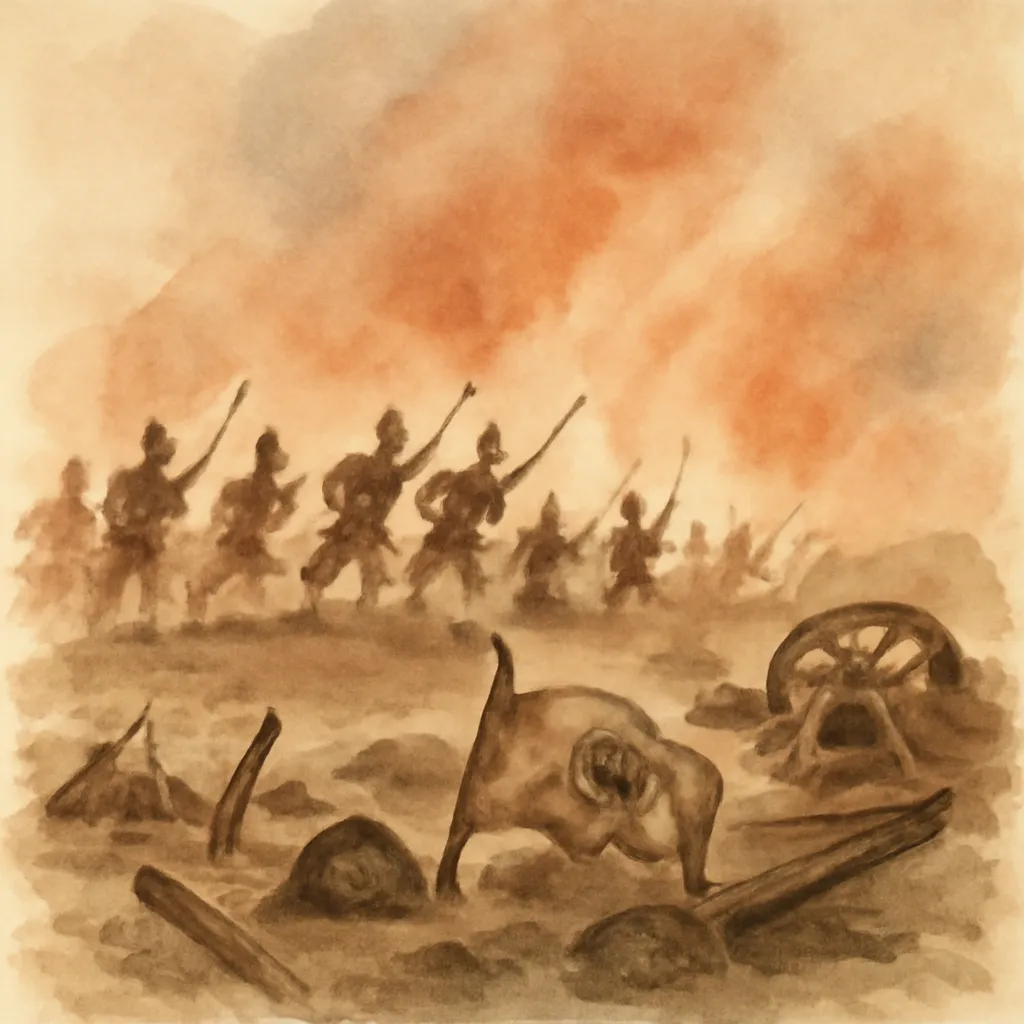
Wars have significantly influenced Russia's national identity, shaping its geopolitical landscape and internal dynamics. The Napoleonic Wars, particularly the invasion of 1812, serve as a defining moment in Russian history, showcasing the resilience and determination of the Russian people. The strategy employed by Russian forces, particularly the scorched earth tactics and the strategic retreat, exemplified a nationalistic spirit that united diverse populations against a common enemy. This conflict not only solidified national pride but also fostered an enduring sense of Russian identity, reinforcing the narrative of Russia as a defender against foreign invasion. The aftermath of the war saw Russia emerge as a major European power, impacting diplomatic relations and military strategies for decades to come. Understanding the role of war in shaping national identity reveals the complexities of unity and diversity within Russia's historical context.
7.The Age of Reforms: Alexander II and Social Change

The reign of Alexander II is characterized as the 'Age of Reforms,' marked by the Emancipation of the serfs in 1861, a landmark decision that aimed to modernize Russian society and economy. By liberating millions of serfs, Alexander sought to stimulate agricultural productivity and create a more mobile workforce. However, the implementation of these reforms faced considerable resistance and challenges. Many former serfs found themselves in dire economic conditions, struggling to survive without the support of landowners. The nobility, fearful of losing their privileges, resisted further reforms, leading to tensions that would ultimately contribute to revolutionary sentiments. Alexander's reforms were a double-edged sword, fostering aspirations for modernization while simultaneously exposing the deep-rooted social inequalities that persisted. This period illustrates the delicate balance between progress and the entrenched interests of various societal groups, highlighting the complexities of reform in a transitioning society.
8.Nihilism and the Rise of Revolutionary Thought
In the late 19th century, nihilism emerged as a radical response to the social injustices and political oppression pervasive in Russia. This philosophical movement, which rejected established norms and authority, garnered support among young intellectuals eager for social change. Nihilists believed that true progress could only be achieved through the complete dismantling of the existing political and social structures. The assassination of high-ranking officials, including the Minister of the Interior, epitomized the lengths to which some were willing to go to assert their beliefs. This period of political violence and upheaval laid the groundwork for later revolutions, as discontent with autocratic rule grew. The nihilist movement underscored the urgency for reform and the desire for greater political rights, demonstrating how revolutionary thought can emerge from the intersection of oppression and aspiration for justice.
9.The Expansion into Asia: Identity and Geopolitics
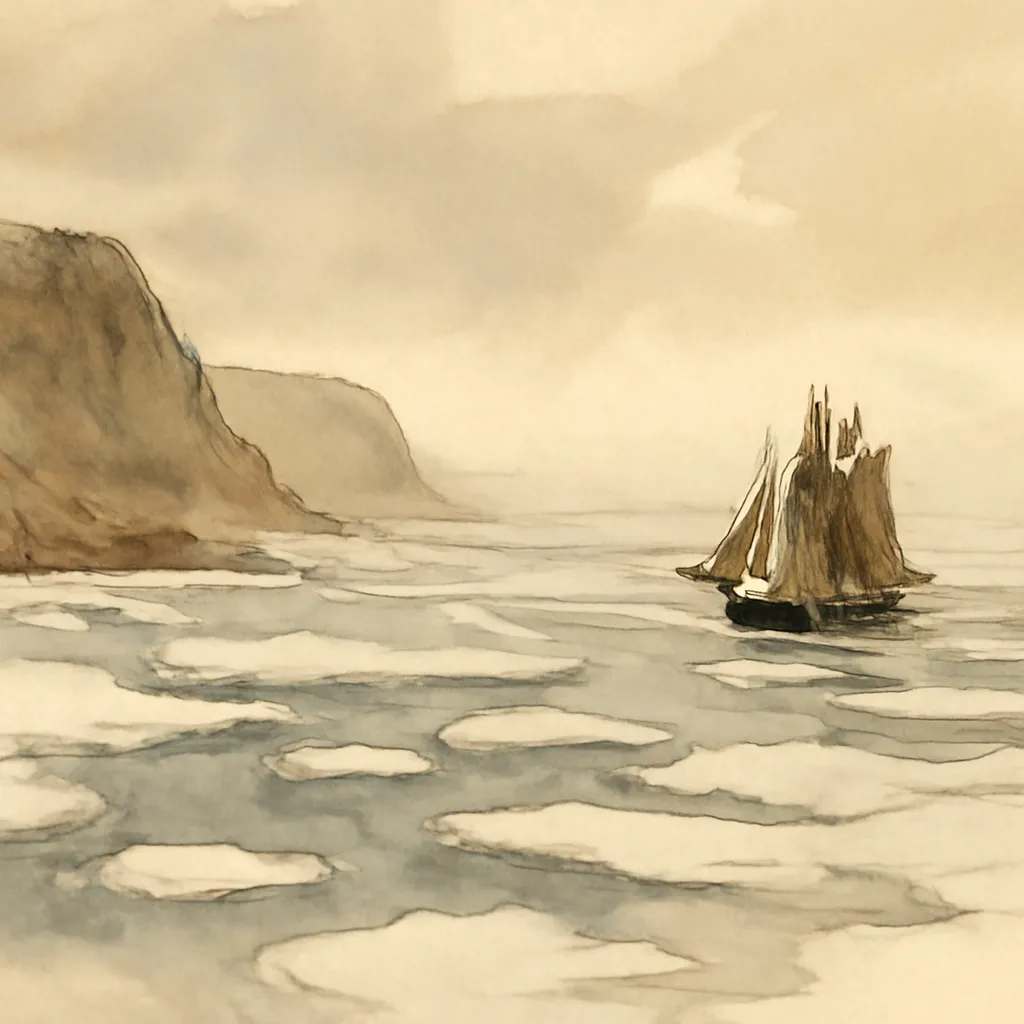
Russia's expansion into Asia was driven by both a national instinct and geopolitical necessity, reflecting its desire to secure borders and assert influence. Beginning in the 16th century, this movement was characterized by the exploration and eventual colonization of Siberia and the Far East. Initially propelled by Cossack expeditions, the Russian government later formalized these efforts, establishing a foothold in Asia that would influence its identity and international standing. However, this expansion was not without its complexities; the integration of diverse cultures and populations often led to tensions and conflicts. The lack of a coherent policy toward its Asian territories resulted in a patchwork of governance that sometimes compromised Russia's integrity. Understanding this aspect of Russian history is crucial for comprehending its contemporary geopolitical strategies and the ongoing challenges of maintaining a cohesive national identity amidst diversity.
10.The Fall of the Romanovs: Revolution and Change
The reign of Nicholas II epitomized the decline of the Romanov dynasty, culminating in the revolutions of 1917 that dismantled centuries of autocratic rule. Nicholas's resistance to reform and his failure to address societal grievances fueled widespread discontent, particularly among the working class and peasantry. The catastrophic consequences of World War I exacerbated existing economic hardship and military failures, leading to widespread unrest. The February Revolution sparked a wave of protests demanding change, ultimately forcing Nicholas to abdicate. This pivotal moment signified not just the end of the Romanov rule but the beginning of a tumultuous struggle for power in Russia. The subsequent October Revolution, led by the Bolsheviks, fundamentally transformed the political landscape, highlighting the profound consequences of neglecting the voices of the populace and the urgent need for responsive leadership. This historical turning point reshaped not only Russia but also had far-reaching implications for global politics in the 20th century.