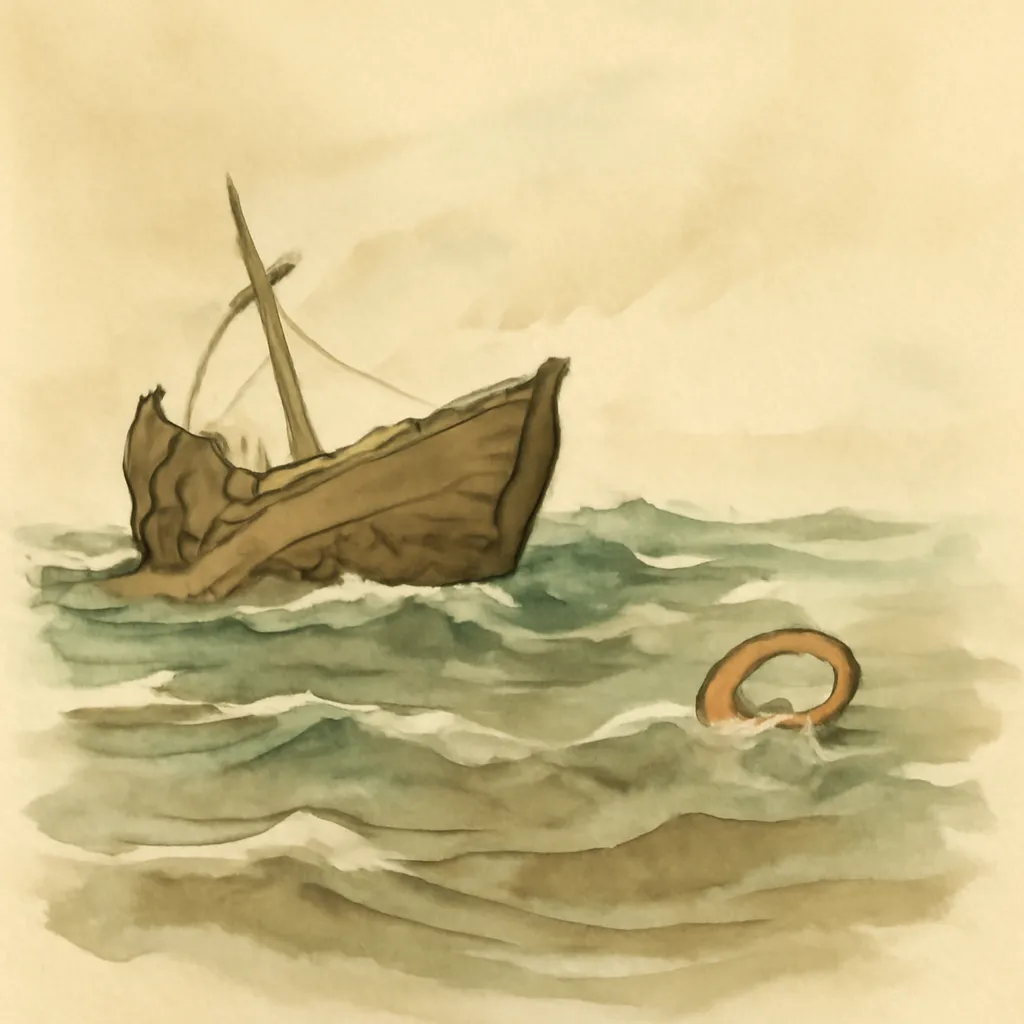
1.The Power of Faith in Crisis
The story begins with a catastrophic shipwreck that leaves a family stranded on an uninhabited island. In the face of such despair, the father instills a sense of hope and faith in his children, emphasizing that 'God can save us, for nothing is impossible to Him.' This powerful message highlights the importance of maintaining faith during dire circumstances. The family's collective prayer serves not only as a source of comfort but also as a bonding experience that strengthens their resolve. Faith becomes a cornerstone of their survival; it offers them emotional stability amid chaos and uncertainty, allowing them to focus on practical solutions rather than succumb to despair. Moreover, the father’s calm demeanor sets a precedent for the children, encouraging them to believe that their situation can change. This faith-based perspective is essential throughout their journey, as it shapes their mindset and fortifies their spirits against the challenges ahead.
2.Resourcefulness in Adversity
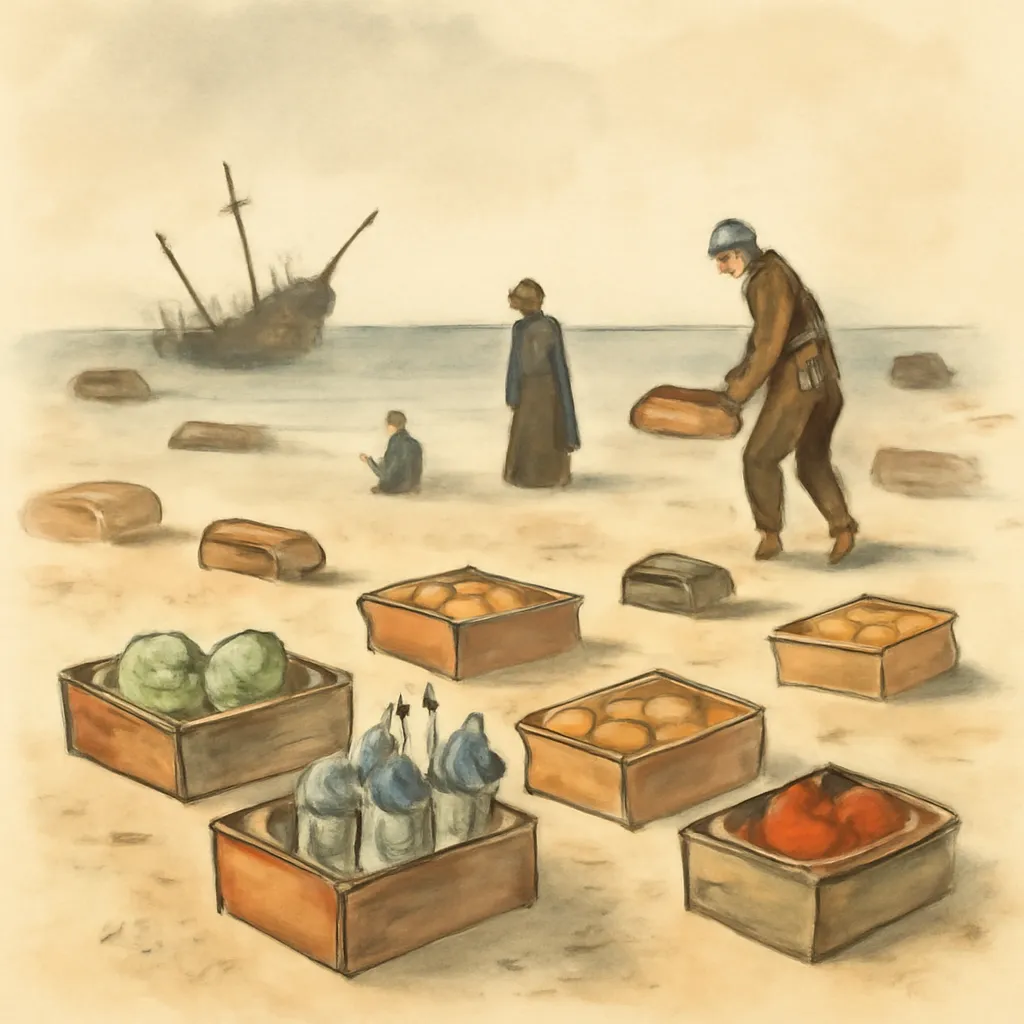
As the family begins to adapt to their new environment, they demonstrate remarkable resourcefulness. They meticulously gather supplies from the wrecked ship, prioritizing items that would ensure their survival, such as food, weapons, and tools. The father's strategic thinking is evident when he instructs his family to collect a variety of useful items, including portable soup, fishing rods, and firearms. This proactive approach not only secures their immediate needs but also lays the groundwork for their long-term survival. For instance, their decision to take both food supplies and tools reflects their understanding of the necessity to sustain themselves over time. The family's ingenuity is further showcased when they devise methods to transport their supplies, such as using tubs for their journey to shore and creating a raft for transporting animals. Each step underscores the necessity of adaptability and innovation in overcoming challenges, demonstrating how humans can thrive even in the most unwelcoming circumstances.
3.The Role of Family Dynamics

Throughout their ordeal, the strength of family bonds plays a crucial role in the family's survival. The father, as the leader, provides guidance and instills confidence in his children, while the mother nurtures the emotional well-being of the family. Each child, from the eldest Fritz to the youngest Francis, contributes in unique ways, showcasing their individual strengths and talents. For instance, Fritz's courage often drives the family forward as he takes on dangerous tasks, while Ernest’s cautious nature provides balance and thoughtfulness. The narrative illustrates how the dynamic between the parents and children fosters resilience; their interactions reveal the complexities of family relationships under stress. As they face adversity together, they learn to communicate effectively, support one another, and share both responsibilities and joys, which becomes essential for their collective survival. This emphasis on family collaboration not only strengthens their bonds but also highlights the necessity of working together towards common goals.
4.Nature as a Teacher
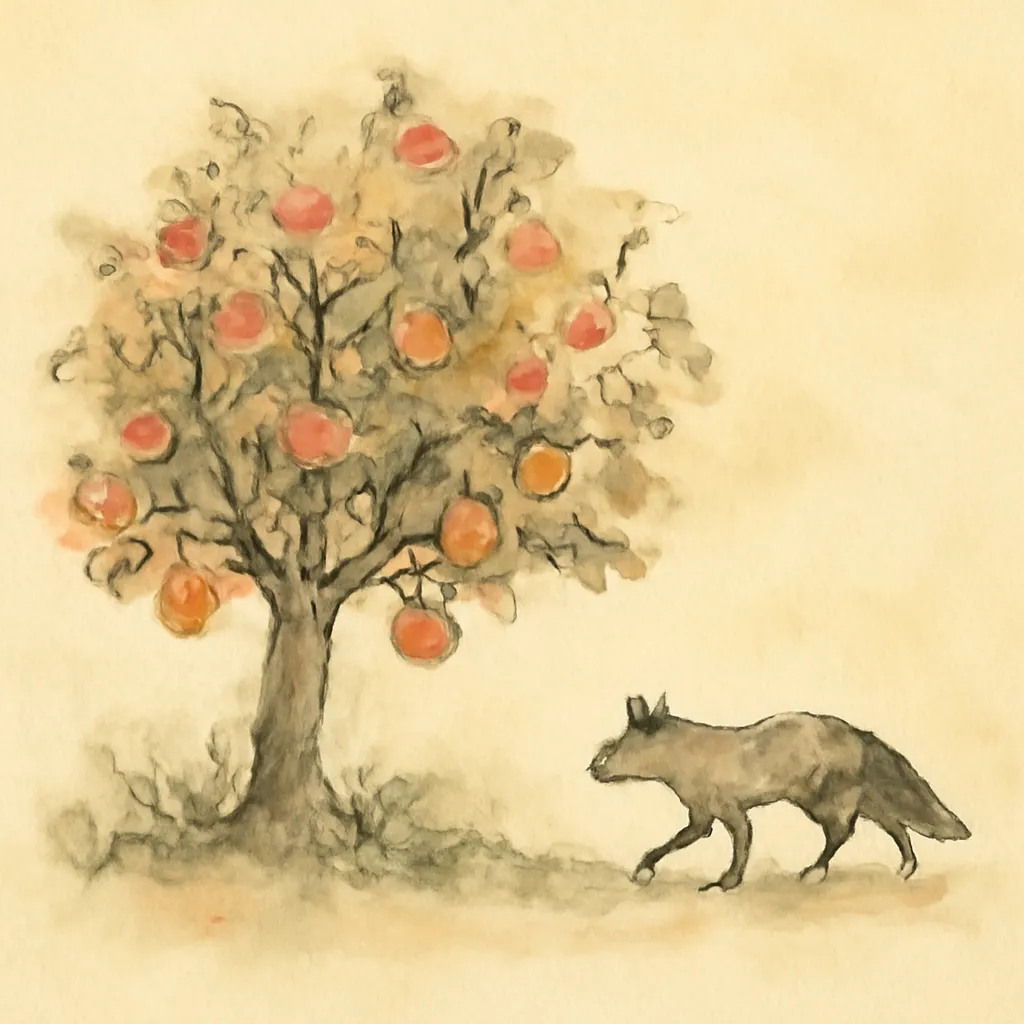
The family's experiences on the island reveal nature as both a formidable adversary and a generous provider. As they explore their surroundings, they learn to respect and adapt to the environment, gaining valuable knowledge about the flora and fauna that can sustain them. The narrative emphasizes the significance of observation and experimentation, as the family discovers edible plants, fishing techniques, and animal behaviors. For example, their encounters with wildlife open the door to both challenges and opportunities, such as hunting for food and understanding the ecosystem. The father teaches the children to observe the natural world carefully, leading to the discovery of various plants and animals that can be used for food, medicine, and materials. This relationship with nature fosters a sense of appreciation and interdependence; it teaches them that survival is not merely about domination over their environment but about finding harmony within it. Their ability to learn from nature and adapt to its rhythms is integral to their survival and personal growth.
5.Innovation and Invention
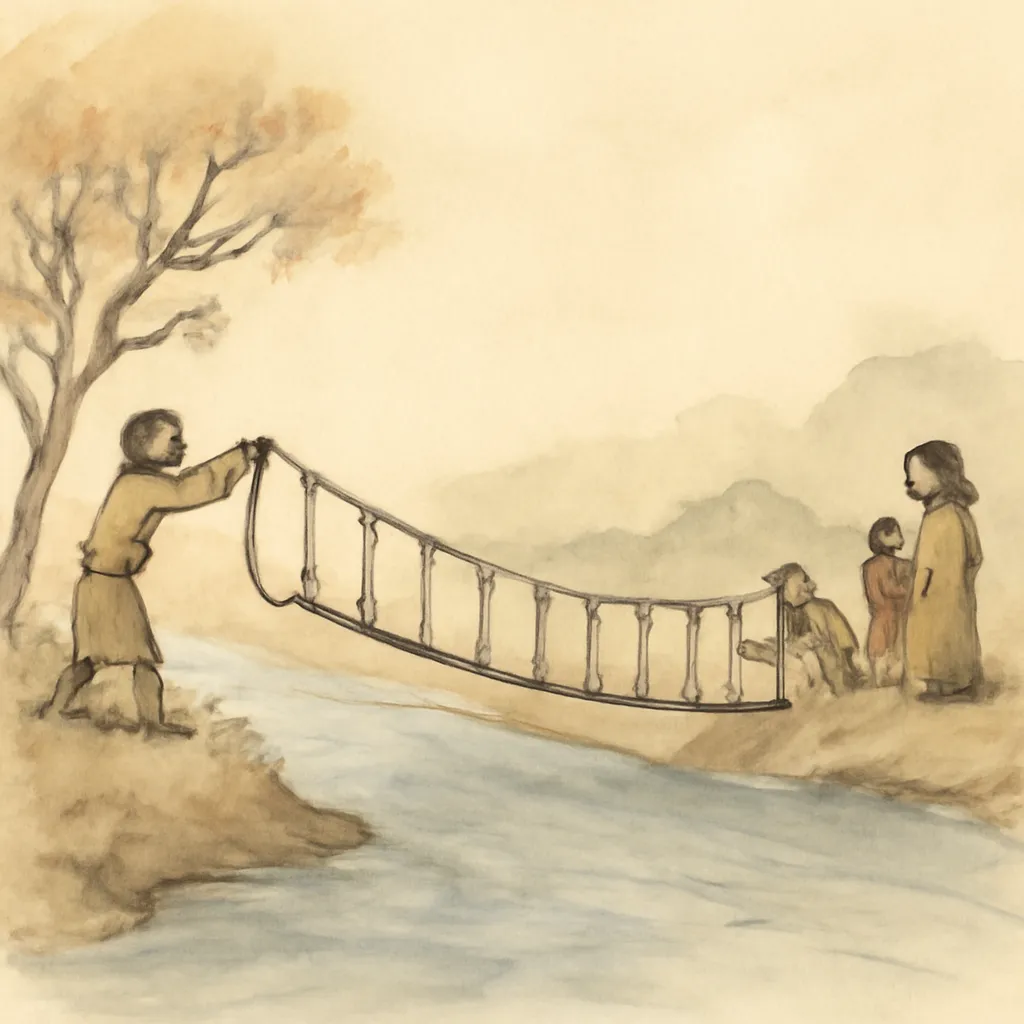
Survival on the island demands constant innovation from the family. They not only adapt existing tools and methods but also invent new solutions to meet their needs. The father’s projects, such as constructing a bridge across the river and building a treehouse, exemplify their ingenuity. The narrative details various inventions, including a sledge for transporting goods and a system for making candles from local materials. Each invention reflects their growing understanding of their environment and their ability to harness resources creatively. The father’s approach to problem-solving encourages the children to think critically and experiment with different techniques. For instance, when constructing their treehouse, the family learns about weight distribution and stability, applying principles of engineering without formal training. This emphasis on innovation serves as a reminder of the human capacity for problem-solving, showcasing how necessity drives creativity and adaptability. The family's development of tools and shelters illustrates the profound connection between human ingenuity and survival.
6.The Importance of Education

Education remains a priority for the family, even in their isolated circumstances. The father takes on the role of teacher, imparting knowledge about survival skills, natural sciences, and moral lessons to his children. This focus on education fosters a sense of purpose and continuity, ensuring that the children not only survive but also thrive intellectually and morally. The lessons extend beyond practical skills; they encompass values such as perseverance, responsibility, and respect for nature. The father's engagement with his children during their daily tasks shows that learning occurs in many forms, not just through formal instruction. For instance, while fishing or exploring the island, he incorporates lessons about teamwork, observation, and gratitude for nature’s bounty. This commitment to education underscores the idea that knowledge is essential for survival and that the family’s growth depends on their ability to learn from their experiences. The narrative illustrates that education is a lifelong pursuit, vital even in the most challenging circumstances.
7.Facing Fear and Danger
The family's journey is fraught with peril, from encounters with wild animals to the constant threat of the elements. Each challenge tests their courage and resolve, forcing them to confront their fears. For instance, the young boys must learn to navigate their anxieties when hunting or exploring new territories. The narrative illustrates how facing fear becomes a pivotal part of their development, as they learn to rely on each other for support and encouragement. These moments of danger not only serve to heighten the tension in the story but also facilitate personal growth. The children, particularly Fritz, often take on roles that push them outside their comfort zones, such as hunting or securing the camp from potential threats. By overcoming their fears, they gain confidence and independence, learning that courage does not mean the absence of fear but the ability to act despite it. This journey of confronting danger ultimately helps to build resilience and character, reinforcing the idea that challenges can lead to strength.
8.Community and Cooperation
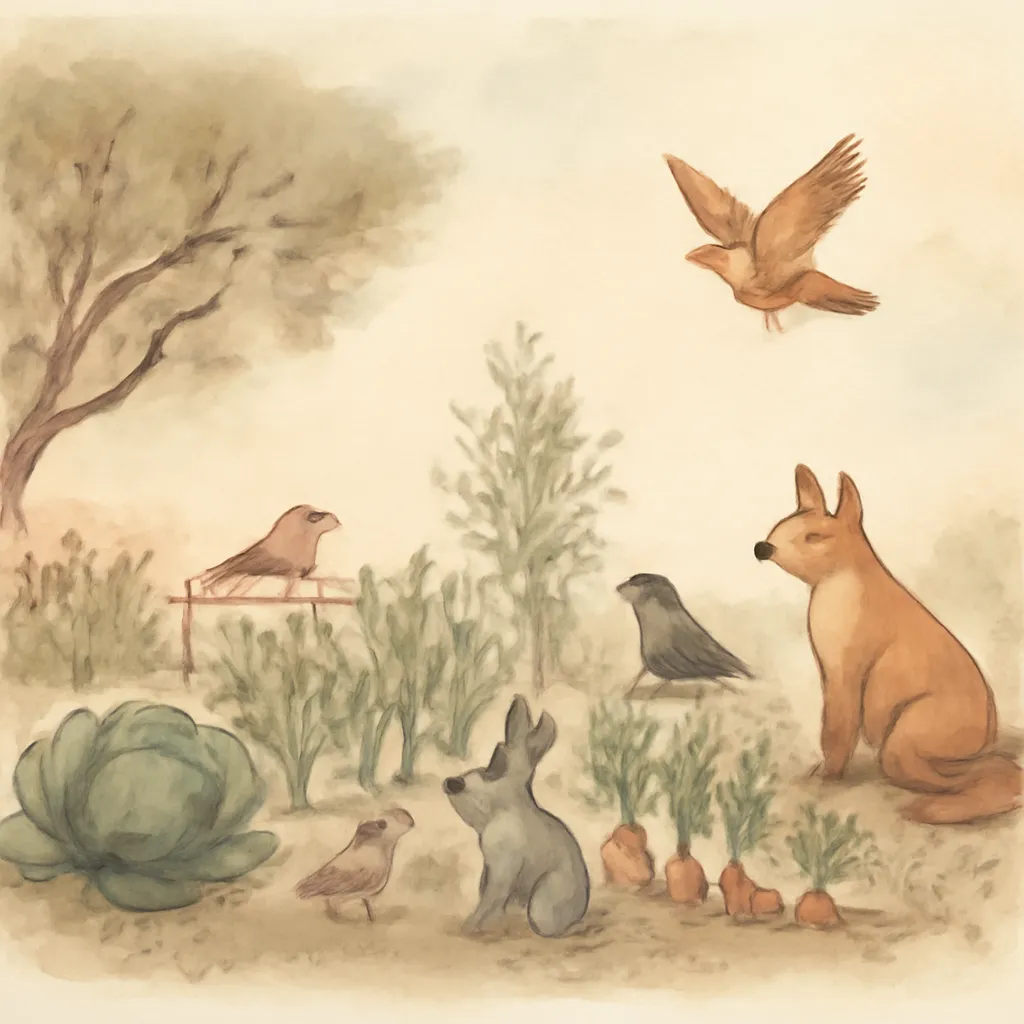
As the family settles into life on the island, they begin to cultivate a sense of community, both among themselves and with the wildlife around them. They care for their animals, forming bonds that reflect mutual dependence. The family's cooperative spirit is evident in their shared responsibilities, from gathering food to maintaining their living space. This sense of community extends to their interactions with nature, as they learn to coexist with the animals they encounter. The narrative suggests that cooperation is essential for survival, emphasizing the idea that collaboration, whether among family members or with the natural world, is key to thriving in challenging circumstances. The family's activities, such as the collective effort to build their home and cultivate crops, illustrate how working together fosters a sense of belonging and shared purpose. By recognizing their interdependence, they not only enhance their chances of survival but also enrich their experience of life on the island, creating a vibrant community founded on cooperation and mutual support.
9.The Journey of Self-Discovery

The shipwreck and subsequent life on the island serve as a catalyst for profound self-discovery for each family member. Stripped of the comforts and distractions of civilization, they are forced to confront their strengths and weaknesses. The father emerges as a leader, while the children develop their identities through their contributions to the family's survival. This journey of self-discovery is marked by moments of triumph and failure, allowing them to learn valuable life lessons. The narrative suggests that adversity can be a powerful teacher; through their experiences, each family member grows in character and capability. For example, Fritz learns to balance bravery with caution, while Ernest gains confidence in his own abilities. The evolution of each character reflects the broader theme of personal growth, illustrating how challenges can lead to greater self-awareness and a deeper understanding of one's purpose. This exploration of identity reinforces the idea that hardship can forge resilience and shape an individual's character.
10.Hope and Resilience
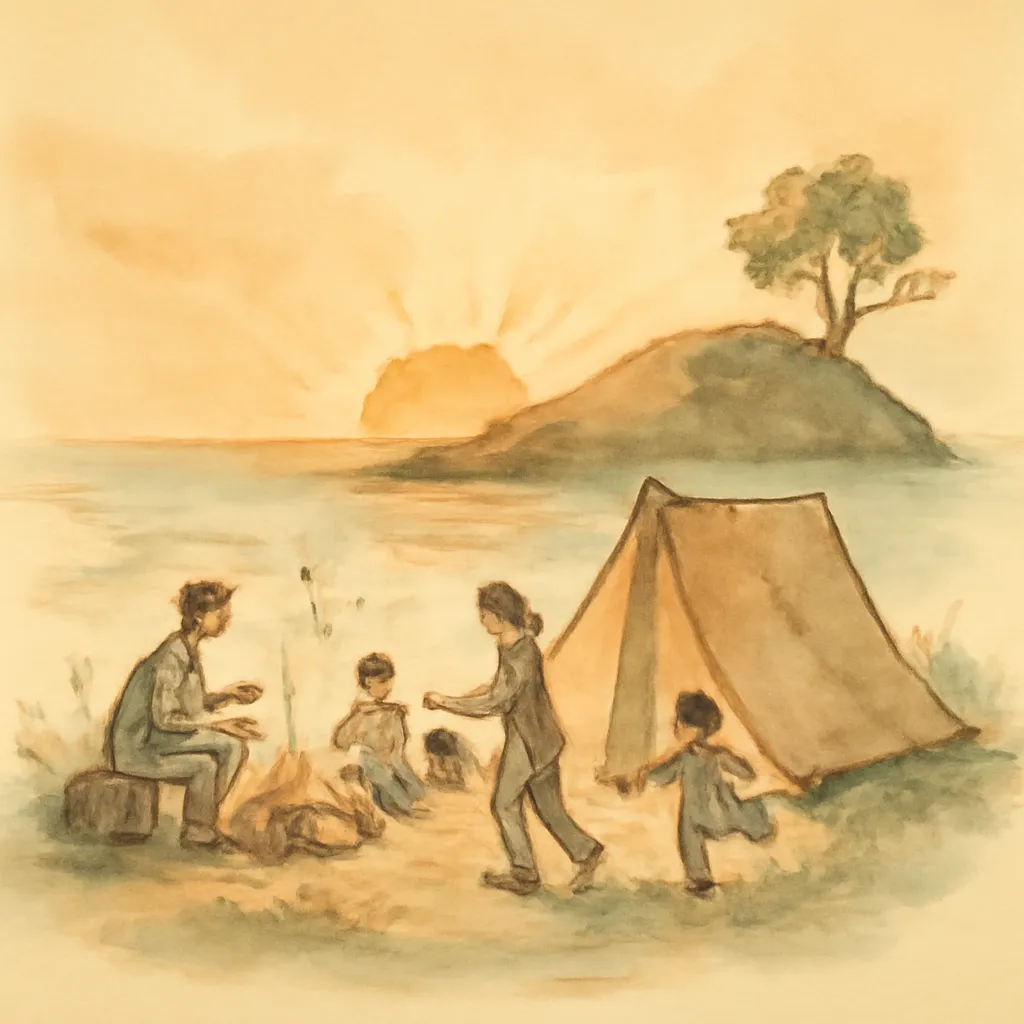
At its core, 'The Swiss Family Robinson' is a story of hope and resilience. Despite the initial despair of their situation, the family learns to adapt, innovate, and thrive in their new environment. Their journey is filled with challenges, but each obstacle is met with determination and a positive outlook. The narrative underscores the importance of maintaining hope, even in the face of adversity. The family's ability to find joy in their accomplishments and the beauty of their surroundings serves as a powerful reminder that resilience is not merely about survival; it is about embracing life and finding fulfillment in unexpected circumstances. Their celebrations of small victories, whether catching fish or building a shelter, reinforce the idea that hope fuels perseverance. The family's journey highlights that resilience is a dynamic process, cultivated through shared experiences and a steadfast belief in the possibility of a brighter future. This overarching theme resonates deeply, reminding readers of the strength that can be found in unity and hope.