1.The Search for a New Home
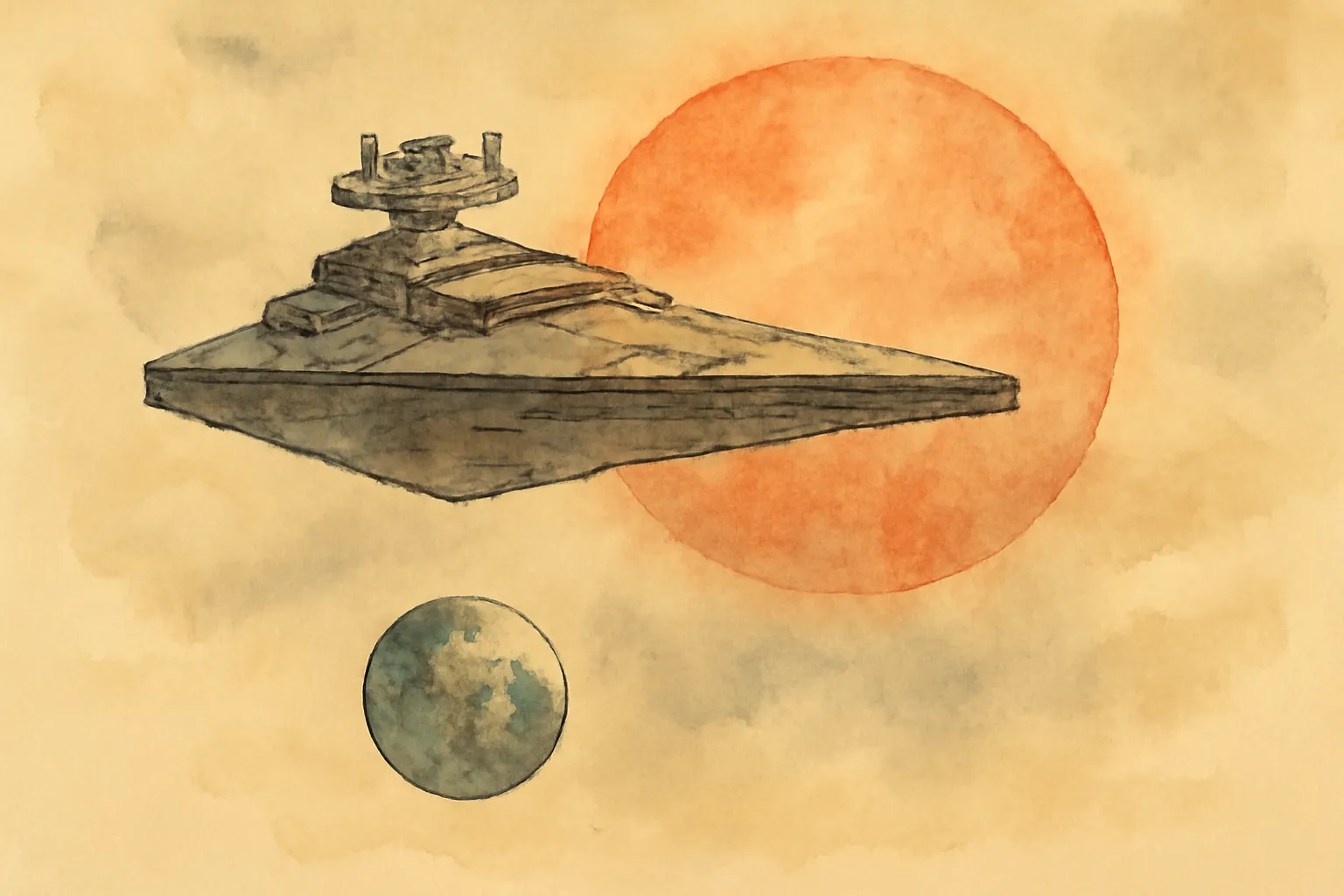
The story begins with Gresth Gkae, the leader of the Mirans, who is dissatisfied with his star, Mira, known for its unpredictable variability. The harsh conditions of his home planet drive him to search for a more stable star system, which he eventually identifies as Sol. This quest for a new home reflects the broader theme of survival and the lengths to which civilizations will go to ensure their continued existence. The Mirans' advanced technology, including ships that travel faster than light, showcases their determination and resourcefulness. Their migration symbolizes not just a physical journey but also the existential threat they pose to Earth, setting the stage for the conflict to come. The narrative delves into the impact of environmental instability on a civilization, illustrating how the Mirans' desperation for a new home pushes them towards interstellar conquest.
2.Buck Kendall: The Reluctant Hero
Buck Kendall embodies the archetype of the reluctant hero. Initially, he joins the Interplanetary Patrol as a gamble, leaving behind a comfortable life, only to find himself thrust into a critical role in defending Earth against the Mirans. His unique blend of physicality and intellectual prowess makes him an unlikely yet effective leader. Kendall’s character development is central to the narrative; he evolves from a carefree officer to a determined scientist willing to risk everything to protect humanity. His journey highlights the importance of personal growth in the face of adversity and the realization that one’s true calling often emerges in unexpected circumstances. As he grapples with the gravity of his responsibilities, the reader witnesses his transformation—from a man motivated by a bet to one driven by a profound sense of duty.
3.The Threat of the Mirans
The Mirans represent a formidable threat to humanity, equipped with advanced technology and a strategic mindset. Their ability to systematically raid mining stations on Pluto demonstrates their tactical superiority and the urgency of the situation. The story intricately details the nature of this alien force, emphasizing their relentless pursuit of resources and dominance. This portrayal raises questions about imperialism and the ethics of conquest, as the Mirans are not merely villains but a species driven by survival instincts. The stark contrast between the Mirans' technology and Earth’s defenses underscores the precarious position humanity finds itself in, heightening the tension as the narrative unfolds. The Mirans’ actions are driven by desperation and the desire for sustainability, mirroring the motivations of many human conflicts throughout history. This exploration invites the reader to consider the moral implications of survival at all costs.
4.The Catalyst for Change: The Neutron Gun
Kendall's development of the neutron gun becomes a pivotal moment in the story, representing humanity's innovative spirit. This weapon is not merely a tool of destruction but a symbol of hope and resilience. The design process, fraught with challenges and setbacks, illustrates the scientific method's importance and the need for perseverance in the face of failure. Kendall’s collaboration with his colleagues, including Devin and Douglass, highlights the power of teamwork and shared knowledge. The neutron gun’s potential to level the playing field against the technologically advanced Mirans serves as a reminder that ingenuity can emerge from desperation, providing a glimmer of hope amidst impending doom. The narrative showcases how critical thinking and collaboration can lead to groundbreaking advancements, reinforcing the idea that humanity’s greatest strength lies in its ability to innovate and adapt.
5.The Concept of 'Uncertainty'
A significant theme in the book is the exploration of uncertainty, particularly through the development of the 'Uncertainty of the Fourth Degree' machine. This innovative apparatus challenges traditional notions of physics and energy, allowing Kendall to manipulate matter in unprecedented ways. The implications of such technology are profound, as it blurs the lines between creation and destruction. Kendall’s struggle to harness this power reflects the ethical dilemmas faced by scientists in real life, questioning the responsibility that comes with such advancements. This theme resonates deeply, as it compels readers to consider the consequences of technological innovation in warfare and the moral implications of wielding such power. The concept of uncertainty encapsulates not only the unpredictability of scientific endeavors but also the unpredictable nature of conflict, highlighting how both can lead to unforeseen consequences.
6.The Role of Leadership in Crisis
Commander McLaurin's leadership throughout the crisis is pivotal to the narrative, showcasing the qualities needed to guide others in times of turmoil. His interactions with Kendall and other officers reveal a complex character who must balance authority with empathy. McLaurin’s decisions often reflect the harsh realities of warfare, as he navigates the challenges of morale, resource allocation, and strategic planning. His leadership style contrasts with Kendall’s more innovative approach, emphasizing the importance of diverse perspectives in overcoming adversity. This dynamic illustrates the multifaceted nature of leadership and the necessity for adaptability in crisis situations. The narrative exemplifies that effective leadership requires not only sound decision-making but also the ability to inspire and unify a team under pressure.
7.The Nature of Strength and Weakness
The story delves into the philosophical debate surrounding strength and weakness, particularly through Gresth Gkae's internal struggle. As he grapples with the consequences of his decisions, he questions whether the strongest are truly the best leaders. This theme resonates throughout the narrative, as characters on both sides confront their vulnerabilities. Kendall, despite his physical prowess, often feels uncertain and outmatched by the Mirans. Conversely, Gkae’s realization that brute strength may not guarantee success challenges the reader to rethink conventional definitions of power. The exploration of these themes invites deeper reflection on what it means to be truly strong in the face of conflict. It raises the question of whether true strength lies in resilience, adaptability, and the willingness to learn from mistakes, rather than mere physical dominance. This philosophical inquiry adds depth to the narrative and encourages readers to engage with the complexities of power dynamics.
8.Victory Through Sacrifice
As the story progresses, the notion of sacrifice becomes increasingly prominent, particularly as Kendall and his team prepare for their final confrontation with the Mirans. The selection of volunteers to pilot a cruiser into battle highlights the personal costs of war and the bravery required to stand against overwhelming odds. This theme serves as a poignant reminder of the sacrifices made by those who fight for a greater cause, emphasizing the heroism found in ordinary individuals. The narrative captures the emotional weight of these decisions, illustrating how the quest for survival often demands the ultimate price. The exploration of sacrifice elevates the stakes of the conflict and underscores the human spirit's resilience. It compels readers to consider the motivations behind such sacrifices and the impact they have on both the individuals who make them and the societies that benefit from them. This aspect of the story resonates with historical and contemporary discussions about the sacrifices made in the name of freedom and survival.
9.The Power of Collaboration
The collaborative efforts of Kendall and his team illustrate the importance of teamwork in overcoming insurmountable challenges. Each character brings unique skills and perspectives, contributing to the collective goal of defending humanity. This theme resonates with the broader idea that no single individual can shoulder the burden of survival alone; it takes a united front to face formidable threats. The interactions between Kendall, McLaurin, and other officers demonstrate how collaboration fosters innovation and problem-solving. This emphasis on teamwork reinforces the necessity for solidarity in times of crisis, reminding readers that collective action can lead to transformative outcomes. The narrative serves as a testament to the fact that diverse talents and perspectives can be harnessed to create solutions that no individual could accomplish alone, highlighting the significance of unity in the face of adversity.
10.A Reflection on Humanity's Future
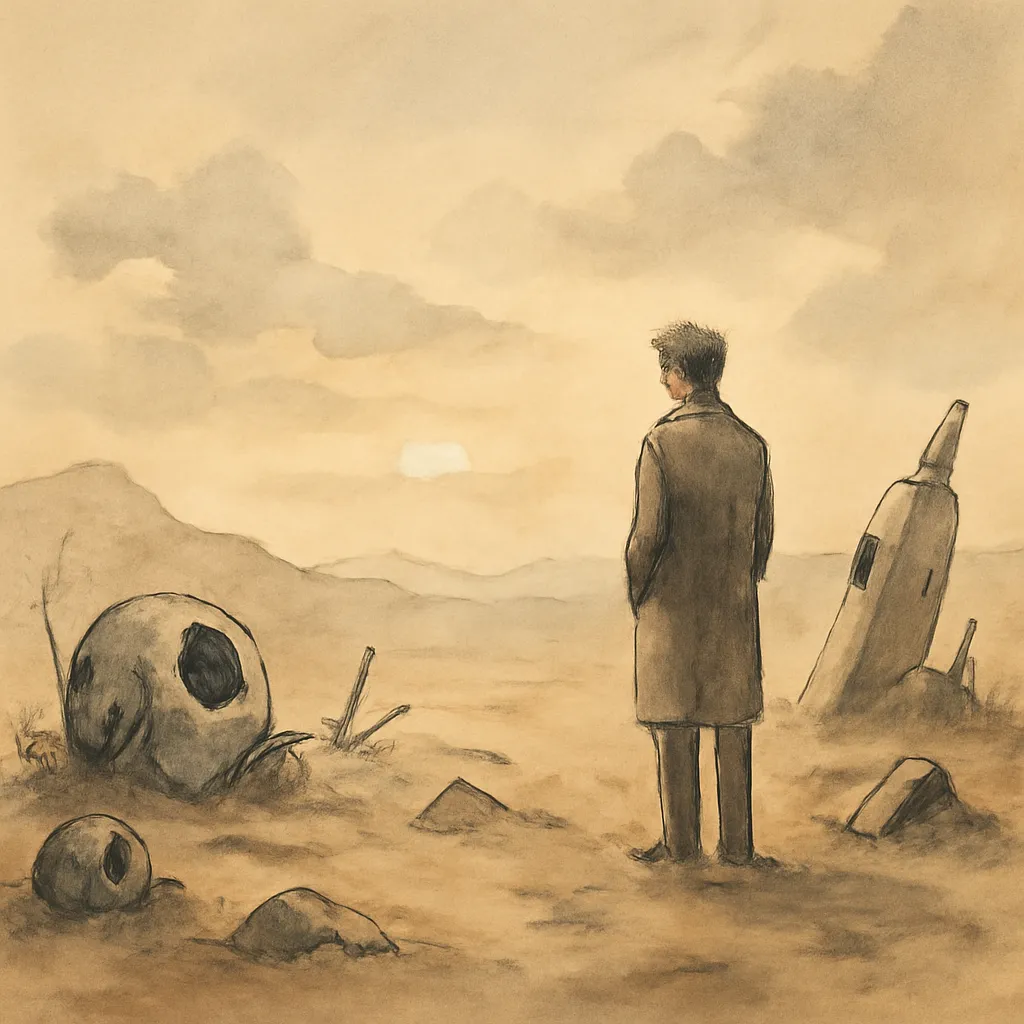
Ultimately, 'The Ultimate Weapon' serves as a cautionary tale about the potential consequences of unchecked technological advancement. As Kendall grapples with the destructive capabilities of his inventions, he is forced to confront the ethical dilemmas that arise in the pursuit of power. The narrative invites readers to reflect on the responsibilities that come with scientific progress and the importance of using technology for the greater good. The story's conclusion leaves a lingering question about humanity's future, urging readers to consider how they might navigate the delicate balance between innovation and morality. This reflection on the future resonates deeply, as it challenges individuals to engage thoughtfully with the consequences of their actions. By exploring the implications of technology in warfare, the narrative encourages critical dialogue about the direction humanity is heading and the ethical responsibilities that accompany progress.