1.Origins in a Frontier Society
The University of Michigan's journey begins in 1817, amidst the challenges of a nascent frontier society. The Catholepistemiad was established with a vision to create a comprehensive educational framework that included various disciplines, signifying an early commitment to higher education in a region that was still developing. The legislative act that founded this institution envisioned a broad range of studies, from natural philosophy to military science, reflecting the needs and aspirations of a territory eager to establish its educational identity. The university's early curriculum was ambitious, although it ultimately struggled to implement these grand ideals due to limited resources and infrastructural challenges. These origins underscore the spirit of innovation and the desire for progress among Michigan's early leaders, setting the groundwork for future developments and the eventual establishment of the university in Ann Arbor in 1837.
2.Key Personalities and Leadership Impact

Leadership played a critical role in the evolution of the University of Michigan, particularly through figures such as Henry Philip Tappan. Inaugurated as the university's first president in 1852, Tappan brought a wealth of experience and a progressive vision for education. He emphasized the importance of a strong academic culture, advocating for the establishment of a real university that went beyond the limitations of earlier institutions. His approach combined a respect for classical education with an eagerness to incorporate modern approaches and scientific inquiry. Tappan's magnetic personality and commitment to fostering an environment of scholarly pursuit helped cultivate a sense of community among students and faculty. However, his tenure was not without challenges; opposition from various factions within the university and the state led to tensions that ultimately resulted in his resignation. Despite these setbacks, Tappan's foundational ideas about the university's mission and potential had lasting effects that would resonate through subsequent administrations.
3.The Evolving Landscape of Higher Education
The establishment of the University of Michigan coincided with significant transformations in American higher education. The university emerged at a time when the concept of public education was gaining traction, influenced by the belief that education should be accessible to all citizens. This was a radical shift from earlier models that predominantly served elite populations. The university's foundational charter reflected these ideals, emphasizing the importance of a state-supported institution that would provide opportunities for diverse groups of students. Over time, Michigan became a model for state universities across the nation, demonstrating the viability of publicly funded education as a means of fostering societal progress. This evolution underscored the dual mission of the university: to educate the populace while also contributing to the advancement of knowledge through research and scholarship.
4.Challenges and Missteps in Development
The early years of the University of Michigan were marked by both ambition and miscalculation. The choice of Ann Arbor as the site for the university, while ultimately fortuitous, faced scrutiny and contention during the selection process. The Regents' decision to prioritize land offers over natural advantages in the landscape reflected a pragmatic, yet shortsighted approach. These early missteps highlight the complexities of establishing a new institution in a rapidly changing environment. As the university began to take shape, the challenges of funding, staffing, and curriculum development became apparent. The inability to effectively implement the initial vision for a comprehensive educational system often led to frustration among faculty and students alike. These obstacles, however, did not deter the university community; rather, they spurred a determination to adapt and innovate, laying the groundwork for future successes.
5.The Establishment of Professional Schools
A significant milestone in the university's history was the establishment of its professional schools, particularly the Medical School in 1850. This development responded to a pressing need for medical education in the region, as many areas were underserved by existing institutions. The early curriculum was accessible, with simple entrance requirements designed to attract a diverse student body. This model facilitated rapid growth for the Medical School, which quickly became a cornerstone of the university's offerings. By providing practical training and emphasizing hands-on experience, Michigan set a precedent for medical education that many other institutions would later follow. The success of the Medical School also illustrated the university's commitment to addressing community needs and its ability to adapt to the evolving landscape of professional education.
6.Scholarship and Research as Core Values
As a state university, Michigan has always maintained a dual commitment to education and scholarship. This ethos is reflected in its mission to not only provide quality education to students but also to contribute to the broader body of knowledge through research. The university's emphasis on original scholarship is vital for both faculty and students alike, as it encourages engagement with contemporary issues and the pursuit of innovation. This commitment has enabled Michigan to become a leader in various fields, attracting scholars and researchers who are dedicated to advancing their disciplines. Moreover, the integration of research into the classroom enriches the educational experience, allowing students to learn from the latest discoveries and engage in meaningful inquiry. This dynamic interplay between teaching and research underscores the university's role as a vital contributor to societal progress.
7.Civic Engagement and Social Responsibility

The University of Michigan's connection to the community extends beyond traditional education; it embodies a commitment to civic engagement and social responsibility. This philosophy has been evident throughout its history, particularly during significant national events such as the Civil War. The university's students actively participated in the war effort, reflecting a strong sense of duty and a desire to effect change in society. This engagement with social issues has continued over the decades, as the university has increasingly recognized its role in addressing the challenges faced by both local and global communities. Programs and initiatives aimed at fostering social justice, public service, and community partnerships have become integral to the university's mission. By prioritizing civic engagement, the University of Michigan not only prepares students to be informed citizens but also encourages them to take an active role in shaping a better future.
8.The Evolution of Student Life and Culture
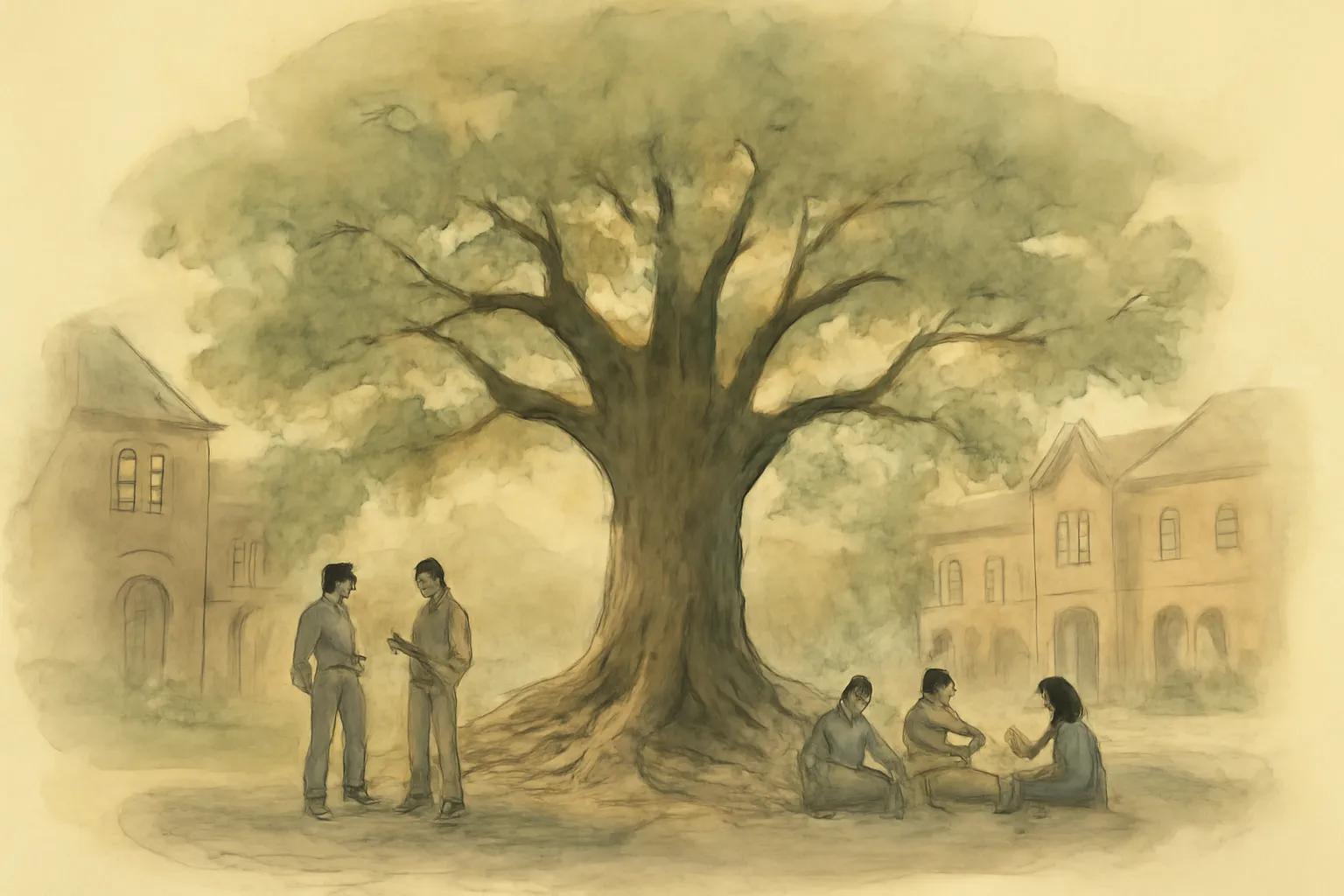
Student life at the University of Michigan has undergone significant transformation since its early days. Initially characterized by simplicity and a strong connection to the surrounding landscape, student experiences have evolved alongside the university's growth. Early students faced a more rustic existence, living in a community that was tightly knit and less structured. As the university expanded, so did the complexity of student life, leading to the establishment of numerous clubs, organizations, and activities that facilitated personal growth and social engagement. The introduction of fraternities and sororities provided students with opportunities for leadership and camaraderie, while also reflecting broader societal trends in college culture. Over time, the diverse student body has contributed to a vibrant campus life that celebrates innovation, creativity, and inclusivity, enriching the overall educational experience.
9.Ann Arbor as a Center of Academic Life
The selection of Ann Arbor as the university's home has had a profound impact on both the institution and the town itself. Ann Arbor's picturesque setting and vibrant community have fostered an environment conducive to academic growth. The close relationship between the university and the town has created a unique culture that enhances the overall educational experience. This symbiotic relationship allows for collaboration between students, faculty, and local residents, enriching the community through shared ideas and initiatives. Ann Arbor's development as a cultural and academic hub has attracted students and scholars from diverse backgrounds, contributing to its reputation as one of the most attractive university towns in the nation. This dynamic underscores the importance of location in shaping the identity of academic institutions and highlights the role that community plays in fostering educational excellence.
10.The Legacy and Influence of Alumni
The University of Michigan's strong alumni network is one of its most significant legacies, reflecting the lasting impact of the institution on its graduates. The connections forged during their time at Michigan have led to a robust community that supports current students and enhances the university's reputation. Alumni engagement is characterized by mentorship, financial support, and active participation in university initiatives. The diverse accomplishments of Michigan alumni across various fields illustrate the university's effectiveness in preparing students for leadership roles and impactful careers. This extensive alumni network not only strengthens the university's bond with its graduates but also amplifies its influence in shaping future generations. By fostering a culture of connectivity and support, the University of Michigan continues to thrive and maintain its position as a leader in higher education.