1.The Cost of Ambition
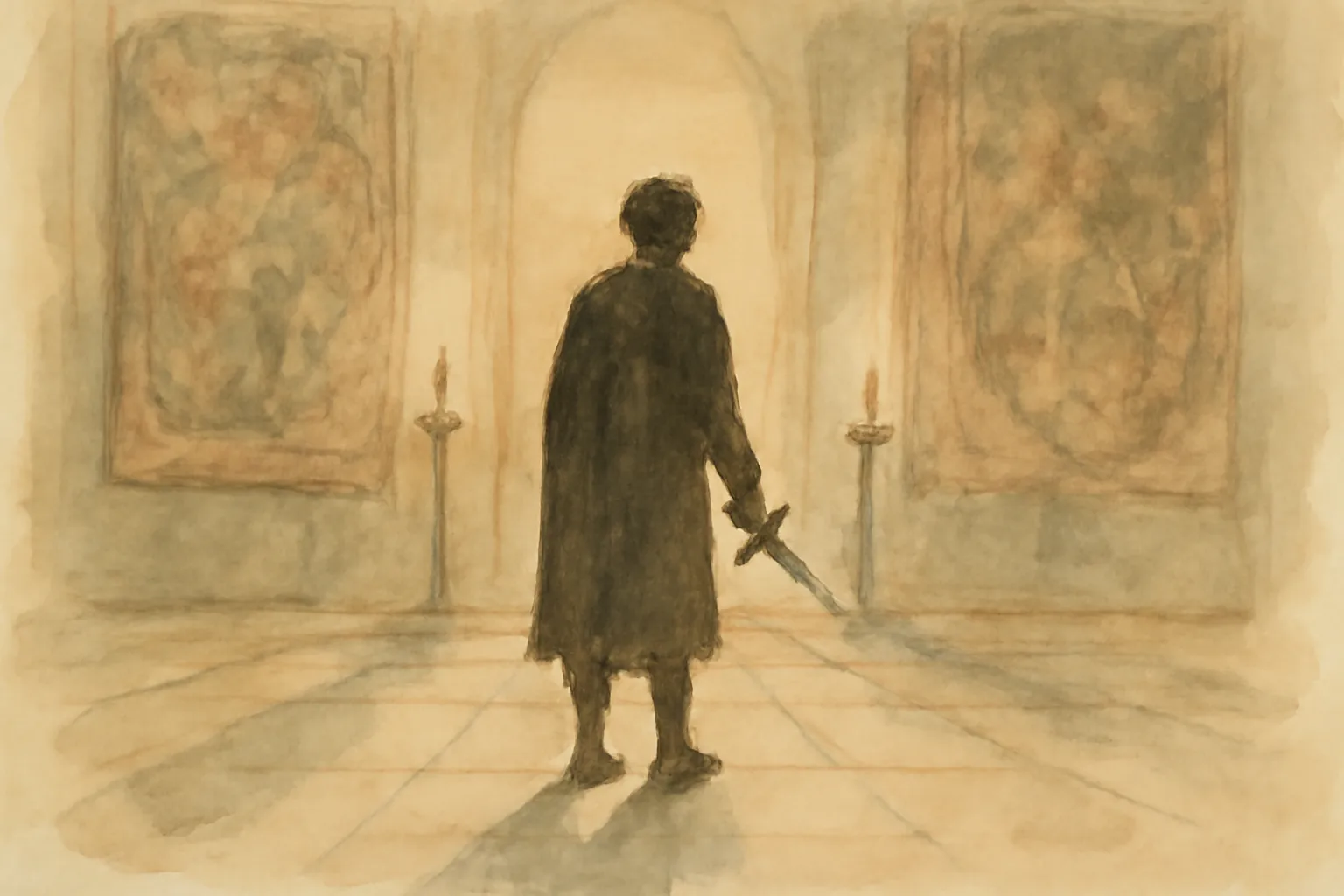
At the heart of 'The Viper of Milan' is the exploration of ambition and its often devastating consequences. Characters like Gian Galeazzo Maria Visconti exemplify how the thirst for power can lead to ruthless decisions. His ambitions not only shape the fate of Milan but also destroy familial bonds and friendships. The narrative illustrates that ambition, while a driving force for progress, can also corrupt and lead to betrayal. For instance, Gian's willingness to sacrifice his family members and allies for the sake of his power reveals a chilling portrait of how ambition can erode moral boundaries. Bowen effectively captures this theme through the character of Valentine, who grapples with her loyalty to her brother while facing the reality of his tyranny.
2.Love and Betrayal
Love in 'The Viper of Milan' is portrayed as a powerful yet dangerous force. The relationships between characters are fraught with tension, as love often collides with ambition and loyalty. Valentine’s love for her brother contrasts sharply with her desire for personal freedom and happiness. Her internal conflict illustrates the theme of betrayal; she must navigate her feelings while contending with her brother's oppressive rule. The novel suggests that love can lead to acts of betrayal when personal desires clash with familial loyalty. For example, Valentine’s struggle to assert her independence while feeling bound to her brother's ambitions highlights the precarious balance between love and loyalty. This tension drives the narrative, as characters are forced to make heart-wrenching choices.
3.The Role of Women in Power
Bowen’s portrayal of women in 'The Viper of Milan' reveals the complexities of their roles within a patriarchal society. Characters like Valentine and Graziosa challenge the limitations placed upon them by their male counterparts. Valentine, in particular, emerges as a strong figure who refuses to be merely a pawn in her brother's game. Despite the constraints of her time, she asserts her authority and makes critical decisions that impact the course of events. This portrayal serves to highlight the often overlooked influence women had in political matters, even when they were not formally recognized as leaders. The novel suggests that women, while often marginalized, possess a quiet strength and agency that can disrupt the status quo. Through these characters, Bowen critiques the societal norms that dictate women's roles and underscores their potential for power and influence.
4.The Turmoil of Political Intrigue
Set against the backdrop of the Italian Renaissance, 'The Viper of Milan' is steeped in the political turmoil of the time. The rivalry between the Visconti and their enemies serves as a constant reminder of the dangers of political machinations. Bowen immerses readers in the intricate web of alliances and betrayals that characterize this historical period. The power struggles are not merely external; they manifest in the personal lives of the characters, impacting their relationships and choices. For instance, the tension between the Visconti and Della Scala illustrates how political conflict can lead to personal tragedy. The author deftly intertwines historical events with the personal narratives of her characters, creating a rich tapestry that reflects the chaos of the era. This blend of history and fiction provides readers with a vivid understanding of the stakes involved in the pursuit of power.
5.The Dichotomy of Light and Dark
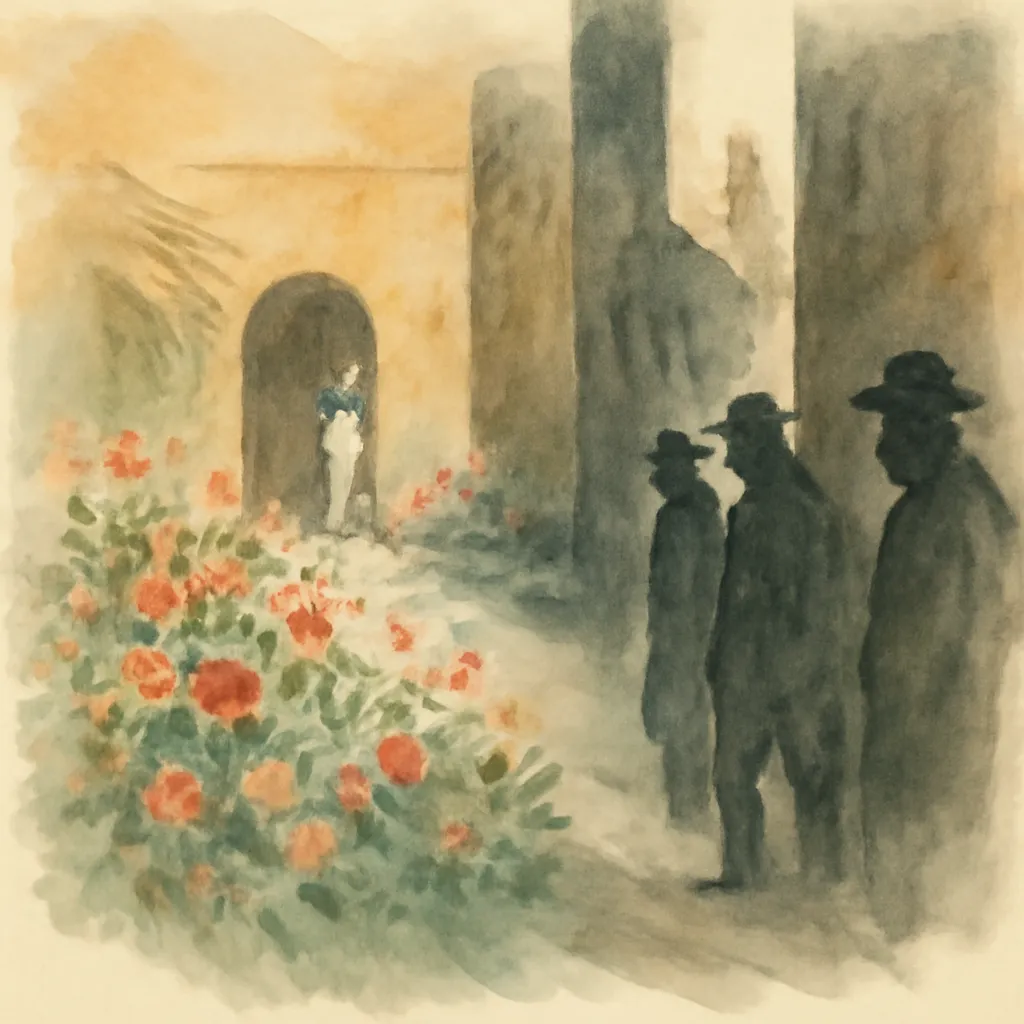
Bowen employs a striking contrast between light and dark throughout 'The Viper of Milan' to symbolize the moral complexities of her characters. The beautiful settings of Milan are often juxtaposed with the dark deeds that unfold within them. This dichotomy serves to highlight the duality of human nature—where beauty can coexist with brutality. Characters like Gian Visconti embody this duality; he is both a charismatic leader and a ruthless tyrant. The imagery of light and shadow reflects the characters' internal struggles and the moral ambiguity of their choices. For example, moments of tenderness and beauty are often overshadowed by acts of violence and betrayal, reinforcing the idea that the pursuit of power often comes at a significant cost. Through this lens, Bowen encourages readers to grapple with the complexities of good and evil within her characters.
6.The Consequences of Violence
Violence is a pervasive theme in 'The Viper of Milan', shaping the characters' lives and the political landscape of the time. The brutality of warfare and the violent power struggles are depicted with stark realism, serving as a reminder of the harsh realities of the era. Characters like Francisco experience firsthand the devastating effects of violence, both physically and emotionally. The author does not shy away from portraying the brutality of the conflicts, emphasizing the toll it takes on individuals and families. For instance, the deaths of characters due to political machinations highlight the personal cost of ambition and power. Bowen’s exploration of violence serves to underscore the fragility of life and the often irreversible consequences of human actions. This theme resonates throughout the narrative, prompting readers to reflect on the broader implications of violence in the pursuit of power.
7.The Complexity of Family Ties
Family dynamics play a crucial role in 'The Viper of Milan', shaping the characters' motivations and decisions. The relationships within the Visconti family are marked by love, loyalty, and betrayal, creating a rich emotional landscape. Gian's relationship with Valentine is particularly complex; he both loves and controls her, reflecting the dual nature of familial bonds. Bowen illustrates how family ties can be a source of strength and support, but also a catalyst for conflict and betrayal. The characters often grapple with their loyalty to family versus their own desires, leading to heart-wrenching choices. For example, Valentine’s struggle to assert her independence while navigating her brother's ambitions speaks to the challenges of loyalty within a family. This exploration of familial relationships adds depth to the narrative, highlighting the emotional stakes involved in the characters' choices.
8.The Influence of Historical Context

Bowen's 'The Viper of Milan' is deeply rooted in the historical context of the Italian Renaissance, providing readers with a vivid understanding of the era. The political landscape, marked by rivalries and shifting allegiances, serves as a backdrop for the personal dramas unfolding within the narrative. The author skillfully integrates historical events into the story, enhancing the realism of the characters' experiences. For instance, the conflicts between the Visconti and their enemies are not only central to the plot but also reflect the larger struggles of the time. This historical grounding adds layers of complexity to the characters' motivations, as they navigate a world shaped by political intrigue and societal expectations. Bowen's attention to historical detail enriches the narrative, allowing readers to engage more deeply with the characters and their dilemmas. By situating her story within this context, Bowen emphasizes the interplay between personal and political, illustrating how history shapes individual lives.
9.The Nature of Power and Control
Power dynamics are central to the narrative of 'The Viper of Milan', influencing the characters' relationships and actions. The struggle for control is evident in the interactions between the Visconti and other factions, as well as within the family itself. Gian Visconti’s desire to dominate those around him often leads to manipulation and coercion, showcasing the darker side of power. Bowen explores how power can corrupt individuals, transforming them into tyrants who prioritize their ambitions over the well-being of others. This theme is particularly evident in Gian’s interactions with Valentine, where his need for control stifles her autonomy. The author illustrates that power is not merely a tool for governance but also a complex force that shapes personal relationships and moral choices. Through this exploration, Bowen prompts readers to consider the implications of power and the ethical dilemmas it presents.
10.Redemption and Forgiveness
Amidst the turmoil of ambition and betrayal, 'The Viper of Milan' also explores themes of redemption and forgiveness. Characters grapple with their past actions and the possibility of atonement, highlighting the complexities of human relationships. For instance, Francisco's journey reflects the struggle for redemption as he seeks to reconcile his feelings of failure and loss. Bowen suggests that forgiveness is a necessary step towards healing, both for individuals and for families torn apart by ambition and betrayal. The narrative invites readers to reflect on the possibility of redemption, even in the face of grave mistakes. This theme resonates throughout the story, offering a glimmer of hope amidst the darkness, and reminding readers that the path to forgiveness can be fraught with challenges but is ultimately essential for personal growth and healing.