1.The Symbolism of the Wall
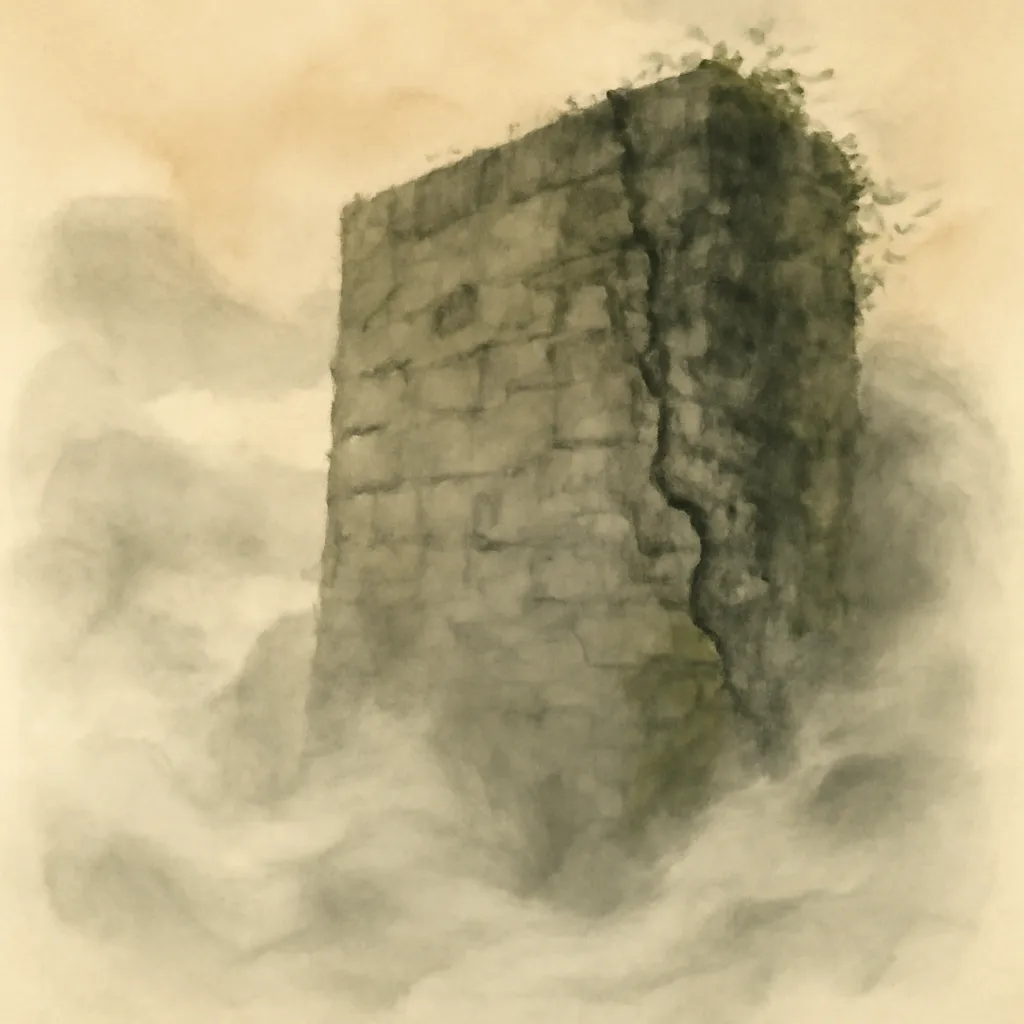
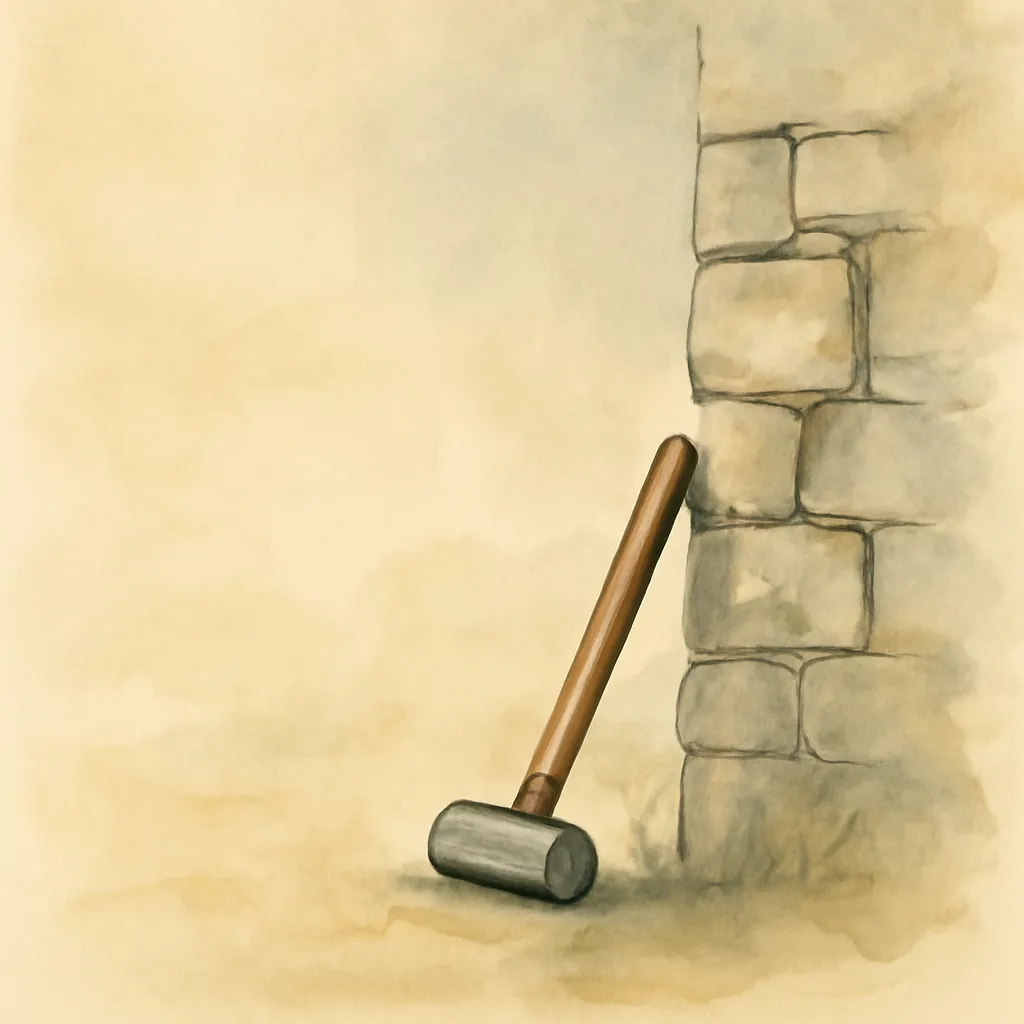
The wall that separates the Howe and Webster farms serves as a powerful symbol of the barriers that exist not just in physical space, but also in human relationships. Built over a century ago, this wall has become a manifestation of a feud that spans generations, illustrating how unresolved conflicts can fester and grow over time. The wall represents not only the literal division of land but also the emotional and social estrangement between families. As the characters navigate their lives, the wall becomes a constant reminder of their shared history and the grudges that have been passed down. Through this symbolism, Bassett invites readers to consider the walls in their own lives—those barriers that prevent connection and understanding, and the importance of addressing them to foster reconciliation.
2.Martin Howe: A Reluctant Farmer
Martin Howe embodies the struggle between personal aspiration and familial duty. Despite his intelligence and dreams of becoming a doctor or lawyer, circumstances thrust him into the life of a farmer, a role he neither enjoys nor feels competent in. His disdain for manual labor, described as 'damned hard work,' highlights his inner conflict and longing for a more fulfilling life. Bassett paints Martin as a character caught between his responsibilities and his dreams, illustrating the tension many face when their desires clash with societal and familial expectations. This internal struggle is exacerbated by the weight of the Howe-Webster feud, which stifles his ability to seek happiness. Through Martin's journey, readers are reminded of the importance of pursuing one's passions and the impact of external pressures on personal fulfillment.
3.Lucy Webster: The Catalyst of Change
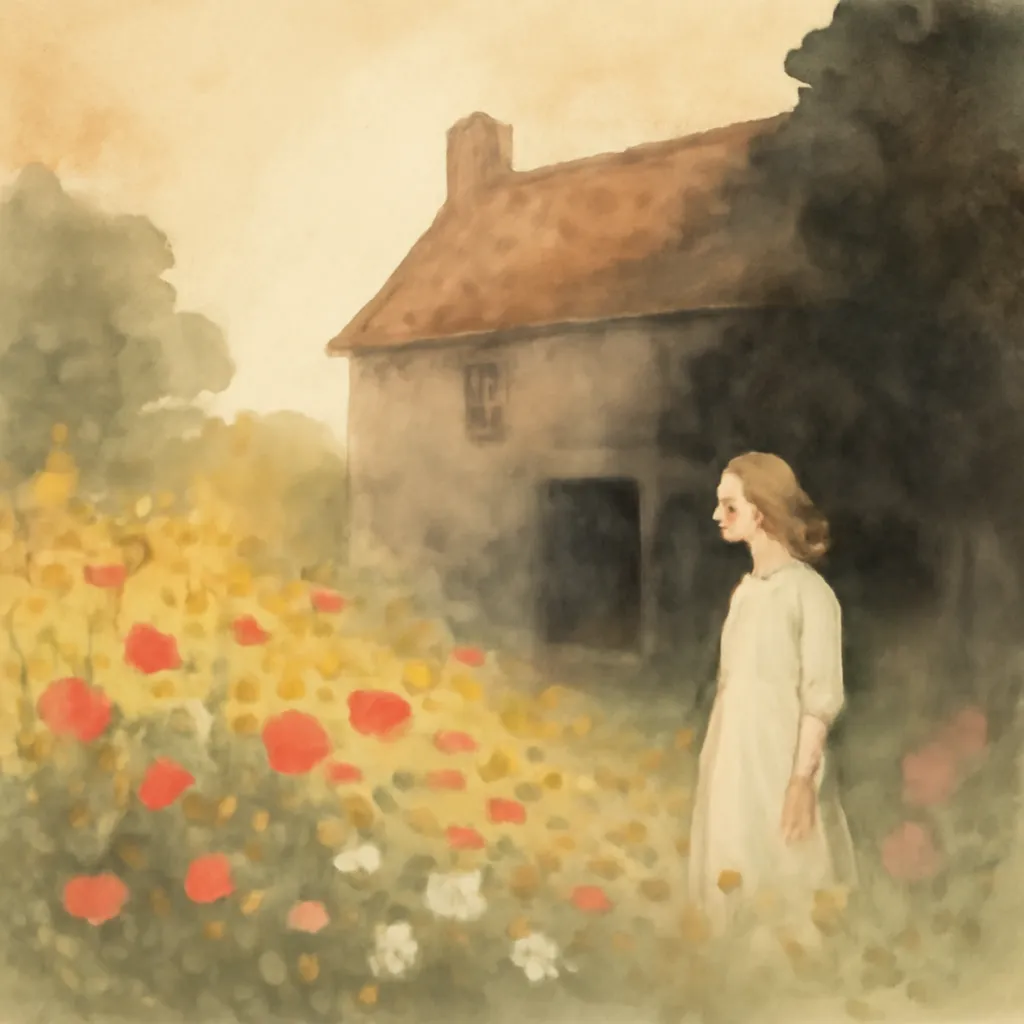
Lucy Webster arrives as a breath of fresh air, contrasting sharply with her aunt Ellen's stern demeanor. Her beauty, spirit, and determination to forge her own path make her a pivotal character in the narrative. Lucy's interactions with the Howes, particularly Martin, challenge the longstanding animosities between their families. She represents hope and the possibility of reconciliation, embodying the idea that new generations can break free from the burdens of the past. Her desire to connect with the Howes, even in the face of her aunt's disapproval, showcases her courage and willingness to defy tradition. As a character, Lucy illustrates how love and compassion can act as powerful agents of change, urging us to reconsider inherited grudges and embrace the potential for unity.
4.Ellen Webster: The Guardian of Tradition
Ellen Webster serves as the embodiment of entrenched familial loyalty and the perpetuation of old grudges. Her fierce protectiveness over her home and disdain for the Howes highlight the destructive nature of unresolved conflicts. Ellen's character is defined by her bitterness and refusal to let go of past grievances, which ultimately stifles Lucy's spirit and potential. Her interactions with Lucy reveal the generational conflict between tradition and progress, as Ellen clings to the past while Lucy yearns for a brighter future. Through Ellen, Bassett critiques the dangers of allowing anger and resentment to dictate one's life, showing how such attitudes can poison relationships and impede personal growth. Ellen's eventual decline serves as a cautionary tale of the costs associated with living a life defined by bitterness.
5.The Role of Community
The small-town setting of Sefton Falls serves as a microcosm of larger societal dynamics, illustrating how community relationships can be affected by longstanding feuds. The interactions between the Howes and Websters are not isolated; they ripple through the community, influencing perceptions and behaviors. Characters like Jane Howe exemplify the potential for neighborly support, as she steps in to help Lucy during her aunt's illness, suggesting that compassion can sometimes bridge the gaps created by animosity. The community's involvement in the lives of the two families highlights the interconnectedness of human experiences and the idea that healing can begin at a communal level. Bassett emphasizes the importance of community in fostering understanding and reconciliation, reminding readers that collective support can play a crucial role in overcoming personal and familial strife.
6.The Impact of Secrets
Secrets play a critical role in the unfolding drama between the Howes and Websters, particularly concerning Ellen's will and the hidden motivations behind her actions. The will, which stipulates conditions that bind Lucy and Martin, serves as a catalyst for tension and conflict. It reveals how the past can haunt the present, as Ellen's decisions and secretive nature create obstacles for Lucy's happiness. This theme of secrecy underscores the idea that unresolved issues can create barriers that hinder personal growth and relationship development. Bassett illustrates that transparency and honesty are essential for building trust and fostering genuine connections. The eventual revelation of the will's contents forces characters to confront their past and choose between self-interest and the pursuit of love.
7.The Power of Love
At its core, 'The Wall Between' is a love story that transcends the animosities of the past. Martin and Lucy's relationship develops against the backdrop of familial conflict, illustrating how love can challenge and ultimately dismantle barriers. Their connection grows from initial misunderstandings and societal pressures to a deep, abiding affection that defies tradition. This love serves as a transformative force, prompting characters to reevaluate their beliefs and behaviors. As Martin grapples with his feelings for Lucy, he realizes that love is not just an emotional experience but a call to action—one that requires courage and vulnerability. Bassett emphasizes that love can lead to healing, urging readers to embrace the possibilities that come with breaking down walls and fostering connections.
8.Confronting the Past
The characters in 'The Wall Between' are ultimately faced with the necessity of confronting their pasts to move forward. The feud between the Howes and Websters is a manifestation of unresolved issues that have plagued both families for generations. As Lucy and Martin navigate their feelings for each other, they are forced to confront the legacy of their families' animosity. This confrontation is not easy, as it requires them to challenge long-held beliefs and confront the pain of history. Bassett illustrates that true growth and reconciliation come from acknowledging the past and actively choosing to break free from its constraints. By facing their histories, the characters pave the way for a future defined by hope and unity, demonstrating that healing is possible when one is willing to confront the truth.
9.The Journey Towards Reconciliation
As the narrative unfolds, the journey towards reconciliation becomes a central theme. Lucy's determination to reach out to the Howes and Martin's internal struggle with his feelings for her highlight the complexities of rebuilding relationships after years of animosity. Bassett emphasizes that reconciliation is not a straightforward process; it requires effort, understanding, and a willingness to let go of pride. The characters' paths are fraught with challenges, yet their willingness to engage with one another lays the groundwork for healing. Bassett's portrayal of reconciliation serves as a reminder that while the past may shape us, it does not have to dictate our future. Through the characters' journeys, readers are encouraged to reflect on their own relationships and the potential for healing through dialogue and empathy.
10.Breaking Down Barriers
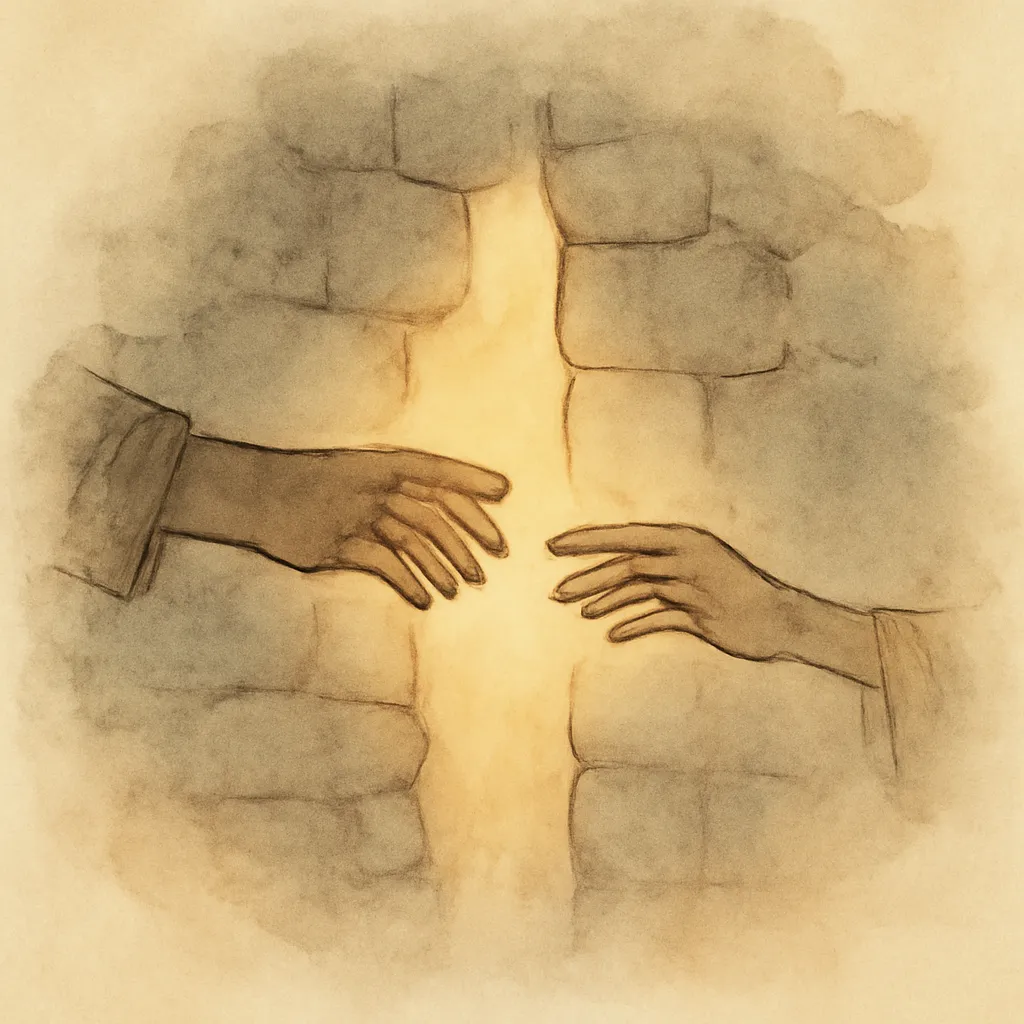
The act of breaking down barriers, both literal and metaphorical, is a central motif in 'The Wall Between.' The physical wall separating the Howe and Webster farms symbolizes the emotional walls that have been built over years of conflict. As characters confront their differences and choose to engage with one another, they begin to dismantle these barriers. Bassett illustrates that the journey towards understanding often requires vulnerability and courage, as characters must be willing to expose their true selves. This theme of breaking down barriers resonates throughout the narrative, encouraging readers to consider their own walls and the potential for connection that lies beyond them. Ultimately, the story champions the idea that love and compassion can triumph over division, urging us to take the first step towards reconciliation.