1.The Indelible Legacy of Waterloo
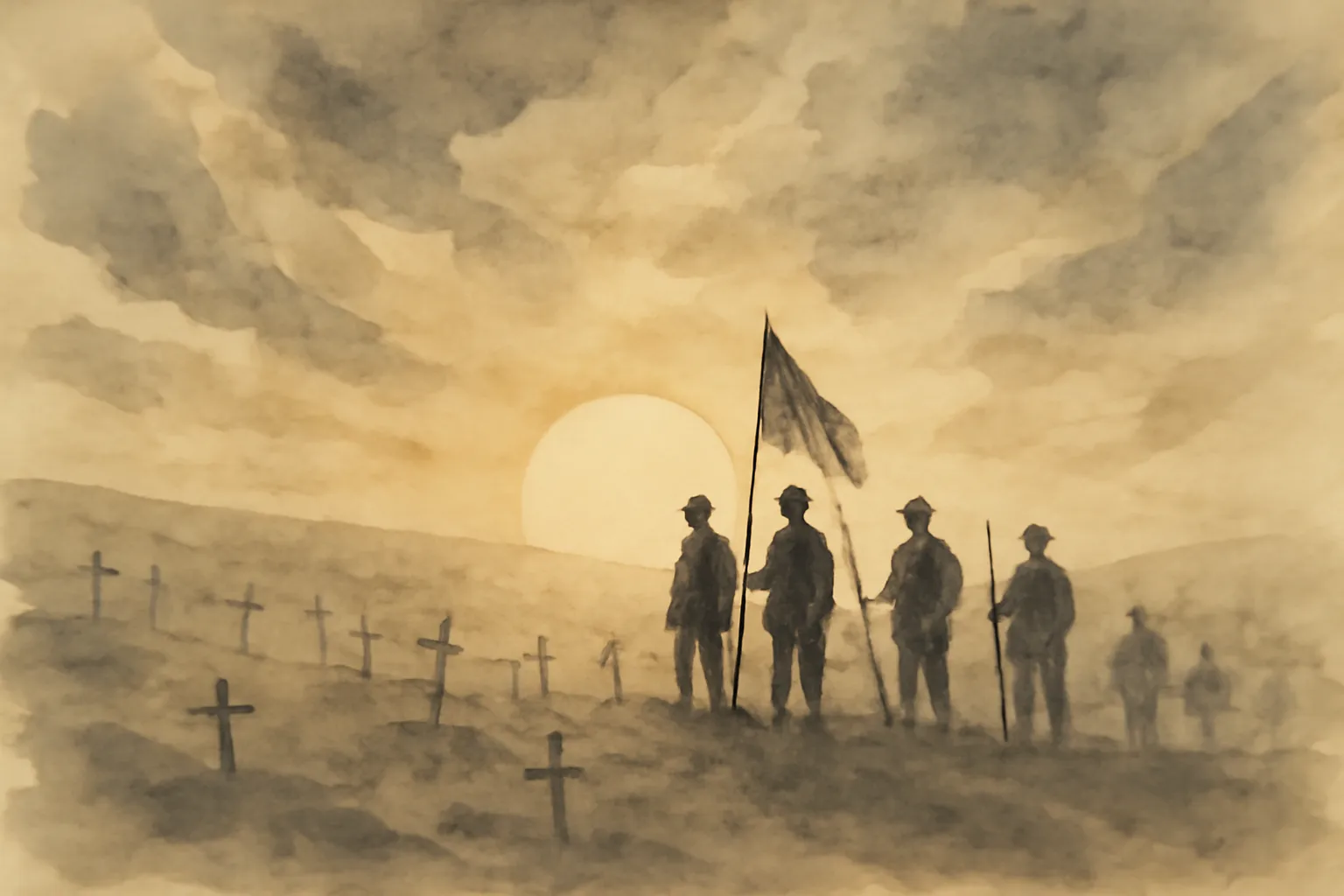
The Battle of Waterloo, fought on June 18, 1815, marked a decisive turning point in European history, effectively ending the Napoleonic Wars. The battle is not just a military event; it symbolizes the triumph of coalition forces over tyranny. The national pride stemming from this victory remains strong in British culture, echoing through generations. The book emphasizes that the names of the soldiers who fought there are not mere entries in a record; they represent stories of courage, sacrifice, and determination. Each name on the roll call is a testament to the collective effort that shaped modern Europe, ensuring that the legacy of these soldiers continues to resonate today. The clash at Waterloo is seen as both a military engagement and a defining moment in the national consciousness, making the understanding of this battle crucial to grasping British history.
2.Detailed Commemoration of Participants
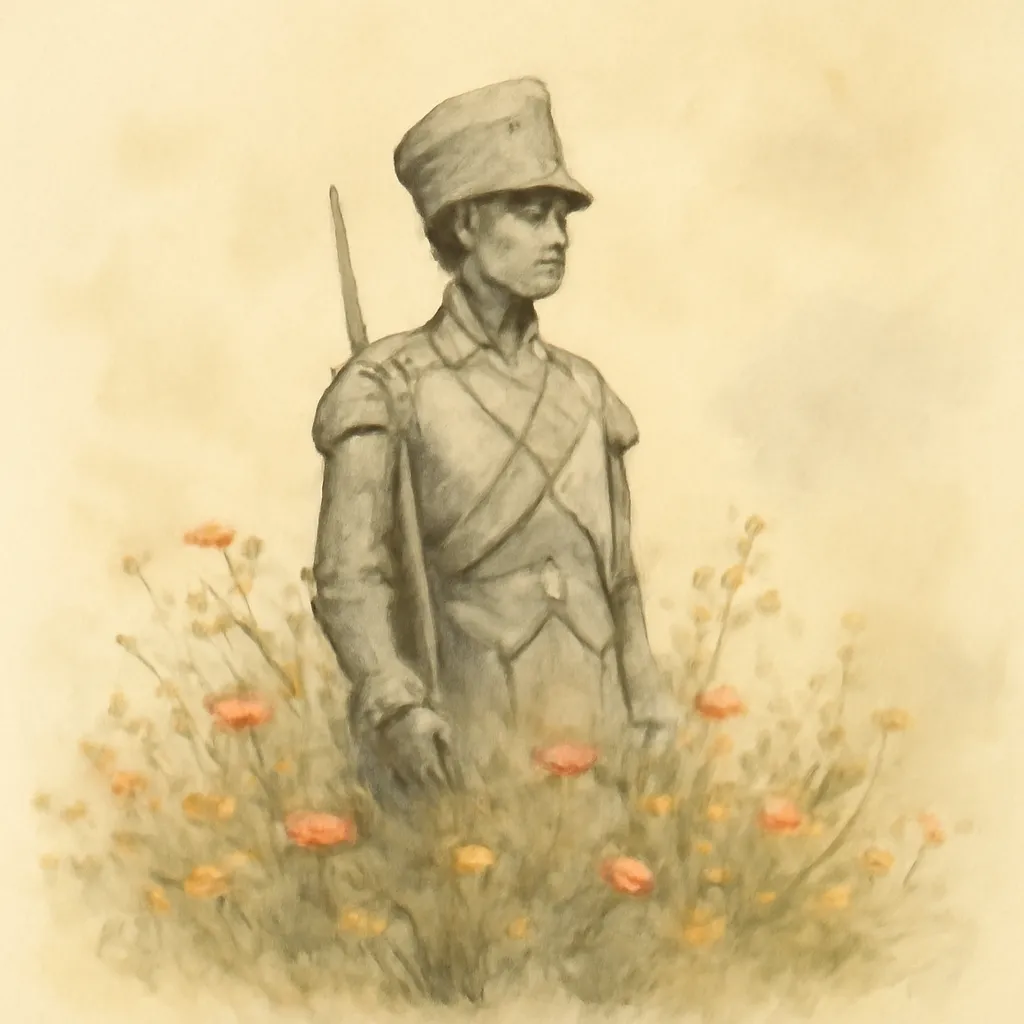
Dalton's work is characterized by its thorough documentation of the officers and men who participated in the battle. The annotated lists provide not only names and ranks but also brief biographical notes that highlight individual stories and achievements. This level of detail is essential in honoring the contributions of the lesser-known soldiers alongside their more recognized counterparts. By presenting these biographical sketches, the book humanizes the participants, allowing readers to appreciate their unique experiences in the face of adversity. The meticulous nature of this documentation serves a dual purpose: it preserves the memory of the soldiers while also providing a resource for future historians. The personal accounts enrich the narrative, transforming the historical record into a rich tapestry of personal valor that readers can connect with on an emotional level.
3.The Role of Non-Commissioned Officers

One of the standout features of the Waterloo Roll Call is its focus on non-commissioned officers and men who later received commissions in the British Army. This section underscores the potential for upward mobility within the military structure, illustrating how merit and bravery could lead to recognition and advancement. Many of these soldiers demonstrated exceptional courage at Waterloo, earning their promotions not just through rank but through significant acts of valor. The narrative of figures who rose from the ranks to positions of leadership is not just a testament to their abilities; it reflects the democratic nature of the military at the time. By highlighting their stories, the book sheds light on the often-overlooked contributions of these individuals, reinforcing the idea that heroism is not confined to the upper echelons of command. This emphasis on meritocracy is significant in understanding the evolving attitudes toward leadership and recognition in the military.
4.A Battle of Giants: The Context of Waterloo

The Waterloo Roll Call places the battle within the broader context of European politics and military strategy. Napoleon Bonaparte, often deemed the greatest military mind of his time, was a formidable opponent whose ambitions threatened the stability of Europe. The book reflects on the fears and anxieties that gripped Britain during the lead-up to the battle, emphasizing how the threat of invasion from France created a climate of urgency and preparedness. This backdrop adds depth to the understanding of the soldiers' motivations and the significance of their victory. The narrative captures the atmosphere of tension and expectation, painting a vivid picture of the historical moment. The fear of French dominance was palpable, and the soldiers at Waterloo understood that their actions could alter the fate of nations. The author effectively contextualizes the battle, illustrating how it was not merely a confrontation but a pivotal event that shaped European geopolitics for generations to come.
5.The Importance of Medical Staff and Support Roles
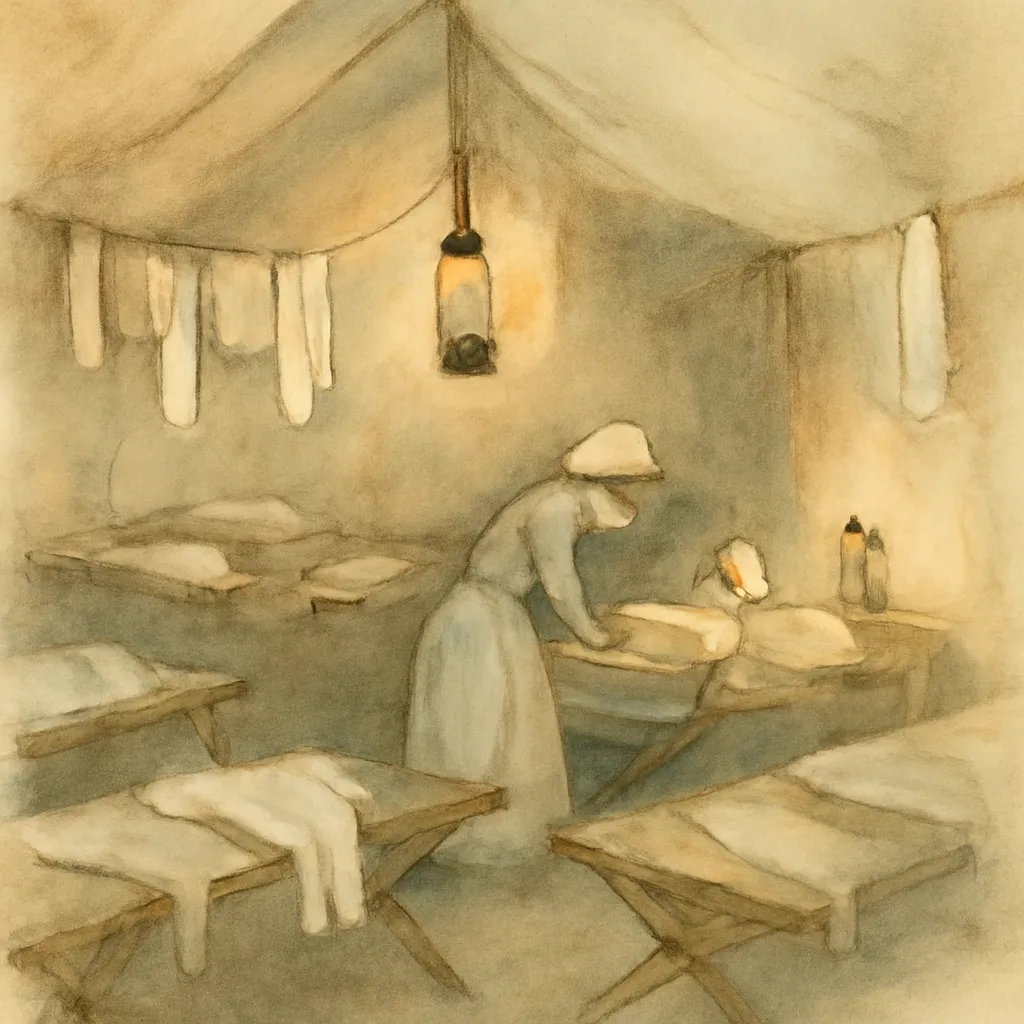
While the focus often falls on frontline combatants, the Waterloo Roll Call also dedicates attention to the vital roles played by medical staff and departmental officers. These individuals worked tirelessly behind the scenes to ensure that the wounded received care and that the army was supported logistically. Their contributions were crucial in maintaining the effectiveness of the fighting force. By documenting these roles, the book highlights the interconnectedness of all military operations, illustrating that victory is not solely determined by combat prowess but also by the effectiveness of support services. The medical personnel faced immense challenges on the battlefield, providing crucial first aid and transport for the injured. Their stories serve as a reminder of the human cost of war and the importance of those who serve in less visible yet equally critical roles. This comprehensive view of the battle underscores the importance of every individual involved, reinforcing the idea that success in war is a collective effort.
6.Heroic Anecdotes from the Battlefield
Interwoven throughout the Waterloo Roll Call are numerous anecdotes that provide colorful and memorable insights into the experiences of soldiers during the battle. These stories of heroism and camaraderie bring a personal touch to the historical account, allowing readers to connect emotionally with the figures involved. For instance, the accounts of individuals like Field-Trumpeter J. Edwards, who signaled the decisive charge, serve to illustrate the impact of individual actions within the larger context of the battle. The book recounts various acts of bravery, such as soldiers charging into enemy lines despite overwhelming odds or rescuing comrades from certain death. Such anecdotes not only enrich the narrative but also serve as reminders of the human spirit's resilience in the face of overwhelming odds. This storytelling approach makes the historical record more relatable and engaging, ensuring that the sacrifices made during the battle are not easily forgotten.
7.A Reflection of National Sentiment
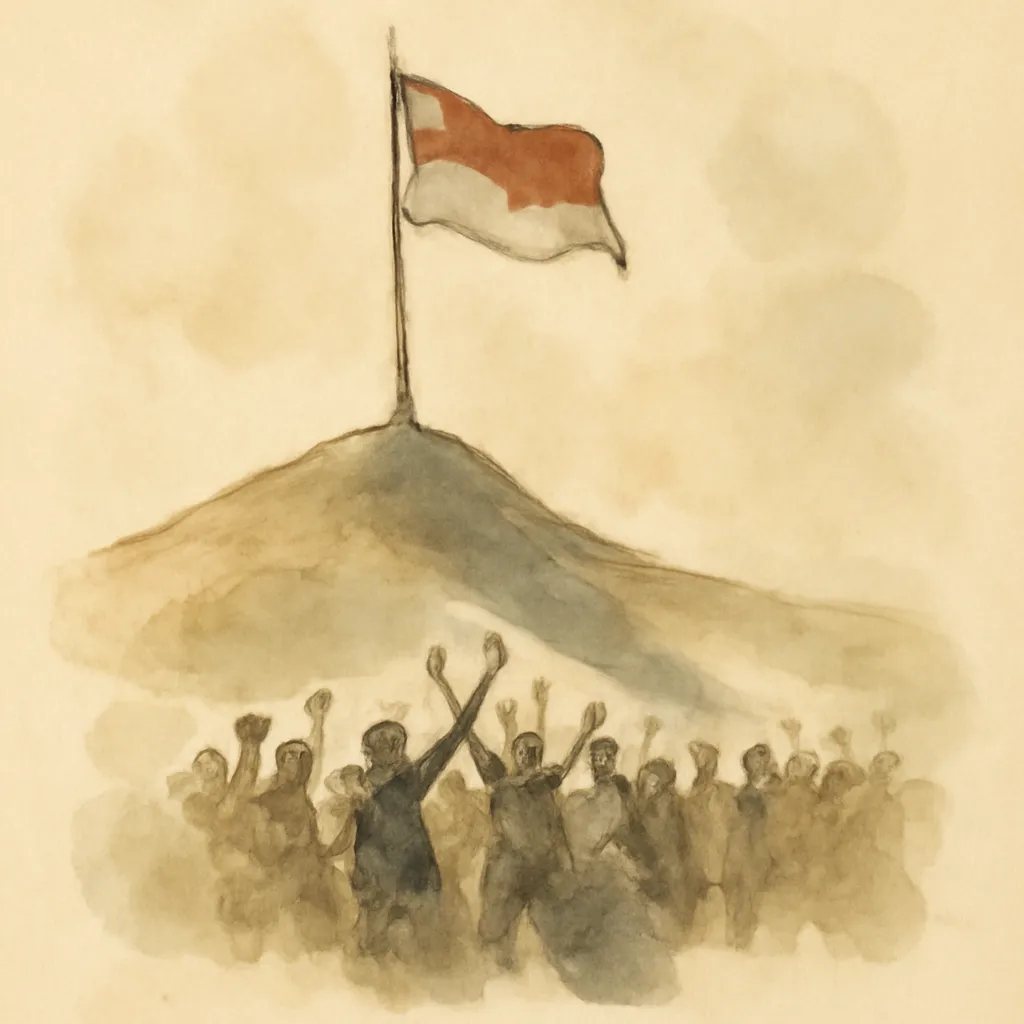
The Waterloo Roll Call captures the national sentiment of pride and relief that followed the British victory. The defeat of Napoleon was a source of immense pride for Britain, and the book reflects on how this victory united the country in a shared sense of achievement. The introduction discusses how the fear of French invasion permeated British society, and the triumph at Waterloo served to bolster national confidence. This collective memory of victory has been preserved through stories and records, emphasizing the battle's significance in shaping British identity. The emotional resonance of Waterloo continues to influence narratives of courage and patriotism. As the nation celebrated its soldiers’ bravery, the story of Waterloo became intertwined with the broader British narrative, reinforcing the values of resilience and unity in the face of adversity. This sense of triumph over a powerful foe solidified a national identity that remains influential today.
8.The Evolution of Historical Documentation

Dalton's meticulous approach to documenting the participants of the battle represents an early example of how historical events can be recorded and commemorated. By compiling names, ranks, and personal stories, he sets a precedent for future historians in how to honor and remember those who served. This attention to detail not only preserves the memory of the individuals involved but also serves as a valuable resource for future generations. The book illustrates the importance of comprehensive historical documentation in understanding the complexities of our past and ensuring that the sacrifices of individuals are not forgotten. This initiative reflects a broader trend in historical writing where personal narratives are increasingly integrated into the larger historical context, enriching our understanding of events like Waterloo. The emphasis on preserving these stories ensures that the lessons learned from such pivotal moments in history continue to inform contemporary society.
9.The Interplay of Military and Civilian Life
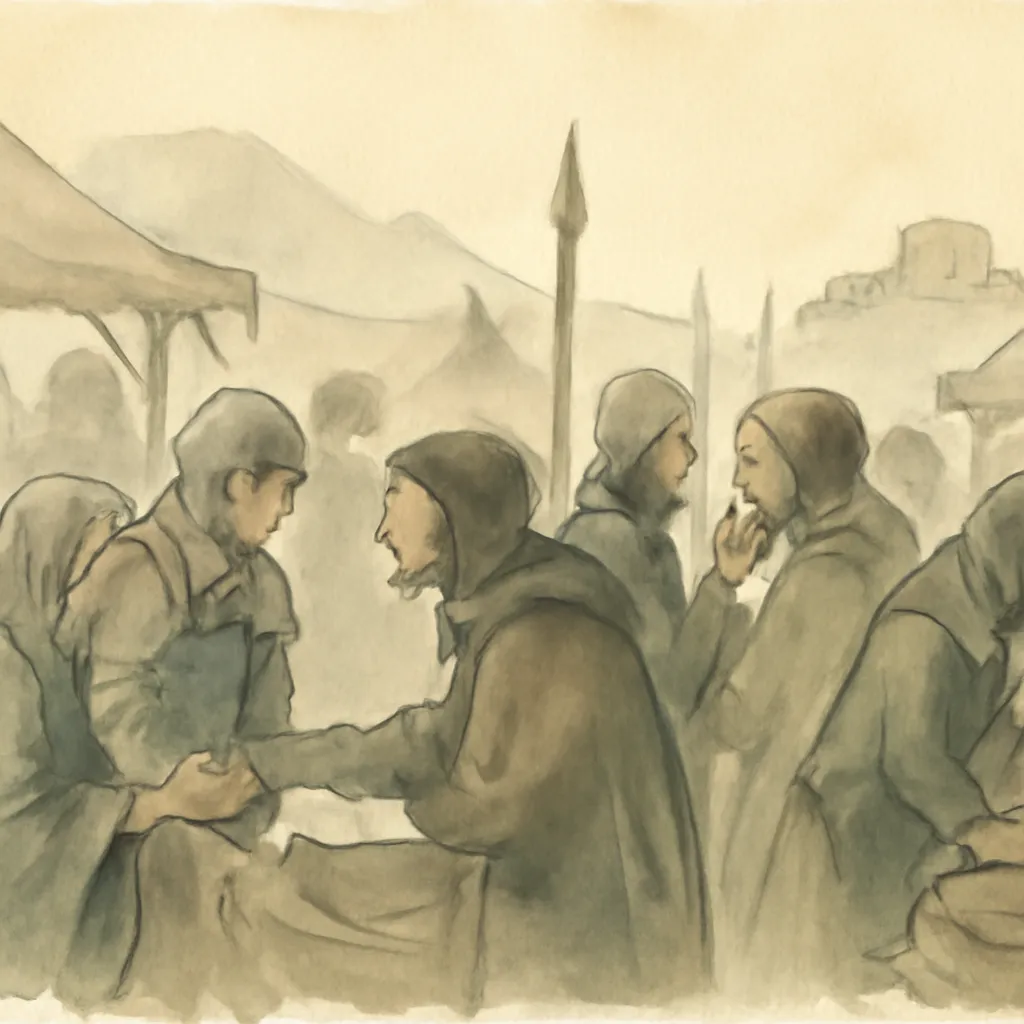
The Waterloo Roll Call also touches on the interplay between military and civilian life during the Napoleonic Wars. The book discusses how the threat of invasion affected everyday life in Britain, from government appeals to the public to prepare for potential conflict to the rallying of communities around the military. This connection illustrates how military events transcend the battlefield, influencing social dynamics and national identity. The stories of soldiers returning to civilian life after the war further highlight this interplay, revealing how their experiences shaped their reintegration into society and contributed to the evolving narrative of British history. The book emphasizes that the impact of war extends beyond the battlefield, with soldiers returning home bearing the scars—both visible and invisible—of their experiences. This exploration highlights the importance of understanding the societal context of military events and their long-term implications for communities and nations.
10.The Role of Legacy in Military History
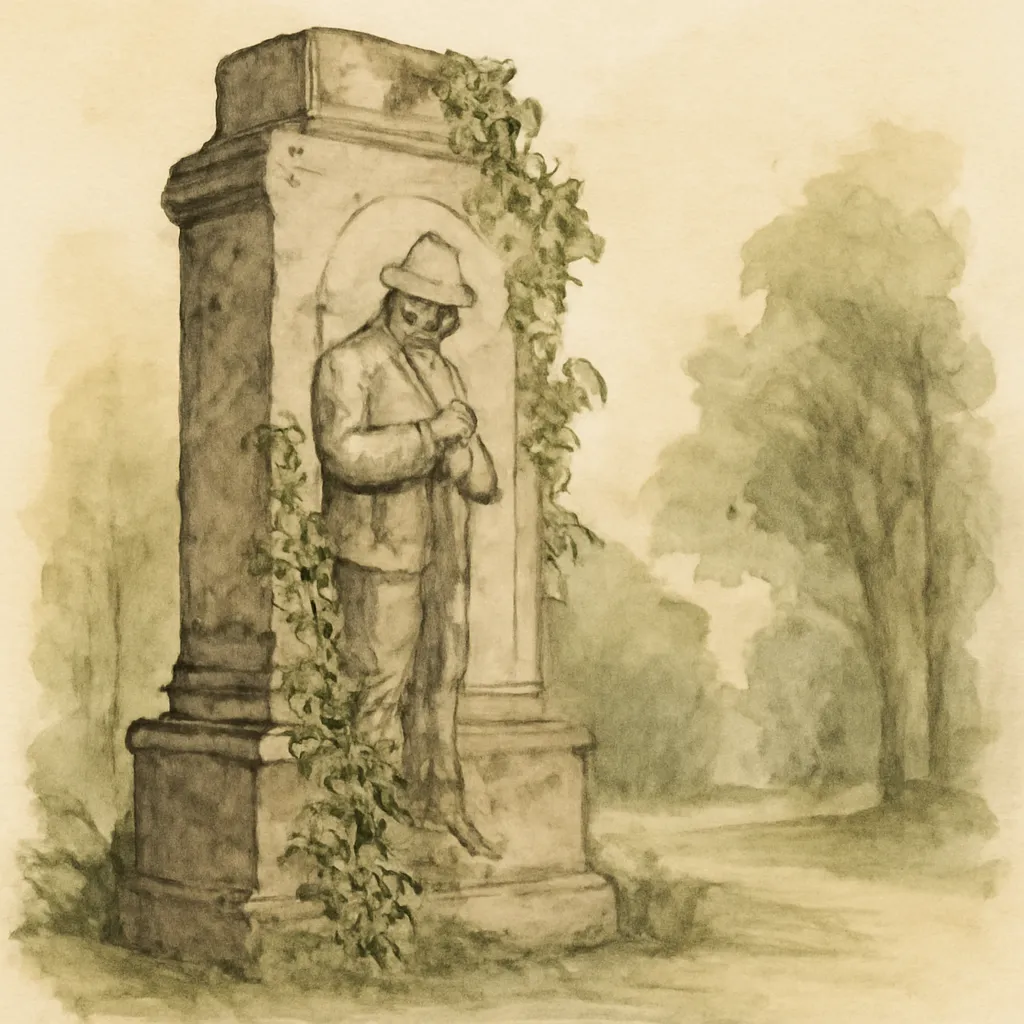
Ultimately, the Waterloo Roll Call serves as a reminder of the importance of legacy in military history. The soldiers who fought at Waterloo are not just figures of the past; their stories continue to inspire new generations. The book emphasizes that remembering these individuals is crucial in understanding the broader implications of war and peace. By preserving their stories, we honor their sacrifices and ensure that the lessons of history are not lost. This focus on legacy encourages readers to reflect on the values of bravery, loyalty, and resilience that these soldiers embodied, reinforcing the idea that their contributions extend far beyond the battlefield. The act of remembering is presented not just as a historical necessity but as a moral obligation to acknowledge the sacrifices made for freedom and democracy. As society continues to grapple with the consequences of conflict, the lessons drawn from these legacies remain profoundly relevant.